
Top 3 Recommended Policies

By: Jackson Hering
Licensed Personal Insurance Specialist
425-409-2497
A single lawsuit from a jobsite injury can wipe out years of profits for a Washington contractor. Last year, a Spokane-based roofing company faced a $340,000 claim after a subcontractor fell through an improperly secured skylight. Their general liability policy covered the settlement, but contractors without adequate protection often close their doors after incidents like this.
Washington state takes contractor licensing and insurance seriously. The Department of Labor & Industries requires specific coverage types before you can legally operate, and project owners increasingly demand proof of comprehensive protection before awarding contracts. Understanding your insurance needs isn't just about compliance: it's about building a business that can survive the unexpected.
This guide walks through the essential coverage types Washington contractors need, from state-mandated workers' compensation to specialized policies protecting your equipment and professional reputation. You'll learn how to meet registration requirements, manage your premiums, and select providers who understand Pacific Northwest construction risks. Whether you're a general contractor managing large commercial projects or a specialty trade working residential jobs, the right insurance strategy protects everything you've built.
Core Insurance Requirements for Washington State Contractors
Washington ranks among the strictest states for contractor insurance requirements. Before bidding your first job, you need to understand what the state demands and what smart business practice suggests beyond those minimums.
General Liability Coverage for Construction Risks
General liability insurance protects your business when third parties claim bodily injury or property damage resulting from your work. A client trips over your extension cord. Your crew accidentally damages a neighboring property's fence. A completed project fails and causes water damage months later. These scenarios happen regularly on Washington jobsites.
The state requires contractors to carry minimum liability limits, typically $25,000 per occurrence for residential projects. Most experienced contractors carry $1 million per occurrence with $2 million aggregate limits. Commercial project owners often require even higher limits before allowing you on site. Your policy should include completed operations coverage, which protects against claims arising after you've finished a job.
Washington State L&I Workers' Compensation Rules
Washington operates a monopolistic workers' compensation system through the Department of Labor & Industries. Unlike most states where you purchase coverage from private insurers, you must obtain workers' comp directly from L&I. This applies even if you're a sole proprietor with no employees: you can elect coverage for yourself or file an exemption.
Rates vary dramatically by trade classification. A drywall installer pays different premiums than an electrician or excavation contractor. Your experience modification rate, based on your claims history compared to industry averages, can raise or lower these base rates by 25% or more. Maintaining a clean safety record directly impacts your bottom line.
Surety Bonds vs. Insurance Policies
Many contractors confuse surety bonds with insurance, but they serve different purposes. Insurance protects you when something goes wrong. Bonds protect your clients and guarantee you'll fulfill contractual obligations.
Washington requires a contractor's bond of at least $12,000 for general contractors and $6,000 for specialty contractors. This bond protects consumers if you abandon a project or perform defective work. Unlike insurance claims, bond claims often require you to repay the bonding company. Think of your bond as a credit line that establishes trust with clients and the state.

Specialized Coverage for Construction Operations
Beyond core requirements, several specialized policies address risks unique to construction work. The coverage you need depends on your trade, project types, and business assets.
Commercial Auto and Fleet Insurance
Personal auto policies exclude vehicles used primarily for business. If your truck hauls materials between jobsites, you need commercial auto coverage. This becomes more complex when you operate multiple vehicles or employ drivers.
Fleet policies cover all company vehicles under one policy, simplifying administration and often reducing costs compared to insuring vehicles individually. Hired and non-owned auto coverage protects you when employees use personal vehicles for work tasks or when you rent equipment. Washington's weather creates additional driving hazards: icy mountain passes and wet coastal roads contribute to higher accident rates during certain seasons.
Inland Marine: Protecting Tools and Equipment
Standard property insurance covers your office and permanent structures. It typically excludes tools and equipment that move between locations. Inland marine insurance fills this gap, protecting portable assets wherever they travel.
| Coverage Type | What It Protects | Typical Limits |
|---|---|---|
| Contractors Equipment | Owned tools, machinery, equipment | Rented machinery and tools |
| Installation Floater | Materials during installation | Project value |
| Builders Risk | Structures under construction | Completed value |
| Leased Equipment | Rented machinery and tools | Rental agreement value |
Tool theft remains a significant problem on Washington jobsites. A comprehensive inland marine policy can mean the difference between replacing stolen equipment quickly and halting operations while you scramble for funds.
Professional Liability and Errors & Omissions
General liability covers physical damage, but what about mistakes in your professional judgment? Professional liability, sometimes called errors and omissions coverage, protects against claims arising from design flaws, specification errors, or faulty recommendations.
Design-build contractors face particular exposure here. If your design causes a structural problem discovered years later, professional liability responds where general liability won't. Architects and engineers carry this coverage routinely, and contractors increasingly need it as project delivery methods blur traditional role boundaries.
Operating legally in Washington requires more than just purchasing insurance. You must register properly and maintain documentation proving ongoing compliance.
Department of Labor & Industries (L&I) Registration Process
All contractors must register with L&I before advertising services or bidding projects. The registration process requires proof of your contractor's bond, liability insurance, and workers' compensation coverage or exemption. You'll also need to pass an examination demonstrating knowledge of Washington construction law.
Registration renews every two years. Letting your registration lapse, even briefly, can result in fines and project delays. Many contractors set calendar reminders 90 days before expiration to ensure smooth renewals. L&I maintains a public database where project owners can verify your current registration status: keeping this information accurate protects your reputation.
Maintaining Minimum Liability Limits
Your insurance certificates must show coverage meeting or exceeding state minimums. When policies renew or change, you're responsible for updating your registration with current documentation. Gaps in coverage can trigger automatic suspension of your contractor license.
Project contracts often require you to name owners, general contractors, or lenders as additional insureds on your policies. Your insurance provider should issue these certificates promptly. Delays in providing proof of insurance can cost you projects, so work with responsive agents who understand construction timelines.

Your premiums reflect how insurers assess your risk profile. Understanding these factors helps you manage costs while maintaining adequate protection.
Claims history carries significant weight. Contractors with multiple claims pay substantially more than those with clean records. The types of claims matter too: a pattern of similar incidents suggests systemic problems that insurers want to avoid. Your experience modification rate for workers' comp directly reflects this history.
Trade classification affects base rates. High-risk trades like roofing and demolition pay more than finish carpentry or painting. Annual revenue and payroll determine exposure levels: larger operations face greater potential losses. Geographic factors also play a role. Seattle's dense urban construction presents different risks than rural Eastern Washington projects.
Risk Management Strategies for Local Contractors
Smart contractors don't just buy insurance and hope for the best. They actively manage risks to prevent claims and reduce premiums over time.
Safety Programs and Experience Modification Factors
A documented safety program demonstrates your commitment to preventing injuries. Hold regular toolbox talks, maintain written procedures for high-risk tasks, and enforce personal protective equipment requirements. L&I offers consultation services to help develop effective programs.
Your experience modification rate compares your claims history to industry averages. A rate below 1.0 means you're performing better than average and paying lower premiums. Above 1.0 indicates worse performance and higher costs. Reducing workplace injuries directly improves this rate over a three-year rolling period.
Subcontractor Certificates of Insurance (COI)
When you hire subcontractors, their insurance gaps can become your problems. Always collect certificates of insurance before subcontractors begin work. Verify coverage types, limits, and expiration dates. Confirm you're listed as an additional insured on their general liability policy.
Create a system for tracking subcontractor COIs. Spreadsheets work for small operations, but dedicated software helps larger contractors manage dozens of subcontractor relationships. Never assume a long-term subcontractor maintains coverage: policies lapse, and you need current documentation for every project.
Choosing the Right Insurance Provider in Washington
Not all insurance providers understand construction risks equally. The right partner offers more than competitive quotes: they provide expertise that helps you make informed decisions.
Look for agents or brokers specializing in contractor insurance. They understand trade-specific exposures and can identify coverage gaps that generalist agents miss. Ask about their experience with Washington's unique workers' comp system and L&I requirements.
Frequently Asked Questions
How much does contractor insurance cost in Washington? Costs vary widely based on trade, revenue, and claims history. Small specialty contractors might pay $2,000-5,000 annually for basic coverage, while larger general contractors often spend $20,000 or more.
Can I work as a contractor without insurance in Washington? No. Washington requires proof of liability insurance and workers' compensation coverage or exemption before issuing contractor registration.
What happens if my subcontractor causes damage? You may be held liable if your subcontractor lacks adequate insurance. Always verify their coverage and require additional insured status on their policies.
Does my homeowner's policy cover my contracting business? Homeowner's policies exclude business activities. You need separate commercial coverage for contractor work.
How often should I review my coverage?
Review annually at minimum, and whenever you add services, hire employees, purchase major equipment, or take on larger projects.
Making the Right Choice for Your Business
Protecting your Washington contracting business requires understanding both state requirements and the risks specific to your operations. Start with the mandated coverage: general liability, workers' compensation through L&I, and your contractor's bond. Then evaluate specialized policies based on your equipment, vehicles, and professional exposure.
Build relationships with insurance professionals who know construction. Their guidance helps you avoid gaps that could threaten your business while managing premiums effectively. Invest in safety programs that protect your workers and your experience modification rate. Track subcontractor documentation diligently.
The contractors who thrive long-term treat insurance as a business investment rather than an expense to minimize. They carry adequate limits, maintain clean claims histories, and work with knowledgeable providers. Your insurance strategy directly impacts your ability to win contracts, survive claims, and build lasting success in Washington's competitive construction market.

About The Author:
Jackson Hering
I'm a fourth-generation insurance agent, having learned the business firsthand while working alongside my father. With years of experience passed down through my family, I take pride in combining that legacy knowledge with a modern, client-focused approach. I started my career at a small, family-owned agency and worked my way up, gaining a deep understanding of the industry from the ground up.
Contact Us
Coverage for Everyday Life
Personal Insurance That Works for You
We help individuals and families find coverage that keeps life moving—without overpaying or getting lost in fine print. From auto and home insurance to umbrella and life protection, our licensed team compares options across top-rated carriers to make sure you’re covered the right way, right now.
Auto Insurance
Drive with confidence and coverage that fits your needs.
Home Insurance
Coverage for fire, theft, liability, and more.
Renters Insurance
Affordable protection for your belongings and personal liability.

Boat Insurance
Coverage for watercraft damage, liability, and gear.
Life Insurance
Prepare for the future with term or whole life policies.
Umbrella Insurance
Extra liability protection for life’s bigger risks.
Protect Your Business Without the Guesswork
Business Insurance Built for Stability & Growth
Running a business comes with risk. We help reduce it. Our team builds custom coverage for your needs, including general liability, property, commercial auto, and cyber protection. We’re fast, responsive, and easy to reach—so your insurance is one less thing to worry about.
Industries We Serve
Tailored by Industry
We understand the risks unique to your business—and how to insure against them.
Contractors & Trades
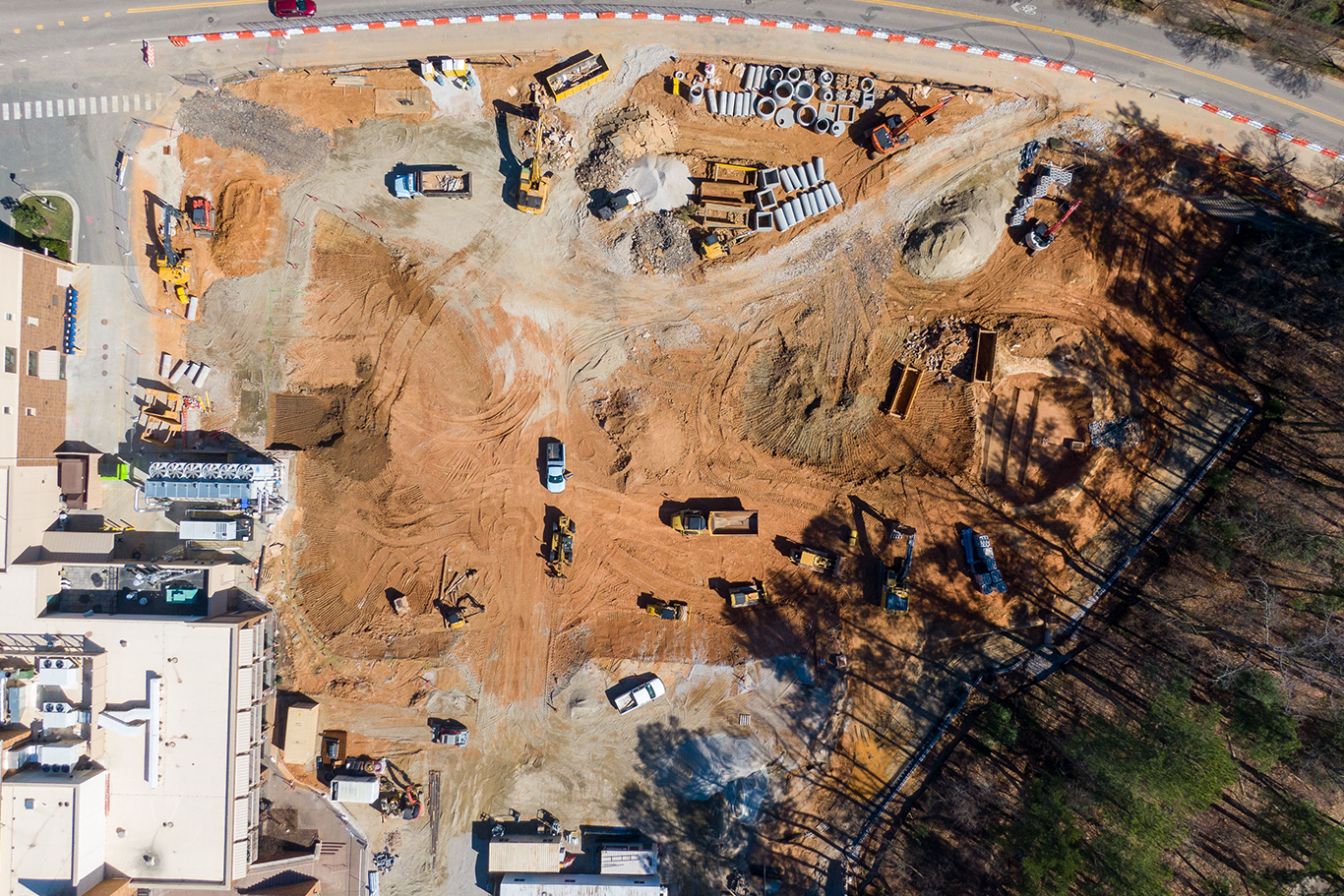
We help contractors protect their tools, vehicles, job sites, and employees with comprehensive insurance solutions. Whether you’re a general contractor, electrician, plumber, or another trade, we provide the coverage you need to keep your projects moving forward safely.
Cannabis Industry
Mosaic specializes in insuring the unique risks of the cannabis industry, including growers, retailers, processors, and delivery services. We understand the compliance challenges you face and work with carriers who can protect every stage of your operation.


Lessor’s Risk (LRO)
If you own a building and lease space to commercial tenants, we help protect your property and liability as a landlord. Our policies safeguard your investment from damages, lawsuits, and other risks that come with leasing commercial real estate.

Frequently Asked Questions
Quick Answers. Trusted Support.
Insurance doesn’t have to be confusing. We’re here to make everything clear, helpful, and hassle-free.
What states is Mosaic Insurance licensed in?
Mosaic is licensed in more than 10 states, including Washington, Oregon, Arizona, California, Texas, Colorado, and more. Our team can help you whether you live locally in WA or operate across multiple state lines.
We’re especially well-equipped to help clients with multi-state businesses, real estate portfolios, or cannabis operations that need compliance-ready coverage in various jurisdictions.
Can I get quotes from multiple carriers through Mosaic?
Yes. As an independent agency, we partner with a wide range of top-rated insurance carriers. That means you’re not locked into just one company’s pricing or coverage limitations.
Our advisors compare quotes for you, break down the differences, and help you choose the plan that fits best—no pressure, just honest advice.
Does Mosaic offer cannabis insurance, and who qualifies?
Absolutely. Mosaic is one of the few agencies with deep experience in cannabis insurance. We offer coverage for dispensaries, cultivators, delivery services, manufacturers, and labs.
If you're in a licensed state and need coverage that meets regulatory requirements, we can help set you up with carriers who understand the cannabis industry’s unique risks.
What can I do through the client portal?
You can use our 24/7 client portal to request policy changes, submit certificates of insurance, and manage your billing. It’s easy to use and always available.
This helps speed up business tasks and gives you full access to your coverage—even outside of regular office hours.
What should I expect after requesting a quote?
Once you request a quote, our team will reach out to gather a few key details. From there, we shop coverage with multiple carriers and return with clear, personalized options.
We make it easy to compare policies, ask questions, and finalize your protection—usually in 24–48 hours.
Can Mosaic help me file a claim?
Yes. Whether it’s an auto accident, property damage, or business-related issue, we’re here to guide you through the claims process. Our team can explain your coverage, contact the carrier, and help get things moving quickly.
We’re your advocate—before, during, and after a claim. You don’t have to go it alone.
Tips, News & Insights
Explore Our Blog