
Top 3 Recommended Policies

By: Jackson Hering
Licensed Personal Insurance Specialist
425-409-2497
A small stain on a designer suit, a clogged boiler that shuts down production, a minor chemical spill near a storm drain. Any of these can turn an ordinary day at a Washington dry cleaner into a serious financial problem. Insurance is the safety net that keeps a bad moment from turning into a business-ending event.
Washington’s dry cleaning market is not a tiny niche. The state’s dry cleaning industry is projected to reach about 125.3 million dollars in revenue by 2025, according to industry research from IBISWorld. That much revenue attracts attention from landlords, lenders, regulators, and customers, and all of them expect owners to have proper protection in place.
This overview walks through the key insurance coverages Washington dry cleaners usually need, the risks those policies address, and practical ways to keep both premiums and claims under control. The goal is to help owners and managers talk to brokers confidently, understand what they are buying, and avoid gaps that only show up when a claim hits.
Why Washington Dry Cleaners Face Unique Risks
Dry cleaners sit in a strange middle ground. They look like neighborhood retail shops from the outside, yet inside they operate industrial machinery, handle chemicals, and take custody of property that might be worth far more than their daily revenue. That combination creates a risk profile that is closer to a small factory than a typical storefront.
On top of that, many shops are built around close-knit ownership and staff. About 60 percent of dry cleaning businesses in the United States are family owned, according to data compiled by ZipDo. When a fire, lawsuit, or injury hits a family-run operation, it does not just threaten a balance sheet. It can disrupt the primary source of income for several generations.
Washington locations also deal with environmental expectations that are getting stricter over time. Whether a cleaner uses traditional solvents or newer eco-focused systems, regulators and neighbors are keenly aware of potential impacts on water and air quality. Allegations of pollution, even if unfounded, can trigger expensive claims and legal defense bills that standard policies may or may not fully cover, depending on how they are structured.
Then there is the everyday customer risk. Dry cleaners routinely handle suits, formal dresses, specialty outerwear, and delicate fabrics that are hard or impossible to replace at off-the-shelf prices. If something is lost, damaged, or returned late before a major event, customers are not just upset. They may seek reimbursement for the garment, event costs, or emotional distress. Insurance must be able to respond to those scenarios in a clear, predictable way.
Core Insurance Policies For Washington Dry Cleaners
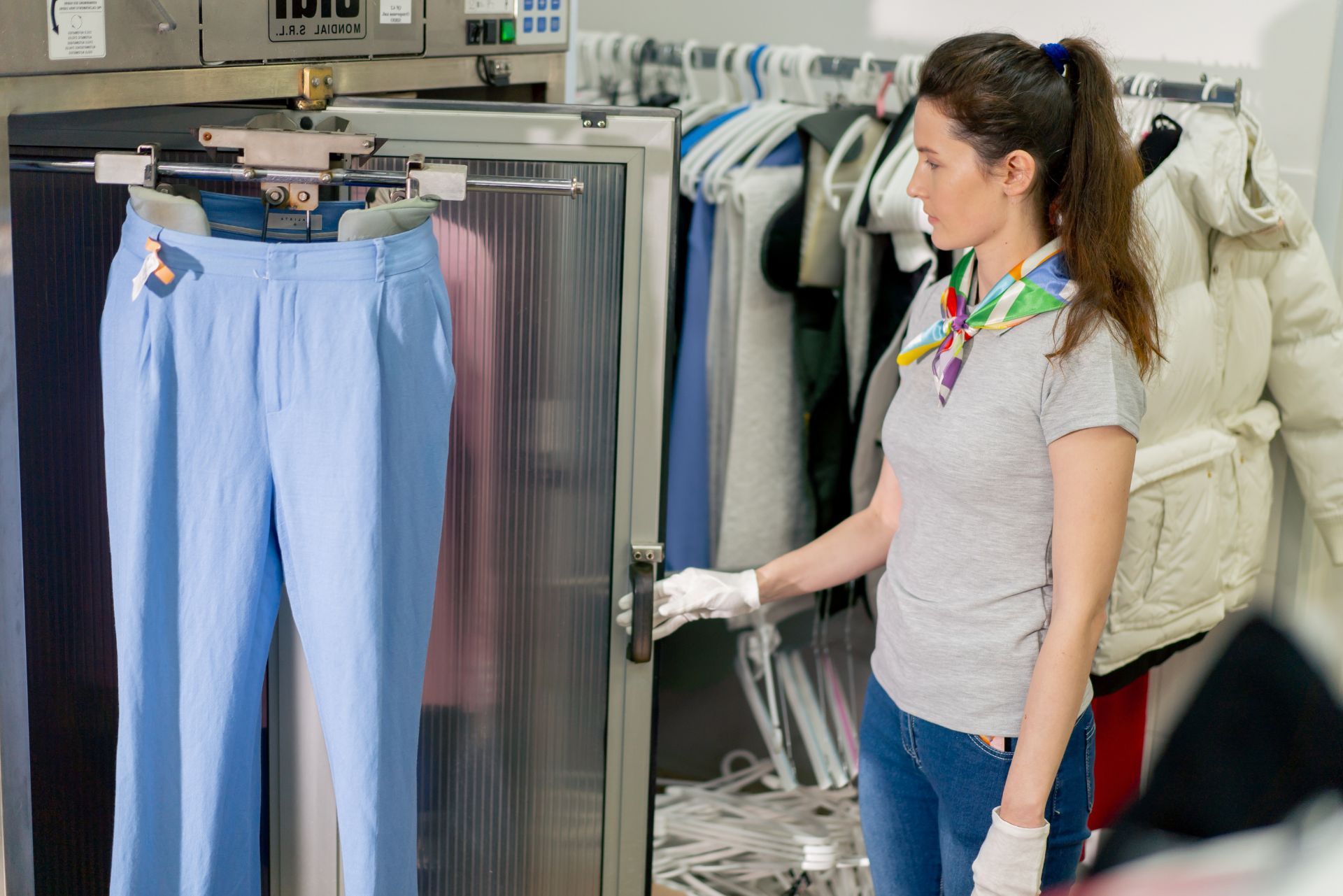
Most Washington dry cleaners do not need a completely custom-built insurance program, but they do need the right combination of core policies tailored to their operations. The mix usually starts with liability and property protection, then expands into coverage for employees, vehicles, and specialized risks like equipment breakdown.
Choosing limits and endorsements is where many owners feel lost. Understanding what each policy actually does makes it much easier to ask focused questions and compare quotes, instead of just accepting a generic package that might leave critical gaps.
General Liability Insurance
General liability is often the first policy dry cleaners buy, because it handles many of the everyday hazards that come with having customers and vendors on site. This coverage responds to claims that a third party was injured or had their property damaged because of the business. Think of a customer who slips on a wet floor or a vendor whose equipment is damaged while being unloaded at the back door.
For a dry cleaner, general liability can also be a backstop if a customer claims bodily injury from a chemical exposure in the store. The policy typically pays for legal defense even if the claim is groundless, which is critical when an accusation alone can be expensive to investigate and resolve. Without this coverage, even a relatively small claim could drain cash reserves that were meant for payroll or rent.
Commercial Property Insurance
Commercial property insurance protects the physical side of the business. That includes the building if it is owned, improvements made to a leased space, and contents such as presses, washers, conveyors, computers, and furniture. It can also be structured to cover customers’ garments while they are in the cleaner’s custody, both on the premises and sometimes in transit.
Fires, water damage from burst pipes, vandalism, and theft are classic property risks for dry cleaners. The challenge is that the replacement cost of specialized equipment can be far higher than owners expect, especially if upgraded models or code upgrades are required. A careful inventory and realistic valuation are essential so that coverage limits match the real cost to rebuild after a large loss.
Business Interruption And Extra Expense Coverage
Property insurance repairs or replaces damaged assets, but it does not automatically replace lost income while a shop is closed. That is where business interruption coverage, also called business income, comes in. It is usually added to a property policy and is triggered when a covered property loss forces a slowdown or shutdown.
Average annual revenue per dry cleaning store in the United States is estimated at about 350,000 dollars, according to industry figures reported by Wifitalents. Losing even a few months of that income without backup could be devastating. Business interruption coverage can help pay ongoing expenses like rent, utilities, and some payroll, while extra expense coverage helps fund temporary moves, outsourced cleaning, or rush equipment rentals to get operations back up faster.
Workers’ Compensation Insurance
Press operators, spotters, counter staff, and drivers all face different on-the-job risks. Workers’ compensation insurance pays for medical bills and a portion of lost wages when employees are injured or become ill due to their work. It also helps protect the business from most employee injury lawsuits that would otherwise arise from those incidents.
The dry cleaning industry employs over 100,000 workers across the United States, according to ZipDo’s analysis of employment data. With that many people working around heat, moving parts, and cleaning agents, injuries are not rare events. Washington requires most employers to carry workers’ compensation coverage, so maintaining an active policy is both a legal obligation and a practical safeguard for staff and owners.
Commercial Auto Insurance
Many Washington dry cleaners have delivery vans, pickup services for corporate accounts, or employees who use personal cars for bank runs and customer visits. Any business-related driving creates auto liability exposure. A standard personal auto policy usually will not cover a claim that happens while the vehicle is being used for work.
Commercial auto insurance can cover vehicles owned by the business, and non-owned auto coverage can be added to protect the company when employees drive their personal cars for work tasks. A serious crash can produce medical claims and property damage far exceeding the value of the vehicle, so liability limits should be chosen with worst case scenarios in mind, not just the cost of replacing a van.
Equipment Breakdown Insurance
Even when a fire or storm never touches the building, a single failed boiler, compressor, or circuit board can shut down production. Equipment breakdown coverage is designed for these internal failures. It can pay to repair or replace damaged machinery and some associated business income loss, even when the cause is an internal mechanical or electrical problem that a standard property policy might not cover.
Dry cleaning machines, presses, and boilers work hard every day and are expected to last many years with proper maintenance. When an unexpected breakdown occurs, this coverage can be the difference between a quick repair and an extended closure while the owner scrambles for funds or financing. Insurers often look favorably on businesses that keep detailed maintenance records, because that history lowers the chance of preventable failures.
Professional Garment Care And Customer Property Coverage
Most dry cleaners offer advice, stain treatment decisions, and care recommendations that go beyond a simple wash. When a customer claims that their garment was ruined due to incorrect handling, a standard liability policy might not fully address what is essentially a professional services dispute. Some insurers offer specialized garment care liability or a professional services endorsement to bridge that gap.
Customer property coverage is closely related. This protection ensures that customers’ items are insured while in the business’s care, custody, or control. Limits should reflect the maximum value of garments that might be on site or in transit at any one time, including seasonal spikes during events and holidays when more formal wear is being cleaned.
Cyber And Data Security Coverage
Fewer dry cleaners rely solely on paper tickets and cash. Point-of-sale systems, card readers, email marketing, and online scheduling all create digital exposure. A stolen laptop or compromised payment system can expose customer data, leading to notification costs, credit monitoring, and potential regulatory issues.
Cyber coverage for a small service business usually focuses on breach response costs, legal defense, and sometimes extortion payments related to ransomware. Even if a dry cleaner feels too small to be a target, attackers often use automated tools that scan many small businesses at once, looking for weak spots. Basic cyber coverage combined with simple security practices can go a long way toward limiting this modern risk.
Key Coverages At A Glance
Putting the main policies side by side can make it easier to see where each one fits and why they work together as a complete safety net.
| Coverage Type | What It Protects | Typical Triggers | Why Dry Cleaners Need It |
|---|---|---|---|
| General Liability | Customer injuries and third party property damage | Slip and fall, damaged customer belongings on premises | High foot traffic and regular handling of customer items |
| Commercial Property | Building, equipment, inventory, improvements | Fire, theft, certain types of water or weather damage | Protects the physical heart of the operation |
| Business Interruption | Lost income and ongoing expenses | Covered property loss that forces a slowdown or closure | Helps keep cash flow steady while repairs are completed |
| Workers’ Compensation | Employee injuries and work related illnesses | Burns, strains, chemical exposure, slips in the plant | Required for most employers and supports injured workers |
| Commercial Auto | Liability and physical damage for business vehicles | Accidents involving owned or sometimes non owned cars | Protects the business when employees drive for work |
| Equipment Breakdown | Critical machinery and systems | Mechanical or electrical failures from internal causes | Helps restart operations quickly after a key machine fails |
| Cyber Liability | Customer data and digital operations | Data breach, hacked payment systems, ransomware | Addresses growing risks tied to electronic payments and records |
How Much Coverage And What It Might Cost
There is no single right limit of insurance for every Washington dry cleaner. A small neighborhood shop with basic equipment and limited delivery routes will need a different setup than a multi-location plant that serves hotels, corporate accounts, and high-end retail. The key is to match limits to realistic worst case scenarios, not just the minimums a landlord or lender requires.
Premiums depend on factors like revenue, payroll, building construction, equipment values, claims history, and safety practices. Insurers also watch trends in the broader commercial insurance market. The average monthly cost of insurance for a commercial building across businesses is projected to rise from 2,726 dollars in 2023 to 4,890 dollars by 2030, according to research from SmartFinancial. That upward pressure makes it even more important to avoid paying for coverage that is unnecessary, while still protecting against the types of losses that could shut the doors.
A productive way to set limits is to walk through a few specific disaster scenarios with a broker or advisor. For example, imagine a total fire loss at the main plant, or a long-term closure after a major water leak, or a serious van accident that injures multiple people. Estimating the costs of each event, from property damage to legal fees to lost business, provides a concrete starting point for selecting liability limits, property values, and business income durations that make sense for that particular operation.
Risk Management Tips Insurers Like To See
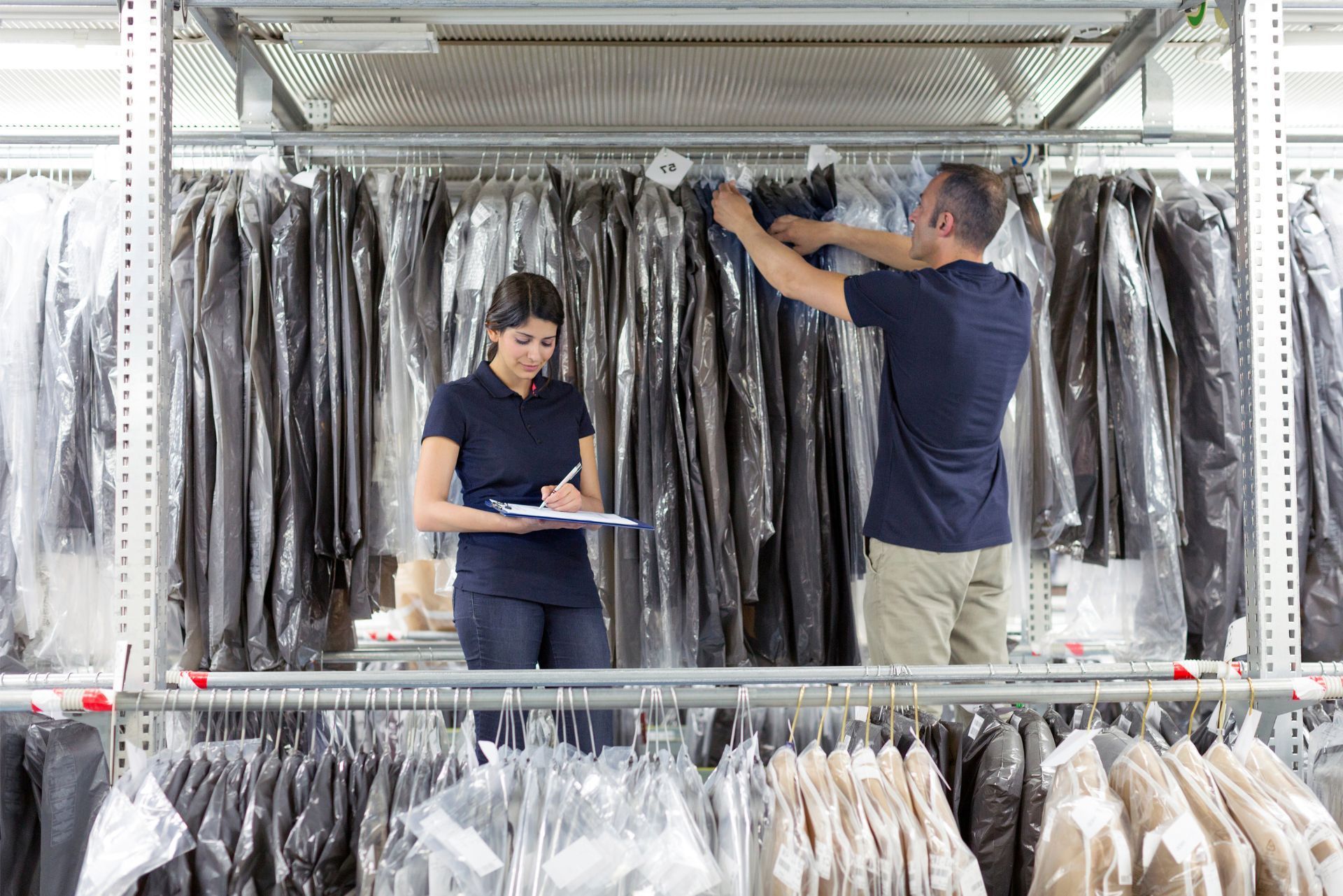
Insurance is only part of the story. Carriers price policies based not just on what could go wrong, but on how well a business is managing those risks. Dry cleaners that invest in safety and loss prevention often see fewer claims and may qualify for better terms or credits, especially over time as a clean track record develops.
Practical steps start with the basics. Clear walkways, non-slip mats, and quick cleanup procedures reduce slip and fall claims. Regular equipment inspections and documented maintenance lower the chances of breakdowns or fires. Careful handling of chemicals, proper storage, and spill response training help control both employee exposure and environmental incidents. Simple measures like labeling containers and maintaining up-to-date safety data sheets can impress both inspectors and underwriters.
Customer facing practices matter too. Written disclaimers, clear ticket language, and consistent policies around damage, loss, and turnaround times help prevent misunderstandings that can turn into disputes. Training staff to document pre-existing garment damage and to communicate honestly about riskier stain treatments can significantly reduce complaints. When customers feel informed and respected, they are less likely to jump straight to legal action if something does go wrong.
Frequently Asked Questions About Insurance For Washington Dry Cleaners
Owners and managers often share similar concerns when they start reviewing or updating their insurance. These brief answers can serve as a starting point before a deeper conversation with a licensed professional who understands Washington regulations and local market conditions.
Do all Washington dry cleaners need workers’ compensation insurance?
Most employers in the state are required to carry workers’ compensation coverage if they have employees. Because dry cleaning work involves heat, machinery, and chemical exposure, going without this protection can create both regulatory problems and major financial risk if an employee is injured.
Is customer clothing covered automatically under my property policy?
Not always. Some policies include basic coverage for property of others, but the limits may be far below the total value of garments in the store or on a delivery route. Many cleaners need a specific customer property endorsement or bailee coverage to insure clothing properly while it is in their care.
What if my dry cleaner operates out of a rented space in a strip mall?
Even when the landlord insures the building, tenants usually must insure their own improvements, equipment, and inventory. Tenants often also agree to carry general liability with certain limits and name the landlord as an additional insured, so reviewing the lease alongside the insurance program is critical.
Does a very small, family-run shop still need cyber coverage?
If the business accepts cards, uses a point-of-sale system, or stores customer data electronically, there is at least some cyber exposure. A modest cyber policy is often affordable and can help cover breach notification, credit monitoring, and legal costs that would be difficult to pay out of pocket.
How often should a Washington dry cleaner review its insurance program?
A yearly review is a practical rhythm for most businesses, with additional check-ins after major changes like new equipment, expanded delivery routes, or a move to a different location. Regular reviews help keep limits, endorsements, and risk management practices aligned with how the business actually operates.
Before You Go
Customer expectations are not standing still. About 70 percent of dry cleaners report significant demand for same day service, according to industry research from ZipDo. Faster turnaround means tighter schedules, more deliveries, and more pressure on machines and staff, all of which can increase the chance of mistakes or accidents if they are not managed carefully.
A thoughtful insurance program does more than satisfy a lease clause or lender requirement. It allows Washington dry cleaner owners to take on new opportunities, invest in better equipment, and offer higher-touch service without constantly worrying that a single mishap could erase years of work. By understanding the main coverages, asking pointed questions, and pairing insurance with smart risk management, dry cleaners can protect both their customers’ garments and their own long-term livelihood.

About The Author:
Jackson Hering
I'm a fourth-generation insurance agent, having learned the business firsthand while working alongside my father. With years of experience passed down through my family, I take pride in combining that legacy knowledge with a modern, client-focused approach. I started my career at a small, family-owned agency and worked my way up, gaining a deep understanding of the industry from the ground up.
Contact Us
Coverage for Everyday Life
Personal Insurance That Works for You
We help individuals and families find coverage that keeps life moving—without overpaying or getting lost in fine print. From auto and home insurance to umbrella and life protection, our licensed team compares options across top-rated carriers to make sure you’re covered the right way, right now.
Auto Insurance
Drive with confidence and coverage that fits your needs.
Home Insurance
Coverage for fire, theft, liability, and more.
Renters Insurance
Affordable protection for your belongings and personal liability.

Boat Insurance
Coverage for watercraft damage, liability, and gear.
Life Insurance
Prepare for the future with term or whole life policies.
Umbrella Insurance
Extra liability protection for life’s bigger risks.
Protect Your Business Without the Guesswork
Business Insurance Built for Stability & Growth
Running a business comes with risk. We help reduce it. Our team builds custom coverage for your needs, including general liability, property, commercial auto, and cyber protection. We’re fast, responsive, and easy to reach—so your insurance is one less thing to worry about.
Industries We Serve
Tailored by Industry
We understand the risks unique to your business—and how to insure against them.
Contractors & Trades
We help contractors protect their tools, vehicles, job sites, and employees with comprehensive insurance solutions. Whether you’re a general contractor, electrician, plumber, or another trade, we provide the coverage you need to keep your projects moving forward safely.
Cannabis Industry
Mosaic specializes in insuring the unique risks of the cannabis industry, including growers, retailers, processors, and delivery services. We understand the compliance challenges you face and work with carriers who can protect every stage of your operation.

Lessor’s Risk (LRO)
If you own a building and lease space to commercial tenants, we help protect your property and liability as a landlord. Our policies safeguard your investment from damages, lawsuits, and other risks that come with leasing commercial real estate.
Frequently Asked Questions
Quick Answers. Trusted Support.
Insurance doesn’t have to be confusing. We’re here to make everything clear, helpful, and hassle-free.
What states is Mosaic Insurance licensed in?
Mosaic is licensed in more than 10 states, including Washington, Oregon, Arizona, California, Texas, Colorado, and more. Our team can help you whether you live locally in WA or operate across multiple state lines.
We’re especially well-equipped to help clients with multi-state businesses, real estate portfolios, or cannabis operations that need compliance-ready coverage in various jurisdictions.
Can I get quotes from multiple carriers through Mosaic?
Yes. As an independent agency, we partner with a wide range of top-rated insurance carriers. That means you’re not locked into just one company’s pricing or coverage limitations.
Our advisors compare quotes for you, break down the differences, and help you choose the plan that fits best—no pressure, just honest advice.
Does Mosaic offer cannabis insurance, and who qualifies?
Absolutely. Mosaic is one of the few agencies with deep experience in cannabis insurance. We offer coverage for dispensaries, cultivators, delivery services, manufacturers, and labs.
If you're in a licensed state and need coverage that meets regulatory requirements, we can help set you up with carriers who understand the cannabis industry’s unique risks.
What can I do through the client portal?
You can use our 24/7 client portal to request policy changes, submit certificates of insurance, and manage your billing. It’s easy to use and always available.
This helps speed up business tasks and gives you full access to your coverage—even outside of regular office hours.
What should I expect after requesting a quote?
Once you request a quote, our team will reach out to gather a few key details. From there, we shop coverage with multiple carriers and return with clear, personalized options.
We make it easy to compare policies, ask questions, and finalize your protection—usually in 24–48 hours.
Can Mosaic help me file a claim?
Yes. Whether it’s an auto accident, property damage, or business-related issue, we’re here to guide you through the claims process. Our team can explain your coverage, contact the carrier, and help get things moving quickly.
We’re your advocate—before, during, and after a claim. You don’t have to go it alone.
Tips, News & Insights
Explore Our Blog