
Top 3 Recommended Policies

By: Jackson Hering
Licensed Personal Insurance Specialist
425-409-2497
A single lawsuit from a job site injury can wipe out years of profit for a Washington contractor. One misplaced ladder, one damaged water line, one client who trips over materials in their own driveway: these scenarios happen daily across the state. Understanding Washington home contractor liability insurance isn't just about checking a regulatory box. It's about protecting the business you've built from risks that are often invisible until they become catastrophic.
Washington state takes contractor accountability seriously. The Department of Labor & Industries maintains strict registration requirements, and operating without proper coverage can result in fines, license suspension, and personal liability exposure. Whether you're a general contractor managing large residential builds or a specialty tradesperson focused on electrical or plumbing work, the insurance landscape here has specific requirements you need to understand. This guide breaks down what Washington contractors need to know about liability coverage, from state minimums to the practical differences between insurance policies and surety bonds.
Washington State Contractor Insurance Requirements
Washington requires all contractors to register with the Department of Labor & Industries before performing any work. This registration isn't optional, and it comes with specific insurance mandates that vary based on your contractor classification.
L&I Registration and the $250,000 Minimum
Every registered contractor in Washington must carry a minimum of $250,000 in liability coverage. This requirement applies regardless of your business size or annual revenue. The state doesn't accept lower limits, and you'll need to provide proof of coverage before your registration becomes active.
Your insurance carrier must file a certificate directly with L&I, and they're required to notify the department if your policy lapses or gets canceled. This creates a real-time verification system that homeowners and general contractors can check before hiring. The $250,000 minimum covers both bodily injury and property damage claims, though many contractors carry higher limits based on project requirements or client contracts.
Differences Between General and Specialty Contractors
General contractors typically need broader coverage because they oversee entire projects and coordinate multiple subcontractors. Your liability exposure increases with project scope, and many clients require $1 million or $2 million in coverage before they'll sign contracts.
Specialty contractors: electricians, plumbers, roofers, and similar trades, face different risk profiles. An electrician's exposure centers on fire and shock hazards, while a plumber's primary risks involve water damage. Insurance carriers price policies based on these trade-specific risks, and specialty contractors often pay different rates than general contractors even with identical coverage limits.

What General Liability Insurance Covers for WA Contractors
General liability insurance protects your business from claims arising from your work operations. The coverage extends beyond simple accidents to include several distinct categories of risk.
Third-Party Bodily Injury and Property Damage
If a client, visitor, or passerby gets injured at your job site, general liability covers their medical expenses and any resulting legal claims. This includes situations where someone trips over your equipment, gets hit by falling debris, or suffers any injury connected to your work activities.
Property damage coverage kicks in when your operations damage someone else's belongings or structure. You accidentally break a window while installing siding. Your equipment scratches a hardwood floor. A subcontractor backs into the client's fence. These claims happen frequently, and without coverage, you'd pay out of pocket for repairs and potential lawsuits.
Completed Operations and Products Coverage
Completed operations coverage protects you after you finish a job and leave the site. If a deck you built three months ago collapses, or a bathroom you remodeled develops mold due to improper waterproofing, this coverage responds to those claims.
Products coverage applies if you sell or install materials that later cause damage. A light fixture you installed causes a fire due to a manufacturing defect. The coverage helps defend against claims even when the underlying product wasn't your fault.
Legal Defense Costs and Settlements
Lawsuits cost money even when you've done nothing wrong. General liability policies cover your legal defense costs, including attorney fees, court costs, and expert witnesses. These expenses accumulate quickly, and a single contested claim can generate $50,000 or more in legal fees before any settlement.
Your policy also covers settlements and judgments up to your coverage limits. If a jury awards a claimant $175,000 and you carry $250,000 in coverage, your insurance pays the award. You'd only face personal exposure if damages exceed your policy limits.
Distinguishing Between Liability Insurance and Surety Bonds
Washington requires contractors to maintain both liability insurance and a surety bond. Many contractors confuse these two requirements, but they serve entirely different purposes and protect different parties.
Who the Policy Protects: Contractor vs. Consumer
Liability insurance protects you, the contractor. When claims arise, your insurance company defends you and pays settlements on your behalf. The policy exists to shield your business assets from lawsuit judgments.
Surety bonds protect consumers. Washington requires a contractor bond ranging from $12,000 to $30,000 depending on your contractor type. If you abandon a project, perform defective work, or violate your contract, homeowners can file claims against your bond to recover their losses.
| Feature | General Liability Insurance | Surety Bond |
|---|---|---|
| Protects | Contractor's business | Homeowner/consumer |
| Covers | Accidents, injuries, property damage | Contract violations, poor workmanship |
| WA Minimum | $250,000 | $12,000-$30,000 |
| Natural Disaster Zones | Insurance company | Bonding company (contractor repays) |
Payout Mechanisms and Repayment Obligations
When your liability insurance pays a claim, that's the end of your financial obligation. You've paid your premiums, and the insurer handles the rest. Your rates might increase at renewal, but you don't owe the insurance company for claims they've paid.
Surety bonds work differently. The bonding company pays valid claims to consumers, then turns around and demands repayment from you. Bonds function more like credit than insurance. Every dollar the bonding company pays out becomes a debt you owe them, often with interest and collection costs added.

Your liability insurance costs depend on multiple factors that carriers weigh when calculating your risk profile. Understanding these factors helps you manage costs and anticipate rate changes.
Business Size, Payroll, and Annual Revenue
Carriers use payroll and revenue as proxies for exposure. A contractor with $500,000 in annual payroll has more employees on job sites, which means more opportunities for accidents. Similarly, higher revenue typically correlates with larger projects and greater liability exposure.
Most policies calculate premiums based on estimated annual figures, then adjust at year-end based on actual numbers. If your business grows significantly mid-policy, expect an additional premium charge when the carrier audits your books.
Risk Level of Specific Trades and Services
Roofing contractors pay significantly more than interior painters because falls from heights generate severe injuries and large claims. Electrical contractors face fire risks. Excavation contractors can damage underground utilities.
Carriers maintain classification codes for different trades, each with its own rate per $1,000 of revenue or payroll. A roofing contractor might pay $15 per $1,000, while a flooring installer pays $4. Your specific services determine which classifications apply to your policy.
How Homeowners Verify a Contractor's Insurance Status
Smart homeowners verify insurance before signing contracts. Washington provides tools that make this verification straightforward.
Using the WA Department of Labor & Industries Tool
The L&I contractor verification tool lets anyone search by contractor name, license number, or UBI number. The database shows current registration status, bond information, and whether the contractor maintains required insurance coverage.
This tool updates when insurance carriers report policy changes, so a lapsed policy typically shows within days. Homeowners should check this database before making final hiring decisions, and contractors should verify their own listing shows accurate information.
Requesting and Reading a Certificate of Insurance (COI)
A Certificate of Insurance provides detailed coverage information beyond what the L&I database shows. Request a COI directly from the contractor, and verify it lists adequate coverage limits, current effective dates, and your name or address as the certificate holder.
Check that the policy type matches general liability, not just workers' compensation. Verify the carrier is licensed in Washington. Call the carrier directly if anything seems questionable: certificates can be altered, but a quick phone call confirms actual coverage.
Working without proper insurance exposes you to risks that can end your business permanently. Washington imposes civil penalties up to $5,000 per violation for unregistered or improperly insured contractors. Repeat violations can result in criminal charges.
Beyond regulatory penalties, you face unlimited personal liability for any claims that arise. A serious injury on your job site could result in a judgment that takes your home, vehicles, savings, and future earnings. The $250,000 minimum exists because claims regularly reach that level: major injuries and significant property damage don't respect your business budget.
Homeowners can also void contracts with uninsured contractors and recover all payments made. Your reputation suffers when clients discover you've been operating outside legal requirements, and referrals dry up quickly in tight-knit communities.
Frequently Asked Questions
Does my general liability policy cover employee injuries? No. Employee injuries require workers' compensation insurance, which is separate from general liability. Washington mandates workers' comp for most contractors with employees.
Can I get insurance with a poor claims history? Yes, though you'll pay higher premiums. Some carriers specialize in contractors with claims history, and your rates typically improve after three to five claim-free years.
What happens if my insurance lapses between jobs? Your L&I registration becomes invalid, and you cannot legally perform work until coverage is restored. Even brief lapses can trigger penalties and create gaps in your coverage history.
Do I need additional coverage for commercial projects? Most commercial clients require $1 million or $2 million in coverage, plus additional insured endorsements. Check contract requirements before bidding commercial work.
How quickly can I get coverage as a new contractor? Most carriers can bind coverage within 24 to 48 hours once you complete an application. The L&I registration process takes additional time after your insurance is in place.
Making the Right Coverage Decision
Liability insurance isn't where you cut corners. The $250,000 state minimum provides baseline protection, but many Washington contractors carry $1 million or more based on their project types and client requirements. Talk with an insurance agent who understands construction risks, review your coverage annually, and increase limits as your business grows. The premium difference between adequate coverage and bare-minimum protection is often smaller than contractors expect, and the peace of mind is worth every dollar.

About The Author:
Jackson Hering
I'm a fourth-generation insurance agent, having learned the business firsthand while working alongside my father. With years of experience passed down through my family, I take pride in combining that legacy knowledge with a modern, client-focused approach. I started my career at a small, family-owned agency and worked my way up, gaining a deep understanding of the industry from the ground up.
Contact Us
Coverage for Everyday Life
Personal Insurance That Works for You
We help individuals and families find coverage that keeps life moving—without overpaying or getting lost in fine print. From auto and home insurance to umbrella and life protection, our licensed team compares options across top-rated carriers to make sure you’re covered the right way, right now.
Auto Insurance
Drive with confidence and coverage that fits your needs.
Home Insurance
Coverage for fire, theft, liability, and more.
Renters Insurance
Affordable protection for your belongings and personal liability.

Boat Insurance
Coverage for watercraft damage, liability, and gear.
Life Insurance
Prepare for the future with term or whole life policies.
Umbrella Insurance
Extra liability protection for life’s bigger risks.
Protect Your Business Without the Guesswork
Business Insurance Built for Stability & Growth
Running a business comes with risk. We help reduce it. Our team builds custom coverage for your needs, including general liability, property, commercial auto, and cyber protection. We’re fast, responsive, and easy to reach—so your insurance is one less thing to worry about.
Industries We Serve
Tailored by Industry
We understand the risks unique to your business—and how to insure against them.
Contractors & Trades
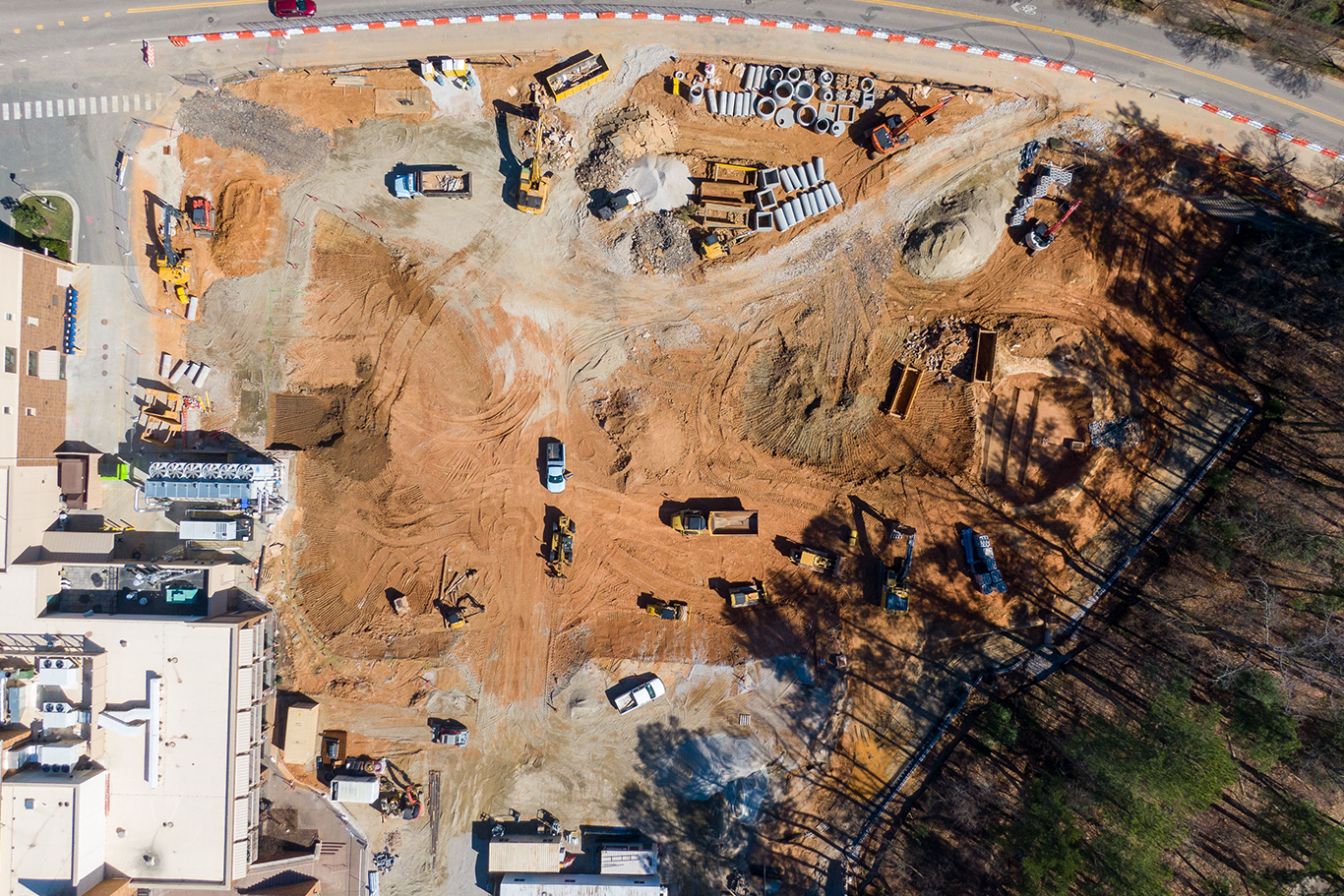
We help contractors protect their tools, vehicles, job sites, and employees with comprehensive insurance solutions. Whether you’re a general contractor, electrician, plumber, or another trade, we provide the coverage you need to keep your projects moving forward safely.
Cannabis Industry
Mosaic specializes in insuring the unique risks of the cannabis industry, including growers, retailers, processors, and delivery services. We understand the compliance challenges you face and work with carriers who can protect every stage of your operation.


Lessor’s Risk (LRO)
If you own a building and lease space to commercial tenants, we help protect your property and liability as a landlord. Our policies safeguard your investment from damages, lawsuits, and other risks that come with leasing commercial real estate.

Frequently Asked Questions
Quick Answers. Trusted Support.
Insurance doesn’t have to be confusing. We’re here to make everything clear, helpful, and hassle-free.
What states is Mosaic Insurance licensed in?
Mosaic is licensed in more than 10 states, including Washington, Oregon, Arizona, California, Texas, Colorado, and more. Our team can help you whether you live locally in WA or operate across multiple state lines.
We’re especially well-equipped to help clients with multi-state businesses, real estate portfolios, or cannabis operations that need compliance-ready coverage in various jurisdictions.
Can I get quotes from multiple carriers through Mosaic?
Yes. As an independent agency, we partner with a wide range of top-rated insurance carriers. That means you’re not locked into just one company’s pricing or coverage limitations.
Our advisors compare quotes for you, break down the differences, and help you choose the plan that fits best—no pressure, just honest advice.
Does Mosaic offer cannabis insurance, and who qualifies?
Absolutely. Mosaic is one of the few agencies with deep experience in cannabis insurance. We offer coverage for dispensaries, cultivators, delivery services, manufacturers, and labs.
If you're in a licensed state and need coverage that meets regulatory requirements, we can help set you up with carriers who understand the cannabis industry’s unique risks.
What can I do through the client portal?
You can use our 24/7 client portal to request policy changes, submit certificates of insurance, and manage your billing. It’s easy to use and always available.
This helps speed up business tasks and gives you full access to your coverage—even outside of regular office hours.
What should I expect after requesting a quote?
Once you request a quote, our team will reach out to gather a few key details. From there, we shop coverage with multiple carriers and return with clear, personalized options.
We make it easy to compare policies, ask questions, and finalize your protection—usually in 24–48 hours.
Can Mosaic help me file a claim?
Yes. Whether it’s an auto accident, property damage, or business-related issue, we’re here to guide you through the claims process. Our team can explain your coverage, contact the carrier, and help get things moving quickly.
We’re your advocate—before, during, and after a claim. You don’t have to go it alone.
Tips, News & Insights
Explore Our Blog