
Top 3 Recommended Policies

By: Jackson Hering
Licensed Personal Insurance Specialist
425-409-2497
A single miswired circuit can spark a fire that destroys a client's home. A faulty panel installation might electrocute a homeowner months after you've moved on to other projects. These aren't hypothetical scenarios: they're the kinds of claims that can bankrupt an electrical contracting business overnight. Understanding Washington electrical contractor insurance isn't just about checking a compliance box. It's about building a financial safety net that keeps your business running when things go wrong.
Washington state holds electrical contractors to strict licensing and insurance standards, and for good reason. The risks inherent to electrical work demand proper coverage. From the moment you pull a permit to the day you close out a job, you're exposed to liability that extends far beyond the work itself. Your tools, your vehicles, your employees, and your professional reputation all require protection. Getting this coverage right means understanding what Washington requires, what your specific operations need, and how to secure policies that actually pay out when you file a claim.
Washington State Licensing and Insurance Requirements
Washington's Department of Labor & Industries oversees electrical contractor licensing, and their requirements go beyond a simple registration fee. Before you can legally perform electrical work in the state, you'll need to demonstrate financial responsibility through bonding and insurance. These requirements exist to protect consumers and ensure contractors can stand behind their work.
L&I Surety Bond vs. Liability Insurance
Many contractors confuse surety bonds with liability insurance, but they serve completely different purposes. A surety bond protects your customers: if you abandon a job or perform defective work, the bond provides a financial guarantee that the customer can recover damages. Washington requires electrical contractors to maintain a $6,000 surety bond with L&I.
Liability insurance, on the other hand, protects your business. When a third party suffers property damage or bodily injury because of your work, your general liability policy responds. The surety bond won't cover a lawsuit from a homeowner whose garage burned down due to faulty wiring. That's what your liability insurance handles.
Think of it this way: the bond is your promise to customers that you'll complete work properly. Insurance is your protection when accidents happen despite your best efforts.
Minimum Coverage Limits for Electrical Contractors
Washington doesn't mandate specific liability insurance limits for electrical contractors at the state level, but that doesn't mean you can skip coverage. Most general contractors and commercial clients require you to carry at least $1 million per occurrence and $2 million aggregate in general liability coverage before they'll hire you as a subcontractor.
Many electrical contractors find these minimums insufficient. A serious injury claim or major property damage incident can easily exceed $1 million. Contractors working on larger commercial projects or government contracts often need $5 million or more in coverage. Your insurance limits should reflect your actual risk exposure, not just the minimum someone requires.

Core Insurance Policies for Electrical Businesses
Building a comprehensive insurance program requires layering multiple policies together. Each coverage type addresses specific risks, and gaps between policies can leave you exposed.
General Liability for Property Damage and Bodily Injury
General liability insurance forms the foundation of your coverage program. This policy responds when your work causes property damage to a client's building, when a visitor trips over your equipment at a job site, or when your operations cause injury to someone not employed by your company.
For electrical contractors, completed operations coverage within your GL policy deserves special attention. This coverage protects you after you've finished a job. If wiring you installed two years ago causes a fire, your completed operations coverage responds. Some policies limit this coverage or exclude certain types of electrical work. Review your policy carefully and ask your agent specifically about completed operations limits.
Workers' Compensation through Washington State Fund
Washington operates as a monopolistic state fund for workers' compensation. This means you must purchase your workers' comp coverage through the Washington State Fund administered by L&I: you can't buy it from private insurers. Every employer with workers in Washington must maintain this coverage, with very limited exceptions.
The premiums you pay depend on your classification code and your experience modification rate. Electrical contractors typically fall under classification codes with higher rates due to the inherent dangers of the work. Your EMR reflects your claims history compared to similar businesses. A lower EMR means lower premiums, while a history of workplace injuries drives your rate up significantly.
Commercial Auto Insurance for Service Vehicles
Your personal auto policy won't cover vehicles used for business purposes. If your employee causes an accident while driving to a job site in a company truck, you need commercial auto insurance to respond. This coverage protects against liability for injuries and property damage, plus covers physical damage to your own vehicles.
Washington requires minimum auto liability limits of $25,000 per person and $50,000 per accident for bodily injury, plus $10,000 for property damage. These minimums are dangerously low for commercial operations. Most contractors carry at least $1 million in combined single limit coverage.
| Coverage Type | What It Protects | Common Limits |
|---|---|---|
| Commercial Auto | Vehicles, driver liability | $1M combined single limit |
| Inland Marine | Tools, equipment, materials | $25K-$500K depending on inventory |
| Installation Floater | Materials being installed | Project value |
Specialized Coverage for Electrical Risks
Beyond the core policies, electrical contractors face unique exposures that require specialized coverage forms.
Professional Liability and Errors & Omissions
General liability covers physical damage and injuries, but what happens when your design work contains errors? If you provide electrical system design services, specify equipment, or offer consulting, professional liability insurance fills a critical gap.
Consider this scenario: you design an electrical system for a commercial building, and your specifications result in undersized wiring that requires complete replacement. No one was injured, and no fire occurred, but the building owner faces $200,000 in remediation costs. Your general liability policy likely excludes this claim because it stems from professional services, not physical work. Professional liability coverage addresses these situations.
Inland Marine Insurance for Tools and Equipment
Your commercial property policy covers equipment at your primary business location, but electrical contractors rarely stay in one place. Inland marine insurance protects your tools, diagnostic equipment, and materials while in transit or at job sites.
A typical electrical contractor might have $50,000 to $150,000 in tools and equipment vulnerable to theft, damage, or loss. Replacing these items out of pocket after a van break-in or job site theft can devastate your cash flow. Inland marine policies are relatively affordable compared to the protection they provide.
Pollution Liability for Hazardous Materials
Electrical work occasionally involves hazardous materials: older buildings may contain asbestos or lead paint disturbed during renovations, and transformers or capacitors might contain PCBs. Standard general liability policies exclude pollution-related claims.
If your work disturbs contaminated materials and triggers a cleanup requirement, pollution liability coverage responds. This coverage isn't necessary for every electrical contractor, but those working on renovation projects in older buildings should seriously consider it.

Understanding what drives your premiums helps you manage costs and make informed decisions about coverage.
Business Size and Annual Revenue
Insurers use your gross revenue as a primary rating factor for general liability coverage. A contractor generating $2 million annually will pay significantly more than one earning $500,000, even if they perform identical work. This makes sense: higher revenue typically means more projects, more exposure, and more potential claims.
Payroll drives your workers' compensation premiums. More employees mean more exposure to workplace injuries. The classification of your workers matters too. Field electricians carry higher rates than office staff because their work involves greater physical risk.
Claims History and Experience Modification Rate
Your claims history follows you. Insurers access databases showing your past claims across all carriers. Multiple claims, even small ones, signal higher risk and result in higher premiums or coverage restrictions.
Your experience modification rate specifically affects workers' compensation costs. An EMR of 1.0 represents average performance. Below 1.0 means you're safer than average and pay less. Above 1.0 means more claims than expected and higher premiums. A contractor with an EMR of 1.3 pays 30% more for workers' comp than one with a 1.0 rating.
Securing the right coverage at competitive rates requires preparation and strategic shopping.
Gathering Documentation for L&I Compliance
Before approaching insurers, organize your documentation. You'll need your L&I contractor license number, federal tax ID, detailed descriptions of your work types, three years of loss runs from previous insurers, payroll records by employee classification, and vehicle schedules for commercial auto.
Having this information ready speeds the quoting process and demonstrates professionalism to underwriters. Incomplete applications delay coverage and may result in higher rates due to uncertainty about your operations.
Comparing Quotes from Local Specialized Brokers
Not all insurance agents understand contractor risks. Seek out brokers who specialize in construction and electrical contractor coverage. These specialists know which carriers offer the best terms for your specific operations and can advocate effectively when claims arise.
Get quotes from at least three different brokers. Compare not just premiums but coverage terms, deductibles, and carrier financial strength. The cheapest policy often provides the weakest protection.
| Coverage Type | Typical Minimum | Recommended for Most Contractors |
|---|---|---|
| General Liability | $1M/$2M | $2M/$4M |
| Commercial Auto | State minimum | $1M combined single limit |
| Inland Marine | Varies | Replacement cost of all tools |
| Professional Liability | $500K | $1M if design services offered |
Frequently Asked Questions
Does my homeowner's insurance cover tools stolen from my work van? No. Personal policies exclude business property. You need inland marine or commercial property coverage for work equipment.
Can I use my personal vehicle for work and keep personal auto insurance? Technically yes, but your personal policy likely excludes business use. Any claim arising from work-related driving could be denied.
How long does completed operations coverage last? Most policies provide coverage for work completed during the policy period, but claims must be reported while coverage remains active. Maintain continuous coverage without gaps.
What happens if I hire a subcontractor without insurance? You become responsible for their liabilities. Always verify subcontractor insurance certificates before they start work.
Do I need pollution coverage for residential electrical work? Probably not for new construction. For renovation work in pre-1980 buildings, strongly consider it due to potential asbestos and lead paint exposure.
Making the Right Choice for Your Business
Protecting your electrical contracting business in Washington requires understanding both state requirements and your actual risk profile. The surety bond gets you licensed, but comprehensive insurance keeps you in business when claims hit. Start with solid general liability and workers' compensation coverage, then layer in commercial auto, inland marine, and specialized coverages based on your operations.
Work with a broker who understands electrical contractor risks and can place your coverage with carriers experienced in construction claims. Review your policies annually as your business grows and your exposure changes. The premium you pay today is far less than the cost of defending an uninsured claim tomorrow.

About The Author:
Jackson Hering
I'm a fourth-generation insurance agent, having learned the business firsthand while working alongside my father. With years of experience passed down through my family, I take pride in combining that legacy knowledge with a modern, client-focused approach. I started my career at a small, family-owned agency and worked my way up, gaining a deep understanding of the industry from the ground up.
Contact Us
Coverage for Everyday Life
Personal Insurance That Works for You
We help individuals and families find coverage that keeps life moving—without overpaying or getting lost in fine print. From auto and home insurance to umbrella and life protection, our licensed team compares options across top-rated carriers to make sure you’re covered the right way, right now.
Auto Insurance
Drive with confidence and coverage that fits your needs.
Home Insurance
Coverage for fire, theft, liability, and more.
Renters Insurance
Affordable protection for your belongings and personal liability.

Boat Insurance
Coverage for watercraft damage, liability, and gear.
Life Insurance
Prepare for the future with term or whole life policies.
Umbrella Insurance
Extra liability protection for life’s bigger risks.
Protect Your Business Without the Guesswork
Business Insurance Built for Stability & Growth
Running a business comes with risk. We help reduce it. Our team builds custom coverage for your needs, including general liability, property, commercial auto, and cyber protection. We’re fast, responsive, and easy to reach—so your insurance is one less thing to worry about.
Industries We Serve
Tailored by Industry
We understand the risks unique to your business—and how to insure against them.
Contractors & Trades
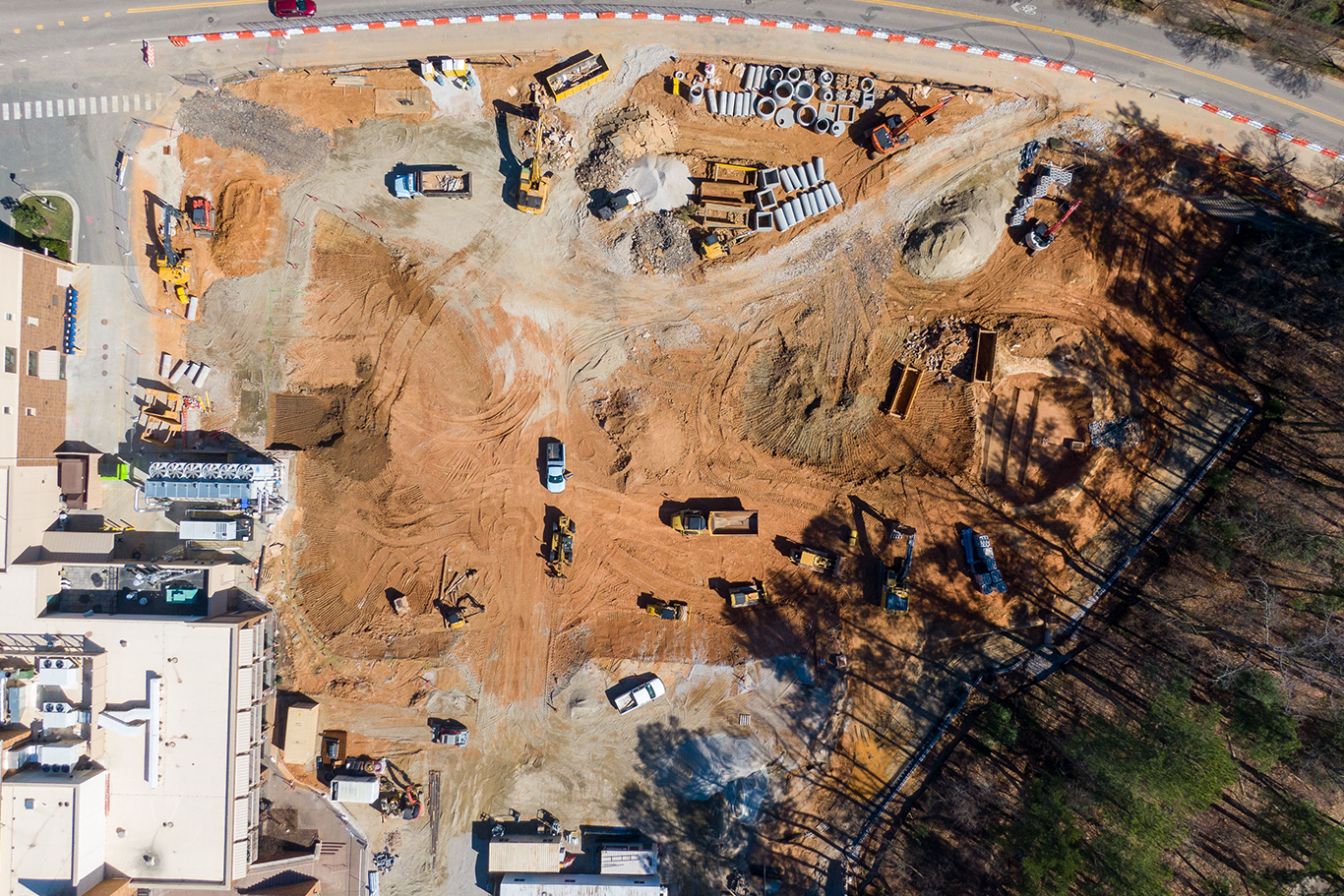
We help contractors protect their tools, vehicles, job sites, and employees with comprehensive insurance solutions. Whether you’re a general contractor, electrician, plumber, or another trade, we provide the coverage you need to keep your projects moving forward safely.
Cannabis Industry
Mosaic specializes in insuring the unique risks of the cannabis industry, including growers, retailers, processors, and delivery services. We understand the compliance challenges you face and work with carriers who can protect every stage of your operation.


Lessor’s Risk (LRO)
If you own a building and lease space to commercial tenants, we help protect your property and liability as a landlord. Our policies safeguard your investment from damages, lawsuits, and other risks that come with leasing commercial real estate.

Frequently Asked Questions
Quick Answers. Trusted Support.
Insurance doesn’t have to be confusing. We’re here to make everything clear, helpful, and hassle-free.
What states is Mosaic Insurance licensed in?
Mosaic is licensed in more than 10 states, including Washington, Oregon, Arizona, California, Texas, Colorado, and more. Our team can help you whether you live locally in WA or operate across multiple state lines.
We’re especially well-equipped to help clients with multi-state businesses, real estate portfolios, or cannabis operations that need compliance-ready coverage in various jurisdictions.
Can I get quotes from multiple carriers through Mosaic?
Yes. As an independent agency, we partner with a wide range of top-rated insurance carriers. That means you’re not locked into just one company’s pricing or coverage limitations.
Our advisors compare quotes for you, break down the differences, and help you choose the plan that fits best—no pressure, just honest advice.
Does Mosaic offer cannabis insurance, and who qualifies?
Absolutely. Mosaic is one of the few agencies with deep experience in cannabis insurance. We offer coverage for dispensaries, cultivators, delivery services, manufacturers, and labs.
If you're in a licensed state and need coverage that meets regulatory requirements, we can help set you up with carriers who understand the cannabis industry’s unique risks.
What can I do through the client portal?
You can use our 24/7 client portal to request policy changes, submit certificates of insurance, and manage your billing. It’s easy to use and always available.
This helps speed up business tasks and gives you full access to your coverage—even outside of regular office hours.
What should I expect after requesting a quote?
Once you request a quote, our team will reach out to gather a few key details. From there, we shop coverage with multiple carriers and return with clear, personalized options.
We make it easy to compare policies, ask questions, and finalize your protection—usually in 24–48 hours.
Can Mosaic help me file a claim?
Yes. Whether it’s an auto accident, property damage, or business-related issue, we’re here to guide you through the claims process. Our team can explain your coverage, contact the carrier, and help get things moving quickly.
We’re your advocate—before, during, and after a claim. You don’t have to go it alone.
Tips, News & Insights
Explore Our Blog