
Top 3 Recommended Policies

By: Jackson Hering
Licensed Personal Insurance Specialist
425-409-2497
A single lawsuit from a worksite injury can wipe out years of profit for a small construction company. In Washington State, where the construction industry generates over $50 billion annually, general contractors face unique regulatory requirements that differ significantly from other states. Understanding Washington general contractor insurance essentials helps small and mid-sized businesses protect their operations while meeting strict state mandates.
Washington's Department of Labor and Industries maintains some of the nation's most rigorous contractor regulations. Missing a registration deadline or carrying inadequate coverage can result in stop-work orders, fines up to $5,000 per violation, and personal liability for company owners. The state's monopolistic workers' compensation system adds another layer of complexity that many out-of-state contractors find surprising.
Your insurance program needs to accomplish two goals: satisfy Washington's legal requirements and protect your business from the real risks you face on job sites. A policy that checks compliance boxes but leaves gaps in coverage isn't doing its job. We've seen contractors who thought they were fully protected discover painful coverage holes after a claim. The difference between adequate and excellent coverage often comes down to understanding which endorsements matter for your specific work and which ones are just expensive add-ons. This guide walks through what Washington contractors actually need, from basic licensing requirements through advanced risk management strategies that can lower your premiums over time.
Washington State Licensing and Insurance Requirements
Washington takes contractor licensing seriously. The state's contractor registration system ties directly to insurance verification, meaning you can't legally operate without meeting specific coverage thresholds.
L&I Registration and Surety Bond Mandates
Every general contractor in Washington must register with the Department of Labor and Industries before performing any work. Registration requires a surety bond, though the amount varies based on your business structure and scope. General contractors typically need a $12,000 bond, while specialty contractors may qualify for a $6,000 bond.
The bond protects consumers and subcontractors if you fail to pay wages, complete work, or meet other contractual obligations. It's not insurance for your business; it's a guarantee that injured parties can recover something if you default. Bond claims affect your ability to renew registration and can increase future bond costs significantly.
Registration renewal happens every two years. L&I cross-references your workers' compensation account status during renewal, so lapses in coverage create registration problems. Many contractors set calendar reminders 90 days before expiration to avoid last-minute scrambles.
Minimum Liability Limits for General Contractors
Washington doesn't mandate specific general liability limits by law, but practical requirements exist through other channels. Most commercial property owners, general contractors hiring subs, and government agencies require minimum limits of $1 million per occurrence and $2 million aggregate.
Public works projects often demand higher limits, sometimes $5 million or more depending on project size. Some Seattle-area commercial projects now require $10 million in coverage. Meeting these requirements through primary policies gets expensive; excess liability or umbrella coverage usually makes more financial sense for contractors who bid on larger projects.

Core Insurance Coverages for SMB Construction Firms
Building the right insurance program means understanding what each coverage actually does and where gaps commonly appear.
General Liability for Property Damage and Bodily Injury
Commercial general liability covers third-party claims for bodily injury and property damage arising from your operations. When a visitor trips over materials on your job site or your crew damages a client's existing structure, CGL responds.
Standard policies include premises liability, products-completed operations coverage, and personal/advertising injury protection. The products-completed operations portion matters enormously for contractors because it covers claims arising after you finish work. A roof leak discovered two years after installation falls under this coverage.
Watch for exclusions in standard forms. Most CGL policies exclude damage to your own work, professional services, and pollution-related claims. These gaps require separate coverage or specific endorsements.
Workers' Compensation and the Washington State Fund
Washington operates a monopolistic state fund for workers' compensation, meaning you can't purchase coverage from private insurers. All coverage goes through L&I's State Fund or through self-insurance programs approved by the state.
Rates vary dramatically by classification code. A framing contractor pays significantly more per $100 of payroll than an office-based project manager. Getting your classifications right matters because incorrect codes can trigger audits and back-premium demands.
The state fund provides solid coverage, but it lacks some flexibility private markets offer. You can't negotiate deductibles or customize policy terms. Your experience modifier, which reflects your claims history compared to similar contractors, directly affects your premium rate.
Commercial Auto and Inland Marine for Tools
Contractor vehicles need commercial auto coverage, not personal policies. Personal auto insurance excludes vehicles used primarily for business, leaving you uninsured when you need coverage most.
Inland marine insurance protects tools, equipment, and materials in transit or stored at job sites. Standard property policies typically exclude items away from your primary business location. A $50,000 tool theft from a job site trailer won't trigger coverage under most commercial property forms without inland marine protection.
| Coverage Type | What It Protects | Common Limits |
|---|---|---|
| Commercial Auto | Vehicles, driver liability | $1M combined single limit |
| Inland Marine | Tools, equipment, materials | $25K-$500K depending on inventory |
| Installation Floater | Materials being installed | Project value |
Managing Risk with Specialized Endorsements
Standard policies leave gaps that specialized endorsements can fill. Knowing which endorsements matter for your work prevents overpaying for unnecessary coverage while avoiding dangerous gaps.
Professional Liability and Errors and Omissions
If you provide design services, project management, or consulting alongside construction work, general liability won't cover claims arising from professional mistakes. A design error that causes structural problems triggers a professional liability claim, not a CGL claim.
Design-build contractors face particular exposure here. The line between construction defects and design errors often determines which policy responds. Carrying both coverages with the same insurer can simplify claims handling when responsibility isn't immediately clear.
Professional liability policies are claims-made rather than occurrence-based. This means you need active coverage when the claim is filed, not just when the work was performed. Contractors who retire or sell their businesses should consider tail coverage to protect against claims arising from past projects.
Pollution and Environmental Liability
Standard CGL policies contain absolute pollution exclusions. Any claim involving pollutants, broadly defined to include common construction materials like solvents, fuels, and even dust, gets denied under standard forms.
Contractors working on renovation projects face lead paint and asbestos exposure. Excavation contractors encounter unknown underground contamination. Even routine operations like concrete washout can trigger pollution claims if runoff enters storm drains.
Contractor's pollution liability fills this gap. Policies can cover both sudden releases and gradual contamination, though gradual coverage costs more. If you work on older buildings or sites with unknown environmental history, this coverage moves from optional to essential.

Your liability doesn't end when you hire subcontractors. Washington courts regularly find general contractors responsible for subcontractor negligence, making certificate verification critical.
Requirements for Additional Insured Status
Requiring additional insured status on subcontractor policies gives you direct rights under their coverage. When a sub's employee injures a third party, the sub's policy responds first, protecting your loss history and limits.
The additional insured endorsement should be ongoing, not project-specific, and should cover both ongoing operations and completed operations. Many standard forms only provide ongoing operations coverage, leaving you exposed to claims arising after project completion.
Get the endorsement itself, not just a certificate stating you're listed. Certificates of insurance are informational documents; they don't grant coverage rights. The actual endorsement attached to the policy is what matters.
Verifying Subcontractor Coverage Compliance
Create a system for tracking subcontractor insurance before they start work. Verify that:
- Policy dates cover your project timeline
- Limits meet your contract requirements
- Your company is listed as additional insured
- Workers' compensation is current with L&I
Automated certificate tracking services can monitor expiration dates and send alerts before coverage lapses. The cost is minimal compared to discovering a gap after an incident.
Insurance costs eat into margins, but cutting coverage to save money creates larger risks. Smarter approaches reduce premiums while maintaining protection.
Safety Programs and Experience Modifier Ratings
Your experience modification rate compares your claims history to similar contractors. A mod below 1.0 means better-than-average performance and lower premiums. A mod above 1.0 increases your costs and can disqualify you from certain projects.
Formal safety programs reduce claim frequency, which improves your mod over time. Washington L&I offers consultation services and safety grants for qualifying contractors. Return-to-work programs that bring injured employees back in modified duty roles reduce claim costs and demonstrate commitment to safety.
Document everything. When auditors or underwriters review your account, written safety policies, training records, and incident reports show you take risk management seriously.
Bundle Policies and Annual Insurance Audits
Packaging multiple coverages with one insurer typically yields 10-15% savings compared to separate policies. A contractor's package policy combining general liability, commercial property, inland marine, and commercial auto simplifies administration and reduces gaps between coverages.
Annual policy audits catch classification errors, outdated coverage limits, and missing endorsements. Your business changes over time; your insurance should change with it. A mid-year review before renewal gives you time to shop alternatives if your current insurer's pricing isn't competitive.
Frequently Asked Questions
How much does general contractor insurance cost in Washington? Small contractors typically pay $3,000-$8,000 annually for a basic package including general liability and commercial auto. Workers' comp adds significantly more depending on your classification codes and payroll.
Can I use out-of-state insurance in Washington? Your insurer must be admitted in Washington to write coverage here. Workers' compensation must come through the state fund regardless of where your company is based.
What happens if my subcontractor doesn't have insurance? You become responsible for their workers' compensation coverage and potentially liable for any claims arising from their work. L&I can assess premiums retroactively.
Do I need insurance for small residential jobs? Yes. Washington's registration and insurance requirements apply regardless of project size. Even handyman-level work requires proper licensing if it exceeds $500.
How often should I review my coverage limits?
Annually at minimum, and whenever you take on significantly larger projects or add new service offerings.
Making Smart Insurance Decisions for Your Business
Building the right insurance program requires balancing compliance requirements against real-world risk exposure. Washington's regulatory environment demands attention to detail, particularly around workers' compensation and contractor registration. The contractors who thrive long-term treat insurance as a risk management tool rather than just a cost of doing business.
Start by meeting minimum requirements, then evaluate where your actual exposures exceed those minimums. Talk with an agent who specializes in construction risks; generalist agents often miss industry-specific coverage needs. Review your program annually, track your experience modifier, and invest in safety programs that reduce claims over time. The premium savings compound, and the protection lets you focus on building your business rather than worrying about the next claim.

About The Author:
Jackson Hering
I'm a fourth-generation insurance agent, having learned the business firsthand while working alongside my father. With years of experience passed down through my family, I take pride in combining that legacy knowledge with a modern, client-focused approach. I started my career at a small, family-owned agency and worked my way up, gaining a deep understanding of the industry from the ground up.
Contact Us
Coverage for Everyday Life
Personal Insurance That Works for You
We help individuals and families find coverage that keeps life moving—without overpaying or getting lost in fine print. From auto and home insurance to umbrella and life protection, our licensed team compares options across top-rated carriers to make sure you’re covered the right way, right now.
Auto Insurance
Drive with confidence and coverage that fits your needs.
Home Insurance
Coverage for fire, theft, liability, and more.
Renters Insurance
Affordable protection for your belongings and personal liability.

Boat Insurance
Coverage for watercraft damage, liability, and gear.
Life Insurance
Prepare for the future with term or whole life policies.
Umbrella Insurance
Extra liability protection for life’s bigger risks.
Protect Your Business Without the Guesswork
Business Insurance Built for Stability & Growth
Running a business comes with risk. We help reduce it. Our team builds custom coverage for your needs, including general liability, property, commercial auto, and cyber protection. We’re fast, responsive, and easy to reach—so your insurance is one less thing to worry about.
Industries We Serve
Tailored by Industry
We understand the risks unique to your business—and how to insure against them.
Contractors & Trades
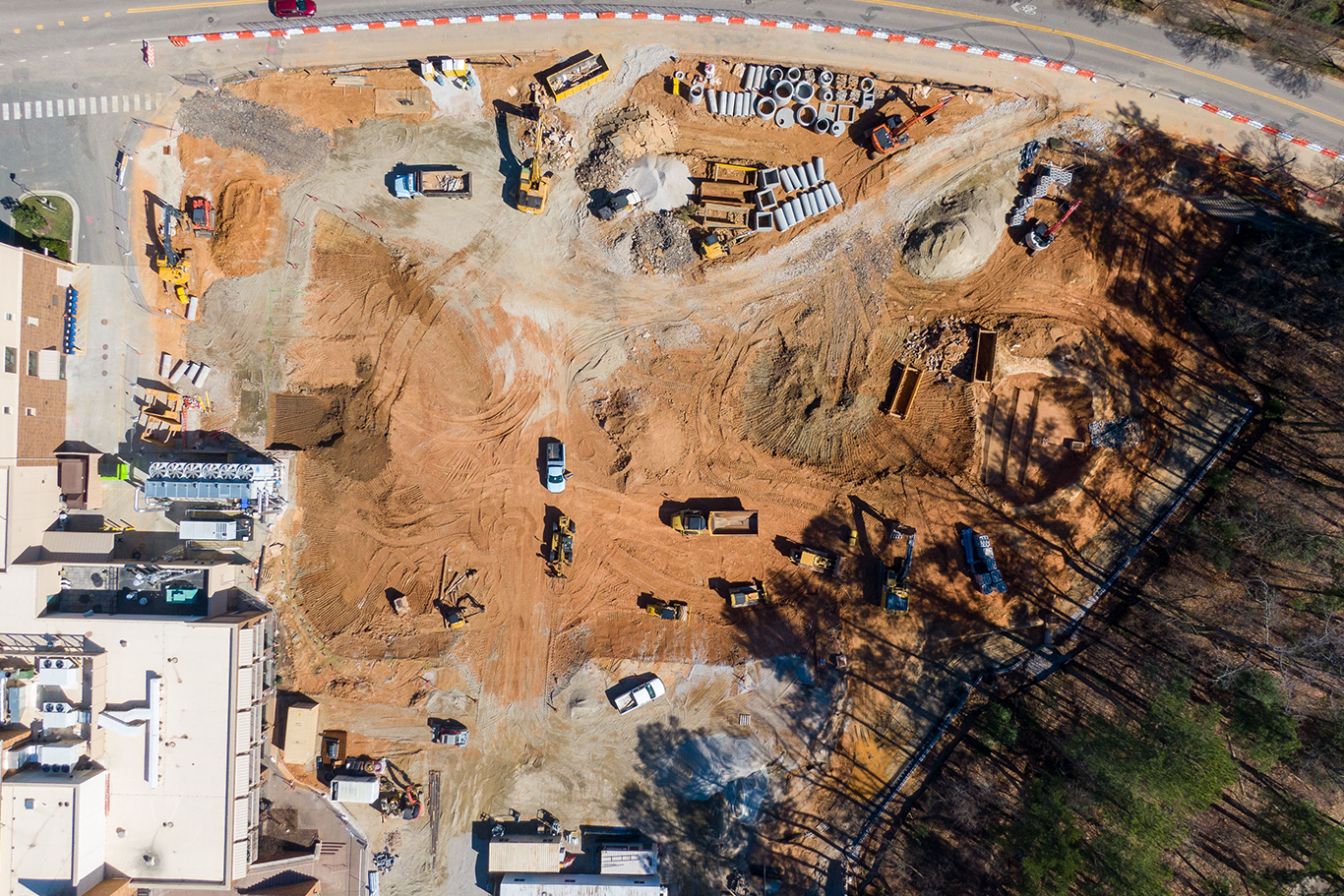
We help contractors protect their tools, vehicles, job sites, and employees with comprehensive insurance solutions. Whether you’re a general contractor, electrician, plumber, or another trade, we provide the coverage you need to keep your projects moving forward safely.
Cannabis Industry
Mosaic specializes in insuring the unique risks of the cannabis industry, including growers, retailers, processors, and delivery services. We understand the compliance challenges you face and work with carriers who can protect every stage of your operation.


Lessor’s Risk (LRO)
If you own a building and lease space to commercial tenants, we help protect your property and liability as a landlord. Our policies safeguard your investment from damages, lawsuits, and other risks that come with leasing commercial real estate.
Frequently Asked Questions
Quick Answers. Trusted Support.
Insurance doesn’t have to be confusing. We’re here to make everything clear, helpful, and hassle-free.
What states is Mosaic Insurance licensed in?
Mosaic is licensed in more than 10 states, including Washington, Oregon, Arizona, California, Texas, Colorado, and more. Our team can help you whether you live locally in WA or operate across multiple state lines.
We’re especially well-equipped to help clients with multi-state businesses, real estate portfolios, or cannabis operations that need compliance-ready coverage in various jurisdictions.
Can I get quotes from multiple carriers through Mosaic?
Yes. As an independent agency, we partner with a wide range of top-rated insurance carriers. That means you’re not locked into just one company’s pricing or coverage limitations.
Our advisors compare quotes for you, break down the differences, and help you choose the plan that fits best—no pressure, just honest advice.
Does Mosaic offer cannabis insurance, and who qualifies?
Absolutely. Mosaic is one of the few agencies with deep experience in cannabis insurance. We offer coverage for dispensaries, cultivators, delivery services, manufacturers, and labs.
If you're in a licensed state and need coverage that meets regulatory requirements, we can help set you up with carriers who understand the cannabis industry’s unique risks.
What can I do through the client portal?
You can use our 24/7 client portal to request policy changes, submit certificates of insurance, and manage your billing. It’s easy to use and always available.
This helps speed up business tasks and gives you full access to your coverage—even outside of regular office hours.
What should I expect after requesting a quote?
Once you request a quote, our team will reach out to gather a few key details. From there, we shop coverage with multiple carriers and return with clear, personalized options.
We make it easy to compare policies, ask questions, and finalize your protection—usually in 24–48 hours.
Can Mosaic help me file a claim?
Yes. Whether it’s an auto accident, property damage, or business-related issue, we’re here to guide you through the claims process. Our team can explain your coverage, contact the carrier, and help get things moving quickly.
We’re your advocate—before, during, and after a claim. You don’t have to go it alone.
Tips, News & Insights
Explore Our Blog