
Top 3 Recommended Policies

By: Jackson Hering
Licensed Personal Insurance Specialist
425-409-2497
A single ladder slip on a wet Seattle rooftop can cost your business $150,000 or more. That's not hypothetical: it's the reality Washington roofing contractors face every time a crew climbs onto a structure. The Pacific Northwest presents unique challenges, from moss-covered shingles in Olympia to ice-damaged commercial buildings in Spokane. Understanding your insurance requirements isn't just about compliance; it's about protecting the business you've built.
This Washington roofing contractor insurance coverage and cost overview breaks down what you actually need, what it costs, and where contractors commonly get burned. Whether you're a one-person operation in Tacoma or running crews across King County, the right coverage structure makes the difference between surviving a claim and closing your doors. Washington's regulatory environment is stricter than most states, and the Department of Labor & Industries doesn't offer much flexibility for contractors who cut corners on coverage.
The roofing trade carries some of the highest
insurance costs in construction. Your premiums reflect real risk: falls, property damage, and equipment theft happen regularly. But understanding how insurers calculate your rates gives you leverage to control costs while maintaining protection that actually works when you need it.
Essential Roofing Insurance Requirements in Washington State
Washington requires more from contractors than most states. You can't legally operate without meeting specific bonding and insurance thresholds, and the enforcement has teeth. L&I actively investigates complaints and conducts jobsite inspections.
Washington Department of Labor & Industries Contractor Bonds
Every registered contractor in Washington must carry a surety bond. For general contractors, including roofers, the minimum is $12,000. This bond protects homeowners if you abandon a project, perform defective work, or violate your contract. It's not insurance for you; it's a guarantee for your customers.
The bond requirement increases based on your business structure and specialty. Some municipalities require additional bonds for permit work. Seattle, for example, has separate bonding requirements for certain project types. Your surety company evaluates your credit, experience, and financial stability before issuing coverage. New contractors with limited credit history often pay higher bond premiums or need to provide collateral.
General Liability Coverage for Roofing Professionals
General liability insurance protects you when your work damages someone else's property or injures a third party. Washington doesn't mandate a specific coverage amount, but most commercial clients and general contractors require $1 million per occurrence and $2 million aggregate as minimums. Many larger projects demand $5 million or more.
For roofers, GL coverage addresses scenarios like a dropped tool damaging a homeowner's car, debris injuring a pedestrian, or water intrusion from improper flashing installation. Your policy should specifically cover roofing operations, as some carriers exclude high-risk trades or charge substantial additional premiums.
Workers' Compensation Laws for Roofing Crews
Washington operates a monopolistic state fund for workers' compensation. You must purchase coverage through L&I or qualify as a self-insured employer, which requires substantial financial reserves most small contractors can't meet. Private workers' comp policies aren't an option here.
Roofing carries classification code 0507, one of the highest-rated categories in the state. Your premium is calculated per hour worked, not per employee. Current base rates run approximately $3.50 to $4.50 per hour worked, though your experience modifier can push this significantly higher or lower. Failing to carry workers' comp exposes you to personal liability for injuries and criminal penalties.
Key Coverage Types for Residential and Commercial Projects
Beyond the state minimums, several coverage types address risks specific to roofing operations. Gaps in your policy structure create exposure that can devastate your business.
Property Damage and Third-Party Injury Protection
Your general liability policy handles most property damage and injury claims, but the details matter. Standard policies often exclude damage to the property you're working on, known as "your work" exclusions. If your crew installs shingles incorrectly and water damages the home's interior, your basic GL policy might not cover the interior damage repairs.
Third-party injury protection extends beyond your employees to anyone affected by your operations. A delivery driver slipping on debris you left in a driveway, a neighbor's child injured by unsecured materials: these scenarios fall under your liability coverage. Review your policy's per-occurrence limits against realistic worst-case scenarios for your typical projects.
Completed Operations and Product Liability
Completed operations coverage protects you after you've finished a job and left the site. Roofing defects often don't appear for months or years. A poorly sealed penetration might not leak until the first heavy rain season. Without completed operations coverage, claims arising after project completion aren't covered.
Product liability addresses defects in materials you install. If a shingle manufacturer's product fails prematurely, you could face claims even though you installed it correctly. Most GL policies include product liability, but verify your coverage limits apply to both operations and products.
Inland Marine Insurance for Tools and Equipment
Your commercial property policy typically covers equipment at your business location, but roofing tools spend most of their time on jobsites or in transit. Inland marine insurance fills this gap, covering tools, equipment, and materials wherever they're located.
| Coverage Type | What It Protects | Typical Limits |
|---|---|---|
| Contractors Equipment | Owned tools and machinery | $25,000 - $500,000 |
| Installation Floater | Materials during installation | Project value |
| Tools Floater | Hand and power tools | $5,000 - $50,000 |
Theft from work trucks and jobsites happens constantly. A single break-in can cost $10,000 or more in replacement tools and lost productivity. Inland marine premiums typically run 1-3% of the covered value annually.
Factors Influencing Roofing Insurance Costs in the PNW
Insurance companies don't price roofing policies arbitrarily. Understanding their risk assessment helps you manage costs strategically.
Risk Assessment for High-Slope and Multi-Story Projects
Insurers evaluate your typical project profile when setting rates. Contractors who primarily work on single-story residential re-roofs pay less than those handling steep-slope commercial buildings. The fall exposure difference is substantial.
Multi-story work, particularly on buildings over three stories, often requires additional coverage or higher limits. Some carriers won't write policies for contractors who regularly work above certain heights. If you're expanding into commercial or multi-family work, discuss this with your agent before bidding projects.
Claims History and Experience Modifier Rates
Your experience modification rate, or EMR, directly impacts workers' comp premiums. An EMR of 1.0 represents average claims history. Below 1.0, you pay less than the base rate. Above 1.0, you pay more. A single serious injury can push your EMR above 1.5, nearly doubling your workers' comp costs for three years.
General liability pricing also reflects claims history. Carriers share loss data through industry databases. Even if you switch insurers, your claims follow you. Implementing genuine safety programs and documenting your efforts helps control both claims frequency and premium increases.
Roofing insurance costs vary significantly based on revenue, payroll, and risk profile. Here's what Washington contractors typically pay:
| Coverage Type | Annual Premium Range | Key Cost Drivers |
|---|---|---|
| General Liability | $4,000 - $15,000 | Revenue, project types |
| Workers' Compensation | $15,000 - $60,000 | Payroll, EMR |
| Commercial Auto | $3,000 - $8,000 | Fleet size, driver records |
| Inland Marine | $500 - $3,000 | Equipment value |
A typical three-person roofing crew with $500,000 in annual revenue might pay $25,000 to $40,000 total for comprehensive coverage. Larger operations with multiple crews can easily exceed $100,000 annually. Budget 5-8% of revenue for insurance costs when pricing jobs.
Hiring an uninsured or underinsured roofer creates serious financial exposure for property owners. Washington provides tools to verify contractor credentials.
How to Use the L&I Verify a Tool
The Department of Labor & Industries maintains a public contractor verification database at lni.wa.gov. Enter a contractor's name or license number to confirm active registration, bond status, and workers' comp coverage. The database updates regularly but may lag a few days behind actual status changes.
Check for active status on all three components: registration, bond, and workers' comp. A contractor might maintain registration while allowing their bond or workers' comp to lapse. Request certificates of insurance directly from contractors and verify the policy is current by contacting the insurer.
Risks of Hiring Uninsured or Underinsured Contractors
If an uninsured worker is injured on your property, you could face liability claims under premises liability theories. Washington courts have held property owners partially responsible when they hire contractors without verifying coverage.
Property damage from uninsured contractors leaves you pursuing claims against individuals who likely lack assets to pay judgments. Your homeowner's policy may exclude damage caused by contractors. The few hundred dollars saved hiring an uninsured contractor can easily become tens of thousands in uncompensated losses.
When damage occurs, how you handle the claim affects both the outcome and your future insurability. Document everything immediately: photos, videos, witness statements, and written descriptions. Notify your insurer promptly, as most policies require notification within specific timeframes.
For workers' comp claims, you must file with L&I within specific deadlines. Encourage injured employees to seek treatment immediately and complete required paperwork accurately. Disputed claims cost more in the long run than properly managed legitimate claims.
Property damage claims require detailed documentation of the damage, your work, and any contributing factors. Cooperate with adjusters but don't admit fault or speculate about causes. Your insurance agent can guide you through the process and advocate on your behalf.
Frequently Asked Questions
How much does roofing insurance cost per month in Washington? Most contractors pay $2,000 to $5,000 monthly for comprehensive coverage, depending on crew size and revenue.
Can I work as a roofer without workers' comp insurance? Only if you're a sole proprietor with no employees. Once you hire anyone, coverage is mandatory.
Does my general liability cover damage to the roof I'm working on? Typically no. Damage to your own work usually requires a separate builder's risk or installation floater policy.
How long does completed operations coverage last? Most policies provide coverage for the statute of limitations period, typically six years in Washington for construction defects.
What happens if my subcontractor doesn't have insurance? You may be held liable for their injuries or damage. Always verify subcontractor coverage before they start work.
Making the Right Choice for Your Business
Protecting your roofing business requires more than meeting minimum state requirements. The coverage decisions you make today determine whether your company survives the inevitable claims that come with this trade. Work with an agent who understands construction risks and can structure policies that address your specific operation.
Review your coverage annually as your business evolves. Adding crews, taking on larger projects, or expanding into new service areas all affect your insurance needs. The investment in proper coverage pays off when you're facing a six-figure claim with confidence instead of panic.

About The Author:
Jackson Hering
I'm a fourth-generation insurance agent, having learned the business firsthand while working alongside my father. With years of experience passed down through my family, I take pride in combining that legacy knowledge with a modern, client-focused approach. I started my career at a small, family-owned agency and worked my way up, gaining a deep understanding of the industry from the ground up.
Contact Us
Coverage for Everyday Life
Personal Insurance That Works for You
We help individuals and families find coverage that keeps life moving—without overpaying or getting lost in fine print. From auto and home insurance to umbrella and life protection, our licensed team compares options across top-rated carriers to make sure you’re covered the right way, right now.
Auto Insurance
Drive with confidence and coverage that fits your needs.
Home Insurance
Coverage for fire, theft, liability, and more.
Renters Insurance
Affordable protection for your belongings and personal liability.

Boat Insurance
Coverage for watercraft damage, liability, and gear.
Life Insurance
Prepare for the future with term or whole life policies.
Umbrella Insurance
Extra liability protection for life’s bigger risks.
Protect Your Business Without the Guesswork
Business Insurance Built for Stability & Growth
Running a business comes with risk. We help reduce it. Our team builds custom coverage for your needs, including general liability, property, commercial auto, and cyber protection. We’re fast, responsive, and easy to reach—so your insurance is one less thing to worry about.
Industries We Serve
Tailored by Industry
We understand the risks unique to your business—and how to insure against them.
Contractors & Trades
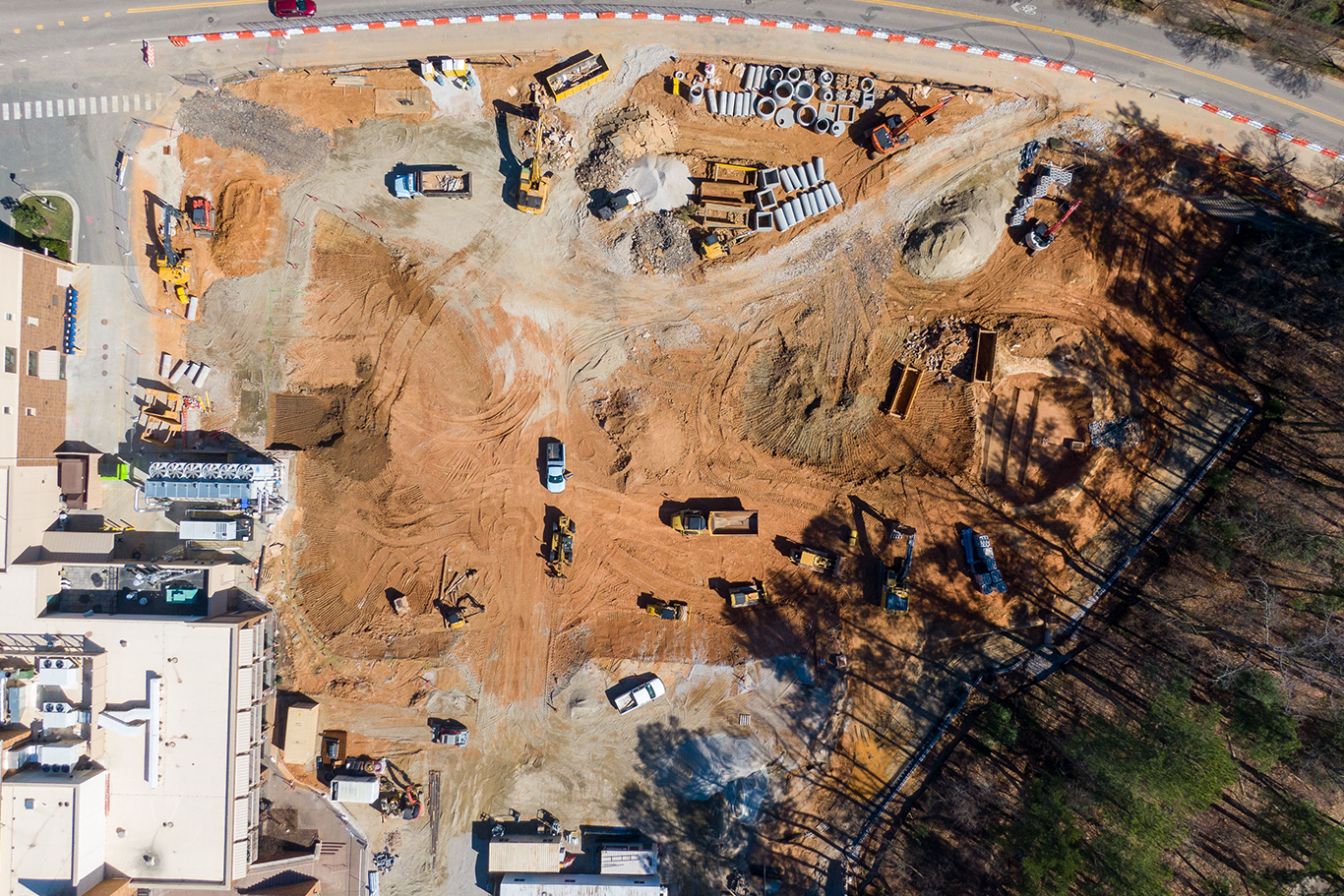
We help contractors protect their tools, vehicles, job sites, and employees with comprehensive insurance solutions. Whether you’re a general contractor, electrician, plumber, or another trade, we provide the coverage you need to keep your projects moving forward safely.
Cannabis Industry
Mosaic specializes in insuring the unique risks of the cannabis industry, including growers, retailers, processors, and delivery services. We understand the compliance challenges you face and work with carriers who can protect every stage of your operation.


Lessor’s Risk (LRO)
If you own a building and lease space to commercial tenants, we help protect your property and liability as a landlord. Our policies safeguard your investment from damages, lawsuits, and other risks that come with leasing commercial real estate.

Frequently Asked Questions
Quick Answers. Trusted Support.
Insurance doesn’t have to be confusing. We’re here to make everything clear, helpful, and hassle-free.
What states is Mosaic Insurance licensed in?
Mosaic is licensed in more than 10 states, including Washington, Oregon, Arizona, California, Texas, Colorado, and more. Our team can help you whether you live locally in WA or operate across multiple state lines.
We’re especially well-equipped to help clients with multi-state businesses, real estate portfolios, or cannabis operations that need compliance-ready coverage in various jurisdictions.
Can I get quotes from multiple carriers through Mosaic?
Yes. As an independent agency, we partner with a wide range of top-rated insurance carriers. That means you’re not locked into just one company’s pricing or coverage limitations.
Our advisors compare quotes for you, break down the differences, and help you choose the plan that fits best—no pressure, just honest advice.
Does Mosaic offer cannabis insurance, and who qualifies?
Absolutely. Mosaic is one of the few agencies with deep experience in cannabis insurance. We offer coverage for dispensaries, cultivators, delivery services, manufacturers, and labs.
If you're in a licensed state and need coverage that meets regulatory requirements, we can help set you up with carriers who understand the cannabis industry’s unique risks.
What can I do through the client portal?
You can use our 24/7 client portal to request policy changes, submit certificates of insurance, and manage your billing. It’s easy to use and always available.
This helps speed up business tasks and gives you full access to your coverage—even outside of regular office hours.
What should I expect after requesting a quote?
Once you request a quote, our team will reach out to gather a few key details. From there, we shop coverage with multiple carriers and return with clear, personalized options.
We make it easy to compare policies, ask questions, and finalize your protection—usually in 24–48 hours.
Can Mosaic help me file a claim?
Yes. Whether it’s an auto accident, property damage, or business-related issue, we’re here to guide you through the claims process. Our team can explain your coverage, contact the carrier, and help get things moving quickly.
We’re your advocate—before, during, and after a claim. You don’t have to go it alone.
Tips, News & Insights
Explore Our Blog