
Top 3 Recommended Policies

By: Jackson Hering
Licensed Personal Insurance Specialist
425-409-2497
The Essential Role of Insurance for Washington Hardware Retailers
A customer reaches for a chainsaw on your top shelf, loses their balance, and crashes into a display of paint cans. Meanwhile, an atmospheric river dumps three inches of rain overnight, flooding your storage area and destroying $40,000 worth of inventory. These aren't hypothetical disasters - they're Tuesday afternoon realities for hardware store owners across Washington State.
Running a hardware store means managing risks that most retailers never face. You're selling power tools that can cause serious injuries, stocking flammable materials, operating forklifts in crowded aisles, and employing staff who handle heavy equipment daily. Your exposure profile looks nothing like a boutique clothing shop or a coffee house.
Washington's climate adds another layer of complexity. From the rain-soaked western slopes to the freeze-thaw cycles east of the Cascades, your property faces weather-related threats year-round. Add in the state's strict workers' compensation requirements and evolving employment laws, and you've got a regulatory environment that demands careful attention.
Hardware store insurance in Washington isn't just about checking a box for your landlord or lender. It's about building a financial safety net that keeps your doors open when things go sideways. The right coverage protects your inventory, your employees, your customers, and ultimately your livelihood. The wrong coverage - or worse, gaps you didn't know existed - can turn a manageable incident into a business-ending catastrophe.
Core Coverage Types for Physical Inventory and Property
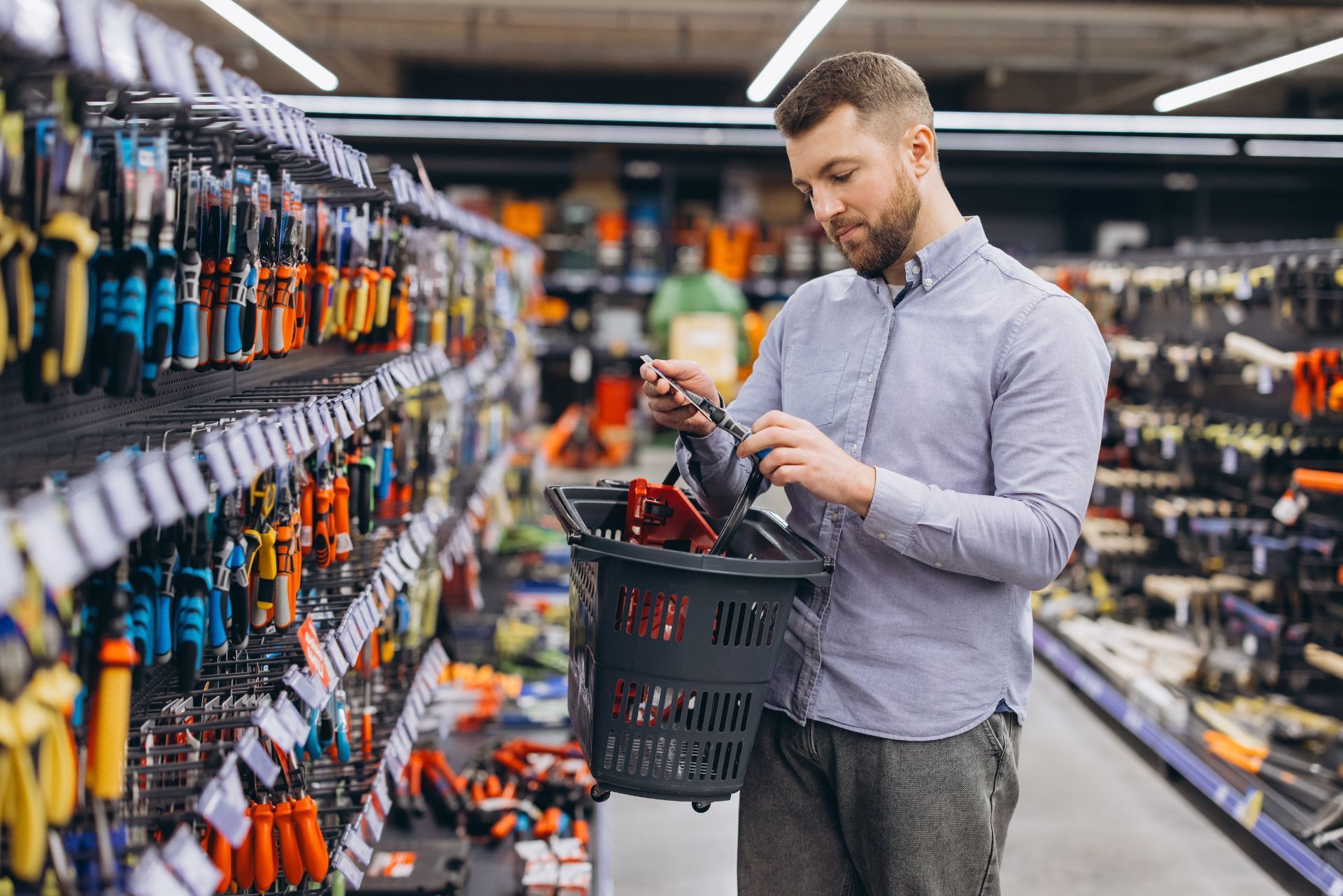
Your inventory represents your largest asset and your greatest vulnerability. Unlike a service business that can rebuild from a laptop, you've got hundreds of thousands of dollars sitting on shelves, susceptible to theft, fire, water damage, and dozens of other perils.
Commercial Property Insurance for Tools and Supplies
Commercial property coverage protects your building (if you own it), your inventory, fixtures, and equipment. For hardware stores, the details matter more than the broad strokes. Standard policies often undervalue specialized inventory like power tools, outdoor equipment, and seasonal stock fluctuations.
Consider how your inventory value shifts throughout the year. Spring brings lawn equipment and gardening supplies. Fall means heating equipment and weatherization products. Winter holidays spike gift tool sales. A policy written in January might seriously undervalue your June inventory.
You'll want to discuss replacement cost versus actual cash value with your agent. Replacement cost pays what it takes to buy new equivalent items. Actual cash value deducts depreciation, which means that three-year-old commercial lawn mower gets valued at a fraction of its replacement cost. For a hardware store with expensive equipment, this distinction can mean tens of thousands of dollars in a major claim.
Business Interruption Coverage for Washington Weather Events
When a windstorm knocks out power for a week or flooding forces you to close for repairs, business interruption coverage replaces your lost income. This coverage typically kicks in when a covered property loss forces you to suspend operations.
Washington weather patterns create specific exposures. The Puget Sound region sees regular windstorms that can damage roofs and knock out power for extended periods. Eastern Washington faces severe winter storms and occasional wildfires. Coastal areas deal with flooding and storm surge.
Your policy should cover the time it actually takes to restore operations, not just a predetermined period. If your supplier needs eight weeks to replace specialized inventory, a policy that only covers 30 days leaves you exposed.
Mitigating Liability Risks in a High-Traffic Environment
Hardware stores see foot traffic that rivals grocery stores, but with far more hazardous products and conditions. Every aisle presents potential liability claims.
General Liability for Customer Injuries and Slip-and-Falls
General liability coverage responds when customers get hurt on your premises or when your operations cause property damage. In a hardware store environment, common claims include:
- Slip-and-fall injuries from wet floors, spilled materials, or cluttered aisles
- Falling merchandise striking customers
- Injuries from product demonstrations or in-store equipment
- Property damage from delivery vehicles or loading operations
Washington courts have awarded substantial settlements in premises liability cases. A customer who suffers a serious back injury from a falling item might pursue claims well into six figures. Your general liability limits should reflect this reality - $1 million per occurrence is often a minimum starting point.
Product Liability for Power Tools and Heavy Machinery
You're selling products that cut, grind, burn, and otherwise pose serious injury risks. When a customer gets hurt using a product you sold, they might name your store in the lawsuit alongside the manufacturer.
Product liability claims against retailers typically allege failure to warn, improper assembly, or selling defective merchandise. Even when the manufacturer bears primary responsibility, defending these claims costs money. Your general liability policy typically includes product liability coverage, but verify the limits and exclusions.
Pay special attention to any products you modify, assemble, or service. If you sharpen blades, repair equipment, or assemble grills, your liability exposure increases significantly.

State-Specific Requirements and Employee Protections
Washington has some of the most comprehensive worker protection laws in the country. Understanding these requirements isn't optional - it's a legal obligation.
Navigating Washington State Workers' Compensation Laws
Washington operates a monopolistic state fund system for workers' compensation. Unlike most states where you can shop among private insurers, Washington employers must obtain coverage through the Department of Labor and Industries (L&I) or qualify as a self-insured employer.
Hardware store operations typically fall into higher-risk classification codes due to the physical nature of the work. Employees lifting heavy materials, operating forklifts, and working with cutting equipment face injury rates above typical
retail averages. Your L&I premiums reflect this reality.
| Coverage Aspect | Washington Requirement | What It Means for Hardware Stores |
|---|---|---|
| Coverage Source | State Fund (L&I) or Self-Insurance | No private insurance shopping |
| Premium Basis | Hours worked by classification | Higher rates for warehouse workers |
| Penalty for Non-Compliance | Stop-work orders, fines up to $2,500/day | Serious business disruption |
| Claim Management | State-administered | Less employer control over process |
Employment Practices Liability for Retail Staffing
Employment practices liability insurance (EPLI) covers claims arising from wrongful termination, discrimination, harassment, and other employment-related allegations. Washington's employee-friendly legal environment makes this coverage particularly relevant.
The state's paid family and medical leave program, predictive scheduling laws in some jurisdictions, and strong anti-discrimination protections create compliance challenges. Even unfounded claims require legal defense, and EPLI covers those costs.
Specialized Policies for Modern Hardware Operations
Your grandfather's hardware store didn't need cyber insurance or worry about data breaches. Modern operations face digital risks alongside traditional exposures.
Cyber Liability for E-commerce and POS Systems
If you accept credit cards, maintain customer accounts, or operate any online presence, you're collecting data that hackers want. A breach at your point-of-sale system can expose thousands of customer payment cards.
Cyber liability coverage helps with notification costs, credit monitoring for affected customers, forensic investigation, and legal defense. Washington has specific data breach notification requirements that kick in when personal information gets compromised.
Small retailers often assume they're too small to target. The opposite is true - criminals specifically target small businesses because they typically have weaker security than major retailers.
Commercial Auto Insurance for Delivery Services
Many hardware stores now offer delivery services for large items, contractor orders, or online purchases. If you own vehicles used for business purposes, you need commercial auto coverage. Personal auto policies exclude business use.
Even if employees use their own vehicles for occasional deliveries, you face exposure. Hired and non-owned auto coverage addresses this gap, protecting your business when employees drive personal vehicles for work purposes.
How to Customize Your Hardware Store Protection Plan
Building the right insurance program starts with understanding your specific operation. A small neighborhood store has different needs than a 50,000-square-foot contractor supply center.
Start by documenting your exposures honestly. What's your peak inventory value? How many employees work in high-risk roles? Do you offer services like key cutting, blade sharpening, or equipment rental? Each activity creates distinct risks.
Work with an agent who understands retail hardware operations. Generic business insurance advice often misses industry-specific exposures. Ask potential agents about their experience with similar businesses and request references.
Review your coverage annually, not just at renewal. Business changes throughout the year - new services, additional employees, expanded inventory - can create coverage gaps mid-policy.
Frequently Asked Questions
How much does hardware store insurance typically cost in Washington? Annual premiums vary widely based on location, size, revenue, and coverage limits. Small stores might pay $3,000-$8,000 annually for a basic package, while larger operations with delivery services and multiple employees can exceed $25,000.
Can I bundle my coverage into a single policy? Yes, a Business Owner's Policy (BOP) combines property and liability coverage at a discount. However, BOPs have coverage limits that may not suit larger operations.
What's excluded from standard hardware store policies? Common exclusions include flood damage, earthquake damage, pollution liability, and professional services. If you offer design consultations or installation services, you may need additional coverage.
How do I handle workers' comp for part-time employees? Washington requires coverage for all employees regardless of hours worked. Part-time staff must be reported to L&I and included in your premium calculations.
Does my policy cover equipment I rent to customers? Typically no. Equipment rental operations require specialized inland marine coverage and rental agreements with liability waivers.
Making the Right Choice for Your Business
Protecting your Washington hardware store requires more than grabbing the cheapest quote online. You're building a financial foundation that supports your business through inevitable challenges - from customer injuries to weather disasters to employee claims.
The investment in proper coverage pays dividends when claims happen. Adequate limits, appropriate coverage types, and policies tailored to hardware retail operations mean you can focus on running your business instead of worrying about the next disaster.
Take time to review your current coverage against the exposures discussed here. If you find gaps or have questions about whether your limits are adequate, schedule a conversation with a commercial insurance specialist who understands hardware retail operations in Washington.

About The Author:
Jackson Hering
I'm a fourth-generation insurance agent, having learned the business firsthand while working alongside my father. With years of experience passed down through my family, I take pride in combining that legacy knowledge with a modern, client-focused approach. I started my career at a small, family-owned agency and worked my way up, gaining a deep understanding of the industry from the ground up.
Contact Us
Coverage for Everyday Life
Personal Insurance That Works for You
We help individuals and families find coverage that keeps life moving—without overpaying or getting lost in fine print. From auto and home insurance to umbrella and life protection, our licensed team compares options across top-rated carriers to make sure you’re covered the right way, right now.
Auto Insurance
Drive with confidence and coverage that fits your needs.
Home Insurance
Coverage for fire, theft, liability, and more.
Renters Insurance
Affordable protection for your belongings and personal liability.

Boat Insurance
Coverage for watercraft damage, liability, and gear.
Life Insurance
Prepare for the future with term or whole life policies.
Umbrella Insurance
Extra liability protection for life’s bigger risks.
Protect Your Business Without the Guesswork
Business Insurance Built for Stability & Growth
Running a business comes with risk. We help reduce it. Our team builds custom coverage for your needs, including general liability, property, commercial auto, and cyber protection. We’re fast, responsive, and easy to reach—so your insurance is one less thing to worry about.
Industries We Serve
Tailored by Industry
We understand the risks unique to your business—and how to insure against them.
Contractors & Trades
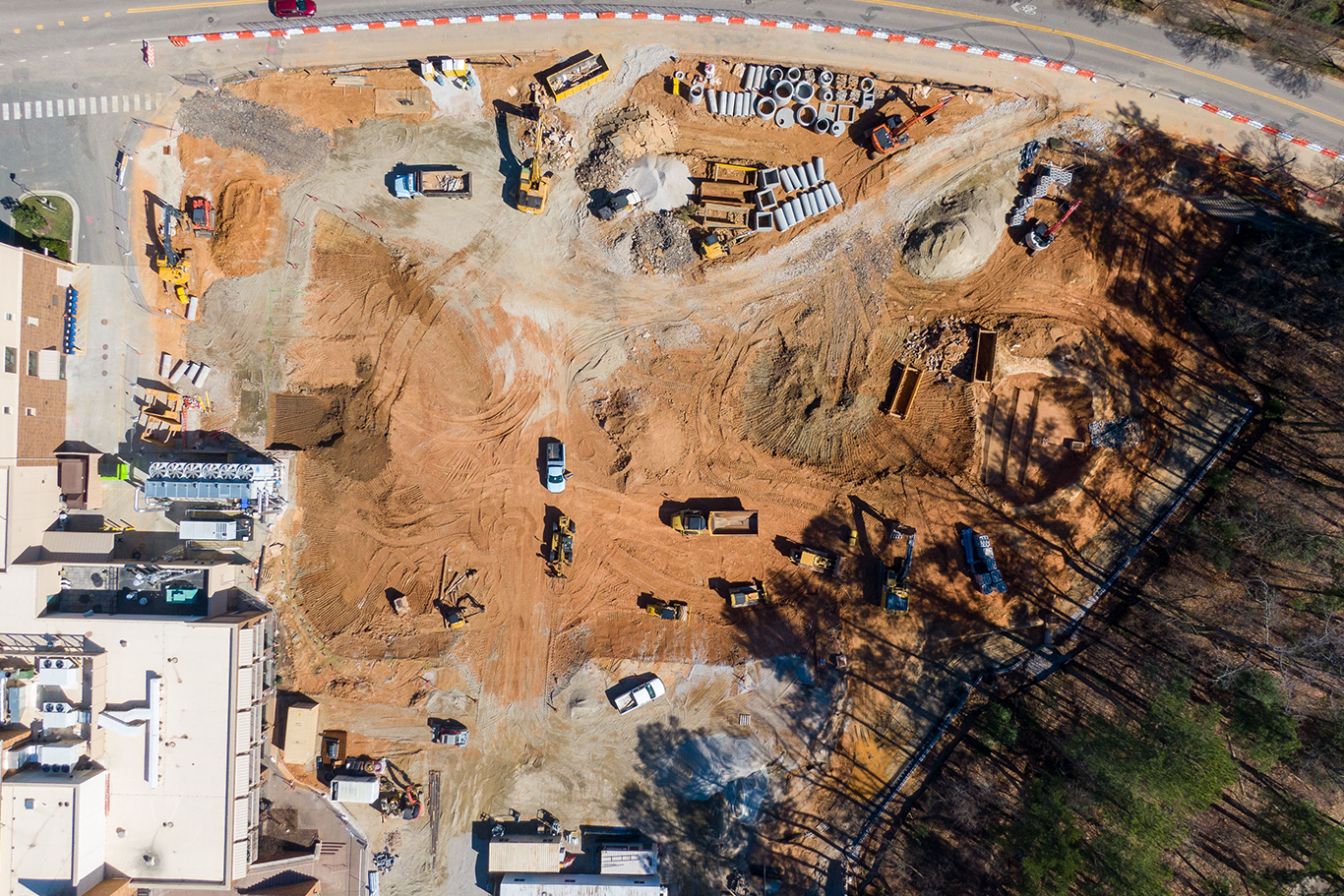
We help contractors protect their tools, vehicles, job sites, and employees with comprehensive insurance solutions. Whether you’re a general contractor, electrician, plumber, or another trade, we provide the coverage you need to keep your projects moving forward safely.
Cannabis Industry
Mosaic specializes in insuring the unique risks of the cannabis industry, including growers, retailers, processors, and delivery services. We understand the compliance challenges you face and work with carriers who can protect every stage of your operation.

Lessor’s Risk (LRO)
If you own a building and lease space to commercial tenants, we help protect your property and liability as a landlord. Our policies safeguard your investment from damages, lawsuits, and other risks that come with leasing commercial real estate.
Frequently Asked Questions
Quick Answers. Trusted Support.
Insurance doesn’t have to be confusing. We’re here to make everything clear, helpful, and hassle-free.
What states is Mosaic Insurance licensed in?
Mosaic is licensed in more than 10 states, including Washington, Oregon, Arizona, California, Texas, Colorado, and more. Our team can help you whether you live locally in WA or operate across multiple state lines.
We’re especially well-equipped to help clients with multi-state businesses, real estate portfolios, or cannabis operations that need compliance-ready coverage in various jurisdictions.
Can I get quotes from multiple carriers through Mosaic?
Yes. As an independent agency, we partner with a wide range of top-rated insurance carriers. That means you’re not locked into just one company’s pricing or coverage limitations.
Our advisors compare quotes for you, break down the differences, and help you choose the plan that fits best—no pressure, just honest advice.
Does Mosaic offer cannabis insurance, and who qualifies?
Absolutely. Mosaic is one of the few agencies with deep experience in cannabis insurance. We offer coverage for dispensaries, cultivators, delivery services, manufacturers, and labs.
If you're in a licensed state and need coverage that meets regulatory requirements, we can help set you up with carriers who understand the cannabis industry’s unique risks.
What can I do through the client portal?
You can use our 24/7 client portal to request policy changes, submit certificates of insurance, and manage your billing. It’s easy to use and always available.
This helps speed up business tasks and gives you full access to your coverage—even outside of regular office hours.
What should I expect after requesting a quote?
Once you request a quote, our team will reach out to gather a few key details. From there, we shop coverage with multiple carriers and return with clear, personalized options.
We make it easy to compare policies, ask questions, and finalize your protection—usually in 24–48 hours.
Can Mosaic help me file a claim?
Yes. Whether it’s an auto accident, property damage, or business-related issue, we’re here to guide you through the claims process. Our team can explain your coverage, contact the carrier, and help get things moving quickly.
We’re your advocate—before, during, and after a claim. You don’t have to go it alone.
Tips, News & Insights
Explore Our Blog