
Top 3 Recommended Policies

By: Jackson Hering
Licensed Personal Insurance Specialist
425-409-2497
Running a nursery or garden center in Washington means dealing with rain-soaked winters, unpredictable wind events, and a customer base that's more enthusiastic than ever about growing things. A
record 64% of gardeners plan to expand their gardens in 2026, which means more foot traffic, larger inventories, and higher stakes if something goes wrong. That growth in demand is great for revenue, but it also raises your exposure to liability claims, property damage, and inventory loss. Whether you're operating a small
retail nursery in Olympia or managing acres of wholesale greenhouses in the Yakima Valley, the right insurance setup can mean the difference between recovering from a disaster and closing your doors. Washington's unique climate, regulatory framework, and labor laws create a distinct set of challenges that generic business insurance won't fully address. This guide breaks down the specific coverages, endorsements, and state requirements that matter most for
horticultural businesses here. We've seen too many nursery owners discover gaps in their policies only after filing a claim, and that's a painful way to learn. Getting your insurance for Washington nurseries and garden centers right from the start saves you money, stress, and potentially your entire business.
Risk Management for Washington Horticultural Businesses
Washington's horticultural industry employs roughly 4,034 workers across the nursery and garden store sector, and each one of those employees represents both a human asset and a liability exposure. Risk management isn't just about buying policies; it's about understanding what can go wrong and building protections around those scenarios. A proactive approach involves documenting your inventory fluctuations, maintaining equipment logs, and reviewing your coverage at least twice a year to account for seasonal changes.
Unique Environmental Risks in the Pacific Northwest
The Pacific Northwest throws a lot at nursery operators. Heavy rainfall from October through April creates persistent moisture problems: root rot, mold in greenhouses, and water damage to stored products. Windstorms can topple shade structures and destroy months of growing inventory in a single night.
Summer brings its own problems. Wildfire smoke has become a recurring issue in eastern and central Washington, damaging sensitive plant stock and creating air quality hazards for workers. Heat domes, like the one in 2021 that pushed temperatures past 115°F in parts of the state, can wipe out entire sections of inventory that aren't in climate-controlled environments.
Flooding is another serious concern, particularly for nurseries near river systems in the Skagit Valley or along the Columbia Basin. Standard commercial property policies often exclude flood damage, which means you'll need a separate flood policy or endorsement. If your nursery sits in a FEMA-designated flood zone, this isn't optional; it's essential.
Regulatory Landscape for WA Nursery Owners
Washington requires all nurseries that sell, grow, or distribute plant material to register with the Washington State Department of Agriculture. Inspections happen regularly, and failing one can result in fines or forced destruction of contaminated stock. Your insurance should account for the financial impact of a quarantine order.
Pesticide application is tightly regulated under the Washington Pesticide Control Act. If you or your employees apply restricted-use chemicals, you need proper licensing through WSDA, and your insurance policy should reflect that exposure. A
pesticide drift incident that damages a neighbor's property or crops can generate claims well into six figures. The state also enforces strict stormwater management rules, particularly in western Washington counties, which can affect how and where you store chemicals and fertilizers.

Core Insurance Coverages for Garden Centers
Every garden center needs a foundation of standard commercial coverages before adding specialized endorsements. Here's how the core policies break down for this industry.
General Liability and Customer Safety
General liability is your first line of defense against third-party claims. A customer slips on a wet greenhouse floor, a child pulls a display rack onto themselves, or someone has an allergic reaction to a plant you sold: these are all GL claims. The average cost for general liability coverage runs about $113 per month, or $1,353 annually, for a typical garden center operation.
Most policies provide $1 million per occurrence and $2 million aggregate. If you host events like workshops, seasonal festivals, or kids' planting days, you'll want to confirm your policy covers those activities. We've seen claims denied because a nursery hosted a pumpkin patch event that fell outside their standard policy terms.
Commercial Property and Greenhouse Protection
Your property policy covers your buildings, greenhouses, shade houses, irrigation systems, and retail fixtures. The key detail here is replacement cost versus actual cash value. Always push for replacement cost coverage. A 10-year-old greenhouse might have a depreciated value of $15,000, but replacing it could cost $45,000 or more.
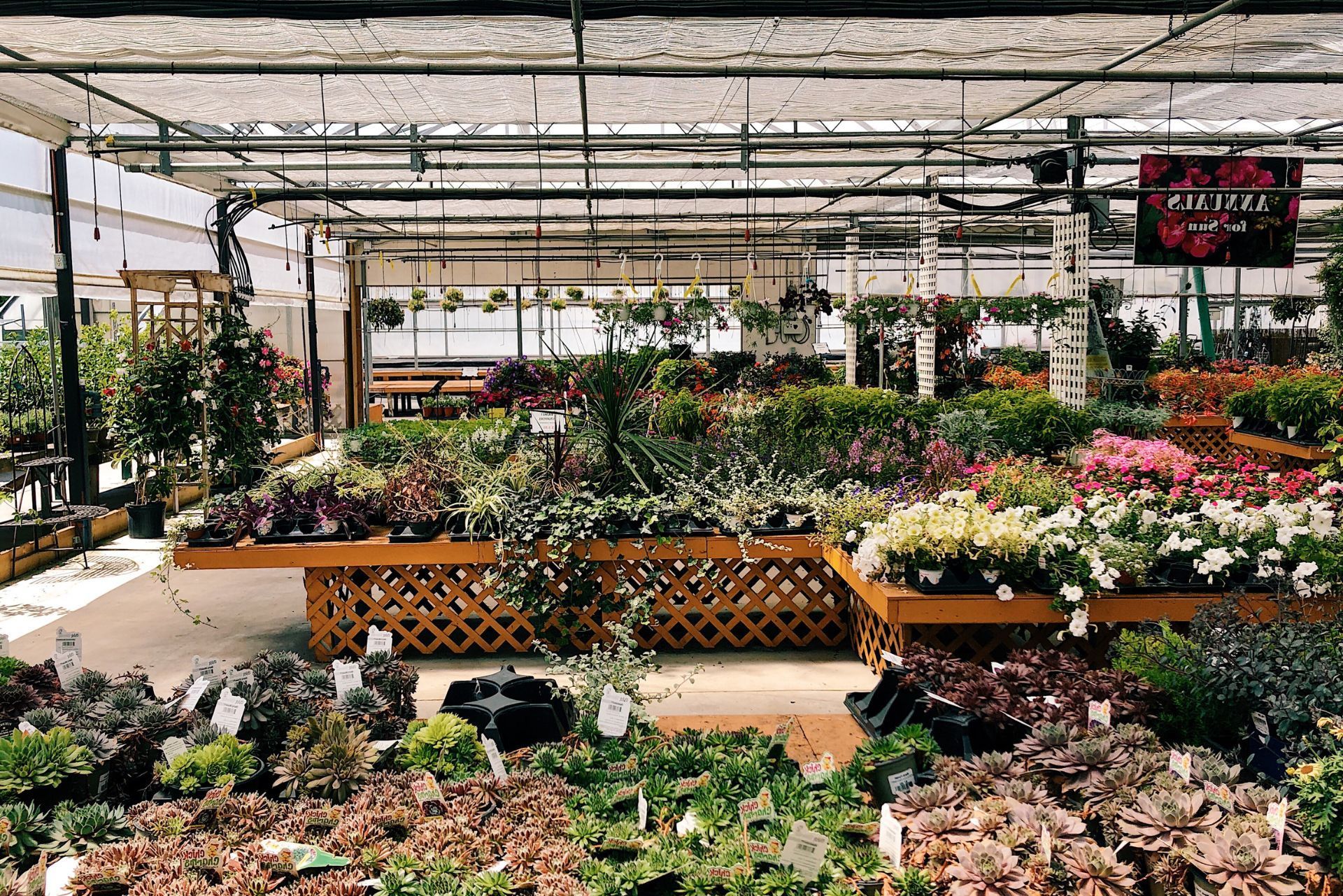
Greenhouses deserve special attention because they're vulnerable to wind, hail, and snow load. Make sure your policy doesn't exclude glass or polycarbonate panel damage, which some standard commercial property forms do. If you're in an area prone to heavy snowfall, like the Cascades foothills, confirm that snow load collapse is a covered peril.
Product Liability for Seeds and Fertilizers
If you sell seeds, soil amendments, fertilizers, or pest control products, product liability coverage protects you when those products cause harm. A bag of fertilizer that burns a customer's lawn, seeds that are mislabeled, or a soil mix contaminated with herbicide residue: these situations generate claims more often than you'd expect.
Product liability is typically bundled into your general liability policy, but check the sub-limits. Some policies cap product liability at $500,000 even when the overall GL limit is $1 million. If you sell your own proprietary blends or branded products, your exposure is higher than if you're simply reselling name-brand items.
Specialized Endorsements for the Green Industry
Standard policies leave gaps that matter specifically to nurseries. These endorsements fill them.
Crop and Inventory Loss Protection
Your living inventory is your most volatile asset. A single freeze event, pest outbreak, or disease can destroy tens of thousands of dollars in plant stock overnight. Standard property insurance often treats plants as "outdoor property" with minimal coverage limits, sometimes as low as $2,500.
Crop insurance through the USDA's Nursery Value Select program is one option. Starting with the 2026 crop year, NVS will offer a new Peak Endorsement Pilot that lets producers increase coverage during designated peak periods. This is a big deal for Washington nurseries that stock up heavily in spring. You can also work with your commercial insurer to add an inland marine floater that covers plant inventory at full wholesale or retail value.
Herbicide and Pesticide Application Coverage
If your operation includes any spray services, whether for your own stock or as a service to customers, you need pollution liability coverage. Standard GL policies exclude pollution events, and a pesticide drift claim absolutely qualifies as a pollution event.
A standalone pollution liability policy typically runs $1,500 to $4,000 annually for a small to mid-size nursery. The policy should cover both on-premises chemical storage incidents and off-premises application if you do any contract spraying. Keep detailed application logs, including dates, chemicals used, weather conditions, and applicator certifications. These records are your best defense if a claim arises.
Equipment Breakdown and Power Outage Insurance
Greenhouses depend on climate control systems, automated irrigation, ventilation fans, and sometimes backup generators. When a boiler fails in January or a power outage kills your propagation heat mats, the plant losses can dwarf the equipment repair costs.
Equipment breakdown insurance covers the repair or replacement of mechanical and electrical equipment, plus the resulting loss of inventory. This is different from your property policy, which typically covers damage from external events like fire or wind but not internal mechanical failure. If you're running any automated systems, this endorsement pays for itself the first time a compressor dies on a 95-degree weekend.
Washington State Labor and Vehicle Requirements
Washington has specific mandates that affect every nursery with employees or delivery vehicles.
Workers' Compensation through L&I
Washington is one of four states that runs a monopolistic workers' compensation fund through the Department of Labor and Industries. You can't buy workers' comp from a private insurer here; you must go through L&I or qualify as a self-insured employer, which requires meeting strict financial criteria.
Rates vary by classification. Nursery and greenhouse workers fall under different risk classes than retail counter staff, so your premium depends on your payroll mix. Expect to pay between $1.50 and $3.50 per $100 of payroll for growing operations, and less for retail-only roles. Failing to carry L&I coverage is a Class C felony in Washington, with penalties up to $1,000 per day of non-compliance.
Commercial Auto for Delivery and Landscaping Services
If you deliver plants, mulch, or soil to customers, or if your crew drives to job sites for landscaping or installation work, you need commercial auto insurance. Personal auto policies won't cover vehicles used for business purposes, and a delivery truck accident without proper coverage could expose you to hundreds of thousands in liability.
| Coverage Type | What It Covers | Typical Annual Cost |
|---|---|---|
| Liability Only | Bodily injury/property damage to others | $1,200 - $2,500 per vehicle |
| Full Coverage | Liability + collision + comprehensive | $2,500 - $5,000 per vehicle |
| Hired/Non-Owned Auto | Employee vehicles used for business | $300 - $800 annually |
Don't forget hired and non-owned auto coverage if employees ever use their personal vehicles for business errands like picking up supplies or making small deliveries.
Your premium isn't a fixed number pulled from a chart. It's shaped by your specific risk profile. Location matters: a nursery in flood-prone Snohomish County will pay more than one on high ground in Spokane. Revenue and payroll directly affect your GL and workers' comp costs. A $2 million annual revenue operation pays roughly double what a $500,000 operation pays for the same coverage limits.
Claims history is the biggest single factor. One or two claims in the past five years can increase your premiums by 15% to 30%. The industry itself has been declining at an average annual rate of -0.3% from 2021 to 2026, which means insurers are watching profitability closely. A complete insurance bundle covering a business owner's policy, workers' comp, and professional liability averages around $245 per month, or $2,934 per year, though your actual cost could be higher or lower depending on these variables.
Seasonal inventory swings also affect your coverage needs. If your peak spring inventory is worth $200,000 but drops to $40,000 in winter, you may be able to negotiate seasonal coverage adjustments that reduce your annual premium.
Securing a Comprehensive Policy Strategy
Getting the right insurance coverage for your Washington garden center or nursery isn't something you set and forget. Your business changes with the seasons, and your policies need to reflect that. Review your coverage every spring before your inventory peaks, and again in fall when your exposure drops. Work with an agent or broker who understands horticultural businesses, not a generalist who treats your nursery like a retail shoe store.
Get quotes from at least three sources: a national carrier, a regional insurer familiar with Pacific Northwest risks, and an independent agent who can shop multiple markets. Ask specifically about exclusions for outdoor property, pollution events, and equipment breakdown. These are the gaps that catch nursery owners off guard.
Your next step is straightforward. Document your current inventory values, payroll figures, vehicle list, and any specialized equipment. Bring that information to a qualified commercial insurance agent and ask them to build a policy package around your actual exposures, not a generic template.
Frequently Asked Questions
Do I need separate insurance if I sell at farmers markets? Most general liability policies can be endorsed to cover off-premises sales locations like farmers markets, but you need to confirm this with your insurer. Many market organizers require a certificate of insurance naming them as an additional insured.
Can I buy workers' comp from a private insurer in Washington? No. Washington requires all employers to obtain workers' compensation through the state's Department of Labor and Industries unless they qualify for self-insurance, which most small nurseries won't.
Does my property policy cover my plant inventory? Usually only with very low sub-limits for outdoor property. You'll likely need an inland marine floater or crop insurance to adequately cover living inventory at its true value.
How often should I review my nursery insurance? At minimum twice a year: once before peak spring season and once in fall. Any time you add a greenhouse, hire seasonal staff, or start offering new services like delivery or landscaping, contact your agent.
Is pollution liability really necessary if I only spray my own plants? Yes. Even on-premises pesticide incidents, like a chemical spill that contaminates groundwater, fall under pollution exclusions in standard GL policies. A standalone pollution policy protects you from these claims.

About The Author:
Jackson Hering
I'm a fourth-generation insurance agent, having learned the business firsthand while working alongside my father. With years of experience passed down through my family, I take pride in combining that legacy knowledge with a modern, client-focused approach. I started my career at a small, family-owned agency and worked my way up, gaining a deep understanding of the industry from the ground up.
Contact Us
Coverage for Everyday Life
Personal Insurance That Works for You
We help individuals and families find coverage that keeps life moving—without overpaying or getting lost in fine print. From auto and home insurance to umbrella and life protection, our licensed team compares options across top-rated carriers to make sure you’re covered the right way, right now.
Auto Insurance
Drive with confidence and coverage that fits your needs.
Home Insurance
Coverage for fire, theft, liability, and more.
Renters Insurance
Affordable protection for your belongings and personal liability.

Boat Insurance
Coverage for watercraft damage, liability, and gear.
Life Insurance
Prepare for the future with term or whole life policies.
Umbrella Insurance
Extra liability protection for life’s bigger risks.
Protect Your Business Without the Guesswork
Business Insurance Built for Stability & Growth
Running a business comes with risk. We help reduce it. Our team builds custom coverage for your needs, including general liability, property, commercial auto, and cyber protection. We’re fast, responsive, and easy to reach—so your insurance is one less thing to worry about.
Industries We Serve
Tailored by Industry
We understand the risks unique to your business—and how to insure against them.
Contractors & Trades
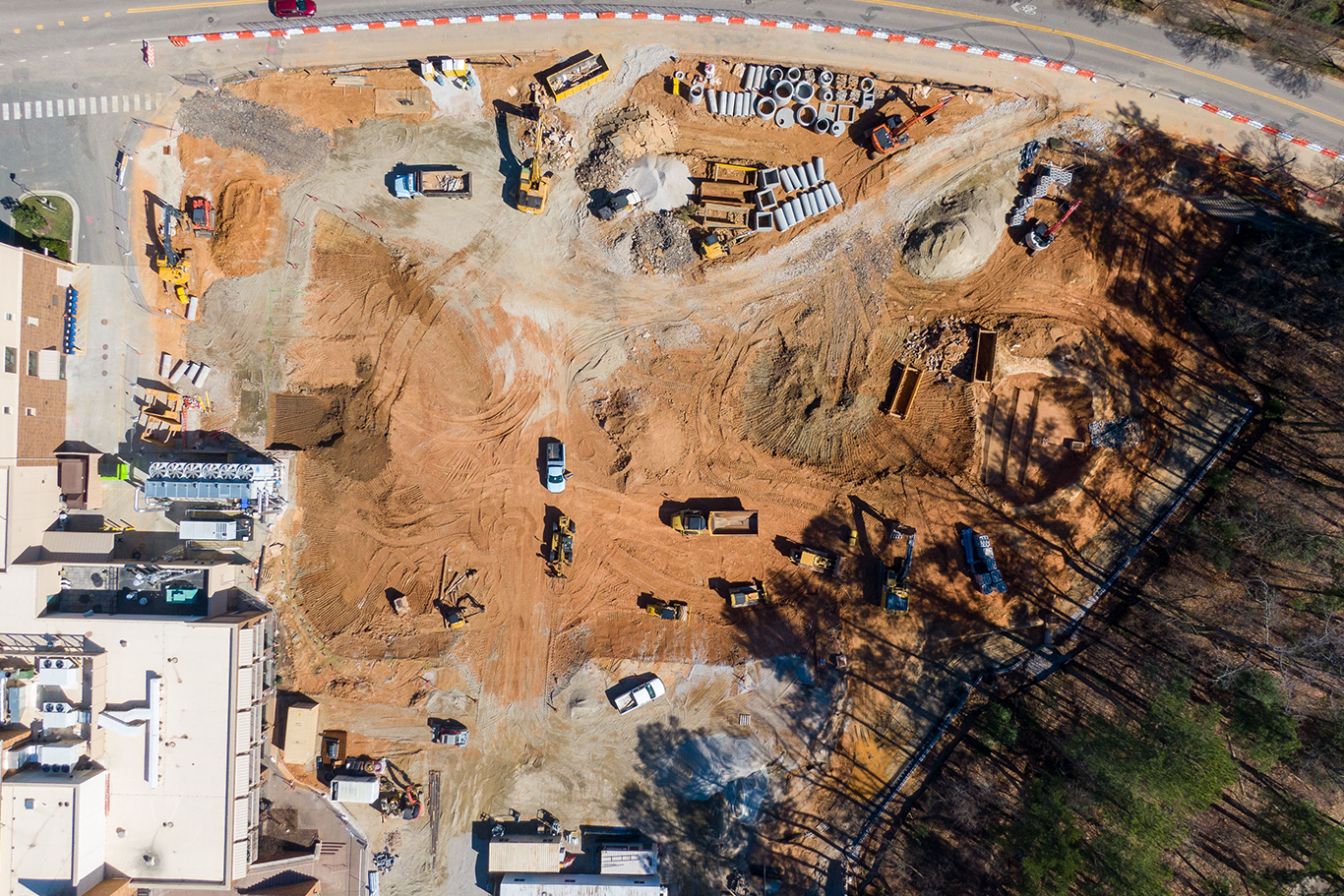
We help contractors protect their tools, vehicles, job sites, and employees with comprehensive insurance solutions. Whether you’re a general contractor, electrician, plumber, or another trade, we provide the coverage you need to keep your projects moving forward safely.
Cannabis Industry
Mosaic specializes in insuring the unique risks of the cannabis industry, including growers, retailers, processors, and delivery services. We understand the compliance challenges you face and work with carriers who can protect every stage of your operation.
Lessor’s Risk (LRO)
If you own a building and lease space to commercial tenants, we help protect your property and liability as a landlord. Our policies safeguard your investment from damages, lawsuits, and other risks that come with leasing commercial real estate.

Frequently Asked Questions
Quick Answers. Trusted Support.
Insurance doesn’t have to be confusing. We’re here to make everything clear, helpful, and hassle-free.
What states is Mosaic Insurance licensed in?
Mosaic is licensed in more than 10 states, including Washington, Oregon, Arizona, California, Texas, Colorado, and more. Our team can help you whether you live locally in WA or operate across multiple state lines.
We’re especially well-equipped to help clients with multi-state businesses, real estate portfolios, or cannabis operations that need compliance-ready coverage in various jurisdictions.
Can I get quotes from multiple carriers through Mosaic?
Yes. As an independent agency, we partner with a wide range of top-rated insurance carriers. That means you’re not locked into just one company’s pricing or coverage limitations.
Our advisors compare quotes for you, break down the differences, and help you choose the plan that fits best—no pressure, just honest advice.
Does Mosaic offer cannabis insurance, and who qualifies?
Absolutely. Mosaic is one of the few agencies with deep experience in cannabis insurance. We offer coverage for dispensaries, cultivators, delivery services, manufacturers, and labs.
If you're in a licensed state and need coverage that meets regulatory requirements, we can help set you up with carriers who understand the cannabis industry’s unique risks.
What can I do through the client portal?
You can use our 24/7 client portal to request policy changes, submit certificates of insurance, and manage your billing. It’s easy to use and always available.
This helps speed up business tasks and gives you full access to your coverage—even outside of regular office hours.
What should I expect after requesting a quote?
Once you request a quote, our team will reach out to gather a few key details. From there, we shop coverage with multiple carriers and return with clear, personalized options.
We make it easy to compare policies, ask questions, and finalize your protection—usually in 24–48 hours.
Can Mosaic help me file a claim?
Yes. Whether it’s an auto accident, property damage, or business-related issue, we’re here to guide you through the claims process. Our team can explain your coverage, contact the carrier, and help get things moving quickly.
We’re your advocate—before, during, and after a claim. You don’t have to go it alone.
Tips, News & Insights
Explore Our Blog