
Top 3 Recommended Policies

By: Jackson Hering
Licensed Personal Insurance Specialist
425-409-2497
A single rainstorm at an outdoor wedding can destroy $15,000 worth of camera equipment in minutes. A client claims your edited footage misrepresents their event and demands a refund plus damages. Your assistant trips over a light stand at a corporate shoot, injuring a guest. These scenarios happen to Washington photographers and videographers more often than you'd expect, and without proper coverage, any one of them could end your business.
Washington's visual media industry thrives across diverse settings, from Seattle's urban corporate scene to the dramatic landscapes of the Olympic Peninsula. This variety creates unique insurance challenges that generic policies often miss. Whether you're shooting tech company headshots in Bellevue, capturing vineyard weddings in Walla Walla, or filming adventure sports near Mount Rainier, your insurance needs to match the specific risks you face. Understanding photographer and videographer insurance in Washington means knowing which coverages are essential, which are optional, and how state regulations affect your requirements.
The right policy protects more than your gear. It safeguards your reputation, your income, and your ability to keep working when things go wrong. Here's what you need to know to make informed decisions about protecting your creative business.
Essential Coverage for Washington Visual Creators
Every photography and videography business needs a foundation of liability protection. Your artistic skills won't matter if a single lawsuit drains your savings or forces you to close shop.
General Liability for Studio and Location Shoots
General liability insurance covers third-party bodily injury and property damage claims. If a client trips over your equipment bag at their office, or your lighting setup scratches hardwood floors at a venue, this policy responds. Most Washington photographers need at least $1 million per occurrence with a $2 million aggregate limit.
Location work increases your exposure significantly. Studio photographers control their environment, but on-location shooters face unpredictable conditions. A backdrop stand could fall on a guest. Your equipment case might damage a rental property's walls. General liability handles these situations regardless of where you're working.
Many Washington venues won't let you shoot without proof of coverage. We'll discuss certificate requirements later, but understand that general liability often serves as your entry ticket to professional opportunities.
Professional Liability and Errors & Omissions
Professional liability, sometimes called errors and omissions coverage, protects against claims that your work product caused financial harm. This differs from general liability, which covers physical injuries and property damage.
| Coverage Type | Protects Against | Example Scenario |
|---|---|---|
| General Liability | Bodily injury, property damage | Guest trips over your tripod |
| Professional Liability | Financial loss from your services | Corrupted files ruin client's only wedding footage |
| E&O | Mistakes, negligence, missed deadlines | You miss the first dance because of equipment failure |
A bride claims your photos made her look unflattering and demands her $5,000 fee returned. A corporate client says your video failed to meet specifications outlined in the contract. These disputes fall under professional liability. Defense costs alone can exceed $50,000, even when you've done nothing wrong.
Protecting Expensive Gear and Digital Assets
Your camera bodies, lenses, lighting equipment, and computers represent a substantial investment. Standard business property policies often exclude equipment used off-premises, leaving dangerous gaps in coverage.
Inland Marine Insurance for Off-Site Equipment
Inland marine insurance sounds like it covers boats, but it actually protects movable property. For photographers and videographers, this means coverage for equipment wherever you take it. Your gear is protected whether it's in your car, at a client's location, or checked as airline baggage.
Washington's weather creates specific risks. Moisture from coastal shoots can damage electronics. Temperature swings between heated vehicles and cold outdoor locations stress equipment. Theft from vehicles remains common in Seattle and other urban areas.
Most policies cover replacement cost rather than depreciated value, though you'll want to confirm this. A five-year-old camera body might have significant depreciation on paper but still costs thousands to replace with equivalent equipment.
Data Loss and Cyber Liability Protection
Digital files represent hours of irreplaceable work. Hard drive failures, ransomware attacks, and accidental deletions can destroy client deliverables and your business reputation simultaneously.
Cyber liability coverage addresses several risks: data breach notification costs if client information is compromised, ransomware payment coverage, and business interruption losses while systems are restored. Data loss coverage can help recover or recreate lost files.
Washington's consumer protection laws require businesses to notify affected individuals after data breaches. The costs of compliance, including credit monitoring services for affected clients, add up quickly without insurance support.
Washington State Specific Regulations and Requirements
Operating in Washington means following state-specific rules that affect your insurance decisions. Understanding these requirements helps you avoid penalties and coverage gaps.
Workers' Compensation Laws for Small Studios
Washington requires workers' compensation coverage for nearly all employees, with very limited exceptions. Unlike many states, Washington doesn't allow private workers' comp insurance. All coverage must be purchased through the Washington State Department of Labor and Industries.
Sole proprietors can elect coverage for themselves but aren't required to carry it. However, if you hire even one part-time assistant, you must register with L&I and pay premiums. Penalties for non-compliance include fines and personal liability for injured workers' medical costs and lost wages.
The classification system determines your rates. Photography and videography work falls under specific codes, and your premiums depend on your payroll and the type of work performed. Hiring second shooters as independent contractors doesn't automatically exempt you from requirements, as L&I examines the actual working relationship, not just what you call it on paper.
Commercial Auto Needs for Traveling Professionals
Your personal auto policy likely excludes business use. If you're transporting equipment to shoots or driving to client meetings, you need commercial auto coverage or a business use endorsement on your personal policy.
Washington requires minimum liability limits of $25,000 per person and $50,000 per accident for bodily injury, plus $10,000 for property damage. These minimums are dangerously low for professionals. A serious accident could easily exceed these limits, leaving you personally responsible for the difference.
Consider higher limits and comprehensive coverage that protects your vehicle and the equipment inside. Some policies offer specific coverage for equipment stored in vehicles, addressing a common theft scenario.

Aerial photography and videography have become standard offerings for many Washington visual creators. The state's landscapes practically demand drone footage, but this capability brings additional insurance requirements.
FAA Compliance and Liability Coverage
Commercial drone operation requires Part 107 certification from the FAA. Beyond licensing, you need specific drone liability coverage. Standard general liability policies typically exclude aircraft, including drones.
Drone insurance covers third-party bodily injury and property damage caused by your aircraft. A drone malfunction that sends your equipment into a crowd creates serious liability. Property damage to vehicles, buildings, or other aircraft also falls under this coverage.
Hull coverage protects the drone itself. Given that professional drones with quality cameras can cost $3,000 to $15,000, this protection makes financial sense. Some policies also cover attached equipment like specialized cameras and sensors.
Washington has additional restrictions in certain areas. Flying near Seattle-Tacoma International Airport, military installations, or national parks requires special authorization. Operating without proper permissions could void your insurance coverage if an incident occurs.
Venue Requirements and Certificate of Insurance (COI)
Professional photographers and videographers in Washington regularly encounter venue insurance requirements. Understanding these demands helps you book jobs and avoid last-minute scrambles.
Meeting Seattle and King County Venue Standards
Most professional venues require a certificate of insurance before allowing outside vendors. This document proves you carry adequate coverage and often names the venue as an additional insured party.
Seattle and King County venues typically require $1 million in general liability coverage at minimum. Some high-end locations demand $2 million or more. The additional insured endorsement means your policy would respond if the venue is sued due to your actions during the event.
Turnaround time matters. Some insurers can issue COIs within hours, while others take days. When you're booking a last-minute corporate event, slow certificate processing can cost you the job. Ask potential insurers about their COI process before purchasing a policy.
Wedding venues, corporate event spaces, and public locations like parks all have varying requirements. King County parks, for example, require specific coverage amounts and certificate language for commercial photography permits.
Finding affordable photographer and videographer insurance in Washington requires balancing coverage needs against budget constraints. Several factors influence your premiums and options.
Annual revenue, equipment value, and the types of work you perform all affect pricing. A studio portrait photographer faces different risks than an adventure sports videographer, and premiums reflect these differences. Bundling multiple coverages with one insurer often reduces total costs compared to purchasing separate policies.
Deductibles offer another lever for managing premiums. Higher deductibles mean lower premiums but more out-of-pocket expense when claims occur. Choose deductibles you could actually afford to pay if something goes wrong.
Review your coverage annually as your business evolves. Adding new services, hiring employees, or purchasing expensive equipment all warrant policy updates. A policy that fit your needs two years ago might leave dangerous gaps today.
Frequently Asked Questions
How much does photography insurance cost in Washington? Most photographers pay between $300 and $800 annually for basic general liability coverage. Adding equipment coverage, professional liability, and other protections increases costs but provides more complete protection.
Do I need insurance if I only do photography part-time? Yes. Venues and clients don't care whether photography is your primary income. Liability risks exist regardless of how often you shoot, and many opportunities require proof of coverage.
Can I use my homeowner's policy to cover photography equipment? Homeowner's policies typically exclude business equipment and activities. Even if some coverage exists, it's usually limited and may void your policy if you file a business-related claim.
What's the difference between named perils and all-risk equipment coverage? Named perils policies only cover specific listed events like fire or theft. All-risk policies cover any damage unless specifically excluded, providing broader protection for your gear.
Do I need separate insurance for each state where I shoot? Most policies provide coverage regardless of location within the United States. However, verify your policy's territory provisions, especially if you frequently work across state lines.
Making the Right Choice
The right insurance package protects your Washington photography or videography business without breaking your budget. Start with general liability as your foundation, add equipment coverage based on your gear's value, and consider professional liability if client disputes could threaten your finances. Address state-specific requirements like workers' compensation if you have employees, and don't overlook drone coverage if aerial work is part of your services.
Get quotes from multiple insurers, compare coverage details carefully, and ask questions about anything unclear. The cheapest policy isn't always the best value if it leaves critical gaps in protection. Your creative business deserves coverage that lets you focus on your craft rather than worrying about what could go wrong.

About The Author:
Jackson Hering
I'm a fourth-generation insurance agent, having learned the business firsthand while working alongside my father. With years of experience passed down through my family, I take pride in combining that legacy knowledge with a modern, client-focused approach. I started my career at a small, family-owned agency and worked my way up, gaining a deep understanding of the industry from the ground up.
Contact Us
Coverage for Everyday Life
Personal Insurance That Works for You
We help individuals and families find coverage that keeps life moving—without overpaying or getting lost in fine print. From auto and home insurance to umbrella and life protection, our licensed team compares options across top-rated carriers to make sure you’re covered the right way, right now.
Auto Insurance
Drive with confidence and coverage that fits your needs.
Home Insurance
Coverage for fire, theft, liability, and more.
Renters Insurance
Affordable protection for your belongings and personal liability.

Boat Insurance
Coverage for watercraft damage, liability, and gear.
Life Insurance
Prepare for the future with term or whole life policies.
Umbrella Insurance
Extra liability protection for life’s bigger risks.
Protect Your Business Without the Guesswork
Business Insurance Built for Stability & Growth
Running a business comes with risk. We help reduce it. Our team builds custom coverage for your needs, including general liability, property, commercial auto, and cyber protection. We’re fast, responsive, and easy to reach—so your insurance is one less thing to worry about.
Industries We Serve
Tailored by Industry
We understand the risks unique to your business—and how to insure against them.
Contractors & Trades
We help contractors protect their tools, vehicles, job sites, and employees with comprehensive insurance solutions. Whether you’re a general contractor, electrician, plumber, or another trade, we provide the coverage you need to keep your projects moving forward safely.
Cannabis Industry
Mosaic specializes in insuring the unique risks of the cannabis industry, including growers, retailers, processors, and delivery services. We understand the compliance challenges you face and work with carriers who can protect every stage of your operation.

Lessor’s Risk (LRO)
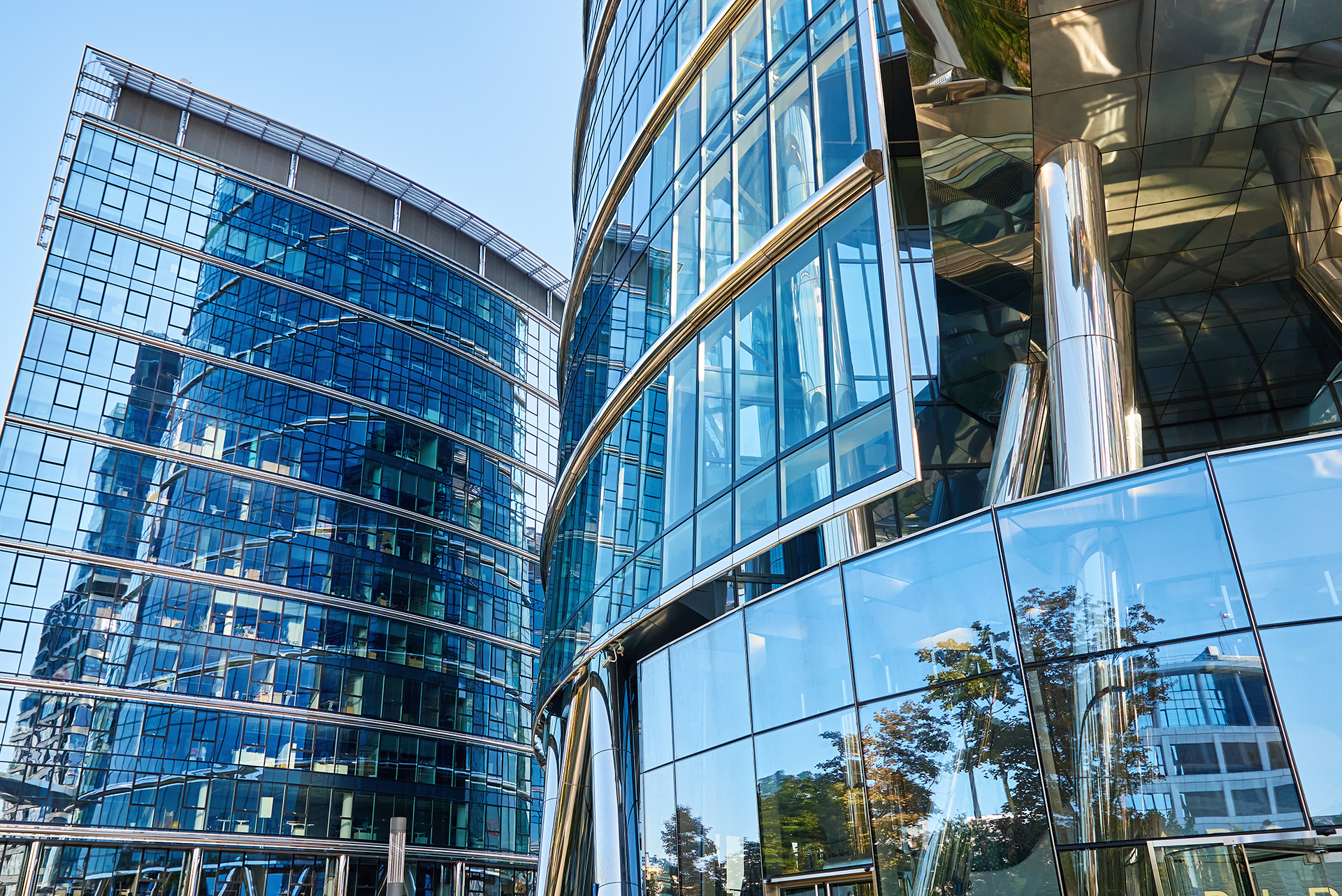
If you own a building and lease space to commercial tenants, we help protect your property and liability as a landlord. Our policies safeguard your investment from damages, lawsuits, and other risks that come with leasing commercial real estate.
Frequently Asked Questions
Quick Answers. Trusted Support.
Insurance doesn’t have to be confusing. We’re here to make everything clear, helpful, and hassle-free.
What states is Mosaic Insurance licensed in?
Mosaic is licensed in more than 10 states, including Washington, Oregon, Arizona, California, Texas, Colorado, and more. Our team can help you whether you live locally in WA or operate across multiple state lines.
We’re especially well-equipped to help clients with multi-state businesses, real estate portfolios, or cannabis operations that need compliance-ready coverage in various jurisdictions.
Can I get quotes from multiple carriers through Mosaic?
Yes. As an independent agency, we partner with a wide range of top-rated insurance carriers. That means you’re not locked into just one company’s pricing or coverage limitations.
Our advisors compare quotes for you, break down the differences, and help you choose the plan that fits best—no pressure, just honest advice.
Does Mosaic offer cannabis insurance, and who qualifies?
Absolutely. Mosaic is one of the few agencies with deep experience in cannabis insurance. We offer coverage for dispensaries, cultivators, delivery services, manufacturers, and labs.
If you're in a licensed state and need coverage that meets regulatory requirements, we can help set you up with carriers who understand the cannabis industry’s unique risks.
What can I do through the client portal?
You can use our 24/7 client portal to request policy changes, submit certificates of insurance, and manage your billing. It’s easy to use and always available.
This helps speed up business tasks and gives you full access to your coverage—even outside of regular office hours.
What should I expect after requesting a quote?
Once you request a quote, our team will reach out to gather a few key details. From there, we shop coverage with multiple carriers and return with clear, personalized options.
We make it easy to compare policies, ask questions, and finalize your protection—usually in 24–48 hours.
Can Mosaic help me file a claim?
Yes. Whether it’s an auto accident, property damage, or business-related issue, we’re here to guide you through the claims process. Our team can explain your coverage, contact the carrier, and help get things moving quickly.
We’re your advocate—before, during, and after a claim. You don’t have to go it alone.
Tips, News & Insights
Explore Our Blog