
Top 3 Recommended Policies

By: Jackson Hering
Licensed Personal Insurance Specialist
425-409-2497
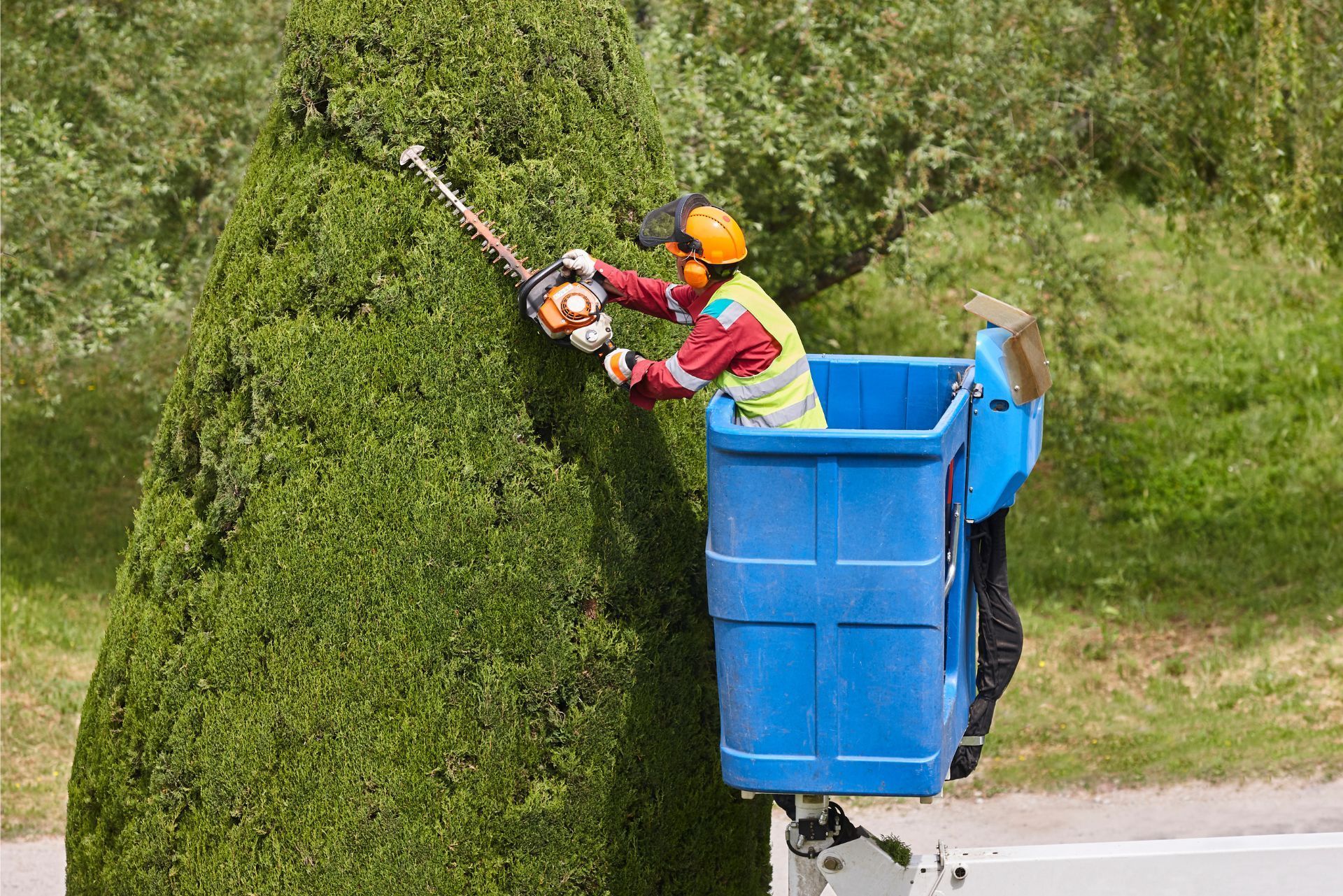
Running a tree trimming operation in Washington state means working at heights, handling heavy machinery, and dealing with unpredictable weather from the Cascades to Puget Sound. A single dropped limb can destroy a client's roof, and one slip from a bucket truck can put a crew member in the hospital for weeks. That's why insurance for tree trimmers in Washington isn't just a box to check: it's the
financial backbone of your business. The tree care market grew from
roughly $1.49 billion in 2025 to about $1.7 billion in 2026, and with that growth comes more competition, more contracts, and more exposure. If you're operating without the right policies, or with gaps you haven't noticed, you're one bad day away from losing everything you've built. This guide breaks down exactly what coverage you need, what Washington's unique regulations demand, and how to keep your premiums from eating into your profits.
Why Washington Tree Services Require Specialized Coverage
Tree care is one of the most dangerous trades in the country. The combination of chainsaw work, aerial lifts, and unpredictable wood grain makes every job a calculated risk. Standard contractor policies don't account for the specific hazards your crews face daily, which is why generic coverage often leaves tree service operators dangerously exposed.
Managing High-Risk Arboriculture Hazards
Between 2020 and 2024, 11 landscaping workers in Washington died, most while performing tree trimming tasks. That statistic alone tells you why insurers treat this trade differently than general landscaping or lawn care. Falling branches, kickback from chainsaws, electrical contact with overhead lines, and struck-by incidents are all common claim triggers.
Your policy needs to reflect these realities. A general contractor's insurance package won't cover the full scope of aerial tree removal or stump grinding near underground utilities. Insurers who specialize in arboriculture understand the difference between pruning a backyard ornamental and taking down a 90-foot Douglas fir next to a power line.
State-Specific Liability and Property Risks
Washington's climate creates unique exposure. Winter ice storms snap branches and topple weakened trees, creating emergency removal calls where crews work fast under dangerous conditions. Western Washington's heavy rainfall saturates soil, making root systems unstable and increasing the chance of unplanned tree falls during removal.
Property density matters too. In cities like Seattle, Tacoma, and Bellevue, homes sit close together. A miscalculated fell can land on a neighbor's fence, car, or worse. Rural Eastern Washington jobs bring different risks: remote sites, longer response times for emergencies, and wildfire-damaged trees that are structurally compromised. Your insurance needs to account for where you work, not just what you do.
Essential Insurance Policies for Tree Care Professionals
No single policy covers everything. Tree care businesses need a layered approach, with each policy addressing a different type of financial exposure. Here's what a solid insurance stack looks like.
General Liability for Property Damage and Bodily Injury
General liability is your first line of defense. It covers third-party property damage (like a falling limb crushing a client's car) and bodily injury to non-employees (like a pedestrian hit by debris). Registered tree service providers in Seattle, for example, must show proof of commercial general liability insurance with a minimum $1,000,000 limit per occurrence.
Most commercial clients and municipalities won't hire you without a certificate of insurance showing at least $1 million per occurrence and $2 million aggregate. If you're bidding on government contracts or HOA work, expect requests for even higher limits.
Inland Marine Coverage for Specialized Equipment
Your chainsaws, stump grinders, rigging gear, and climbing equipment represent tens of thousands of dollars in investment. Standard property policies often exclude tools and equipment that travel between job sites. Inland marine coverage fills that gap, protecting your gear whether it's on a truck, at a client's property, or stored in your yard.
A single stolen chainsaw might cost $1,200 to replace. But if someone cleans out your trailer overnight, you could be looking at $15,000 to $30,000 in losses. Inland marine premiums are relatively low compared to the replacement cost of specialized arborist equipment.
Professional Liability and Errors & Omissions
This is the policy many tree trimmers skip, and it's a costly mistake. Professional liability covers you if a client claims your work was negligent or your advice caused harm. Say you recommend preserving a tree that later falls on a structure, or you prune in a way that kills a heritage oak. E&O insurance pays for your legal defense and any resulting damages.
Cities with tree preservation ordinances, like Seattle's protected tree regulations, increase your E&O exposure. Removing or damaging a protected tree without proper permits can trigger fines and lawsuits that general liability won't touch.
Washington State Workers' Compensation Requirements
Washington handles workers' comp differently than most states, and this catches many new business owners off guard.
Navigating the Monopolistic State Fund (L&I)
Washington is one of only four monopolistic workers' compensation states. You can't buy workers' comp from a private insurer. Instead, you must purchase coverage through the Washington State Department of Labor & Industries (L&I). There's no shopping around for better rates from competing carriers.
Every employer with even one employee must carry L&I coverage. Sole proprietors can elect coverage for themselves, and doing so is smart given the physical risks of tree work. Penalties for non-compliance include fines, back-payment of premiums, and personal liability for any workplace injuries.
Class Codes and Premium Factors for Tree Trimming
L&I assigns risk classifications that determine your premium rate. Tree trimming and removal fall under high-risk class codes, which means your rates per hour of payroll will be significantly higher than, say, a landscaping company that only mows lawns.
Your experience modification rate (EMR) also plays a role. A clean claims history lowers your EMR below 1.0, reducing premiums. Frequent or severe claims push it above 1.0, and you'll pay more. Documenting safety training, maintaining equipment logs, and conducting regular jobsite audits all help keep your EMR favorable.
Commercial Auto Insurance for Tree Service Fleets
Your vehicles are both your transportation and your worksite. A standard personal auto policy won't cover commercial use, and your fleet likely includes specialized rigs that need specific coverage.
Coverage for Bucket Trucks and Chipper Units
Bucket trucks, chip trucks, and vehicles towing wood chippers require commercial auto policies that account for their value and use. A bucket truck alone can cost $50,000 to $150,000, and a total loss without proper coverage could shut down your operation.
| Coverage Type | What It Covers | Typical Limit |
|---|---|---|
| Liability | Damage/injury you cause to others | $1M per accident |
| Collision | Damage to your vehicle in an accident | Actual cash value |
| Comprehensive | Theft, vandalism, weather damage | Actual cash value |
| Hired/Non-owned | Employee using personal vehicle for work | $1M per accident |
| Uninsured Motorist | Other driver has no insurance | $500K+ |
Make sure your policy covers attached equipment like boom arms and chipper units. Some auto policies exclude permanently mounted equipment, which would leave your most expensive assets unprotected.
Factors Influencing Insurance Costs in the Pacific Northwest
A typical tree service insurance bundle, including a business owner's policy, workers' comp, and professional liability, costs an average of $489 per month or $5,869 per year. But your actual costs will vary based on several factors.
Business Size and Annual Revenue Impact
A solo operator with $150,000 in annual revenue will pay far less than a company running five crews and grossing $1.5 million. Insurers calculate premiums based on payroll, revenue, and the number of employees, because more workers and more jobs mean more opportunities for claims.
A business owner's policy for Washington tree service companies averages around $225 per month. Smaller operations with clean records can come in under that figure, while larger companies with multiple vehicles and crews should budget more.
Safety Protocols and Claims History
Your claims history over the past three to five years is the single biggest factor in your premium. One serious injury claim or a large property damage payout can increase your rates for years. On the flip side, proactive risk management can meaningfully lower overall insurance costs.
Practical steps that insurers reward include documented daily safety briefings, TCIA or ISA certifications for crew leaders, regular equipment maintenance logs, drug testing programs, and written safety manuals. These aren't just good practice: they're direct premium reducers.
How to Secure the Right Coverage for Your Business
Finding the right insurance for your Washington tree trimming business takes more than grabbing the cheapest quote online.
Comparing Local vs. National Insurance Providers
National carriers like The Hartford, Nationwide, and Progressive Commercial offer tree service policies, but they don't always understand Washington's specific requirements. Local or regional agents familiar with L&I rules, Seattle's tree service registry, and Pacific Northwest weather risks can often build better-fitting policies.
Independent agents who work with multiple carriers give you the best of both worlds. They can compare pricing across several insurers while tailoring coverage to your specific operation. Ask any prospective agent how many tree service clients they currently insure in Washington. If the answer is zero, keep looking.
Reviewing Policy Exclusions and Endorsements
Every policy has exclusions, and the ones buried in tree service policies can be devastating if you don't catch them. Common exclusions include damage from pollutants (like diesel spills from equipment), work performed above a certain height, and damage to property in your care, custody, or control.
Read the exclusion list before you sign. If your work regularly involves crane-assisted removals, herbicide application, or work near power lines, confirm those activities are covered. Endorsements can add back coverage that standard policies exclude, but you have to ask for them.
FAQ
Do I need insurance to trim trees in Washington state? Yes. Most cities require proof of general liability insurance, and Washington state mandates workers' comp through L&I if you have employees. Operating without coverage can result in fines and personal liability for damages.
How much does tree trimmer insurance cost in Washington? A bundled policy averages about $489 per month. Your actual cost depends on crew size, revenue, claims history, and the types of services you offer.
Can I buy workers' comp from a private insurer in Washington? No. Washington is a monopolistic state for workers' comp. You must purchase coverage through the Department of Labor & Industries.
Does general liability cover my equipment if it's stolen? No. General liability covers third-party property damage and bodily injury. You need inland marine coverage to protect tools and equipment that travel between job sites.
What happens if I damage a protected tree in Seattle? You could face city fines and a lawsuit from the property owner. Professional liability or E&O insurance covers claims related to negligent work or bad advice, which general liability typically won't.
Making the Right Choice for Your Tree Service
Washington's combination of monopolistic workers' comp, city-level registration requirements, and high-risk working conditions makes insurance for tree trimmers here more complex than in most states. Don't treat your policy as a set-it-and-forget-it expense. Review your coverage annually, especially if you've added employees, purchased new equipment, or expanded into new service areas. Get quotes from at least three agents, and make sure at least one specializes in arborist or tree care businesses. The right coverage protects your crew, your clients, and the business you've worked hard to grow. Start by documenting your full exposure: every vehicle, every piece of equipment, every employee, and every type of service you perform. That inventory is the foundation of a policy that actually works when you need it.

About The Author:
Jackson Hering
I'm a fourth-generation insurance agent, having learned the business firsthand while working alongside my father. With years of experience passed down through my family, I take pride in combining that legacy knowledge with a modern, client-focused approach. I started my career at a small, family-owned agency and worked my way up, gaining a deep understanding of the industry from the ground up.
Contact Us
Coverage for Everyday Life
Personal Insurance That Works for You
We help individuals and families find coverage that keeps life moving—without overpaying or getting lost in fine print. From auto and home insurance to umbrella and life protection, our licensed team compares options across top-rated carriers to make sure you’re covered the right way, right now.
Auto Insurance
Drive with confidence and coverage that fits your needs.
Home Insurance
Coverage for fire, theft, liability, and more.
Renters Insurance
Affordable protection for your belongings and personal liability.

Boat Insurance
Coverage for watercraft damage, liability, and gear.
Life Insurance
Prepare for the future with term or whole life policies.
Umbrella Insurance
Extra liability protection for life’s bigger risks.
Protect Your Business Without the Guesswork
Business Insurance Built for Stability & Growth
Running a business comes with risk. We help reduce it. Our team builds custom coverage for your needs, including general liability, property, commercial auto, and cyber protection. We’re fast, responsive, and easy to reach—so your insurance is one less thing to worry about.
Industries We Serve
Tailored by Industry
We understand the risks unique to your business—and how to insure against them.
Contractors & Trades
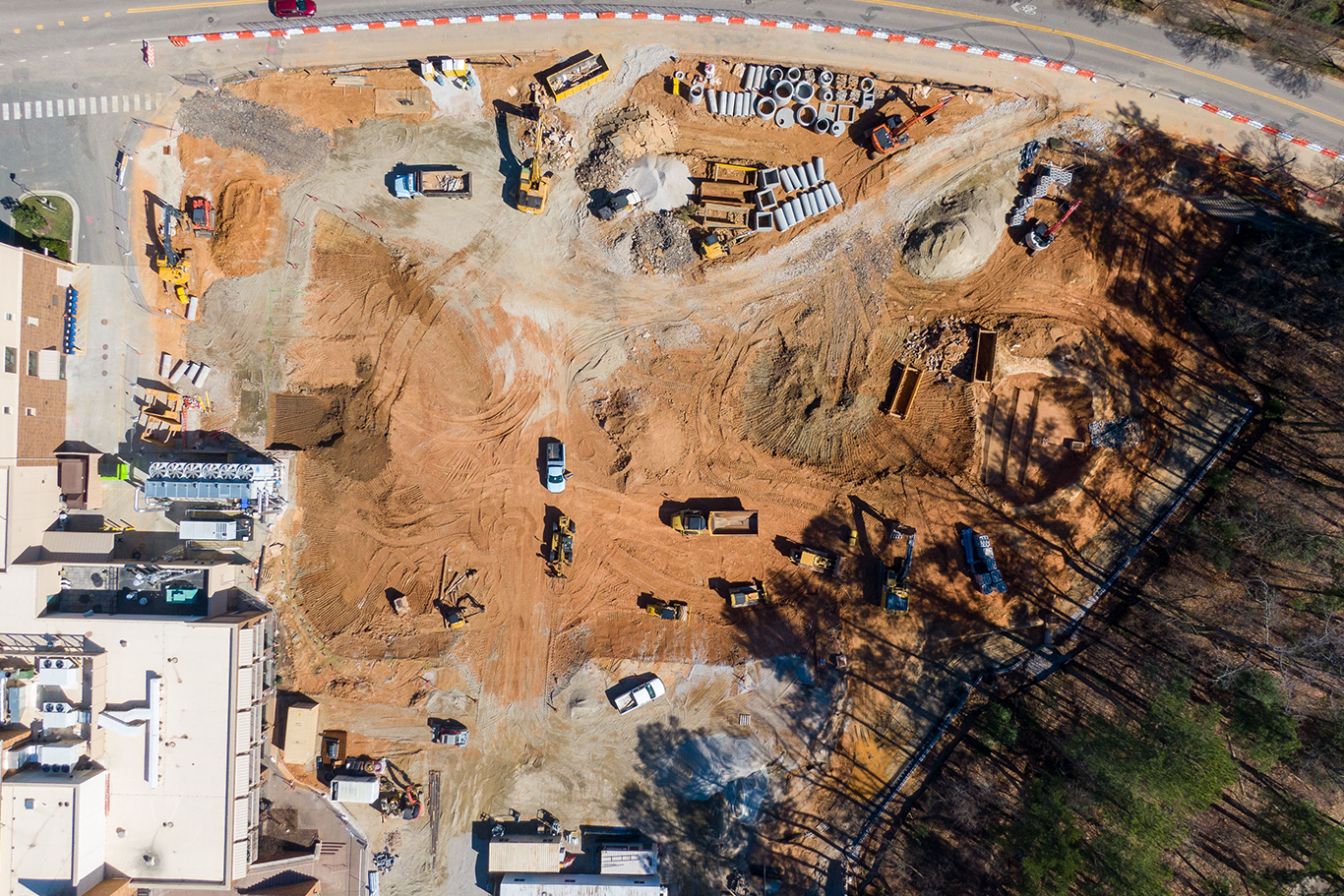
We help contractors protect their tools, vehicles, job sites, and employees with comprehensive insurance solutions. Whether you’re a general contractor, electrician, plumber, or another trade, we provide the coverage you need to keep your projects moving forward safely.
Cannabis Industry
Mosaic specializes in insuring the unique risks of the cannabis industry, including growers, retailers, processors, and delivery services. We understand the compliance challenges you face and work with carriers who can protect every stage of your operation.
Lessor’s Risk (LRO)
If you own a building and lease space to commercial tenants, we help protect your property and liability as a landlord. Our policies safeguard your investment from damages, lawsuits, and other risks that come with leasing commercial real estate.

Frequently Asked Questions
Quick Answers. Trusted Support.
Insurance doesn’t have to be confusing. We’re here to make everything clear, helpful, and hassle-free.
What states is Mosaic Insurance licensed in?
Mosaic is licensed in more than 10 states, including Washington, Oregon, Arizona, California, Texas, Colorado, and more. Our team can help you whether you live locally in WA or operate across multiple state lines.
We’re especially well-equipped to help clients with multi-state businesses, real estate portfolios, or cannabis operations that need compliance-ready coverage in various jurisdictions.
Can I get quotes from multiple carriers through Mosaic?
Yes. As an independent agency, we partner with a wide range of top-rated insurance carriers. That means you’re not locked into just one company’s pricing or coverage limitations.
Our advisors compare quotes for you, break down the differences, and help you choose the plan that fits best—no pressure, just honest advice.
Does Mosaic offer cannabis insurance, and who qualifies?
Absolutely. Mosaic is one of the few agencies with deep experience in cannabis insurance. We offer coverage for dispensaries, cultivators, delivery services, manufacturers, and labs.
If you're in a licensed state and need coverage that meets regulatory requirements, we can help set you up with carriers who understand the cannabis industry’s unique risks.
What can I do through the client portal?
You can use our 24/7 client portal to request policy changes, submit certificates of insurance, and manage your billing. It’s easy to use and always available.
This helps speed up business tasks and gives you full access to your coverage—even outside of regular office hours.
What should I expect after requesting a quote?
Once you request a quote, our team will reach out to gather a few key details. From there, we shop coverage with multiple carriers and return with clear, personalized options.
We make it easy to compare policies, ask questions, and finalize your protection—usually in 24–48 hours.
Can Mosaic help me file a claim?
Yes. Whether it’s an auto accident, property damage, or business-related issue, we’re here to guide you through the claims process. Our team can explain your coverage, contact the carrier, and help get things moving quickly.
We’re your advocate—before, during, and after a claim. You don’t have to go it alone.
Tips, News & Insights
Explore Our Blog