
Top 3 Recommended Policies

By: Jackson Hering
Licensed Personal Insurance Specialist
425-409-2497
Washington's food manufacturing sector feeds millions of people across the Pacific Northwest and beyond, but it also carries a unique set of risks that
most business owners don't fully appreciate until a claim lands on their desk. From contamination events that trigger six-figure recalls to workplace injuries on processing lines, the financial exposure is real and growing. If you operate a food production facility in this state,
your insurance program isn't just a line item on the budget: it's the thing standing between you and a lawsuit that could shut your doors. Carrying the right
food manufacturer insurance in Washington means understanding both the regulatory pressures unique to this state and the operational hazards specific to your product type. A small artisan jam producer in Yakima faces different risks than a high-volume frozen seafood processor in Bellingham, yet both need policies tailored to their exposure. We've seen too many food businesses rely on generic commercial packages that leave critical gaps in coverage, especially around product liability, spoilage, and equipment breakdown. This guide breaks down what you actually need to know: the compliance requirements, the liability exposures, the labor rules, and the supply chain threats that shape how you should buy and structure your coverage. Whether you're running a 5,000-square-foot bakery or a 100,000-square-foot cannery, the principles here will help you make smarter decisions about protecting your business.
The Landscape of Food Manufacturing in Washington State
Economic Impact and Regional Importance
Washington's food manufacturing industry is a significant driver of the state economy, contributing billions in output annually. The state's manufacturing GDP grew roughly 4.1% between 2021 and 2023, a healthy sign, though growth hasn't been evenly distributed across sectors. Food processors benefit from proximity to agricultural powerhouses in the Yakima Valley, the Skagit Valley, and the Columbia Basin, where crops like apples, potatoes, hops, and cherries provide a steady raw material pipeline.
That said, the business climate has been tightening. Nearly two-thirds of manufacturers cited health care costs (63%) and the overall tax burden (62%) as their most pressing challenges. These cost pressures make it even more important to buy insurance wisely rather than over-insuring on some fronts while leaving dangerous gaps elsewhere. A poorly structured policy can quietly drain cash flow for years.
Current Regulatory Environment and Oversight
Washington's food manufacturers operate under a dual layer of regulation: state oversight through the Washington State Department of Agriculture and federal oversight through the FDA and USDA. The state has its own labeling laws, organic certification standards, and facility inspection schedules that go beyond federal minimums.
For insurance purposes, this regulatory density matters. A compliance violation can trigger facility shutdowns, mandatory recalls, and fines that your
standard general liability policy won't cover. You need to think about regulatory defense coverage and whether your policy includes coverage for government-ordered product withdrawals, not just voluntary recalls.

Washington State Department of Agriculture (WSDA) Requirements
The WSDA requires food manufacturing facilities to hold valid food processing licenses, pass routine inspections, and maintain detailed records of sourcing, production, and distribution. If you're selling to schools or public institutions, the requirements get even stricter: institutions generally require between $1 million and $5 million in product liability insurance coverage before they'll sign a contract.
That range isn't arbitrary. A $1 million policy might suffice for a small producer selling granola bars to a single school district. But if you're supplying dairy products or proteins to multiple institutions, you'll likely need $5 million or more. Your broker should be modeling these scenarios based on your actual distribution channels, not guessing.
FSMA and Federal Food Safety Modernization
The Food Safety Modernization Act shifted the FDA's approach from responding to contamination events to preventing them. For Washington food manufacturers, this means you need a documented food safety plan, hazard analysis, and preventive controls. Smaller facilities with under $1 million in annual sales may qualify for modified requirements, but most mid-size and large operations face the full scope.
From an insurance standpoint, FSMA compliance directly affects your risk profile. Carriers look favorably on businesses with documented HACCP plans and third-party audit certifications like SQF or BRC. We've seen premium reductions of 10-15% for facilities that can demonstrate strong food safety programs. If you haven't invested in formal documentation, you're likely paying more than you need to.
Risk Management and Liability Protection
Product Recall and Contamination Insurance
Product recall coverage is one of the most misunderstood policies in food manufacturing. Standard general liability won't pay for the cost of pulling your product off shelves, notifying consumers, disposing of contaminated inventory, or managing the PR fallout. You need a standalone recall policy or a specific endorsement.
A 2022 University of Washington study found that 67% of manufacturing litigation in the state related to product defects. For food producers, defect claims often involve allergen mislabeling, foreign object contamination, or pathogen outbreaks. A single listeria event at a mid-size facility can generate $500,000 or more in recall costs before any lawsuits are filed.
Here's a quick comparison of how different coverage types respond to a contamination event:
| Coverage Type | What It Covers | What It Doesn't Cover |
|---|---|---|
| General Liability | Third-party bodily injury claims from consuming your product | Recall costs, business interruption, brand rehabilitation |
| Product Recall | Notification, transportation, disposal of recalled product, crisis PR | Bodily injury claims, long-term brand damage |
| Product Liability | Legal defense and settlements for injury/illness caused by your product | Your own financial losses, recall logistics |
| Spoilage/Contamination | Loss of inventory due to equipment failure or power outage | Intentional contamination, gradual spoilage from poor storage |
Most food manufacturers need all four of these working together. Relying on just one or two creates dangerous blind spots.
Contractual Safeguards with Suppliers and Distributors
Your insurance program doesn't exist in a vacuum. Every contract you sign with a supplier or distributor should include indemnification clauses, certificate of insurance requirements, and clear allocation of liability. If a supplier delivers contaminated flour and it ends up in your product, you need contractual language that allows your insurer to subrogate against their policy.
We recommend requiring all suppliers to carry at least $1 million in product liability coverage and to name your company as an additional insured on their policy. This is standard practice, but many smaller food manufacturers skip it. Don't.
Workplace Safety and Labor Compliance
Washington L&I Safety Protocols
Washington is one of four states that operates a monopolistic workers' compensation system through the Department of Labor & Industries. You can't buy workers' comp from a private carrier here: you pay into the state fund. Rates vary by classification code, and food manufacturing codes typically run between $1.50 and $4.00 per $100 of payroll depending on the specific operation.
Processing lines with heavy machinery, sharp blades, and high-temperature equipment carry higher rates. L&I conducts workplace inspections and can issue citations with fines ranging from a few hundred dollars to $70,000 for willful violations. Keeping detailed safety logs, conducting regular equipment maintenance, and running documented training programs will help keep your experience modification rate low, which directly reduces your premiums over time.
Managing Seasonal and Agricultural Labor Laws
Many Washington food manufacturers rely on seasonal workers, especially during harvest-driven production peaks from July through October. This creates unique insurance challenges. Your payroll fluctuates significantly, which means your workers' comp premiums need mid-term adjustments to avoid a painful audit surprise at year-end.
Washington also has specific agricultural labor laws covering overtime, housing standards for temporary workers, and heat exposure protections. If you're using H-2A visa workers, you'll need to carry specific coverage for their housing and transportation. Failing to comply doesn't just create legal risk: it can void portions of your insurance coverage if a claim arises from a non-compliant working condition.
Securing the Supply Chain and Infrastructure
Cybersecurity for Automated Production Lines
Modern food manufacturing facilities increasingly rely on automated systems for everything from mixing and portioning to packaging and labeling. These systems are networked, which makes them vulnerable to cyberattacks. A ransomware event that locks your production line for even 48 hours can mean hundreds of thousands in lost product, especially for perishable goods.
Cyber liability insurance for food manufacturers should cover business interruption from a cyber event, data breach notification costs, and forensic investigation expenses. Premiums for mid-size food manufacturers typically range from $2,000 to $10,000 annually depending on your network security posture and revenue. If you're running SCADA systems or IoT-connected equipment, your exposure is higher than you might think.
Physical Security and Food Defense Planning
The FDA's Intentional Adulteration rule under FSMA requires certain food facilities to develop food defense plans that address the risk of deliberate contamination. This goes beyond food safety into physical security: access controls, visitor logs, surveillance systems, and background checks for employees with access to critical production areas.
Your property insurance should account for these security investments. Many carriers offer premium credits for facilities with documented food defense plans, restricted access zones, and 24/7 monitoring. If you're storing high-value ingredients like specialty proteins or organic raw materials, inland marine coverage can protect against theft and transit losses that standard property policies exclude.
Future-Proofing Washington's Food Industry
The food manufacturing sector in Washington faces a crossroads. Only 10% of manufacturers plan to expand within the state in the next year or two, down from 18% the previous year. Cost pressures, regulatory complexity, and workforce challenges are pushing some producers to consider operations elsewhere. For those committed to staying and growing here, a strong insurance program isn't optional: it's a competitive advantage.
Technology will play a growing role in how facilities operate and how they're insured. Industry forecasters predict that AI will shift from small pilots to the "brain" of food factories in 2026, bringing new expectations around governance, safety, and compliance. As automation increases, your coverage needs will shift too: less traditional workers' comp exposure, more cyber and equipment breakdown risk.
The smartest move you can make right now is to schedule an annual insurance review with a broker who specializes in food manufacturing. Bring your current policies, your most recent WSDA inspection report, your supplier contracts, and your payroll projections for the next 12 months. A thorough review will reveal gaps you didn't know existed and savings you're currently leaving on the table. Washington food manufacturer insurance isn't a one-time purchase: it's a living program that needs to evolve alongside your business.
FAQ
How much does product liability insurance cost for a small food manufacturer in Washington? Premiums typically start around $1,500 to $3,000 per year for a small operation with under $500,000 in revenue. Costs increase based on product type, distribution volume, and claims history. High-risk products like dairy, meat, and seafood cost more to insure.
Do I need separate recall insurance, or is it included in my general liability policy? It's almost never included. General liability covers injury claims from consumers, but recall costs like pulling product, shipping it back, and disposing of it require a separate recall policy or endorsement. Don't assume you're covered without checking.
Can I buy workers' compensation from a private insurer in Washington? No. Washington runs a state-managed workers' comp fund through the Department of Labor & Industries. All employers must pay into this fund. You can't opt for a private carrier, though you can self-insure if you meet strict financial qualifications.
How often should I review my food manufacturing insurance program? At least once a year, and any time you add a new product line, change suppliers, expand your facility, or significantly increase revenue. Seasonal businesses should also do a mid-year check to adjust payroll estimates and inventory limits.
Does my insurance cover losses from a power outage that spoils inventory? Only if you carry spoilage coverage, which is typically an endorsement on your property policy. Standard property insurance covers fire and certain perils but often excludes equipment breakdown or utility failure. Ask your broker specifically about spoilage and equipment breakdown endorsements.

About The Author:
Jackson Hering
I'm a fourth-generation insurance agent, having learned the business firsthand while working alongside my father. With years of experience passed down through my family, I take pride in combining that legacy knowledge with a modern, client-focused approach. I started my career at a small, family-owned agency and worked my way up, gaining a deep understanding of the industry from the ground up.
Contact Us
Coverage for Everyday Life
Personal Insurance That Works for You
We help individuals and families find coverage that keeps life moving—without overpaying or getting lost in fine print. From auto and home insurance to umbrella and life protection, our licensed team compares options across top-rated carriers to make sure you’re covered the right way, right now.
Auto Insurance
Drive with confidence and coverage that fits your needs.
Home Insurance
Coverage for fire, theft, liability, and more.
Renters Insurance
Affordable protection for your belongings and personal liability.

Boat Insurance
Coverage for watercraft damage, liability, and gear.
Life Insurance
Prepare for the future with term or whole life policies.
Umbrella Insurance
Extra liability protection for life’s bigger risks.
Protect Your Business Without the Guesswork
Business Insurance Built for Stability & Growth
Running a business comes with risk. We help reduce it. Our team builds custom coverage for your needs, including general liability, property, commercial auto, and cyber protection. We’re fast, responsive, and easy to reach—so your insurance is one less thing to worry about.
Industries We Serve
Tailored by Industry
We understand the risks unique to your business—and how to insure against them.
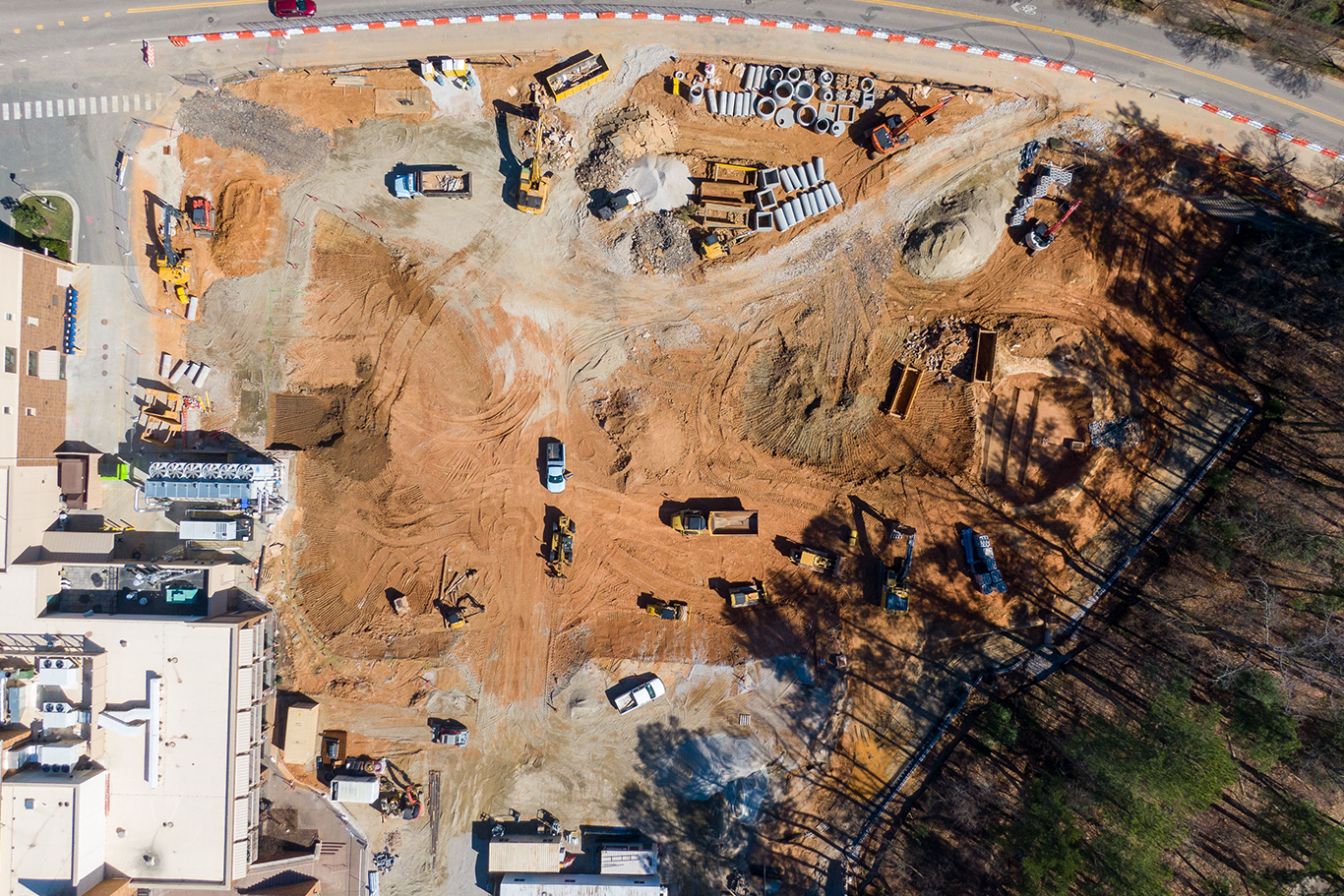
Contractors & Trades
We help contractors protect their tools, vehicles, job sites, and employees with comprehensive insurance solutions. Whether you’re a general contractor, electrician, plumber, or another trade, we provide the coverage you need to keep your projects moving forward safely.
Cannabis Industry
Mosaic specializes in insuring the unique risks of the cannabis industry, including growers, retailers, processors, and delivery services. We understand the compliance challenges you face and work with carriers who can protect every stage of your operation.
Lessor’s Risk (LRO)
If you own a building and lease space to commercial tenants, we help protect your property and liability as a landlord. Our policies safeguard your investment from damages, lawsuits, and other risks that come with leasing commercial real estate.
Frequently Asked Questions
Quick Answers. Trusted Support.
Insurance doesn’t have to be confusing. We’re here to make everything clear, helpful, and hassle-free.
What states is Mosaic Insurance licensed in?
Mosaic is licensed in more than 10 states, including Washington, Oregon, Arizona, California, Texas, Colorado, and more. Our team can help you whether you live locally in WA or operate across multiple state lines.
We’re especially well-equipped to help clients with multi-state businesses, real estate portfolios, or cannabis operations that need compliance-ready coverage in various jurisdictions.
Can I get quotes from multiple carriers through Mosaic?
Yes. As an independent agency, we partner with a wide range of top-rated insurance carriers. That means you’re not locked into just one company’s pricing or coverage limitations.
Our advisors compare quotes for you, break down the differences, and help you choose the plan that fits best—no pressure, just honest advice.
Does Mosaic offer cannabis insurance, and who qualifies?
Absolutely. Mosaic is one of the few agencies with deep experience in cannabis insurance. We offer coverage for dispensaries, cultivators, delivery services, manufacturers, and labs.
If you're in a licensed state and need coverage that meets regulatory requirements, we can help set you up with carriers who understand the cannabis industry’s unique risks.
What can I do through the client portal?
You can use our 24/7 client portal to request policy changes, submit certificates of insurance, and manage your billing. It’s easy to use and always available.
This helps speed up business tasks and gives you full access to your coverage—even outside of regular office hours.
What should I expect after requesting a quote?
Once you request a quote, our team will reach out to gather a few key details. From there, we shop coverage with multiple carriers and return with clear, personalized options.
We make it easy to compare policies, ask questions, and finalize your protection—usually in 24–48 hours.
Can Mosaic help me file a claim?
Yes. Whether it’s an auto accident, property damage, or business-related issue, we’re here to guide you through the claims process. Our team can explain your coverage, contact the carrier, and help get things moving quickly.
We’re your advocate—before, during, and after a claim. You don’t have to go it alone.
Tips, News & Insights
Explore Our Blog