
Top 3 Recommended Policies

By: Jackson Hering
Licensed Personal Insurance Specialist
425-409-2497
Washington state presents a unique mix of opportunity and risk for
commercial property owners. From the seismic activity along the Cascadia Subduction Zone to the wildfire smoke seasons that have intensified over the past decade, your buildings face threats that differ sharply from those in other parts of the country. A single uninsured earthquake or flood event can wipe out years of rental income and equity. That's why commercial real estate insurance in Washington isn't just a line item on your budget; it's the foundation of your entire investment strategy. Whether you own a mixed-use building in Seattle's Capitol Hill, a
warehouse in Spokane, or a
retail strip in Tacoma, understanding how to protect your assets requires more than a basic policy. You need coverage tailored to Washington's specific climate, legal environment, and market conditions. This guide walks you through insurance essentials, legal protections, physical security, financial strategies, and sustainability measures that together form a comprehensive shield around your portfolio.
Washington's commercial property market has stayed active through 2025 and into 2026, driven by continued tech sector growth in the Puget Sound region, logistics expansion near the Port of Tacoma, and a steady stream of multifamily development in mid-sized cities like Bellingham and Olympia. But market activity doesn't eliminate risk. The state sits squarely in the Pacific Ring of Fire, and FEMA has classified large portions of western Washington as high-risk flood zones.
Insurance costs here reflect those realities. Commercial property premium increases moderated to approximately 6% in Q4 2024, a notable drop from the double-digit hikes that plagued the market in 2022 and 2023. That said, earthquake and flood endorsements still carry steep price tags in many ZIP codes, and carriers have tightened underwriting standards for properties in lahar zones near Mount Rainier and wildfire-prone areas in eastern Washington.
For property owners, this means shopping for coverage has become a more strategic exercise. You can't simply renew last year's policy and assume you're protected. Building valuations have shifted, replacement costs have climbed with construction material inflation, and new exclusions may have appeared in your renewal terms. A thorough annual review with a broker who knows Washington's market is no longer optional.

Essential Insurance Coverage for Washington Properties
Mitigating Risks of Natural Disasters and Seismic Activity
Standard commercial property policies in Washington typically exclude earthquake and flood damage. You'll need separate endorsements or standalone policies for both. Earthquake coverage premiums vary widely: a masonry building in downtown Seattle might see annual premiums of $3,000 to $8,000 per million of coverage, while a newer steel-frame structure could cost significantly less. Deductibles for earthquake policies often run between 10% and 25% of the building's insured value, so a $5 million property could carry a deductible of $500,000 or more.
Flood insurance through the National Flood Insurance Program (NFIP) caps commercial coverage at $500,000 for the building and $500,000 for contents. If your property value exceeds those limits, you'll want excess flood coverage from a private carrier. Properties in Zone X (moderate risk) might pay $1,500 to $3,000 annually, while those in Zone A or AE can see premiums exceeding $10,000.
Don't overlook wildfire smoke damage either. Smoke infiltration can destroy HVAC systems, stain interiors, and trigger tenant complaints. Some policies cover smoke damage only from fires on your property, not from regional wildfire events. Check your policy language carefully.
Liability Protection and Business Interruption Insurance
General liability coverage protects you when someone slips on an icy sidewalk outside your building or gets injured in a common area. Most Washington landlords carry $1 million per occurrence with a $2 million aggregate, though properties with heavy foot traffic, like retail centers, often need higher limits.
Business interruption insurance is the coverage most owners undervalue until they need it. If a covered event forces your tenants out, this policy replaces lost rental income during the repair period. Look for policies that include "extended period of indemnity," which continues payments for 6 to 12 months after repairs finish, giving you time to re-lease vacant spaces. A mid-sized
office building generating $30,000 per month in rent could lose $180,000 or more during a six-month shutdown, and that doesn't count the cost of tenant improvement allowances needed to attract replacement tenants.
Legal Safeguards and Regulatory Compliance
Structuring Robust Commercial Lease Agreements
Your lease is your first line of defense. In Washington, commercial leases aren't subject to the same consumer protections as residential agreements, which gives you more flexibility but also more responsibility to get the terms right.
Every commercial lease should include clear insurance requirements for tenants. Require tenants to carry their own general liability policy (typically $1 million per occurrence), name you as an additional insured, and provide certificates of insurance before move-in and at each renewal. Include a provision requiring tenants to maintain property coverage on their own improvements and betterments. Without this language, you could end up footing the bill for damage to a tenant's custom buildout.
Triple-net (NNN) lease structures pass property taxes, insurance costs, and maintenance expenses to tenants. These are common in Washington retail and industrial properties and can protect your cash flow from rising insurance premiums. Just make sure your lease clearly defines what counts as an "operating expense" to avoid disputes.
Adhering to Washington Landlord-Tenant and Zoning Laws
Washington's Revised Code of Washington (RCW) Chapter 59.18 primarily governs residential tenancies, but commercial landlords still face regulatory obligations. Local zoning codes in cities like Seattle, Bellevue, and Tacoma dictate permitted uses, parking ratios, signage, and building modifications. Violating zoning rules can void your insurance coverage if a claim arises from an unpermitted use.
The state also requires compliance with the Washington Industrial Safety and Health Act (WISHA) for common areas you control. If a building code violation contributes to an injury, your liability insurer may deny the claim or pursue subrogation against you. Stay current on local building inspections and fire marshal requirements. Keep documentation of every inspection, repair, and code update in a centralized file.

Physical Security and Asset Maintenance
Implementing Modern Surveillance and Access Control
Security investments pay for themselves through both loss prevention and insurance premium reductions. Many carriers offer discounts of 5% to 15% for properties with monitored alarm systems, security cameras with 30-day retention, and electronic access control on all entry points.
Key card or fob systems create an audit trail that proves invaluable during theft or vandalism claims. If you can show your insurer exactly who accessed the building and when, claim processing speeds up considerably. For larger properties, consider integrating your security system with a central monitoring service that can dispatch emergency responders automatically.
Preventative Maintenance to Preserve Property Value
Deferred maintenance is the silent killer of insurance claims. A roof that hasn't been inspected in three years, a parking lot with crumbling asphalt, or a boiler past its service life can all lead to denied claims. Insurers increasingly require proof of maintenance schedules during underwriting.
Create a documented maintenance calendar that covers roof inspections (twice yearly), HVAC servicing (quarterly), plumbing checks, fire suppression system testing, and elevator certifications. Budget 1% to 2% of the property's value annually for capital maintenance reserves. This isn't just good practice; it's a requirement many lenders build into their loan covenants.
Financial and Tax Protection Strategies
Managing Property Tax Assessments and Appeals
Washington has no state income tax, but property taxes fund a large share of local government budgets. Commercial properties in King County face effective tax rates that can exceed $12 per $1,000 of assessed value. If your assessment doesn't reflect current market conditions, you're overpaying, and those excess costs flow through to your operating expenses and insurance valuations.
You can appeal your assessment through the county Board of Equalization. The deadline is typically July 1 of the assessment year, and you'll need comparable sales data, income approach valuations, or an independent appraisal to support your case. Successful appeals can reduce your tax bill by 10% to 20%, freeing up cash for better insurance coverage or property improvements.
Utilizing LLCs and Legal Entities for Asset Protection
Holding each commercial property in a separate LLC is standard practice in Washington and for good reason. If a catastrophic liability event exceeds your insurance limits, the LLC structure prevents a judgment from reaching your personal assets or other properties.
Washington's LLC filing fee is $200, with a $60 annual report. The cost is minimal compared to the protection it provides. Work with a real estate attorney to ensure your operating agreements include proper indemnification clauses and that your insurance policies list the correct legal entity as the named insured. A mismatch between your deed, your LLC, and your policy can create coverage gaps that surface at the worst possible time.
Environmental and Sustainability Considerations
Washington's commitment to environmental regulation directly affects commercial property owners. The state's Climate Commitment Act, passed in 2021, has driven new energy efficiency standards for commercial buildings. Seattle's Building Emissions Performance Standard requires large commercial buildings to meet specific emissions targets by 2027, with penalties for noncompliance.
From an insurance perspective, environmental liability coverage protects you against claims related to mold, asbestos, lead paint, and underground storage tanks. A Phase I Environmental Site Assessment costs $2,000 to $5,000 and is worth every dollar before acquiring a property. If contamination is discovered after purchase, remediation costs can run into six figures, and standard property policies exclude pollution-related claims entirely.
Green building upgrades, like high-efficiency HVAC systems, solar panels, and improved insulation, can qualify you for insurance discounts and reduce your operating costs simultaneously. Some carriers now offer "green rebuilding" endorsements that cover the cost of rebuilding to current energy codes rather than original specifications after a loss.
Building a Resilient Portfolio for the Long Term
Protecting commercial real estate in Washington requires a layered approach. Insurance forms the financial backbone, but it works best alongside strong lease agreements, proactive maintenance, smart entity structuring, and environmental compliance. No single policy or strategy covers every risk.
Review your coverage annually, not just at renewal. Mid-year changes like tenant turnover, capital improvements, or shifts in property use can all affect your exposure. Work with an independent insurance broker who represents multiple carriers and understands Washington-specific risks, from lahars to landslides to legislative changes.
The owners who build lasting portfolios aren't necessarily the ones who buy the cheapest policies. They're the ones who understand their risks, document their assets thoroughly, and treat insurance as a strategic tool rather than an afterthought. Start by requesting updated quotes from at least three carriers, reviewing your lease insurance requirements, and scheduling deferred maintenance before your next policy renewal.
FAQ
Do I need earthquake insurance for my commercial property in Washington? Standard commercial property policies exclude earthquake damage. If your building is in western Washington, earthquake coverage is strongly recommended. Premiums and deductibles vary based on construction type, location, and building age.
How much does commercial property insurance typically cost in Washington? Annual premiums range from $1,500 to $15,000+ depending on building size, location, construction type, and coverage limits. Properties in high-risk flood or seismic zones pay more. Expect to budget $0.50 to $3.00 per $100 of insured value.
Can my insurance claim be denied if I haven't kept up with building maintenance? Yes. Insurers can deny claims caused by deferred maintenance or code violations. Documented maintenance records strengthen your position during the claims process.
Should I require my commercial tenants to carry their own insurance? Always. Require tenants to maintain general liability coverage, name you as an additional insured, and provide proof of coverage before occupying the space. This protects both parties and reduces your exposure.
What's the difference between replacement cost and actual cash value coverage?
Replacement cost pays to rebuild or repair your property at current prices. Actual cash value deducts depreciation, which can leave you significantly underinsured on older buildings. Replacement cost policies are worth the higher premium.
| Coverage Type | What It Covers | Typical Annual Cost | Key Consideration |
|---|---|---|---|
| Commercial Property | Building damage from fire, wind, vandalism | $1,500 - $10,000+ | Excludes flood and earthquake |
| General Liability | Third-party bodily injury, property damage | $800 - $5,000 | Higher for retail/public-facing properties |
| Earthquake | Seismic damage to structure and contents | $3,000 - $8,000 per $1M | Deductibles often 10%-25% of insured value |
| Flood (NFIP) | Water damage from flooding | $1,500 - $10,000+ | Caps at $500K building / $500K contents |
| Business Interruption | Lost rental income during repairs | Bundled or $500 - $3,000 | Look for extended indemnity periods |
| Environmental Liability | Pollution, mold, contamination claims | $2,000 - $8,000 | Excluded from standard property policies |

About The Author:
David Graves
As a Licensed Personal Insurance Specialist at Mosaic Insurance, I’m dedicated to helping clients protect their homes, vehicles, and families with coverage they can trust. My goal is to make insurance simple, transparent, and personalized—so every client feels confident knowing they’re properly protected.
Contact Us
Coverage for Everyday Life
Personal Insurance That Works for You
We help individuals and families find coverage that keeps life moving—without overpaying or getting lost in fine print. From auto and home insurance to umbrella and life protection, our licensed team compares options across top-rated carriers to make sure you’re covered the right way, right now.
Auto Insurance
Drive with confidence and coverage that fits your needs.
Home Insurance
Coverage for fire, theft, liability, and more.
Renters Insurance
Affordable protection for your belongings and personal liability.

Boat Insurance
Coverage for watercraft damage, liability, and gear.
Life Insurance
Prepare for the future with term or whole life policies.
Umbrella Insurance
Extra liability protection for life’s bigger risks.
Protect Your Business Without the Guesswork
Business Insurance Built for Stability & Growth
Running a business comes with risk. We help reduce it. Our team builds custom coverage for your needs, including general liability, property, commercial auto, and cyber protection. We’re fast, responsive, and easy to reach—so your insurance is one less thing to worry about.
Industries We Serve
Tailored by Industry
We understand the risks unique to your business—and how to insure against them.
Contractors & Trades
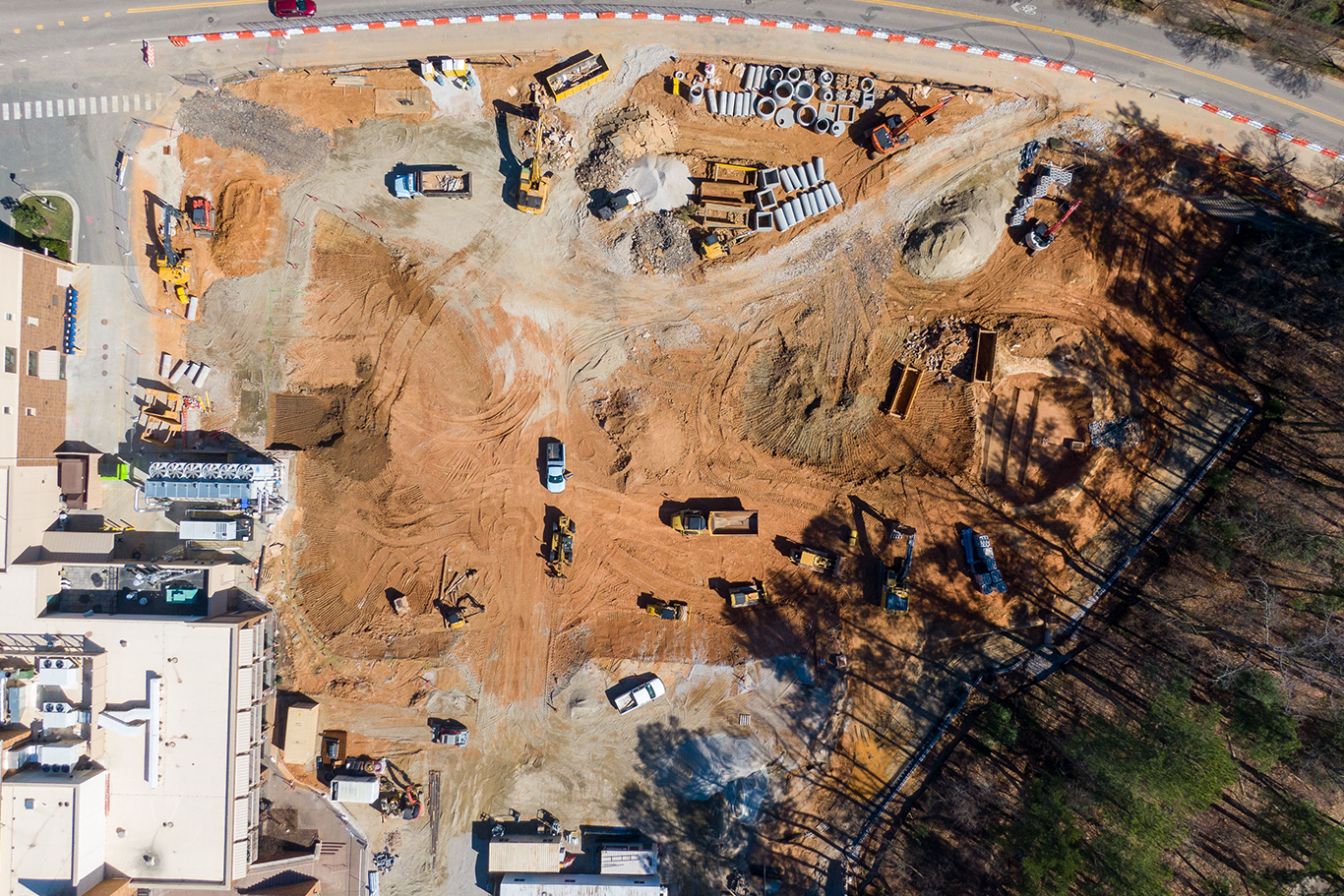
We help contractors protect their tools, vehicles, job sites, and employees with comprehensive insurance solutions. Whether you’re a general contractor, electrician, plumber, or another trade, we provide the coverage you need to keep your projects moving forward safely.
Cannabis Industry
Mosaic specializes in insuring the unique risks of the cannabis industry, including growers, retailers, processors, and delivery services. We understand the compliance challenges you face and work with carriers who can protect every stage of your operation.

Lessor’s Risk (LRO)
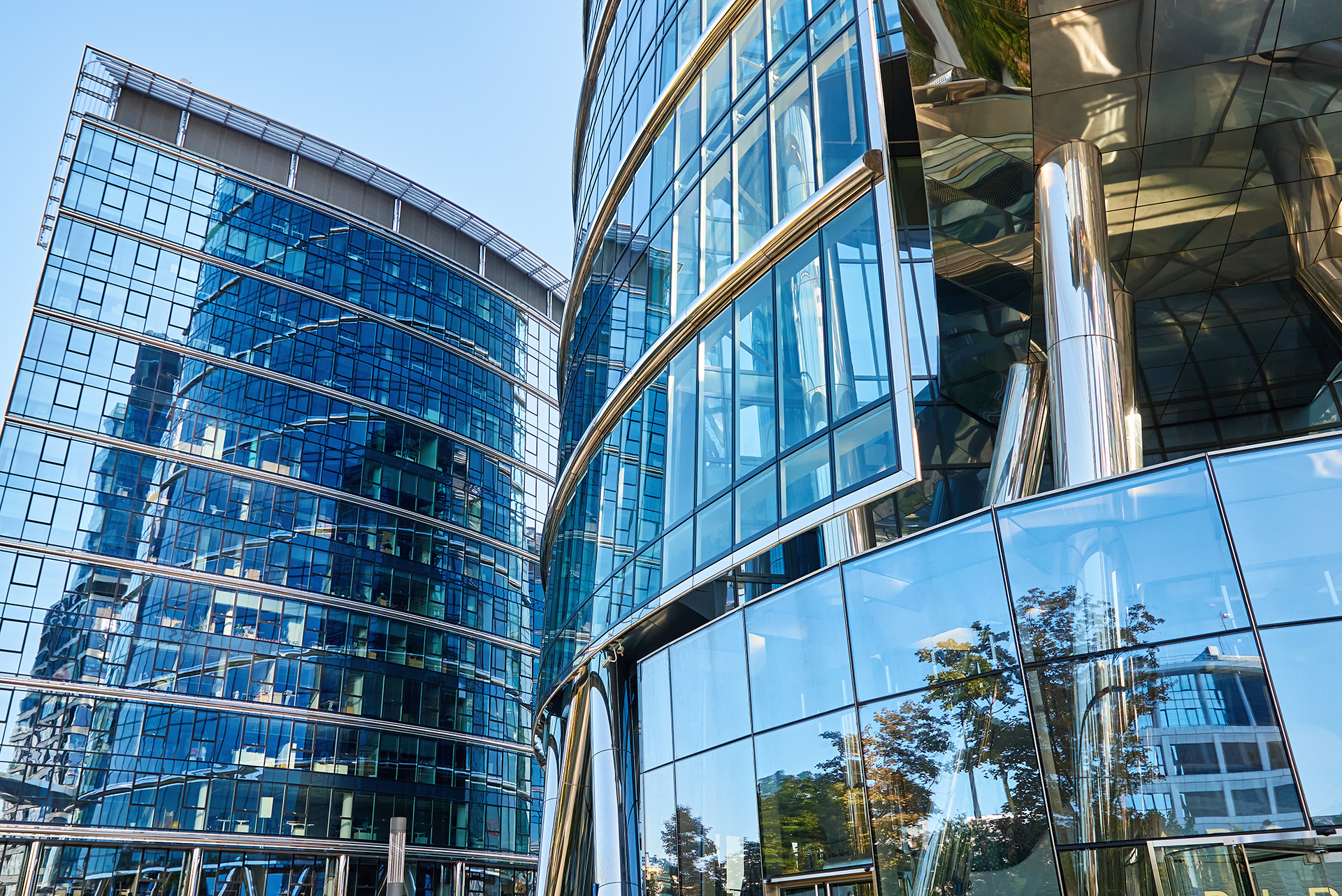
If you own a building and lease space to commercial tenants, we help protect your property and liability as a landlord. Our policies safeguard your investment from damages, lawsuits, and other risks that come with leasing commercial real estate.

Frequently Asked Questions
Quick Answers. Trusted Support.
Insurance doesn’t have to be confusing. We’re here to make everything clear, helpful, and hassle-free.
What states is Mosaic Insurance licensed in?
Mosaic is licensed in more than 10 states, including Washington, Oregon, Arizona, California, Texas, Colorado, and more. Our team can help you whether you live locally in WA or operate across multiple state lines.
We’re especially well-equipped to help clients with multi-state businesses, real estate portfolios, or cannabis operations that need compliance-ready coverage in various jurisdictions.
Can I get quotes from multiple carriers through Mosaic?
Yes. As an independent agency, we partner with a wide range of top-rated insurance carriers. That means you’re not locked into just one company’s pricing or coverage limitations.
Our advisors compare quotes for you, break down the differences, and help you choose the plan that fits best—no pressure, just honest advice.
Does Mosaic offer cannabis insurance, and who qualifies?
Absolutely. Mosaic is one of the few agencies with deep experience in cannabis insurance. We offer coverage for dispensaries, cultivators, delivery services, manufacturers, and labs.
If you're in a licensed state and need coverage that meets regulatory requirements, we can help set you up with carriers who understand the cannabis industry’s unique risks.
What can I do through the client portal?
You can use our 24/7 client portal to request policy changes, submit certificates of insurance, and manage your billing. It’s easy to use and always available.
This helps speed up business tasks and gives you full access to your coverage—even outside of regular office hours.
What should I expect after requesting a quote?
Once you request a quote, our team will reach out to gather a few key details. From there, we shop coverage with multiple carriers and return with clear, personalized options.
We make it easy to compare policies, ask questions, and finalize your protection—usually in 24–48 hours.
Can Mosaic help me file a claim?
Yes. Whether it’s an auto accident, property damage, or business-related issue, we’re here to guide you through the claims process. Our team can explain your coverage, contact the carrier, and help get things moving quickly.
We’re your advocate—before, during, and after a claim. You don’t have to go it alone.
Tips, News & Insights
Explore Our Blog