Washington
Apparel and Clothing Manufacturer Insurance

or call us: 425-320-4280
Top 3 Recommended Policies

By: Jackson Hering
Licensed Personal Insurance Specialist
425-409-2497
A single product recall can cost a small clothing manufacturer tens of thousands of dollars before legal fees even enter the picture. A warehouse fire during peak season can wipe out an entire year's inventory overnight. For apparel makers operating in Washington State, these aren't hypothetical scenarios: they're the kinds of risks that demand proper coverage. Whether you're running a boutique operation in Seattle's Ballard neighborhood or managing a high-volume facility in Tacoma, understanding insurance for clothing manufacturers in Washington is the difference between recovering from a setback and closing your doors. The state's unique regulatory structure, including its monopolistic workers' compensation system, adds layers that manufacturers in other states don't face. Your fabric suppliers, cutting equipment, seasonal inventory swings, and retail partnerships all create distinct exposures that a generic business policy won't address. This guide breaks down the specific coverage types, costs, and state requirements that matter most to WA apparel producers in 2026.
Core Insurance Coverage for Washington Clothing Manufacturers
Every manufacturing operation shares a baseline set of risks: someone gets hurt on your property, a product causes harm, equipment fails, or inventory is destroyed. For clothing manufacturers, these risks have specific textures. Your products sit against people's skin. Your facilities house flammable materials. Your equipment involves sharp blades and high-speed motors. The right insurance program starts with three pillars that address these realities head-on.
General Liability and Product Safety
General liability insurance is your first line of defense against third-party bodily injury and property damage claims. If a delivery driver trips on your loading dock or a visitor is injured during a factory tour, this policy responds. For apparel makers, though, product liability is where the real exposure lives.
A customer develops contact dermatitis from a dye in your fabric. A child's garment has a drawstring that creates a strangulation hazard. A zipper mechanism fails and causes injury. These claims happen, and they can be expensive. Most general liability policies include product liability coverage, but you need to verify that your limits are adequate for the volume you produce and the retail channels you sell through. Many big-box retailers and e-commerce platforms require minimum coverage of $1 million per occurrence and $2 million aggregate before they'll stock your products.
Expect to pay between $800 and $3,000 annually for general liability as a small to mid-size manufacturer, though pricing varies based on revenue, product types, and claims history.
Commercial Property and Inventory Protection
Your facility, raw materials, work-in-progress inventory, and finished goods all need protection under a commercial property policy. Standard policies cover fire, theft, vandalism, and certain weather events, but Washington manufacturers should pay close attention to exclusions.
Earthquake coverage isn't included in standard policies, and parts of western Washington sit in active seismic zones. Flood coverage requires a separate policy as well. If your facility is in a flood-prone area near the Duwamish River or in low-lying parts of the Skagit Valley, this isn't optional.
One common mistake we see is manufacturers insuring their inventory at a flat value year-round. Apparel manufacturing is seasonal. Your inventory might be worth $200,000 in March but $600,000 in September as you build stock for holiday orders. A peak-season endorsement or reporting-form policy adjusts your coverage limits to match actual inventory values, preventing dangerous gaps when you're most exposed. Warehouse operations face similar inventory protection challenges that require careful policy structuring.
Workers' Compensation in Washington State
Washington is one of four states with a monopolistic workers' compensation system. You can't buy workers' comp from a private insurer here. All coverage goes through the Washington State Department of Labor & Industries (L&I), and every employer with even one employee must participate.
L&I rates are set by classification code, and apparel manufacturing falls under specific codes for cutting, sewing, and finishing operations. The state implemented a 4.9% average increase in workers' compensation premium rates recently, which directly affects your operating costs. For a manufacturer with $500,000 in annual payroll, even a small rate increase translates to thousands of dollars.
You can reduce your L&I premiums through the Retrospective Rating Program, which rewards employers with strong safety records. Documented safety protocols, regular equipment maintenance logs, and ergonomic workstation assessments all contribute to lower experience modification rates over time.
Comparing Essential vs. Specialized Coverage
Not every apparel manufacturer needs every type of insurance. A two-person screen printing studio has different needs than a 50-employee cut-and-sew operation supplying national retailers. The table below helps you see where essential coverage ends and specialized protection begins.
Coverage Comparison Table
| Coverage Type | Essential (All Manufacturers) | Specialized (Larger/Complex Operations) |
|---|---|---|
| General Liability | $1M/$2M limits, product liability included | Higher limits, umbrella policy for $5M+ |
| Commercial Property | Building, equipment, inventory at stated value | Peak-season endorsement, earthquake/flood riders |
| Workers' Comp (L&I) | Required for all employers | Retro rating program participation |
| Business Income | Basic lost income after covered event | Extended period of indemnity, contingent BI |
| Inland Marine | Not always needed | Required if shipping goods regularly |
| Equipment Breakdown | Often overlooked | Critical for operations with industrial machinery |
| Product Recall | Rarely included in standard GL | Separate policy for brands in major retail |
| Cyber Liability | Optional for small shops | Essential if storing customer payment data |
| Employment Practices | Optional under 10 employees | Strongly recommended for 10+ employees |
The gap between "essential" and "specialized" often narrows faster than manufacturers expect. Once you're shipping to multiple states or selling through e-commerce, your risk profile shifts quickly.
Protecting Your Supply Chain and Equipment
Apparel manufacturing doesn't happen in a vacuum. Your raw materials travel from textile mills, your finished goods ship to warehouses and retail locations, and your production depends on machinery that runs hard every day. Two coverage types address these specific vulnerabilities.
Inland Marine for Goods in Transit
Despite the name, inland marine insurance has nothing to do with boats. It covers property in transit or stored at locations you don't own. For clothing manufacturers, this means protection for fabric shipments traveling from suppliers, finished garments heading to distribution centers, and sample collections you send to trade shows.
Standard commercial property policies only cover items at your listed locations. The moment a shipment leaves your facility, that coverage ends. If a truck carrying $80,000 worth of finished jackets is involved in an accident on I-5, you'd be uninsured without inland marine. Policies typically run between $500 and $2,500 annually depending on the value of goods you regularly have in transit.
Equipment Breakdown for Industrial Sewing and Cutting
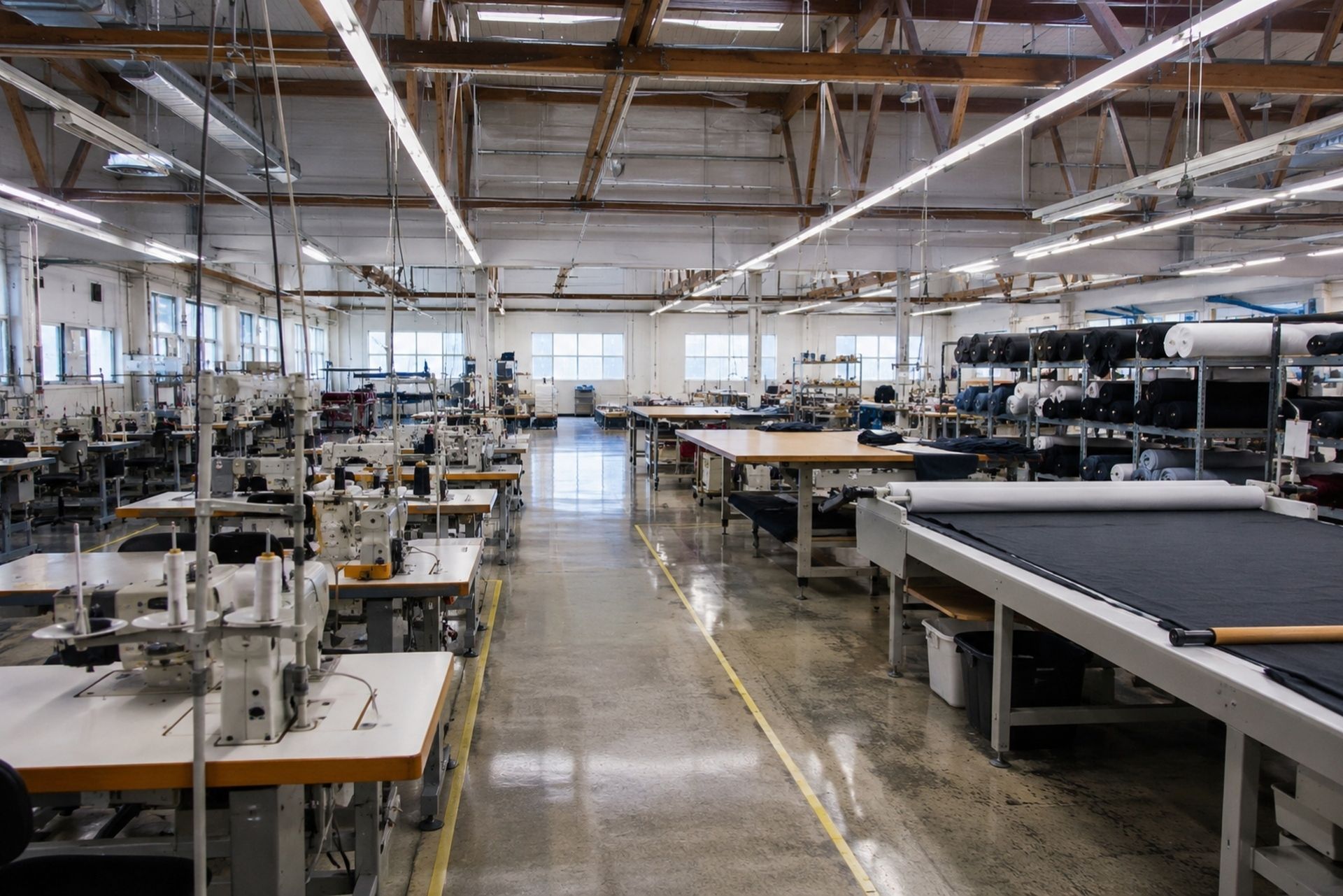
Industrial sewing machines, automated cutting tables, embroidery machines, steam presses, and dye equipment represent significant capital investments. Standard property insurance covers damage from external events like fire, but it doesn't cover mechanical or electrical breakdown.
Equipment breakdown coverage (sometimes called
boiler and machinery insurance) fills this gap. When a $40,000 automated cutting table suffers an electrical failure, this policy covers repair or replacement costs plus any spoiled materials. It also covers the cost of temporary equipment rental so you can keep production moving. Washington manufacturers dealing with
specialized equipment exposures should treat this coverage as essential rather than optional.
Washington State Regulatory Requirements
Washington imposes specific insurance requirements that differ from most other states. Beyond the mandatory L&I workers' compensation coverage, you should be aware of several regulatory considerations.
If you operate commercial vehicles to transport goods, Washington requires minimum auto liability limits of $25,000/$50,000 for bodily injury and $10,000 for property damage, though most manufacturers carry much higher limits. Any manufacturer storing or using chemicals in dyeing or finishing processes may face additional environmental liability requirements under the state's Model Toxics Control Act.
Washington's insurance market is regulated by the Office of the Insurance Commissioner, and the state's overall market conditions influence premium pricing for commercial lines. A growing number of Washington manufacturers have also been exploring operations outside the state, which introduces multi-state compliance questions around workers' comp and liability coverage.
If you're selling direct-to-consumer online, Washington's consumer protection laws are strict. Product liability claims in this state tend to favor consumers, making adequate coverage limits even more important. We recommend carrying at least $2 million in aggregate product liability for any manufacturer selling directly to end users.
Common Questions About Apparel Manufacturing Insurance
FAQ: What does it actually cost?
A small apparel manufacturer in Washington with under $500,000 in revenue and fewer than 10 employees can expect to pay between $3,000 and $8,000 annually for a package that includes general liability, commercial property, and equipment coverage. Workers' comp through L&I is additional and varies by classification code and payroll size. Larger operations with $2M+ in revenue often spend $15,000 to $30,000 or more.
FAQ: Do I need insurance if I use contractors?
Yes. Even if you outsource cutting or sewing to independent contractors, you can still be held liable for product defects. You should require certificates of insurance from every contractor and be listed as an additional insured on their policies. L&I may also reclassify your contractors as employees if they don't meet Washington's independent contractor criteria, which would make you liable for their workers' comp premiums.
FAQ: Does my home insurance cover a small studio?
Almost certainly not. Most homeowners policies exclude business activities or cap business property coverage at $2,500. If you're running a sewing operation from a spare bedroom or garage, you need a separate business policy or an in-home business endorsement. A fire that destroys your home studio inventory would likely result in a denied claim under your homeowners policy.
FAQ: What if a customer has an allergic reaction to a fabric?
This falls under product liability, which is typically included in your general liability policy. The insurer would cover medical expenses and legal defense costs up to your policy limits. To reduce this risk, maintain documentation of all materials and dyes used in production, keep material safety data sheets on file, and include fabric content labels on every garment. This documentation strengthens your defense if a claim arises.
Making the Right Choice for Your Brand
Choosing the right apparel and clothing manufacturer insurance in Washington isn't a one-time decision. Your coverage should evolve as your business grows, as you add product lines, enter new retail channels, or expand your workforce. Start by documenting your current exposures: total inventory value at peak season, annual payroll, equipment replacement costs, and shipping volume.
Get quotes from at least three sources. Work with an independent agent who understands manufacturing risks, not just a generalist who handles auto and home policies. Ask specifically about coverage gaps for seasonal inventory fluctuations, transit exposures, and equipment breakdown.
Review your policies annually, ideally 60 to 90 days before renewal. A mid-year coverage review is also smart if you've had a significant change in operations. The manufacturers who recover fastest from losses are the ones who planned for them. Your insurance program is the plan. Make sure it fits the business you're actually running, not the one you started with three years ago.

About The Author:
Jackson Hering
I'm a fourth-generation insurance agent, having learned the business firsthand while working alongside my father. With years of experience passed down through my family, I take pride in combining that legacy knowledge with a modern, client-focused approach. I started my career at a small, family-owned agency and worked my way up, gaining a deep understanding of the industry from the ground up.
Contact Us
Coverage for Everyday Life
Personal Insurance That Works for You
We help individuals and families find coverage that keeps life moving—without overpaying or getting lost in fine print. From auto and home insurance to umbrella and life protection, our licensed team compares options across top-rated carriers to make sure you’re covered the right way, right now.
Auto Insurance
Drive with confidence and coverage that fits your needs.
Home Insurance
Coverage for fire, theft, liability, and more.
Renters Insurance
Affordable protection for your belongings and personal liability.

Boat Insurance
Coverage for watercraft damage, liability, and gear.
Life Insurance
Prepare for the future with term or whole life policies.
Umbrella Insurance
Extra liability protection for life’s bigger risks.
Protect Your Business Without the Guesswork
Business Insurance Built for Stability & Growth
Running a business comes with risk. We help reduce it. Our team builds custom coverage for your needs, including general liability, property, commercial auto, and cyber protection. We’re fast, responsive, and easy to reach—so your insurance is one less thing to worry about.
Industries We Serve
Tailored by Industry
We understand the risks unique to your business—and how to insure against them.
Contractors & Trades
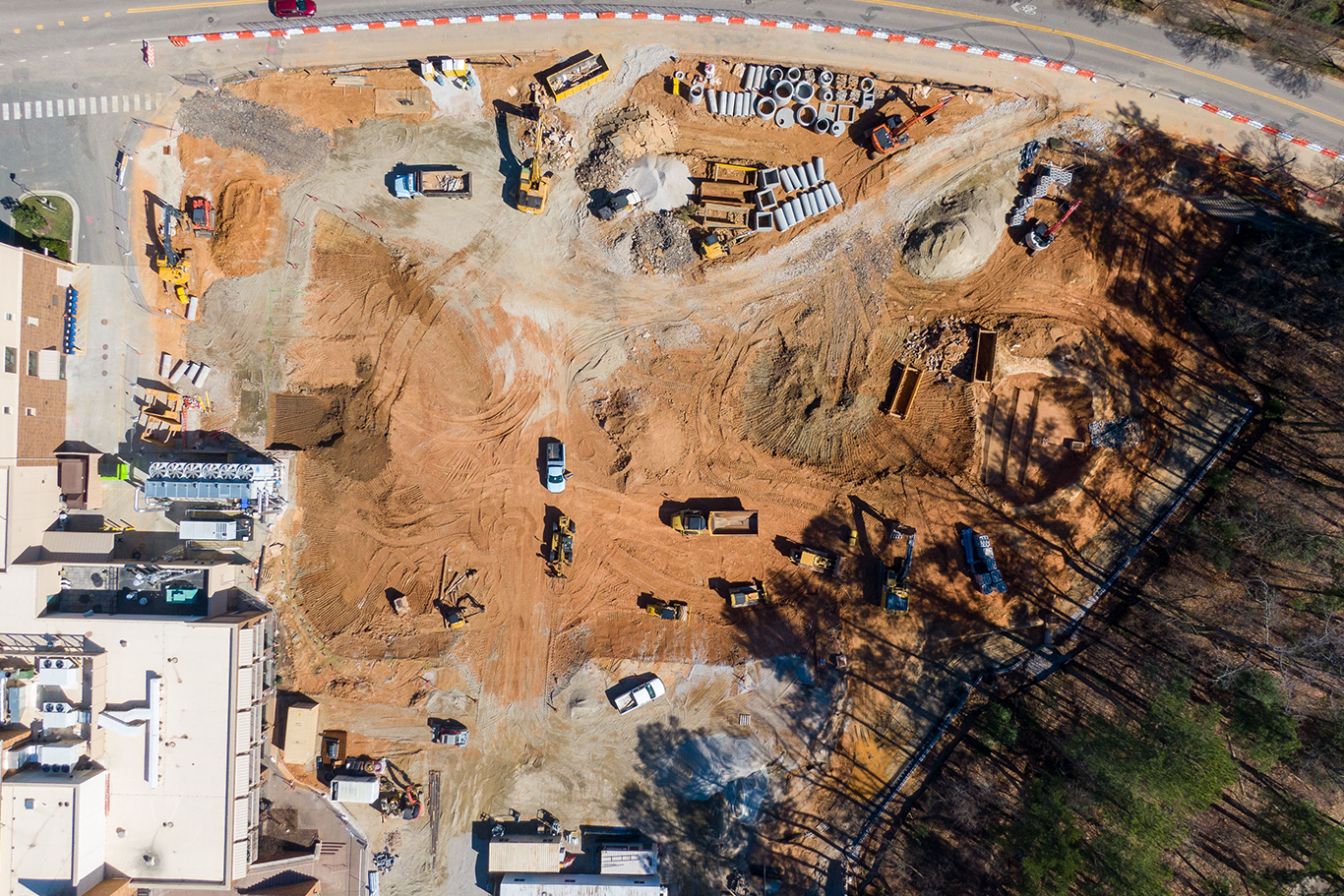
We help contractors protect their tools, vehicles, job sites, and employees with comprehensive insurance solutions. Whether you’re a general contractor, electrician, plumber, or another trade, we provide the coverage you need to keep your projects moving forward safely.
Cannabis Industry
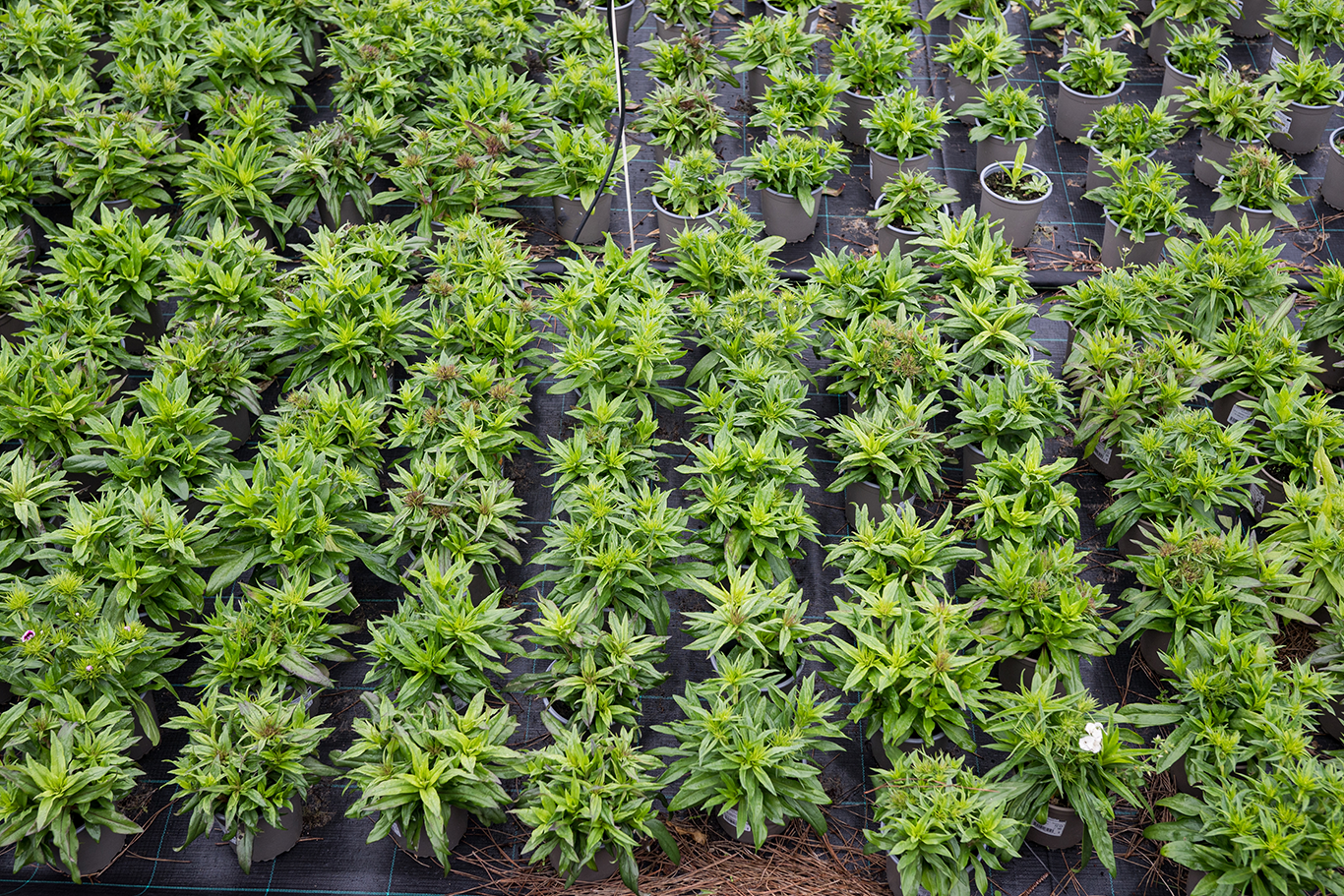
Mosaic specializes in insuring the unique risks of the cannabis industry, including growers, retailers, processors, and delivery services. We understand the compliance challenges you face and work with carriers who can protect every stage of your operation.
Lessor’s Risk (LRO)
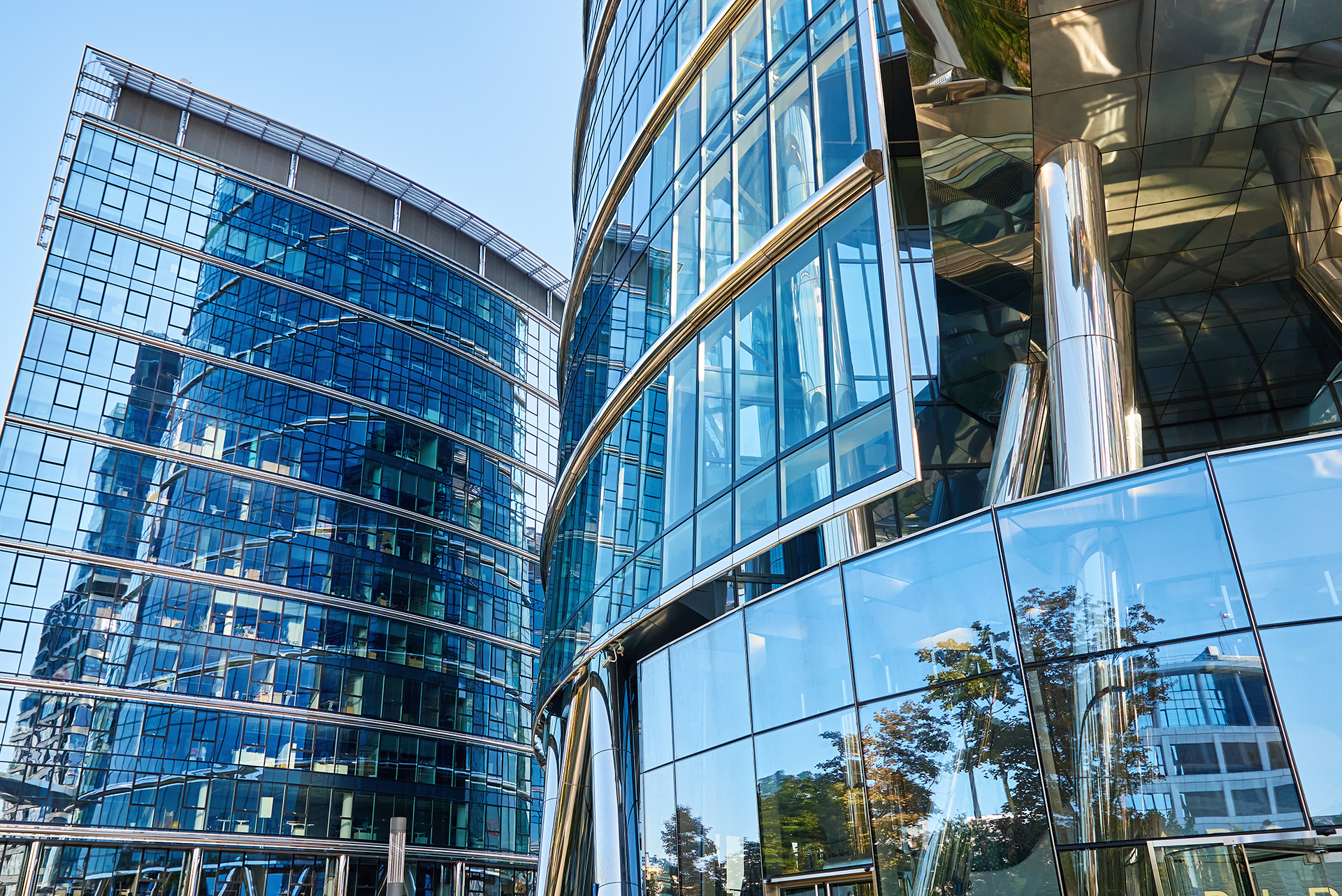
If you own a building and lease space to commercial tenants, we help protect your property and liability as a landlord. Our policies safeguard your investment from damages, lawsuits, and other risks that come with leasing commercial real estate.
Frequently Asked Questions
Quick Answers. Trusted Support.
Insurance doesn’t have to be confusing. We’re here to make everything clear, helpful, and hassle-free.
What states is Mosaic Insurance licensed in?
Mosaic is licensed in more than 10 states, including Washington, Oregon, Arizona, California, Texas, Colorado, and more. Our team can help you whether you live locally in WA or operate across multiple state lines.
We’re especially well-equipped to help clients with multi-state businesses, real estate portfolios, or cannabis operations that need compliance-ready coverage in various jurisdictions.
Can I get quotes from multiple carriers through Mosaic?
Yes. As an independent agency, we partner with a wide range of top-rated insurance carriers. That means you’re not locked into just one company’s pricing or coverage limitations.
Our advisors compare quotes for you, break down the differences, and help you choose the plan that fits best—no pressure, just honest advice.
Does Mosaic offer cannabis insurance, and who qualifies?
Absolutely. Mosaic is one of the few agencies with deep experience in cannabis insurance. We offer coverage for dispensaries, cultivators, delivery services, manufacturers, and labs.
If you're in a licensed state and need coverage that meets regulatory requirements, we can help set you up with carriers who understand the cannabis industry’s unique risks.
What can I do through the client portal?
You can use our 24/7 client portal to request policy changes, submit certificates of insurance, and manage your billing. It’s easy to use and always available.
This helps speed up business tasks and gives you full access to your coverage—even outside of regular office hours.
What should I expect after requesting a quote?
Once you request a quote, our team will reach out to gather a few key details. From there, we shop coverage with multiple carriers and return with clear, personalized options.
We make it easy to compare policies, ask questions, and finalize your protection—usually in 24–48 hours.
Can Mosaic help me file a claim?
Yes. Whether it’s an auto accident, property damage, or business-related issue, we’re here to guide you through the claims process. Our team can explain your coverage, contact the carrier, and help get things moving quickly.
We’re your advocate—before, during, and after a claim. You don’t have to go it alone.
Tips, News & Insights
Explore Our Blog