
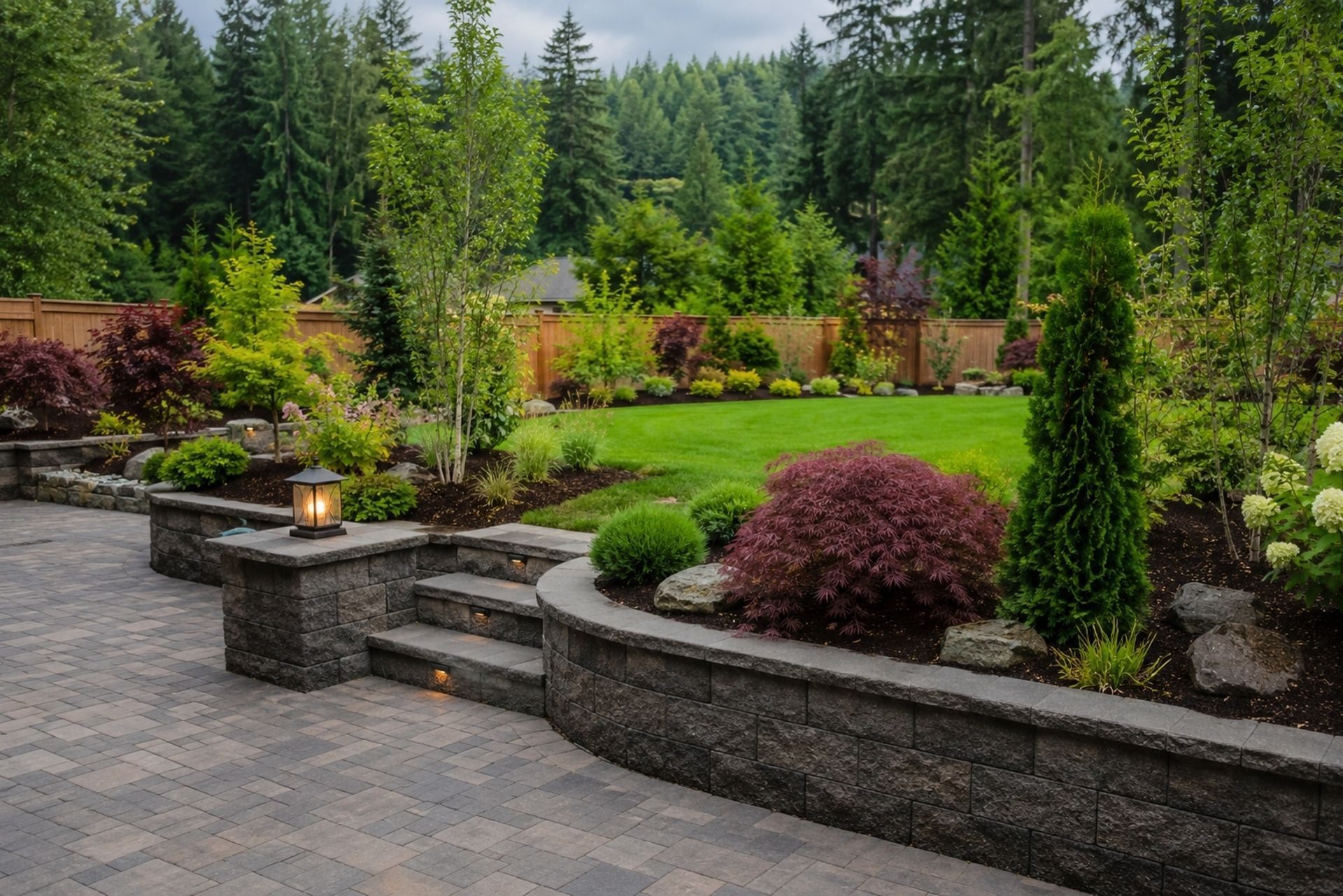
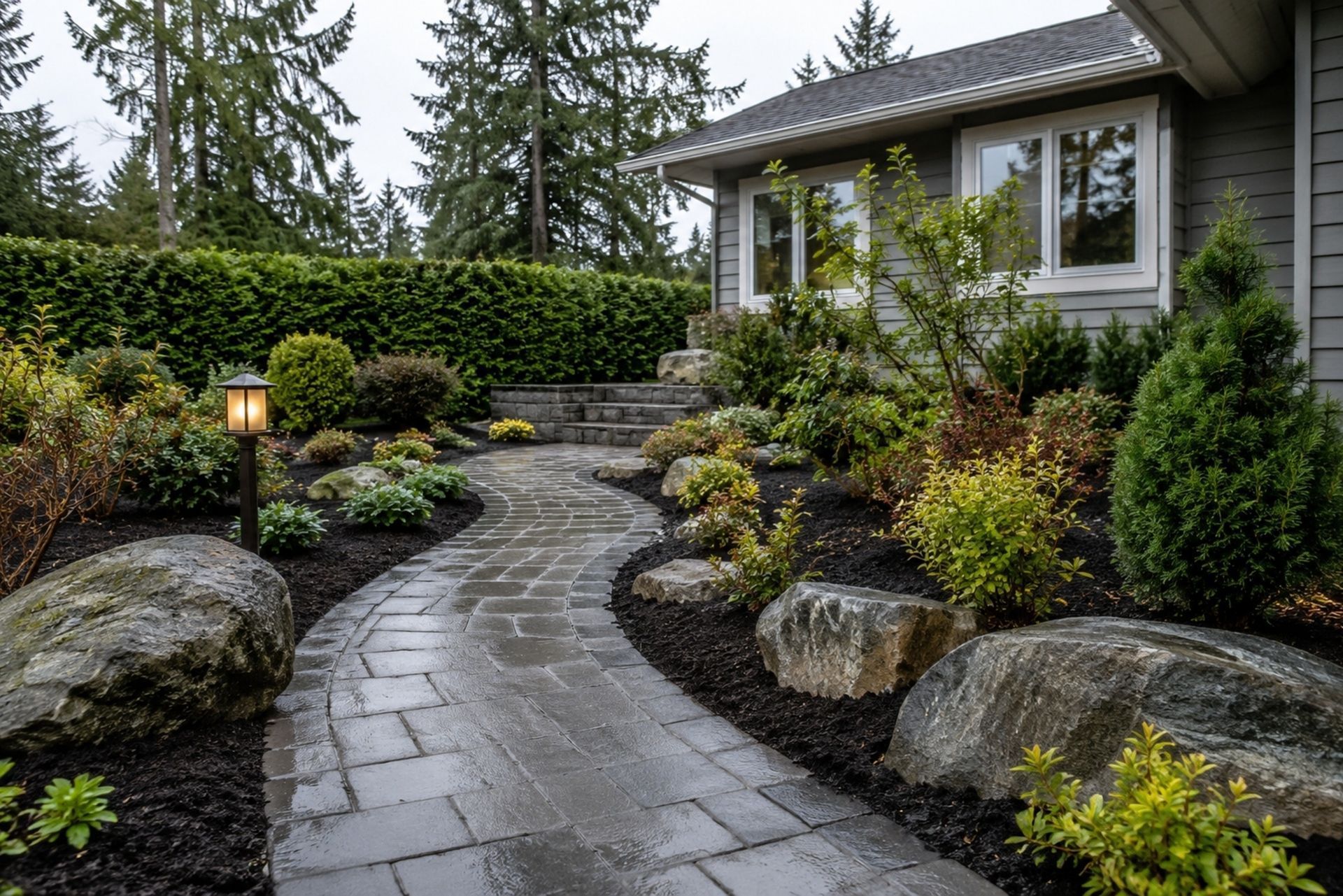
A single rock launched by a mower blade can shatter a car window, a client's sliding glass door, or worse, injure a bystander. That one moment can cost a Washington landscaping business thousands of dollars and its reputation. Whether you run a solo mowing operation out of a pickup truck or manage a crew of ten handling hardscape installations, understanding your insurance obligations and options isn't optional: it's how you stay in business. Washington state has some of the strictest contractor and workers' compensation rules in the country, and the penalties for noncompliance can shut you down fast. This coverage and cost overview for Washington landscapers breaks down the policies you actually need, what they cost, and where the state draws hard lines. We've worked with enough landscaping operations to know that most owners don't think about insurance until something goes wrong. The goal here is to get you thinking about it before that happens, so you can protect your crew, your equipment, and your bottom line without overpaying for coverage you don't need.
Essential Insurance for Washington Landscaping Businesses
Running a landscaping company in Washington means exposure to a wide range of risks, from property damage on a client's site to a stolen trailer full of equipment. The right insurance stack depends on your services, your crew size, and whether you're hauling gear across the state or working a single neighborhood. Three core policies form the foundation of protection for most landscaping businesses: general liability, inland marine, and commercial auto.
A small solo operator mowing residential lawns has a very different risk profile than a company doing retaining walls and drainage work. But both need coverage. The difference is in the limits, endorsements, and total premium you'll pay. Getting this right means matching your actual exposure to your actual policies, not just buying the cheapest option and hoping for the best.
General Liability: Protecting Against Third-Party Claims
General liability insurance is the backbone of any landscaping business policy. It covers bodily injury and property damage claims from third parties, meaning your clients, their neighbors, or anyone affected by your work. If your crew accidentally damages a sprinkler system, breaks a fence, or a passerby trips over equipment left on a sidewalk, this is the policy that responds.
Most Washington landscapers carry between $500,000 and $1,000,000 per occurrence, with a $2,000,000 aggregate. Annual premiums for a small operation typically fall between $500 and $1,500, depending on revenue and services offered. Companies doing tree removal or excavation will pay more because the risk of serious property damage or injury is higher. If you're bidding on commercial contracts, expect the property manager to require a certificate of insurance showing at least $1,000,000 in general liability before you start.
Inland Marine Coverage for Tools and Equipment
Your mowers, trimmers, blowers, and trailers are the lifeblood of your business, and they spend most of their time outside your control: on job sites, in truck beds, and parked overnight. A standard business property policy often won't cover equipment that moves from location to location. That's where inland marine coverage fills the gap.
Inland marine policies protect tools and equipment against theft, vandalism, and accidental damage while in transit or at a job site. A commercial zero-turn mower alone can cost $8,000 to $15,000, and replacing it out of pocket after a theft could cripple a small operation. Premiums for inland marine coverage usually run $300 to $800 per year for a landscaper with $20,000 to $50,000 in total equipment value.
Commercial Auto Insurance for Work Trucks and Trailers
If you're using a vehicle for business purposes, your personal auto policy likely won't cover an accident that happens during a work trip. Commercial auto insurance covers your trucks, vans, and trailers while they're being used for business. This includes collisions, liability claims from other drivers, and damage to your vehicle.
Washington requires minimum liability limits of $25,000 per person and $50,000 per accident for bodily injury, plus $10,000 for property damage. Most landscapers carry higher limits, typically $100,000/$300,000/$100,000, because a serious accident with a loaded trailer can easily exceed minimums. Expect to pay $1,200 to $3,000 per vehicle annually, with rates varying based on driver records, vehicle age, and how far you drive.

By: David Graves
Licensed Personal Insurance Specialist
425-320-4280
Washington State Regulatory Requirements
Washington doesn't leave much room for guesswork. The state has clear mandates around workers' compensation, contractor registration, and bonding that apply to landscaping businesses of nearly every size. Ignoring these requirements can result in fines, stop-work orders, and personal liability for injuries.
L&I Workers' Compensation Mandates
Washington is one of four states that operates a monopolistic workers' compensation fund through the Department of Labor & Industries (L&I). You can't buy workers' comp from a private insurer here: all coverage goes through the state fund. Every landscaping business with employees must carry it, and even sole proprietors can opt in for their own protection.
Workers' comp rates in Washington are set by classification code, and landscaping falls under codes with relatively high rates due to the physical nature of the work. L&I announced a 3.8% increase in workers' compensation rates heading into 2025, and rates have continued to adjust through 2026. For landscaping operations, expect to pay roughly $3.50 to $5.00 per $100 of payroll, depending on your specific classification and experience factor. Failing to carry L&I coverage can result in penalties of up to $1,000 per day per employee.
The state's minimum wage reached $16.66 per hour in 2025, which directly affects your payroll calculations and, by extension, your workers' comp premiums. Higher wages mean higher premiums, so budgeting for this connection is critical.
Contractor Bonding and Registration Requirements
Washington requires most contractors, including landscapers, to register with the Department of Labor & Industries and carry a surety bond. The general contractor bond requirement is $12,000 for most classifications, though specialty contractors may have different amounts. The bond itself typically costs 1% to 3% of the bond amount annually, so you're looking at $120 to $360 per year.
Registration also requires proof of liability insurance and workers' compensation coverage. Operating without proper registration is a gross misdemeanor in Washington, carrying fines up to $5,000 and potential jail time. If you're
applying pesticides or herbicides as part of your landscaping services, you'll also need a
commercial applicator license through the Washington State Department of Agriculture.
Comparing Coverage Levels for Landscapers
Not every landscaping business needs the same coverage. A solo mowing operation has different risks than a full-service company with a ten-person crew doing irrigation, grading, and hardscaping. The table below shows how basic and comprehensive coverage stacks compare.
Comparison Table: Basic vs. Comprehensive Protection
| Coverage Type | Basic Protection | Comprehensive Protection |
|---|---|---|
| General Liability | $500K per occurrence / $1M aggregate | $1M per occurrence / $2M aggregate |
| Commercial Auto | State minimum limits | $100K/$300K/$100K or higher |
| Inland Marine | Not included | $25K-$75K equipment coverage |
| Workers' Comp | State-mandated minimum (L&I) | State-mandated minimum (L&I) |
| Umbrella Policy | Not included | $1M excess liability |
| Surety Bond | $12,000 (state required) | $12,000 (state required) |
| Estimated Annual Cost | $1,800-$3,500 | $4,500-$8,000+ |
The basic tier covers your legal minimums and protects against common claims. The comprehensive tier adds higher limits, equipment protection, and an umbrella policy that kicks in when underlying limits are exhausted. Larger companies or those working on commercial properties almost always need the comprehensive approach.
Your premium isn't a random number. Insurers use specific data points to calculate your risk, and understanding these factors gives you some control over what you pay.
Payroll Size and Number of Employees
Workers' comp premiums are calculated directly from your payroll. A company with $200,000 in annual payroll will pay significantly more than a sole proprietor with no employees. Each additional crew member increases your exposure. Washington's wage lookup tool through L&I can help you estimate rates for specific job classifications.
Seasonal hiring patterns also matter. If you bring on extra workers during spring and summer, your premiums will adjust accordingly. Many landscapers underreport payroll to save on premiums, but L&I audits catch this regularly, and the penalties are steep.
Service Scope: Mowing vs. Hardscaping and Excavation
A company that only mows and edges lawns presents far less risk than one that operates excavators, builds retaining walls, or removes large trees. Insurers classify your services and assign rates accordingly. Adding services like pesticide application or irrigation installation can bump your premium by 20% to 40% because the liability exposure increases.
If you're expanding your service offerings, notify your insurer before you start the new work. A claim on a service that wasn't disclosed on your policy can be denied outright.
Claims History and Safety Records
Your claims history follows you. A clean record over three to five years can earn you significant discounts, sometimes 10% to 25% off your base premium. On the flip side, multiple claims in a short period will increase your rates and may make it harder to find coverage at all.
Documented safety programs, regular equipment maintenance logs, and crew training records all help your case with underwriters. Some insurers offer premium credits for businesses that implement formal safety protocols.
Common Questions About Landscaping Insurance
FAQ: Do I need insurance if I only mow lawns?
Yes. Even basic mowing creates real liability. A rock thrown by a mower blade can hit a car, a window, or a person. One property damage claim can easily exceed $2,000 to $5,000, and a bodily injury claim can run into six figures.
FAQ: How much does a typical policy cost in Washington?
Most small landscaping businesses pay between $500 and $1,200 annually for basic general liability. Total insurance costs, including commercial auto and workers' comp, typically range from $2,500 to $6,000 for a small crew. Your specific premium depends on services, payroll, and claims history.
FAQ: Does my personal auto policy cover my work truck?
Usually no. Personal auto policies often exclude vehicles used for business purposes. If you're hauling a trailer, carrying equipment, or driving to job sites, you need commercial auto coverage. Using your personal policy for business driving and then filing a claim is a common way to get denied.
FAQ: What is the difference between a bond and insurance?
A surety bond protects your customer. If you fail to complete a job or violate your contract, the customer can file a claim against your bond. Insurance protects you from accidents, injuries, and property damage. You need both in Washington: the bond requirements are set by state law, and insurance is a separate obligation.
FAQ: Are my expensive mowers covered if they are stolen?
Only if you carry inland marine or a specialized equipment policy. Standard general liability and commercial property policies typically exclude mobile equipment that travels between locations. Given that a single commercial mower can cost $10,000 or more, this coverage is worth the $300 to $800 annual premium for most landscapers.
Making the Right Choice for Your Business
Getting your insurance right as a Washington landscaper isn't about buying every policy available. It's about matching your actual risks to the right coverage at appropriate limits. Start by documenting your total equipment value, annual payroll, revenue, and the specific services you offer. That information is what any insurer or agent needs to give you an accurate quote.
Get quotes from at least three sources: a national carrier, a regional insurer familiar with Washington's L&I system, and an independent agent who can shop multiple markets. Compare not just premiums but deductibles, exclusions, and coverage limits. The cheapest policy isn't always the best deal if it leaves gaps that expose you to five-figure claims.
Review your coverage annually, especially if you've added services, hired new crew members, or purchased expensive equipment. A mid-year policy review costs nothing and can prevent a devastating coverage gap. Your business changes every season, and your insurance should keep pace.
About The Author:
David Graves
As a Licensed Personal Insurance Specialist at Mosaic Insurance, I’m dedicated to helping clients protect their homes, vehicles, and families with coverage they can trust. My goal is to make insurance simple, transparent, and personalized—so every client feels confident knowing they’re properly protected.
Contact Us
Coverage for Everyday Life
Personal Insurance That Works for You
We help individuals and families find coverage that keeps life moving—without overpaying or getting lost in fine print. From auto and home insurance to umbrella and life protection, our licensed team compares options across top-rated carriers to make sure you’re covered the right way, right now.
Auto Insurance
Drive with confidence and coverage that fits your needs.
Home Insurance
Coverage for fire, theft, liability, and more.
Renters Insurance
Affordable protection for your belongings and personal liability.

Boat Insurance
Coverage for watercraft damage, liability, and gear.
Life Insurance
Prepare for the future with term or whole life policies.
Umbrella Insurance
Extra liability protection for life’s bigger risks.
Protect Your Business Without the Guesswork
Business Insurance Built for Stability & Growth
Running a business comes with risk. We help reduce it. Our team builds custom coverage for your needs, including general liability, property, commercial auto, and cyber protection. We’re fast, responsive, and easy to reach—so your insurance is one less thing to worry about.
Industries We Serve
Tailored by Industry
We understand the risks unique to your business—and how to insure against them.
Contractors & Trades
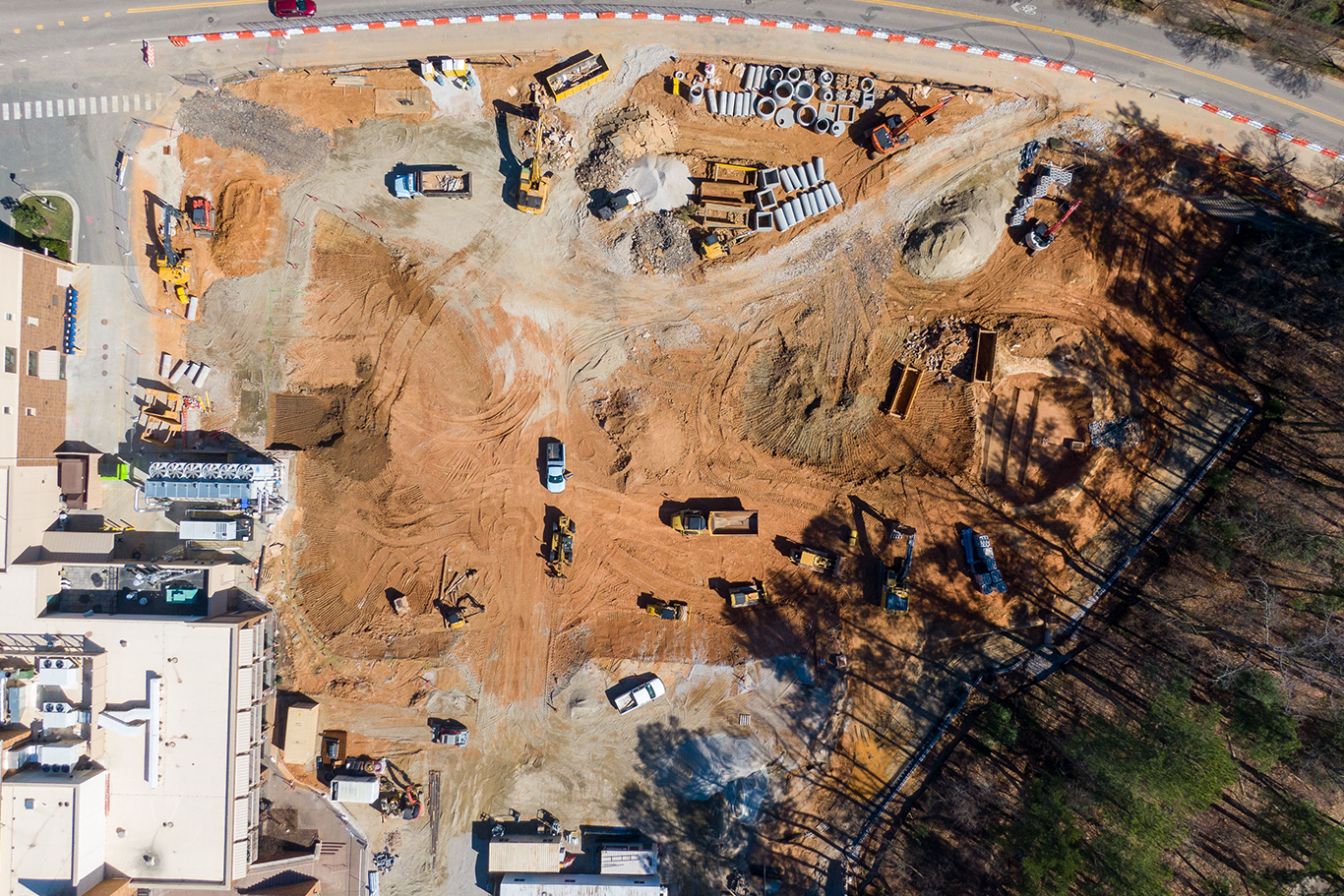
We help contractors protect their tools, vehicles, job sites, and employees with comprehensive insurance solutions. Whether you’re a general contractor, electrician, plumber, or another trade, we provide the coverage you need to keep your projects moving forward safely.
Cannabis Industry
Mosaic specializes in insuring the unique risks of the cannabis industry, including growers, retailers, processors, and delivery services. We understand the compliance challenges you face and work with carriers who can protect every stage of your operation.
Lessor’s Risk (LRO)
If you own a building and lease space to commercial tenants, we help protect your property and liability as a landlord. Our policies safeguard your investment from damages, lawsuits, and other risks that come with leasing commercial real estate.

Frequently Asked Questions
Quick Answers. Trusted Support.
Insurance doesn’t have to be confusing. We’re here to make everything clear, helpful, and hassle-free.
What states is Mosaic Insurance licensed in?
Mosaic is licensed in more than 10 states, including Washington, Oregon, Arizona, California, Texas, Colorado, and more. Our team can help you whether you live locally in WA or operate across multiple state lines.
We’re especially well-equipped to help clients with multi-state businesses, real estate portfolios, or cannabis operations that need compliance-ready coverage in various jurisdictions.
Can I get quotes from multiple carriers through Mosaic?
Yes. As an independent agency, we partner with a wide range of top-rated insurance carriers. That means you’re not locked into just one company’s pricing or coverage limitations.
Our advisors compare quotes for you, break down the differences, and help you choose the plan that fits best—no pressure, just honest advice.
Does Mosaic offer cannabis insurance, and who qualifies?
Absolutely. Mosaic is one of the few agencies with deep experience in cannabis insurance. We offer coverage for dispensaries, cultivators, delivery services, manufacturers, and labs.
If you're in a licensed state and need coverage that meets regulatory requirements, we can help set you up with carriers who understand the cannabis industry’s unique risks.
What can I do through the client portal?
You can use our 24/7 client portal to request policy changes, submit certificates of insurance, and manage your billing. It’s easy to use and always available.
This helps speed up business tasks and gives you full access to your coverage—even outside of regular office hours.
What should I expect after requesting a quote?
Once you request a quote, our team will reach out to gather a few key details. From there, we shop coverage with multiple carriers and return with clear, personalized options.
We make it easy to compare policies, ask questions, and finalize your protection—usually in 24–48 hours.
Can Mosaic help me file a claim?
Yes. Whether it’s an auto accident, property damage, or business-related issue, we’re here to guide you through the claims process. Our team can explain your coverage, contact the carrier, and help get things moving quickly.
We’re your advocate—before, during, and after a claim. You don’t have to go it alone.
Tips, News & Insights
Explore Our Blog