
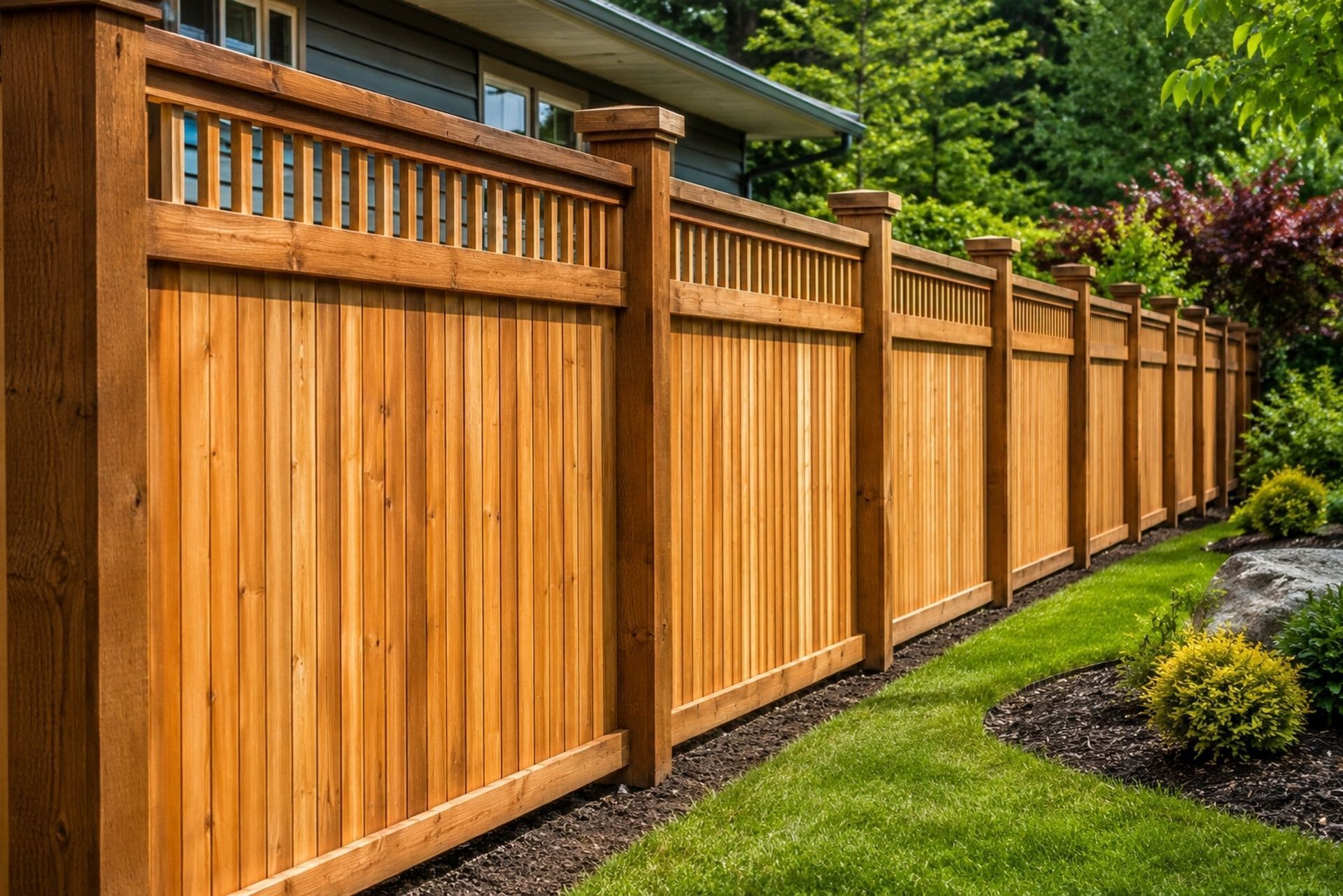
A new fence can transform your property, but the price tag depends on dozens of variables you might not expect. Washington state homeowners face a unique mix of factors: wet western climates that accelerate wood rot, rocky eastern soils that complicate post installation, and permit rules that shift from one municipality to the next. Whether you're enclosing a backyard in Spokane or adding privacy screening to a lot in Tacoma, understanding what fencing contractors in Washington charge, and what drives those costs, puts you in a stronger position before you sign any contract. The options range from budget-friendly chain link to premium composite panels, and each comes with trade-offs in durability, aesthetics, and long-term maintenance. This guide breaks down real numbers, material comparisons, and contractor selection tips so you can plan with confidence and avoid costly surprises.
Understanding Fencing Costs in Washington State
Pricing for fence installation across Washington varies more than most homeowners realize. A project on the dry, flat terrain near Moses Lake will cost significantly less than the same linear footage on a sloped, root-heavy lot in Olympia. As of 2026, most Washington homeowners spend between $2,800 and $9,500 for a standard residential fence, though high-end materials or difficult terrain can push that number past $15,000. The three biggest cost drivers are material choice, labor rates, and local permitting requirements, and each one deserves a closer look.
Average Price Per Linear Foot by Material
Material selection is the single largest factor in your total bill. Here's what Washington contractors typically charge per linear foot, including materials and basic labor:
- Chain link (4 ft): $15 to $30
- Pressure-treated pine (6 ft): $22 to $38
- Western red cedar (6 ft): $30 to $55
- Vinyl/PVC (6 ft): $28 to $50
- Composite (6 ft): $35 to $65
- Ornamental aluminum (4-5 ft): $30 to $60
- Wrought iron (4-6 ft): $50 to $100+
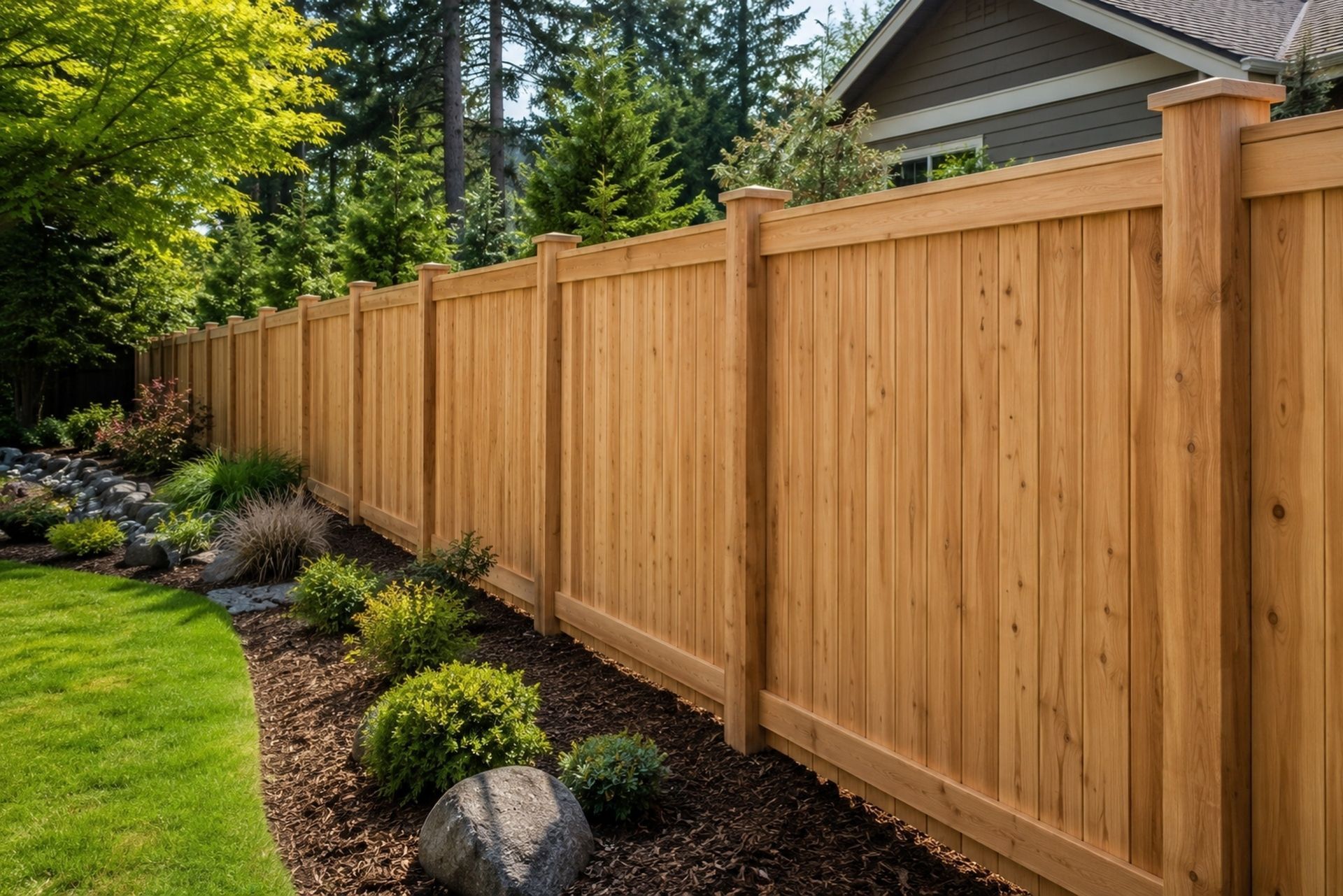
Cedar remains the most popular choice in western Washington because it naturally resists moisture and insects. Vinyl has gained ground in recent years due to its zero-maintenance appeal, though it costs more upfront than treated pine.
Labor Rates and Regional Price Variations
Labor costs in Washington range from $40 to $75 per hour for experienced fence installers, depending on location. The Seattle-Bellevue metro area sits at the top of that range, while smaller cities like Wenatchee or Walla Walla trend closer to the lower end. Most contractors quote per linear foot rather than hourly, bundling labor into their material pricing. A crew of two to three installers can typically complete 100 to 150 linear feet per day on flat ground, though rocky soil or steep grades can cut that output in half.
Permit Fees and Local Regulations
Washington doesn't have a single statewide fencing permit rule. Each city and county sets its own requirements. In Seattle, fences over six feet tall require a building permit, which runs about $150 to $300. Shoreline properties near Puget Sound or major rivers often trigger additional review under the Shoreline Management Act. Many rural counties don't require permits for standard residential fences at all. Your contractor should know local codes, but it's worth calling your city's planning department yourself to confirm setback requirements and height limits before work begins.

By: David Graves
Licensed Personal Insurance Specialist
425-320-4280
Comparing Common Fencing Materials and Durability
Choosing a material isn't just about what looks good today. You're making a 15- to 50-year decision, and Washington's climate puts every material to the test. Western Washington gets 35 to 60 inches of rain annually, which punishes untreated wood and accelerates corrosion on bare metal. Eastern Washington brings temperature swings from below zero to over 100 degrees, stressing vinyl and composite panels through constant expansion and contraction.
Material Comparison: Cost vs. Longevity Table
| Material | Cost per Linear Foot | Expected Lifespan | Maintenance Level | Best For |
|---|---|---|---|---|
| Chain Link | $15 - $30 | 20 - 30 years | Low | Security, pet containment |
| Pressure-Treated Pine | $22 - $38 | 10 - 15 years | High (stain every 2-3 yrs) | Budget projects |
| Western Red Cedar | $30 - $55 | 15 - 25 years | Moderate (seal every 3-5 yrs) | Privacy, curb appeal |
| Vinyl/PVC | $28 - $50 | 25 - 30 years | Very low | Low-maintenance privacy |
| Composite | $35 - $65 | 25 - 40 years | Very low | Premium look, durability |
| Ornamental Aluminum | $30 - $60 | 30 - 50 years | Low | Decorative, front yards |
| Wrought Iron | $50 - $100+ | 40 - 75 years | Moderate (rust prevention) | Estates, historic homes |
The cheapest option upfront isn't always the cheapest over time. Pressure-treated pine might save you $2,000 on installation day, but you'll spend hundreds on stain and repairs every few years. Cedar and composite strike a middle ground between cost and longevity that makes sense for most Washington properties.
Factors That Impact Your Total Project Estimate
Two homeowners on the same street can receive quotes that differ by thousands of dollars. The reason usually isn't the contractor's markup. It's the site-specific conditions that affect how long the job takes and what extra materials are needed.
Terrain Complexity and Soil Conditions
Washington's geography creates real challenges for fence installers. Properties in the Cascades foothills or along the Columbia Basin often have basalt rock just 12 to 18 inches below the surface, requiring specialized augers or even jackhammering to set posts. That can add $5 to $15 per linear foot to your project. Steep slopes require stepped or racked panel designs, which use more material and take longer to install. Homes near rivers or in flood-prone areas may need deeper post footings to meet local code. If your property has significant grade changes, ask your contractor to walk the fence line with you before they quote. A flat-rate estimate on hilly ground is a red flag.
Gate Installation and Custom Hardware
Gates are where costs can spike unexpectedly. A standard 4-foot walk gate in cedar runs $250 to $600 installed. A double-swing driveway gate jumps to $800 to $2,500 depending on material and width. Automated gate openers add another $1,500 to $4,000 for residential-grade systems. Custom hardware like heavy-duty hinges, self-closing mechanisms for pool enclosures, or decorative latches all add to the total. If you need ADA-compliant access or a gate that meets pool barrier code (required in Washington for pools over 24 inches deep), make sure your contractor specifies those details in writing.
Choosing the Right Contractor for Your Property
Hiring the wrong contractor is the most expensive mistake you can make. A poorly installed fence fails years before it should, and warranty claims mean nothing if the company has folded. Washington has specific licensing requirements that make it relatively easy to vet contractors before you commit.
Verifying Licenses and Bond Requirements
Washington state requires all contractors performing work over $800 to hold an active registration with the Department of Labor & Industries (L&I). You can verify any contractor's status through L&I's online lookup tool. Registered contractors must carry a surety bond of at least $12,000, which protects you if they fail to complete the work or cause property damage. Ask for the contractor's UBI number and check it yourself. If someone offers to do the work without registration, walk away. You'll have zero legal recourse if something goes wrong, and you could face liability for injuries to unregistered workers on your property.
Evaluating Liability Insurance and Warranties
Beyond the state bond, your contractor should carry
general liability insurance with at least $1 million in coverage. This protects you if a worker damages your
landscaping, irrigation system, or a neighbor's property during installation. Ask for a certificate of insurance and confirm it's current. On warranties, most reputable Washington fencing contractors offer one to five years on labor and pass through the manufacturer's warranty on materials. Get warranty terms in writing. Pay attention to exclusions: many warranties don't cover damage from falling trees, wind events over a certain speed, or normal weathering. If a contractor won't put their warranty in a written contract, that tells you everything you need to know.
Frequently Asked Questions About Washington Fencing
Do I need a permit to build a fence in Washington?
It depends on your city or county. Most jurisdictions require permits for fences over six feet tall, and some require them for any fence in a front yard or near a property line. Always check with your local planning department before construction starts.
How much does a 200-foot cedar fence cost?
A 200-linear-foot Western red cedar privacy fence in Washington typically costs between $6,000 and $11,000 installed, depending on your location, terrain, and the number of gates. Eastern Washington tends to be on the lower end, while Seattle-area pricing runs higher.
Who pays for a fence between two neighbors?
Washington law doesn't require neighbors to split fence costs. Under RCW 16.60, partition fences between agricultural properties have shared maintenance obligations, but this doesn't apply to most residential situations. If your neighbor benefits from the fence, it's worth having a conversation, but you can't force them to pay.
How long does it take a contractor to finish the job?
Most residential fence projects take two to five days from start to finish. A straightforward 150-foot run on flat ground with no gate might wrap up in a day and a half. Complex terrain, multiple gates, or permit inspections can stretch the timeline to a week or more.
Does my homeowners insurance cover fence damage?
Standard homeowners policies typically cover fence damage from covered perils like windstorms, falling trees, or vehicle impact. They generally won't cover damage from gradual rot, insect infestation, or normal wear. Check your policy's "other structures" coverage limit, which is usually 10% of your dwelling coverage.
Making the Right Choice for Your Home
Your fence is one of the few home improvements that affects daily life for a decade or more. The costs and options available from Washington fencing contractors vary widely, so the smartest move is to get at least three written estimates from licensed, bonded installers before you commit. Compare those quotes line by line: material specs, labor charges, gate hardware, post depth, and warranty terms. Don't automatically pick the lowest bid. A quote that's 30% below the others often means corners will be cut on materials or post-setting depth.
Take time to match your material choice to your specific climate zone. Cedar and composite perform well across most of Washington, while vinyl holds up particularly well in the rain-heavy west side. If your property has slopes, rock, or drainage issues, make sure the contractor addresses those challenges in their proposal rather than glossing over them.
The right fence, installed by a qualified contractor, adds privacy, security, and real value to your home. Start by checking contractor registrations through Washington L&I, request proof of insurance, and get every detail in writing. That upfront diligence saves you thousands down the road.
About The Author:
David Graves
As a Licensed Personal Insurance Specialist at Mosaic Insurance, I’m dedicated to helping clients protect their homes, vehicles, and families with coverage they can trust. My goal is to make insurance simple, transparent, and personalized—so every client feels confident knowing they’re properly protected.
Contact Us
Coverage for Everyday Life
Personal Insurance That Works for You
We help individuals and families find coverage that keeps life moving—without overpaying or getting lost in fine print. From auto and home insurance to umbrella and life protection, our licensed team compares options across top-rated carriers to make sure you’re covered the right way, right now.
Auto Insurance
Drive with confidence and coverage that fits your needs.
Home Insurance
Coverage for fire, theft, liability, and more.
Renters Insurance
Affordable protection for your belongings and personal liability.

Boat Insurance
Coverage for watercraft damage, liability, and gear.
Life Insurance
Prepare for the future with term or whole life policies.
Umbrella Insurance
Extra liability protection for life’s bigger risks.
Protect Your Business Without the Guesswork
Business Insurance Built for Stability & Growth
Running a business comes with risk. We help reduce it. Our team builds custom coverage for your needs, including general liability, property, commercial auto, and cyber protection. We’re fast, responsive, and easy to reach—so your insurance is one less thing to worry about.
Industries We Serve
Tailored by Industry
We understand the risks unique to your business—and how to insure against them.
Contractors & Trades
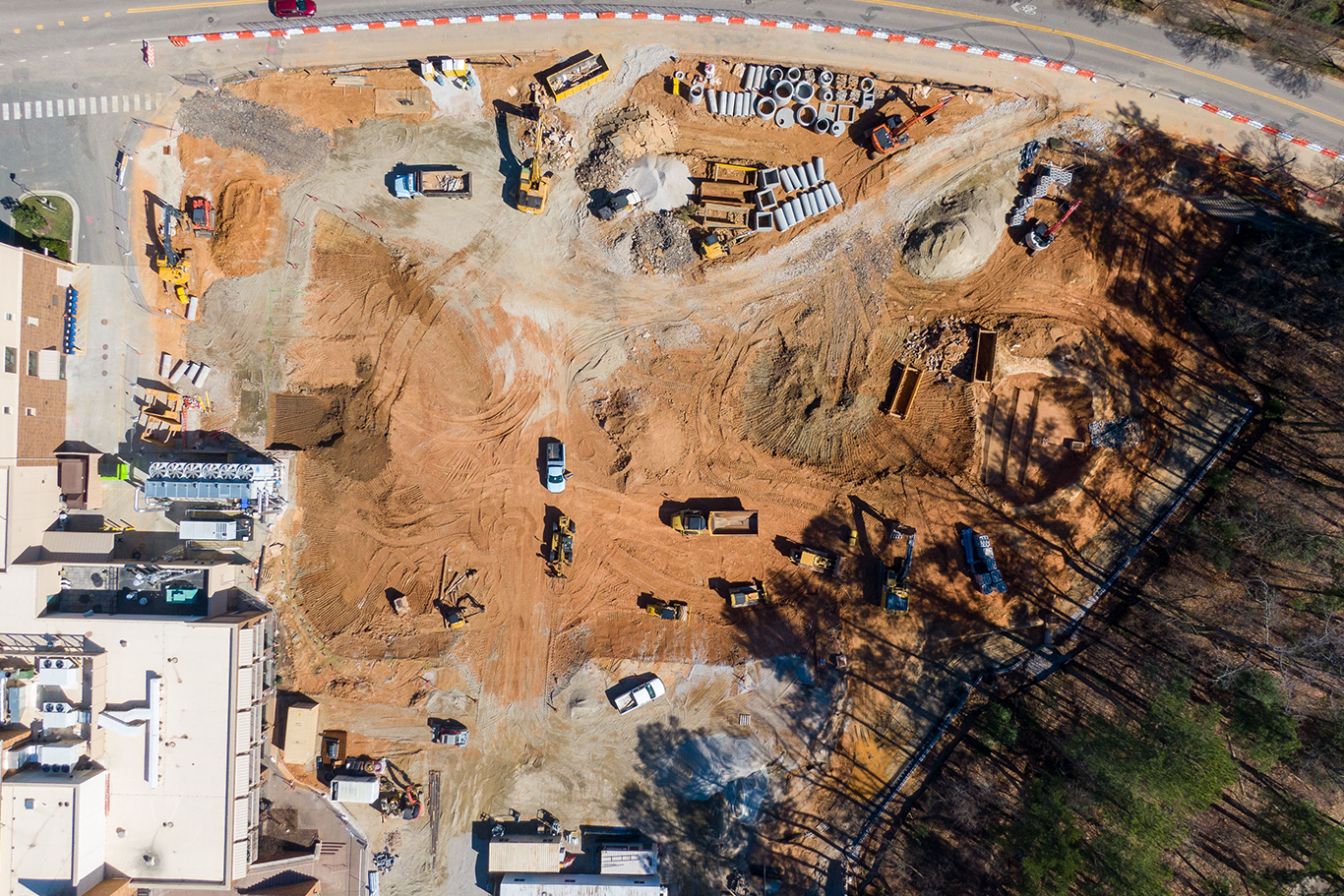
We help contractors protect their tools, vehicles, job sites, and employees with comprehensive insurance solutions. Whether you’re a general contractor, electrician, plumber, or another trade, we provide the coverage you need to keep your projects moving forward safely.
Cannabis Industry
Mosaic specializes in insuring the unique risks of the cannabis industry, including growers, retailers, processors, and delivery services. We understand the compliance challenges you face and work with carriers who can protect every stage of your operation.


Lessor’s Risk (LRO)
If you own a building and lease space to commercial tenants, we help protect your property and liability as a landlord. Our policies safeguard your investment from damages, lawsuits, and other risks that come with leasing commercial real estate.

Frequently Asked Questions
Quick Answers. Trusted Support.
Insurance doesn’t have to be confusing. We’re here to make everything clear, helpful, and hassle-free.
What states is Mosaic Insurance licensed in?
Mosaic is licensed in more than 10 states, including Washington, Oregon, Arizona, California, Texas, Colorado, and more. Our team can help you whether you live locally in WA or operate across multiple state lines.
We’re especially well-equipped to help clients with multi-state businesses, real estate portfolios, or cannabis operations that need compliance-ready coverage in various jurisdictions.
Can I get quotes from multiple carriers through Mosaic?
Yes. As an independent agency, we partner with a wide range of top-rated insurance carriers. That means you’re not locked into just one company’s pricing or coverage limitations.
Our advisors compare quotes for you, break down the differences, and help you choose the plan that fits best—no pressure, just honest advice.
Does Mosaic offer cannabis insurance, and who qualifies?
Absolutely. Mosaic is one of the few agencies with deep experience in cannabis insurance. We offer coverage for dispensaries, cultivators, delivery services, manufacturers, and labs.
If you're in a licensed state and need coverage that meets regulatory requirements, we can help set you up with carriers who understand the cannabis industry’s unique risks.
What can I do through the client portal?
You can use our 24/7 client portal to request policy changes, submit certificates of insurance, and manage your billing. It’s easy to use and always available.
This helps speed up business tasks and gives you full access to your coverage—even outside of regular office hours.
What should I expect after requesting a quote?
Once you request a quote, our team will reach out to gather a few key details. From there, we shop coverage with multiple carriers and return with clear, personalized options.
We make it easy to compare policies, ask questions, and finalize your protection—usually in 24–48 hours.
Can Mosaic help me file a claim?
Yes. Whether it’s an auto accident, property damage, or business-related issue, we’re here to guide you through the claims process. Our team can explain your coverage, contact the carrier, and help get things moving quickly.
We’re your advocate—before, during, and after a claim. You don’t have to go it alone.
Tips, News & Insights
Explore Our Blog