
Owning rental property in Washington State comes with a unique set of responsibilities, and insurance shouldn't be an afterthought. Whether you own a single commercial storefront or a portfolio of mixed-use buildings, protecting yourself from liability claims and property damage is a baseline requirement, not a luxury. Many landlords assume their tenant's insurance will cover everything, but that's a dangerous gap in thinking. A lessor's risk only (LRO) policy fills a specific need: it covers the property owner for risks tied directly to ownership and leasing, not the tenant's operations. If a visitor slips on an icy walkway outside your building or a fire damages the structure, your tenant's policy won't help you. Washington's regulatory environment, earthquake exposure, and urban density in cities like Seattle, Tacoma, and Spokane all shape how LRO policies are priced and structured. This guide breaks down what Washington LRO coverage includes, what it costs, and how to pick the right policy for your situation. Understanding the coverage options and cost factors specific to Washington lessor risks will save you from expensive surprises down the road. We've worked with property owners across the state who didn't realize their exposure until a claim hit, and by then, the damage was done. Getting the right policy in place early is always cheaper than dealing with the fallout of being underinsured.
Understanding Lessor's Risk Only (LRO) Insurance in Washington
LRO insurance is designed for property owners who lease space to tenants. Unlike a standard commercial property policy that covers business operations, an LRO policy focuses narrowly on the risks you face as a landlord. Think of it as insurance for the building itself and your liability as its owner, not for what happens inside the tenant's business.
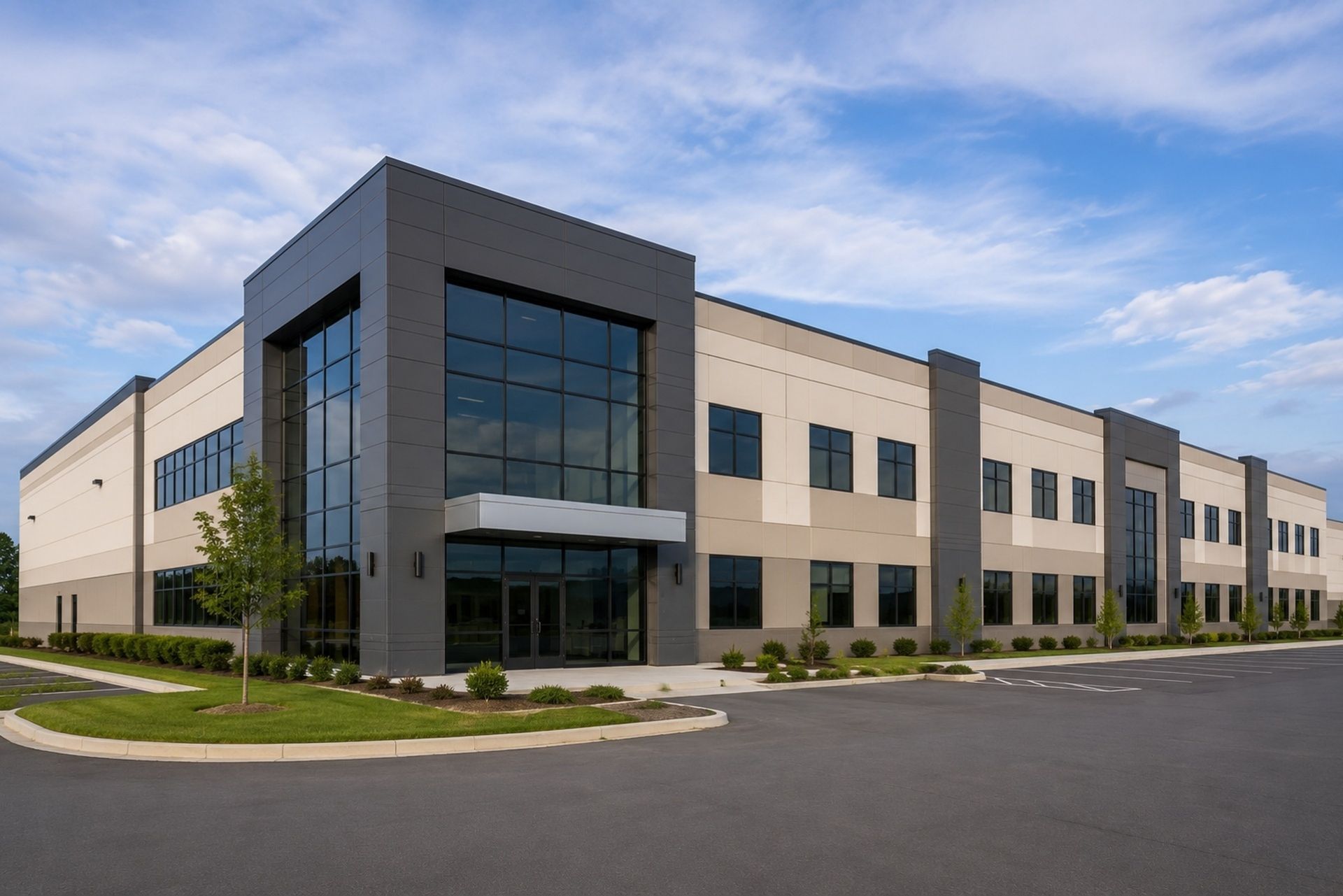
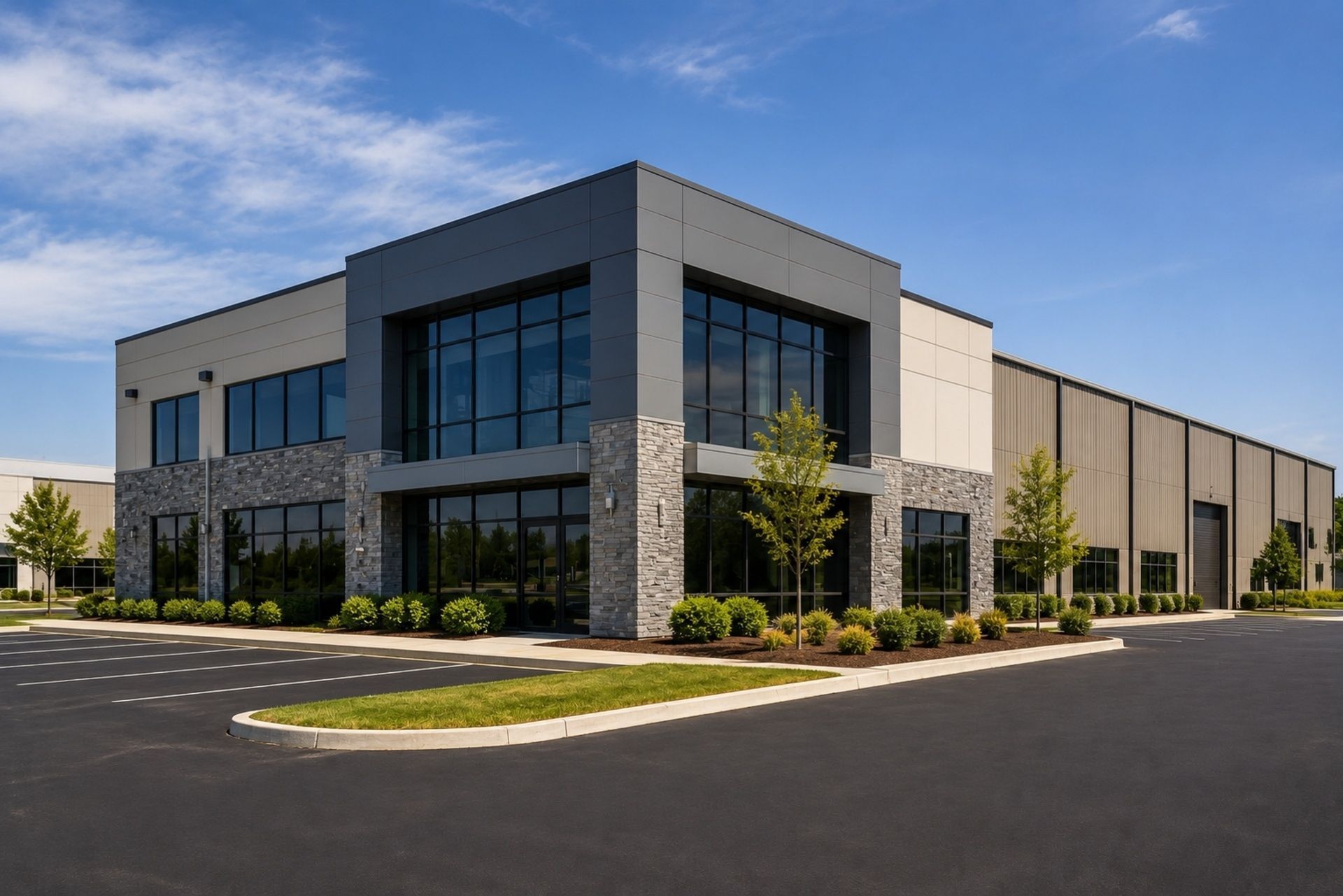
In Washington, LRO policies are commonly purchased by owners of strip malls, standalone retail buildings, office spaces, and small industrial properties. The policy typically pairs premises liability with building coverage, giving you protection from lawsuits and physical damage in one package. Washington's Office of the Insurance Commissioner doesn't mandate LRO coverage by law, but most commercial mortgage lenders require it as a condition of financing.
Who Needs LRO Coverage?
If you own a building and lease it to one or more tenants, you're a candidate. This applies whether you rent to a coffee shop, a dentist's office, or a warehouse distributor. The key distinction is that you, the landlord, aren't operating a business out of the space yourself.
Owners of net-leased properties often assume the tenant's insurance handles everything. That's only partially true. A tenant's general liability policy protects the tenant, not you. If someone sues the building owner directly, and they often do, you need your own coverage. We've seen landlords named in lawsuits for conditions they didn't even know existed, like a cracked sidewalk or faulty handrail.
General Liability vs. Lessor's Risk Only
A standard general liability policy covers businesses for their operations, products, and completed work. An LRO policy is narrower. It covers only the risks associated with owning and maintaining a leased property.
Here's a quick comparison:
| Feature | General Liability | Lessor's Risk Only |
|---|---|---|
| Covers business operations | Yes | No |
| Covers building ownership risks | Sometimes | Yes |
| Premises liability | Yes | Yes |
| Products/completed operations | Yes | No |
| Typical policyholder | Business operator | Property owner/landlord |
| Common limit | $1M/$2M | $1M/$2M |
The LRO policy is typically less expensive because the scope of coverage is smaller. You're not insuring a restaurant's food poisoning risk or a contractor's workmanship, just the building and common areas.

By: David Graves
Licensed Personal Insurance Specialist
425-320-4280
What Washington LRO Policies Typically Cover
Most LRO policies in Washington bundle two core protections: coverage for the physical building and liability coverage for injuries that occur on the premises. Some policies also include loss of rental income if a covered event makes the building temporarily unusable. Annual premiums for a basic LRO policy in Washington typically range from $800 to $3,500, depending on the property's size, location, and tenant type.
Property Damage and Building Structure
Your LRO policy covers the building itself against perils like fire, windstorms, vandalism, and certain water damage events. In Washington, this is particularly relevant given the state's exposure to winter storms, heavy rainfall, and seismic activity. Standard LRO policies exclude earthquake damage, so if your property sits in the Puget Sound region or near any fault line, you'll want a separate earthquake endorsement or standalone policy.
Coverage typically extends to the roof, walls, foundation, HVAC systems, plumbing, and electrical. Tenant improvements are usually the tenant's responsibility unless your lease states otherwise. One common mistake we see: landlords who don't update their building valuation after renovations. If you've invested $200,000 in upgrades but your policy still reflects the old value, you're underinsured.
Premises Liability for Third-Party Injuries
This is where most claims actually originate. If a customer, delivery driver, or passerby is injured on your property due to a condition you're responsible for, premises liability covers the legal defense costs and any settlement or judgment. Slip-and-fall claims are the most frequent, especially during Washington's wet months from October through March.
Your liability coverage also protects against claims related to inadequate lighting in parking areas, falling signage, structural hazards, and snow or ice accumulation. Typical limits start at $1 million per occurrence with a $2 million aggregate, though properties with higher foot traffic may need $5 million or more. An
umbrella policy can extend those limits affordably.
Comparing LRO Coverage Levels
Not all LRO policies offer the same depth of protection. Here's how basic and enhanced coverage options typically compare for Washington property owners:
| Coverage Element | Basic LRO | Enhanced LRO |
|---|---|---|
| Building coverage | Named perils only | Broad or special form |
| Liability limit | $500K/$1M | $1M/$2M or higher |
| Loss of rental income | Not included | Up to 12 months |
| Equipment breakdown | Not included | Included |
| Ordinance or law coverage | Not included | Included |
| Medical payments | $5,000 | $10,000+ |
| Estimated annual premium | $800-$1,500 | $1,800-$3,500+ |
The enhanced option is worth considering if your building is older, located in a high-traffic area, or leased to tenants whose customers frequently visit the property. Ordinance or law coverage is particularly important in cities like Seattle and Bellevue, where building codes have been updated significantly. If a fire damages 40% of your older building, the city may require you to bring the entire structure up to current code, and that cost isn't covered under a basic policy.
Factors Influencing LRO Costs in Washington
Several variables determine what you'll pay for an LRO policy. Understanding these helps you anticipate your premium and identify ways to reduce it.
Building Age and Square Footage
Older buildings cost more to insure. A 1960s-era strip mall with original wiring and plumbing presents more risk than a 2020 build with modern fire suppression systems. Insurance carriers in Washington pay close attention to roof age, electrical panel type, and whether the building has been retrofitted for seismic standards.
Square footage matters too, but it's not a straight multiplier. A 10,000-square-foot building doesn't cost exactly twice as much to insure as a 5,000-square-foot one. Carriers look at construction type (frame, masonry, fire-resistive), number of stories, and distance from the nearest fire station. Properties in rural parts of Eastern Washington, where fire response times are longer, often carry higher rates than comparable buildings in urban King County.
Tenant Occupancy and Risk Profile
Who occupies your building has a direct impact on your premium. A tenant running a yoga studio presents far less risk than one operating a bar or auto repair shop. Carriers classify tenants by occupation codes, and higher-risk tenants push your LRO premium up.
If you lease to a restaurant, expect to pay 20% to 40% more than you would for an office tenant in the same building. Tenants who serve alcohol, use heavy machinery, or attract large crowds increase your exposure. One strategy: require tenants to carry their own general liability with minimum limits of $1 million and name you as an additional insured. This doesn't replace your LRO policy, but it creates a first line of defense.
Common Questions About Washington LRO Insurance
- Does my tenant's insurance protect me? Only if you're named as an additional insured on their policy. Even then, it's secondary coverage. Your own LRO policy should be your primary protection.
- Is LRO insurance required by Washington State law? No. But most commercial lenders require it, and going without it exposes you to personal liability for lawsuits and property losses.
- Can I bundle LRO with other policies? Yes. Many carriers offer package policies that combine LRO with umbrella coverage, inland marine, or even landlord-specific endorsements.
- What's the typical deductible? Most LRO policies in Washington carry deductibles between $1,000 and $5,000 for property claims. Liability claims usually have no deductible.
- How quickly can I get coverage? Most policies can be bound within 24 to 48 hours if the property details are straightforward. Older or larger properties may require an inspection first.
Washington's weather patterns play a real role in pricing. Western Washington's heavy rainfall drives up water damage claims, while Eastern Washington's wildfire risk has pushed premiums higher in recent years. The 2024 and 2025 wildfire seasons led several carriers to tighten underwriting in Chelan, Okanogan, and Kittitas counties. If your property is in a wildfire-prone zone, expect surcharges or higher deductibles for fire-related claims.
Earthquake exposure is another factor. The Cascadia Subduction Zone poses a significant threat to properties across the western half of the state. Standard LRO policies exclude earthquake damage entirely, so a separate endorsement or standalone quake policy is essential for properties in this region.
Mistakes Landlords Make with LRO Policies
The most common error is underinsuring the building. Replacement cost has risen sharply since 2022, and many landlords haven't adjusted their coverage limits to reflect current construction costs. A building insured for $500,000 that would cost $750,000 to rebuild leaves you with a $250,000 gap.
Another frequent mistake is failing to require tenant insurance. If your tenant causes a fire and has no insurance, your LRO policy covers the building damage, but you may lose months of rental income if that coverage isn't included. Always verify tenant policies annually, not just at lease signing.
Regional Carriers and Where to Shop
Several carriers write LRO policies in Washington, including national names like The Hartford, Travelers, and Nationwide. Regional options like PEMCO and Mutual of Enumclaw also compete in this space, sometimes offering better rates for smaller properties. Independent agents who work with multiple carriers can often find the best pricing because they're comparing five to ten quotes at once.
Don't overlook surplus lines carriers for properties that are harder to place, such as older buildings, those with prior claims, or properties in high-risk wildfire zones. These carriers operate outside standard market rules and can offer coverage when admitted carriers decline.
Making the Right Choice for Your Property
Choosing the right LRO policy isn't just about finding the cheapest premium. It's about matching your coverage to your actual exposure. Start by documenting your building's replacement cost, reviewing your lease agreements for insurance requirements, and understanding your tenants' risk profiles.
Get quotes from at least three sources: a national carrier, a regional insurer, and an independent agent. Compare not just price but coverage form (named peril vs. special form), deductible options, and whether loss of rental income is included. If your property is in a seismically active area or wildfire zone, make sure you address those gaps with endorsements or separate policies.
Washington's LRO coverage and cost landscape varies significantly by region, building type, and tenant mix. The right policy protects your investment without overcharging you for risks that don't apply. Take the time to review your coverage annually, especially after tenant turnover, renovations, or changes in local building codes. A 30-minute policy review each year can prevent a six-figure loss down the line.
About The Author:
David Graves
As a Licensed Personal Insurance Specialist at Mosaic Insurance, I’m dedicated to helping clients protect their homes, vehicles, and families with coverage they can trust. My goal is to make insurance simple, transparent, and personalized—so every client feels confident knowing they’re properly protected.
Contact Us
Coverage for Everyday Life
Personal Insurance That Works for You
We help individuals and families find coverage that keeps life moving—without overpaying or getting lost in fine print. From auto and home insurance to umbrella and life protection, our licensed team compares options across top-rated carriers to make sure you’re covered the right way, right now.
Auto Insurance
Drive with confidence and coverage that fits your needs.
Home Insurance
Coverage for fire, theft, liability, and more.
Renters Insurance
Affordable protection for your belongings and personal liability.

Boat Insurance
Coverage for watercraft damage, liability, and gear.
Life Insurance
Prepare for the future with term or whole life policies.
Umbrella Insurance
Extra liability protection for life’s bigger risks.
Protect Your Business Without the Guesswork
Business Insurance Built for Stability & Growth
Running a business comes with risk. We help reduce it. Our team builds custom coverage for your needs, including general liability, property, commercial auto, and cyber protection. We’re fast, responsive, and easy to reach—so your insurance is one less thing to worry about.
Industries We Serve
Tailored by Industry
We understand the risks unique to your business—and how to insure against them.
Contractors & Trades
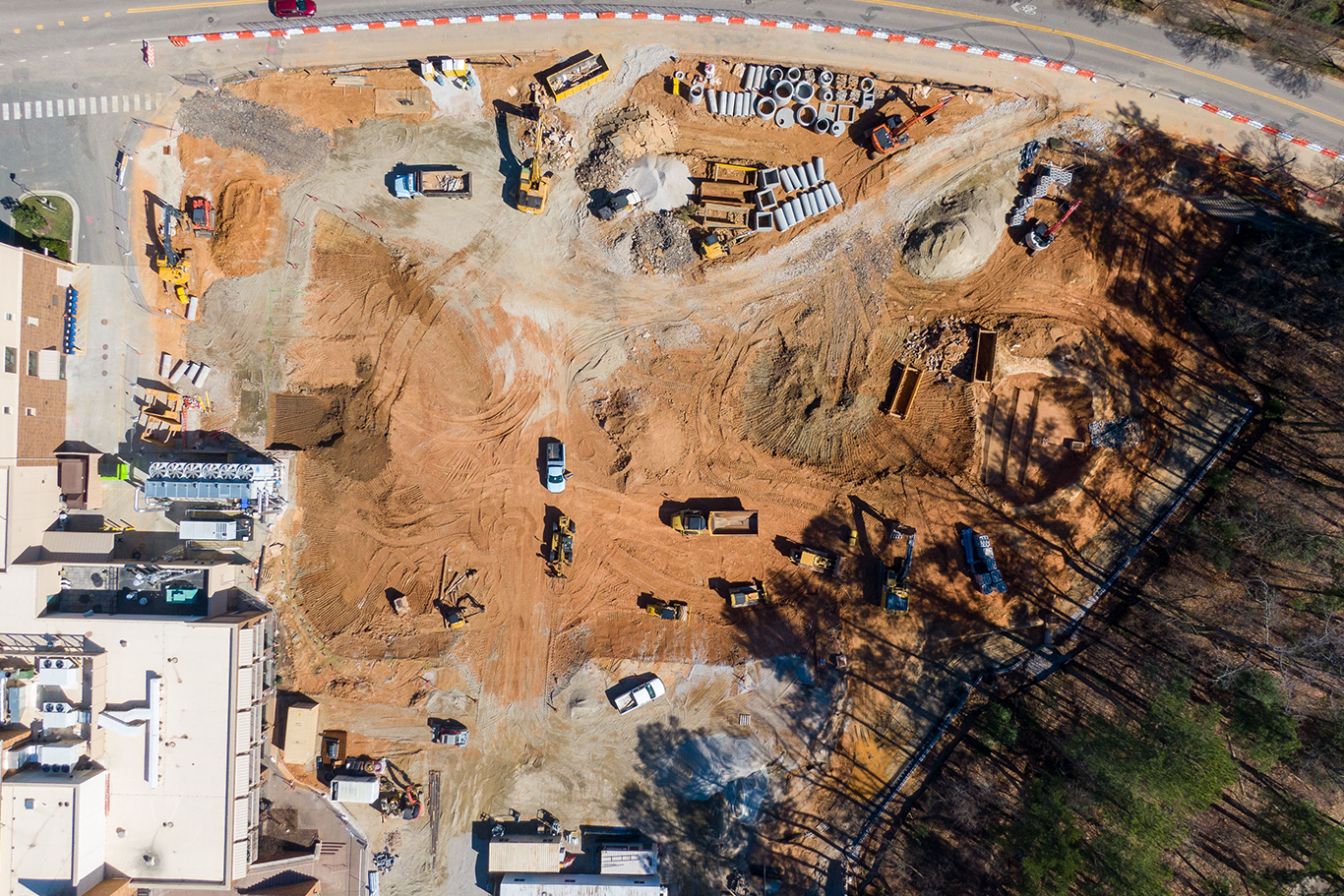
We help contractors protect their tools, vehicles, job sites, and employees with comprehensive insurance solutions. Whether you’re a general contractor, electrician, plumber, or another trade, we provide the coverage you need to keep your projects moving forward safely.
Cannabis Industry
Mosaic specializes in insuring the unique risks of the cannabis industry, including growers, retailers, processors, and delivery services. We understand the compliance challenges you face and work with carriers who can protect every stage of your operation.

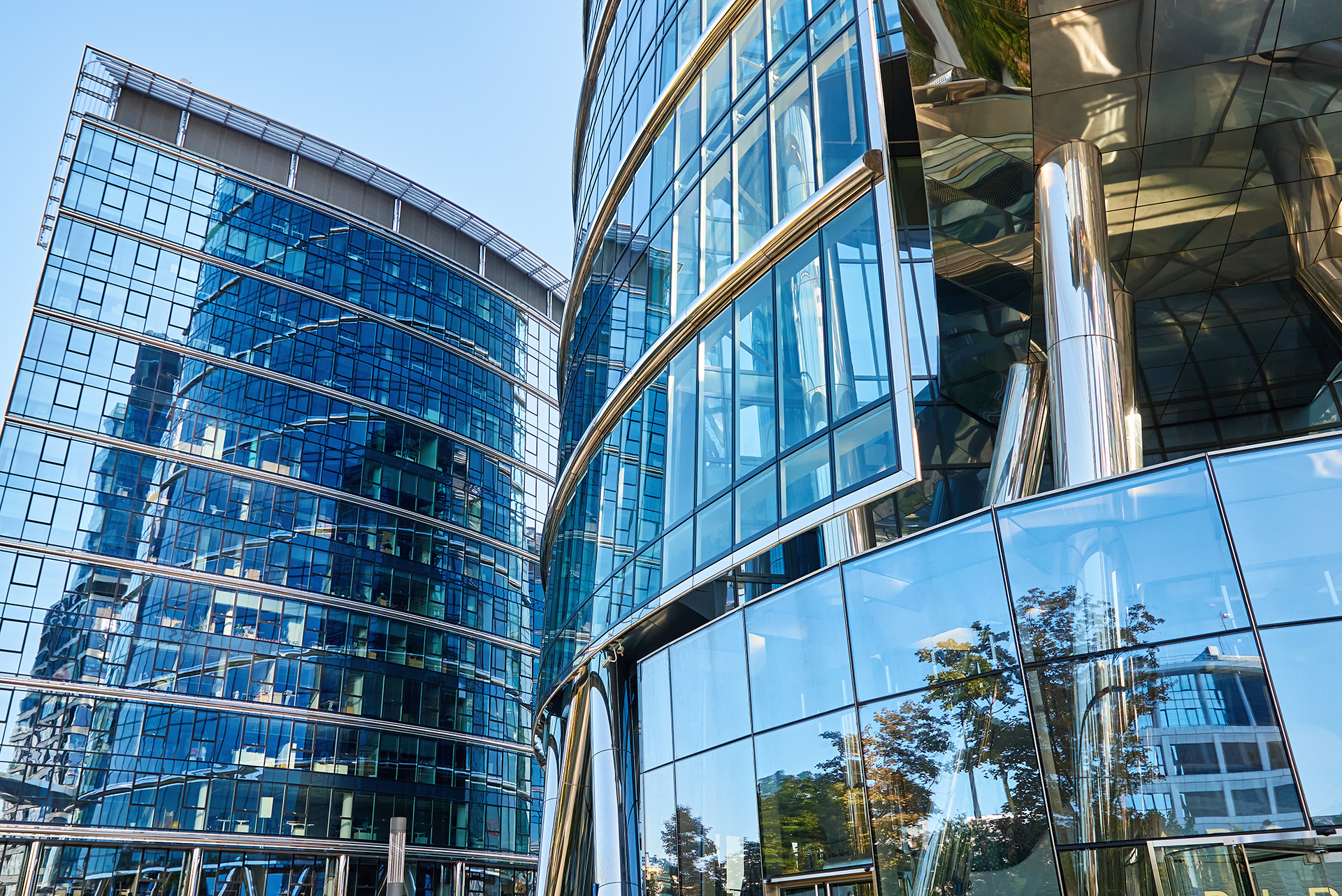
Lessor’s Risk (LRO)
If you own a building and lease space to commercial tenants, we help protect your property and liability as a landlord. Our policies safeguard your investment from damages, lawsuits, and other risks that come with leasing commercial real estate.

Frequently Asked Questions
Quick Answers. Trusted Support.
Insurance doesn’t have to be confusing. We’re here to make everything clear, helpful, and hassle-free.
What states is Mosaic Insurance licensed in?
Mosaic is licensed in more than 10 states, including Washington, Oregon, Arizona, California, Texas, Colorado, and more. Our team can help you whether you live locally in WA or operate across multiple state lines.
We’re especially well-equipped to help clients with multi-state businesses, real estate portfolios, or cannabis operations that need compliance-ready coverage in various jurisdictions.
Can I get quotes from multiple carriers through Mosaic?
Yes. As an independent agency, we partner with a wide range of top-rated insurance carriers. That means you’re not locked into just one company’s pricing or coverage limitations.
Our advisors compare quotes for you, break down the differences, and help you choose the plan that fits best—no pressure, just honest advice.
Does Mosaic offer cannabis insurance, and who qualifies?
Absolutely. Mosaic is one of the few agencies with deep experience in cannabis insurance. We offer coverage for dispensaries, cultivators, delivery services, manufacturers, and labs.
If you're in a licensed state and need coverage that meets regulatory requirements, we can help set you up with carriers who understand the cannabis industry’s unique risks.
What can I do through the client portal?
You can use our 24/7 client portal to request policy changes, submit certificates of insurance, and manage your billing. It’s easy to use and always available.
This helps speed up business tasks and gives you full access to your coverage—even outside of regular office hours.
What should I expect after requesting a quote?
Once you request a quote, our team will reach out to gather a few key details. From there, we shop coverage with multiple carriers and return with clear, personalized options.
We make it easy to compare policies, ask questions, and finalize your protection—usually in 24–48 hours.
Can Mosaic help me file a claim?
Yes. Whether it’s an auto accident, property damage, or business-related issue, we’re here to guide you through the claims process. Our team can explain your coverage, contact the carrier, and help get things moving quickly.
We’re your advocate—before, during, and after a claim. You don’t have to go it alone.
Tips, News & Insights
Explore Our Blog