
Top 3 Recommended Policies

By: Jackson Hering
Licensed Personal Insurance Specialist
425-409-2497
A single cracked pane on a downtown Seattle high-rise can generate a claim that wipes out a year's revenue. A worker slipping off a ladder at a Bellevue residence can trigger medical bills that bankrupt a small operation overnight. For window cleaning contractors in Washington, the right insurance isn't optional: it's the difference between building a sustainable business and gambling with your livelihood. This guide covers everything you need to know about protecting your window cleaning company in Washington State, from general liability and workers' compensation to specialized endorsements for rope access, water damage, and commercial vehicles. Whether you're a solo operator washing storefronts in Tacoma or running a crew across the Puget Sound region with high-rise contracts, your risk profile is unique, and your coverage should match it. The median monthly cost for
general liability alone sits around $60, while workers' comp runs roughly $136 per month, but those numbers shift dramatically based on the services you offer and how you operate. Understanding what drives those costs, and where the coverage gaps hide, puts you in a far stronger position when shopping for policies. Let's break it down by coverage type, service specialty, and the real-world factors that shape your premiums.
Core Insurance Requirements for Washington Window Cleaners
Washington State treats contractor insurance seriously. If you're operating without proper coverage, you're not just taking a financial risk: you're potentially breaking the law. The state requires workers' compensation for nearly every employer, and most commercial clients won't hire you without proof of general liability. Surety bonds add another layer that many contractors overlook until a licensing application forces the issue.
Your insurance portfolio should address three distinct categories of risk: harm to others (liability), harm to your employees (workers' comp), and contractual guarantees (bonds). Each one serves a different purpose, and none of them replaces the others. Getting this foundation right protects your business from the claims that shut down window cleaning companies every year.
General Liability: Protecting Against Property Damage and Injury
General liability (GL) is your first line of defense against third-party claims. If your squeegee pole knocks a vase off a client's windowsill, or a passerby trips over your bucket on the sidewalk, GL covers the resulting property damage or bodily injury. Most policies start with $1 million per occurrence and $2 million aggregate limits, which satisfy the majority of commercial contracts.
For window cleaners specifically, water damage claims are one of the most common GL triggers. A seal failure around a window frame, an overflow from a water-fed pole system, or runoff that damages interior flooring: these scenarios happen more often than you'd think. Washington homeowners' policies may cover some water damage scenarios, but when your work causes the damage, their insurer is coming after yours.
GL premiums for window cleaning contractors typically fall between $40 and $80 per month, depending on your revenue, number of employees, and the types of properties you service. High-rise work pushes that number higher. A solo residential operator might pay $500 annually, while a commercial crew servicing buildings over four stories could see $1,500 or more.
Washington State Workers' Comp: Navigating the Monopolistic Fund
Washington is one of four states with a monopolistic workers' compensation system. You can't buy workers' comp from a private insurer here. Instead, you pay into the Washington State Department of Labor & Industries (L&I) fund. Every employer with even one W-2 employee must participate, and sole proprietors can elect coverage for themselves.
L&I sets rates by risk classification, and window cleaning falls into a category that reflects the inherent danger of working at height. Your rate is expressed per $100 of payroll, and it varies based on your specific classification code. The state periodically adjusts these rates: L&I publishes proposed rate changes that can shift your costs year over year. For 2026, expect to budget between $3 and $7 per $100 of payroll for typical window cleaning operations.
One advantage of the monopolistic system is the retro program. Washington cities and contractors who maintain strong safety records can earn performance-based refunds through L&I's retrospective rating program. If your crew avoids claims, you get money back. That's a real incentive to invest in training and safety equipment.
Surety Bonds vs. Liability Insurance
Contractors often confuse surety bonds with insurance, but they serve completely different purposes. A surety bond guarantees you'll fulfill your contractual obligations. If you fail to complete a job or violate licensing requirements, the bond pays the injured party, and then you owe the bonding company back.
Liability insurance, on the other hand, protects you from claims. It pays out on your behalf when accidents happen, and you don't have to reimburse the insurer. Washington requires a contractor's registration bond (typically $12,000 for general contractors), and some municipalities require additional bonding for specialty work. The annual premium on a $12,000 bond usually runs between $100 and $400, depending on your credit and claims history.
You need both. A bond satisfies your licensing requirements, while liability insurance protects your actual business assets.
Specialized Coverage for High-Rise and Residential Services
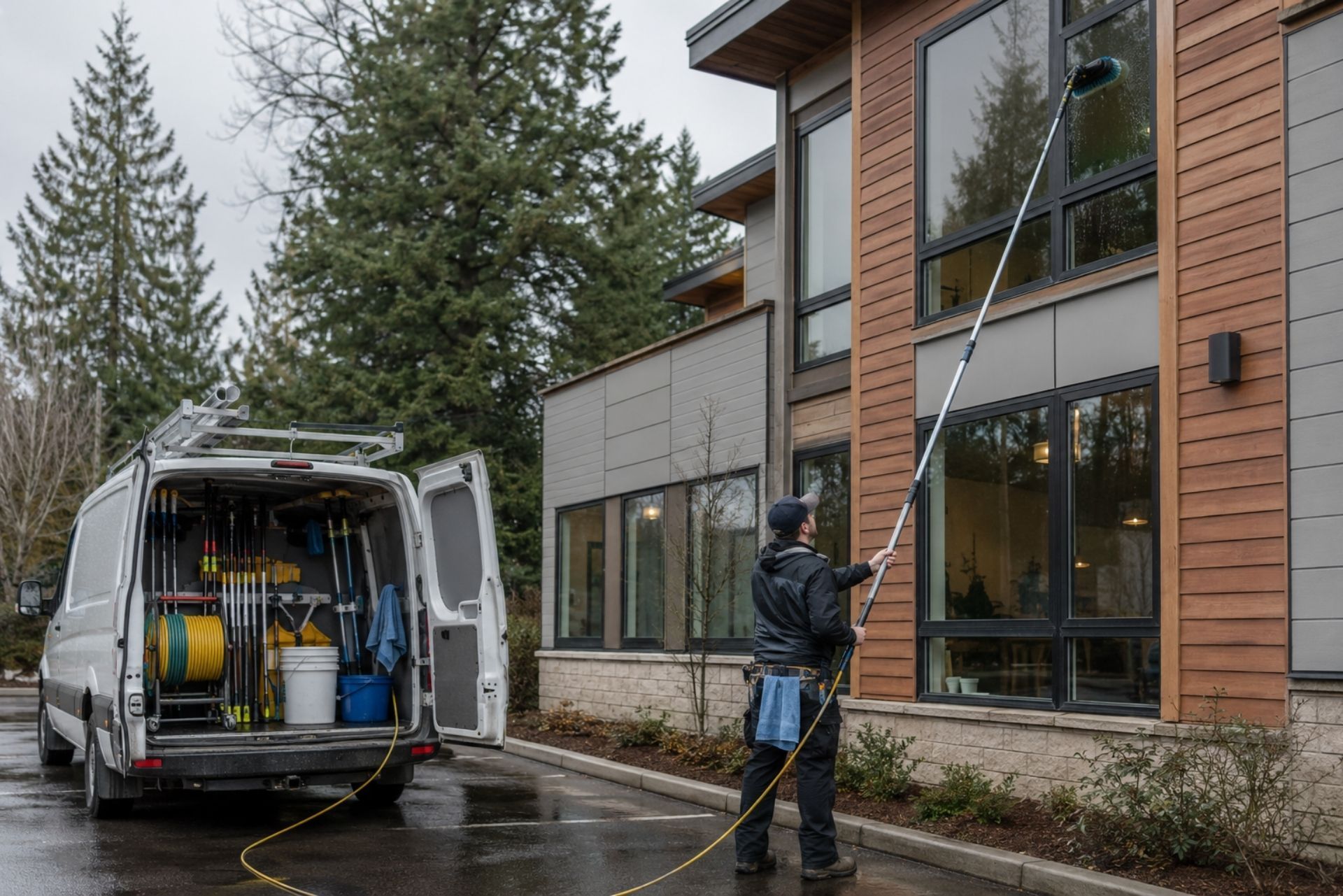
Standard general liability policies contain exclusions that can leave window cleaning contractors exposed. Two endorsements deserve particular attention if you handle client property or own expensive equipment.
Care, Custody, and Control Endorsements
Here's a coverage gap that catches many contractors off guard. Standard GL policies exclude damage to property in your "care, custody, or control." That means if you're cleaning a window and accidentally crack the glass, your basic policy might deny the claim because the window was temporarily under your control while you worked on it.
A care, custody, and control (CCC) endorsement closes this gap. It's especially critical for residential work, where you're often handling window treatments, moving furniture near windows, or working with delicate glass types. The endorsement typically adds $50 to $150 per year to your premium, which is a small price compared to replacing a $2,000 custom window.
For high-rise contractors doing rope descent work, CCC endorsements become even more important. Anchor point installations, building facade contact, and the sheer value of commercial glass panels all increase the stakes.
Inland Marine Insurance for Ladders and Scaffolding
Your equipment travels with you. Standard property insurance covers items at a fixed location, but your ladders, water-fed pole systems, scaffolding, rope access gear, and pressure washers ride in your truck to job sites across the state. Inland marine insurance covers this mobile equipment against theft, damage, and loss wherever it goes.
A professional-grade water-fed pole system can cost $3,000 to $8,000. Rope access kits with harnesses, descenders, and anchor equipment run $2,000 to $5,000. Replacing stolen or damaged gear out of pocket while also losing income during the downtime can cripple a small operation. Inland marine premiums typically cost 1% to 3% of the total insured equipment value annually.
The policy also covers equipment in transit and at job sites, which matters if you're storing gear in a vehicle overnight or leaving scaffolding set up on a multi-day project. Pressure washing contractors face similar equipment insurance requirements, and the coverage structure is nearly identical.
Comparing Coverage: Basic vs. Comprehensive Protection
The difference between a bare-minimum policy and a well-structured insurance program becomes obvious after your first serious claim. Here's how the two approaches compare:
| Coverage Area | Basic Protection | Comprehensive Protection |
|---|---|---|
| General Liability | $1M/$2M, standard exclusions | $1M/$2M with CCC endorsement |
| Workers' Comp | L&I minimum compliance | L&I plus retro program enrollment |
| Commercial Auto | Liability only | Liability + collision + hired/non-owned |
| Equipment | None (out-of-pocket replacement) | Inland marine, $25K-$50K coverage |
| Umbrella | None | $1M-$2M excess liability |
| Estimated Annual Cost | $1,200-$2,400 | $3,500-$7,000 |
A basic setup keeps you legal. Comprehensive coverage keeps you in business after a bad day. The cost difference between the two is often less than one month's revenue from a single commercial contract.
Common Questions About Window Cleaning Insurance
Do I need insurance if I'm a sole proprietor with no employees? You're not legally required to carry workers' comp as a sole proprietor in Washington, but you can elect self-coverage through L&I. General liability is strongly recommended because most clients require it, and a single property damage claim could exceed your personal savings.
Does my auto insurance cover my work vehicle? Personal auto policies exclude commercial use. If you're driving to job sites with equipment in your vehicle, you need a commercial auto policy. Hired and non-owned auto coverage protects you when employees use their personal vehicles for work errands.
What happens if a subcontractor gets hurt on my job? If your subcontractor doesn't carry their own workers' comp, L&I may hold you responsible for their coverage. Always verify subcontractor insurance certificates before they start work, and keep copies on file.
How quickly can I get a certificate of insurance? Most insurers can issue a certificate of insurance (COI) within 24 to 48 hours of binding a policy. Some digital-first carriers offer same-day certificates, which helps when you land a last-minute commercial contract.
Are rope access and bosun's chair work rated differently? Yes. Work above certain heights, especially rope descent systems, falls into a higher risk classification. Expect premiums 20% to 40% higher than standard ladder-based residential cleaning. Your insurer may also require proof of SPRAT or IRATA certification for your crew.
Can I bundle my policies to save money? A Business Owner's Policy (BOP) combines general liability with commercial property coverage at a discount. Window cleaning contractors with a physical office or shop location benefit most from this approach. Bundling
can reduce total insurance costs by 10% to 15% compared to buying each policy separately.
Insurance pricing isn't arbitrary. Underwriters evaluate specific risk factors that directly relate to how you operate your business.
Service Height and Safety Equipment Usage
The single biggest premium driver for window cleaning contractors is how high you work. A company that stays below 15 feet on residential homes pays significantly less than one running rope descent operations on 20-story buildings. Insurers categorize risk by service height tiers, and each jump in height brings a corresponding increase in premium.
Your safety equipment and training protocols also matter. Companies that document regular safety training, maintain inspection logs for harnesses and ropes, and follow OSHA fall protection standards often qualify for lower rates. Some insurers offer credits of 5% to 10% for documented safety programs. If you haven't formalized your safety procedures, doing so before your next renewal could save real money.
Payroll Size and Subcontractor Agreements
Workers' comp premiums scale directly with payroll. A company running $200,000 in annual payroll at a rate of $5 per $100 pays $10,000 per year for workers' comp alone. Managing your payroll classifications accurately matters: office staff should be classified differently from field workers, and misclassification leads to overpayment or audit penalties.
Subcontractor relationships add complexity. If you hire subs who don't carry their own insurance,
your premiums may increase because the insurer treats uninsured subs as your employees for rating purposes. Always require certificates of insurance from every subcontractor and verify they're current before each project.
Making the Right Choice for Your Business
Your insurance program should reflect the actual risks you face, not just the minimum requirements to stay licensed. A residential-only operator in Spokane has a very different risk profile than a high-rise crew working the Seattle skyline. Start by documenting your specific exposures: the heights you work at, the equipment you own, your payroll, your subcontractor relationships, and the types of properties you service.
Get quotes from at least three sources. A national carrier, a regional insurer familiar with Washington's L&I system, and an independent agent who specializes in contractor insurance will give you a solid range. Compare not just price but coverage terms, exclusions, and endorsement options. The cheapest policy is rarely the best value when a claim hits.
Washington's insurance requirements for window cleaning contractors aren't going to get simpler. Building your coverage around your real-world operations, maintaining strong safety records to earn L&I retro refunds, and reviewing your policies annually as your business grows will keep you protected without overpaying. Talk to an agent who understands the window cleaning industry, bring your equipment list and payroll numbers, and build a program that actually fits your business.

About The Author:
Jackson Hering
I'm a fourth-generation insurance agent, having learned the business firsthand while working alongside my father. With years of experience passed down through my family, I take pride in combining that legacy knowledge with a modern, client-focused approach. I started my career at a small, family-owned agency and worked my way up, gaining a deep understanding of the industry from the ground up.
Contact Us
Coverage for Everyday Life
Personal Insurance That Works for You
We help individuals and families find coverage that keeps life moving—without overpaying or getting lost in fine print. From auto and home insurance to umbrella and life protection, our licensed team compares options across top-rated carriers to make sure you’re covered the right way, right now.
Auto Insurance
Drive with confidence and coverage that fits your needs.
Home Insurance
Coverage for fire, theft, liability, and more.
Renters Insurance
Affordable protection for your belongings and personal liability.

Boat Insurance
Coverage for watercraft damage, liability, and gear.
Life Insurance
Prepare for the future with term or whole life policies.
Umbrella Insurance
Extra liability protection for life’s bigger risks.
Protect Your Business Without the Guesswork
Business Insurance Built for Stability & Growth
Running a business comes with risk. We help reduce it. Our team builds custom coverage for your needs, including general liability, property, commercial auto, and cyber protection. We’re fast, responsive, and easy to reach—so your insurance is one less thing to worry about.
Industries We Serve
Tailored by Industry
We understand the risks unique to your business—and how to insure against them.
Contractors & Trades
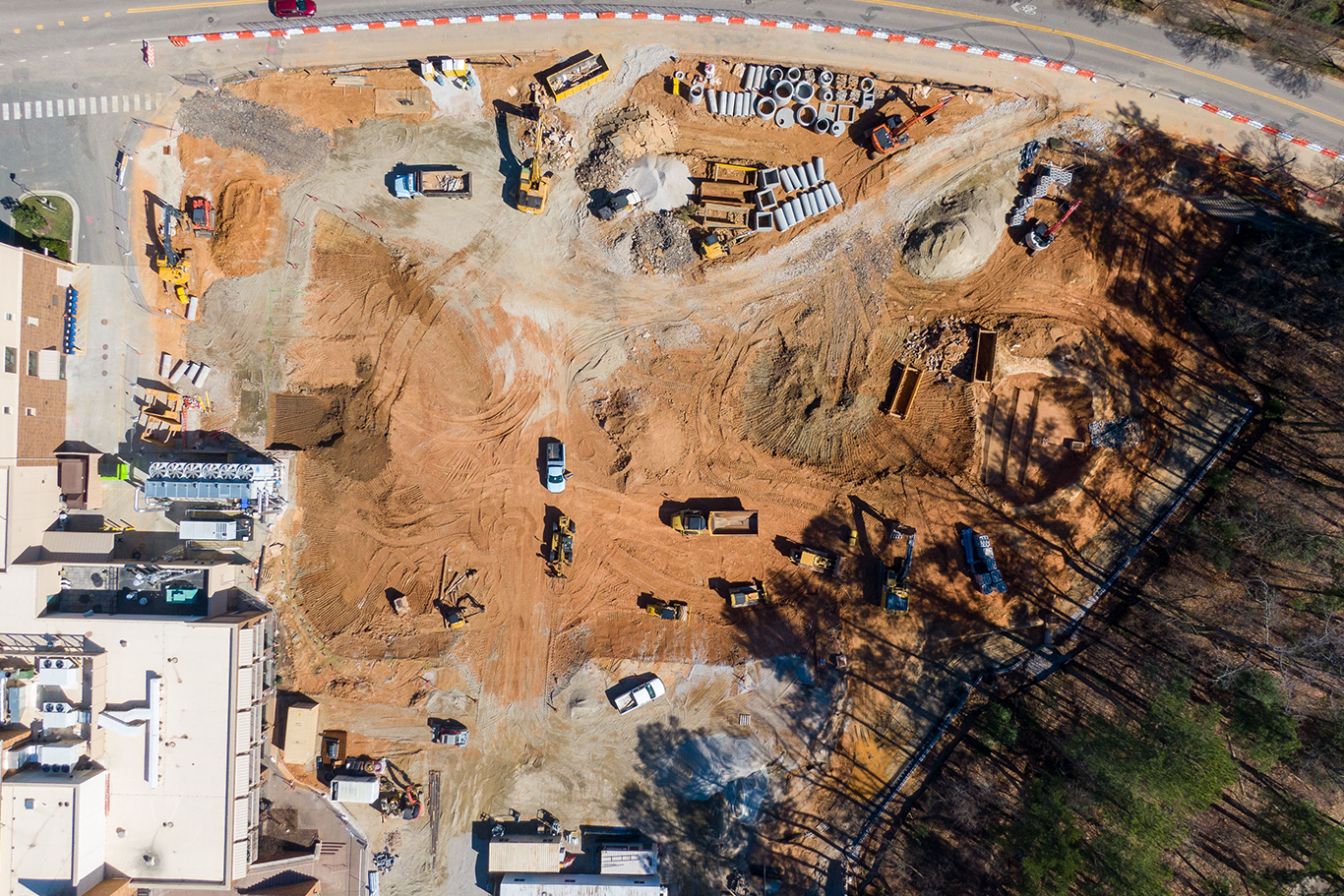
We help contractors protect their tools, vehicles, job sites, and employees with comprehensive insurance solutions. Whether you’re a general contractor, electrician, plumber, or another trade, we provide the coverage you need to keep your projects moving forward safely.
Cannabis Industry
Mosaic specializes in insuring the unique risks of the cannabis industry, including growers, retailers, processors, and delivery services. We understand the compliance challenges you face and work with carriers who can protect every stage of your operation.


Lessor’s Risk (LRO)
If you own a building and lease space to commercial tenants, we help protect your property and liability as a landlord. Our policies safeguard your investment from damages, lawsuits, and other risks that come with leasing commercial real estate.

Frequently Asked Questions
Quick Answers. Trusted Support.
Insurance doesn’t have to be confusing. We’re here to make everything clear, helpful, and hassle-free.
What states is Mosaic Insurance licensed in?
Mosaic is licensed in more than 10 states, including Washington, Oregon, Arizona, California, Texas, Colorado, and more. Our team can help you whether you live locally in WA or operate across multiple state lines.
We’re especially well-equipped to help clients with multi-state businesses, real estate portfolios, or cannabis operations that need compliance-ready coverage in various jurisdictions.
Can I get quotes from multiple carriers through Mosaic?
Yes. As an independent agency, we partner with a wide range of top-rated insurance carriers. That means you’re not locked into just one company’s pricing or coverage limitations.
Our advisors compare quotes for you, break down the differences, and help you choose the plan that fits best—no pressure, just honest advice.
Does Mosaic offer cannabis insurance, and who qualifies?
Absolutely. Mosaic is one of the few agencies with deep experience in cannabis insurance. We offer coverage for dispensaries, cultivators, delivery services, manufacturers, and labs.
If you're in a licensed state and need coverage that meets regulatory requirements, we can help set you up with carriers who understand the cannabis industry’s unique risks.
What can I do through the client portal?
You can use our 24/7 client portal to request policy changes, submit certificates of insurance, and manage your billing. It’s easy to use and always available.
This helps speed up business tasks and gives you full access to your coverage—even outside of regular office hours.
What should I expect after requesting a quote?
Once you request a quote, our team will reach out to gather a few key details. From there, we shop coverage with multiple carriers and return with clear, personalized options.
We make it easy to compare policies, ask questions, and finalize your protection—usually in 24–48 hours.
Can Mosaic help me file a claim?
Yes. Whether it’s an auto accident, property damage, or business-related issue, we’re here to guide you through the claims process. Our team can explain your coverage, contact the carrier, and help get things moving quickly.
We’re your advocate—before, during, and after a claim. You don’t have to go it alone.
Tips, News & Insights
Explore Our Blog