Washington Artisan Contractor Business Owners Policy

or call us: 425-320-4280
Top 3 Recommended Policies

By: Jackson Hering
Licensed Personal Insurance Specialist
425-409-2497
A single spark from a grinder, a water line punctured during a bathroom remodel, or a stolen trailer full of specialty tools: these are the kinds of events that can turn a profitable quarter into a financial crisis for a small contractor. If you're an artisan contractor working in Washington, a
business owners policy (BOP) bundles the coverages you actually need into one package, often at a lower premium than buying each policy separately. This guide covers
general liability, property protection,
tools and equipment floaters, business income coverage, auto gaps, and
umbrella options so you can build the right insurance foundation for your trade. Whether you're a plumber in Spokane or an electrician working across King County, understanding how these coverages fit together is the difference between surviving a bad month and closing your doors. Most
artisan contractors we talk to carry annual BOP premiums between $1,200 and $3,500, depending on trade classification, revenue, and the limits they select. That range can shift based on your claims history and the specific endorsements you add. The goal here isn't to sell you on a particular carrier but to give you the working knowledge to compare quotes intelligently and avoid the coverage gaps that trip up contractors every year.
Understanding Business Owners Policies (BOP) for Washington Contractors
A BOP combines two essential insurance coverages, general liability and commercial property, into a single policy. For artisan contractors in Washington, this bundled approach simplifies billing, reduces paperwork, and typically costs 10-15% less than purchasing standalone policies. Carriers like Hartford, Employers, and regional options such as PEMCO offer BOP products tailored to small contractor operations with annual revenues under $5 million.
The key advantage is simplicity. Instead of managing renewal dates and coverage terms across multiple policies, you get one declaration page that outlines your liability limits, property coverage, and any endorsements. Most Washington BOPs start with $1 million per occurrence and $2 million aggregate for general liability, paired with property limits you select based on your actual business assets.
Why Artisan Contractors Need Specialized Coverage
A standard BOP designed for a retail store or office won't address the risks an artisan contractor faces daily. You're working on other people's property, transporting expensive tools between job sites, and performing work that could cause property damage months after you leave. Completed operations coverage, for example, protects you if a deck you built last year collapses and injures someone.
Artisan trades like HVAC, plumbing, electrical, and painting each carry distinct risk profiles. An HVAC technician faces refrigerant liability and fire risk from brazing, while a painter deals with lead exposure claims and overspray damage. Your BOP needs endorsements that match your specific trade, not a generic small business template.
General Liability vs. Property Insurance: The BOP Foundation
General liability covers third-party bodily injury and property damage claims. If you accidentally flood a client's kitchen during a plumbing repair, your GL responds. It also covers advertising injury and personal injury claims, though those come up less often for contractors.
Commercial property insurance protects your owned business assets: office furniture, computers, stored materials, and in some cases, tools and equipment. The distinction matters because GL pays for damage you cause to others, while property insurance pays for damage to your own stuff. A BOP wraps both into one policy, but you still need to understand where each coverage starts and stops. Many contractors assume their tools are fully covered under the property portion, only to discover after a theft that their policy has a $2,500 sublimit on portable equipment.
Core Coverages Included in an Artisan BOP
Beyond the GL and property foundation, a well-structured BOP includes several coverages that matter specifically to contractors. These typically come standard or as affordable add-ons: business income protection, equipment breakdown, and hired/non-owned auto liability. Washington's climate adds another layer, as winter storms, flooding in western counties, and wildfire smoke on the eastern side can all trigger property claims.
Standard BOP property limits usually cover your business personal property at replacement cost, but the base limits may not reflect the actual value of your inventory and equipment. A tile contractor with $40,000 in stone inventory needs to verify their property limit accounts for seasonal stock fluctuations, especially before large commercial projects.
Tools and Equipment Floaters
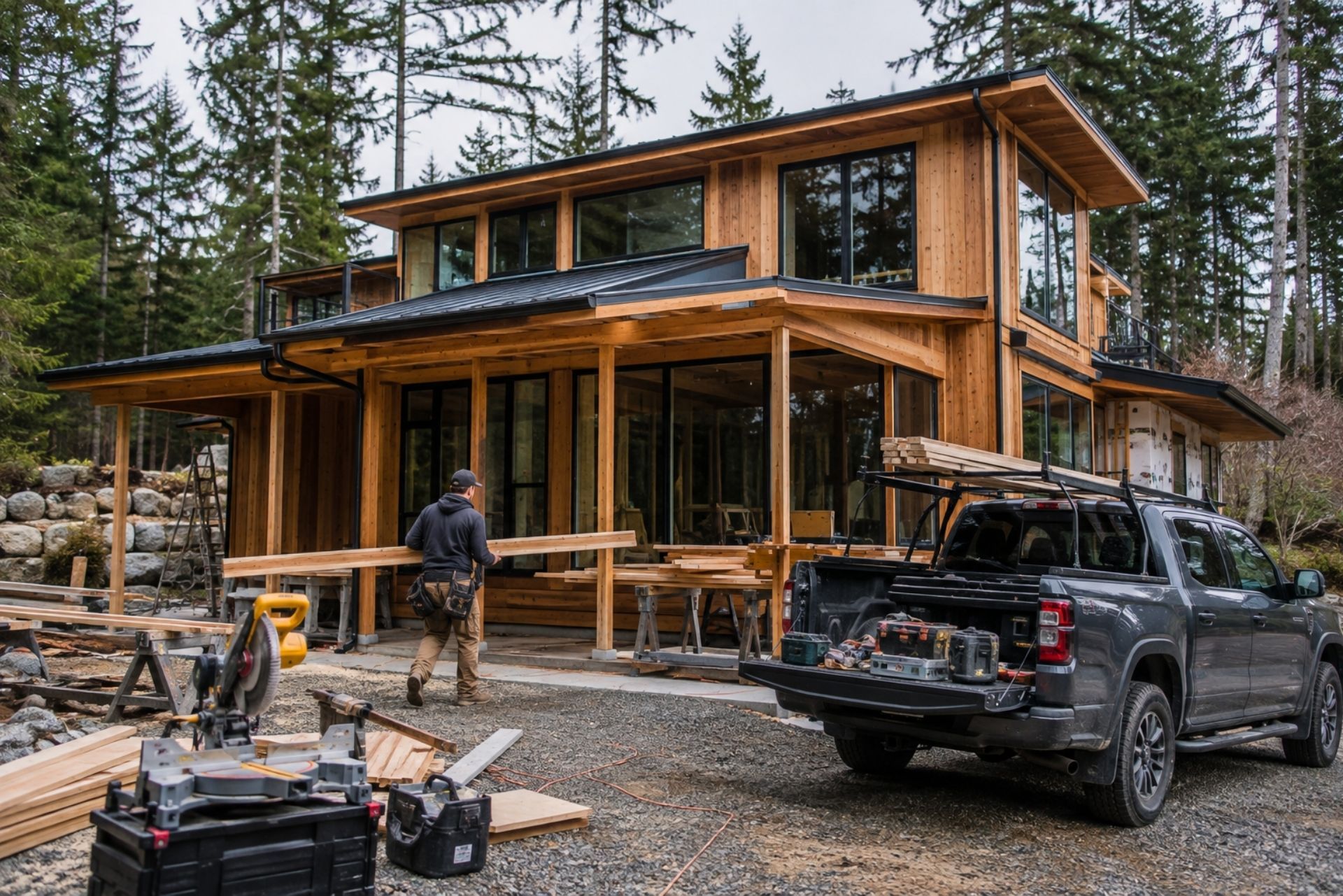
Here's where many artisan contractors get caught off guard. A standard BOP property section often caps portable tools and equipment at $5,000 to $10,000. If you're a finish carpenter with $25,000 in specialty saws, routers, and pneumatic nailers, that base limit leaves a painful gap.
An inland marine floater, sometimes called a tools and equipment floater, extends coverage for items that travel between job sites. These floaters typically cover theft, accidental damage, and sometimes mysterious disappearance, though that last one varies by carrier. Expect to pay roughly $150 to $400 annually per $10,000 of scheduled tool value. Keep a current inventory with serial numbers and photos stored in the cloud. Claims adjusters process tool theft claims much faster when you can produce documentation.
Business Interruption and Extra Expense
If a fire damages your shop or a covered event forces you to stop operations, business income coverage replaces the revenue you would have earned during the restoration period. For a contractor running a small operation out of a leased warehouse, this coverage can mean the difference between keeping your crew on payroll and losing them to competitors.
Extra expense coverage pays for temporary measures to keep your business running, like renting a storage unit for materials or setting up a temporary office. Most BOPs include a 12-month restoration period, but some carriers offer extensions. One thing to keep in mind: business income coverage only triggers after a covered property loss. If you simply lose a big contract or a client doesn't pay, that's a business risk, not an insurable event.
Washington State Specific Requirements and Regulations
Washington has some of the most contractor-specific regulations in the country, and they directly affect your insurance decisions. The state's Department of Labor & Industries (L&I) oversees contractor registration, and operating without proper registration can result in fines up to $5,000 for a first offense.
Labor & Industries (L&I) Registration Standards
Every contractor performing work in Washington must register with L&I before bidding or performing any work. Registration requires proof of a surety bond, a current UBI number from the Department of Revenue, and workers' compensation coverage through Washington's state fund or an approved self-insurance program. Washington is one of four monopolistic states for workers' comp, meaning you can't buy it from a private carrier. You must go through L&I's State Fund.
This registration isn't a one-time task. You'll renew every two years, and L&I actively audits contractors. If your registration lapses, you can't legally perform work, and any contracts signed during that gap may be unenforceable.
Mandatory Surety Bonds vs. Optional Insurance
Washington's surety bond requirements changed recently. Effective July 1, 2024, the state increased mandatory bond amounts to $30,000 for general contractors and $12,000 for specialty contractors. These bonds protect consumers if a contractor fails to complete work, damages property, or violates the contractor registration act.
A surety bond is not insurance for you. It's a guarantee to the public. If a claim is paid against your bond, the surety company will come after you for reimbursement. Your BOP, on the other hand, actually protects your business. Many new contractors confuse the two and assume their bond covers liability claims. It doesn't. You need both: the bond to stay legally registered and the BOP to protect your business from lawsuits and property losses. Washington's construction law landscape continues to evolve, with
recent legislative updates affecting contractor obligations around indemnity and insurance requirements in 2024 and beyond.
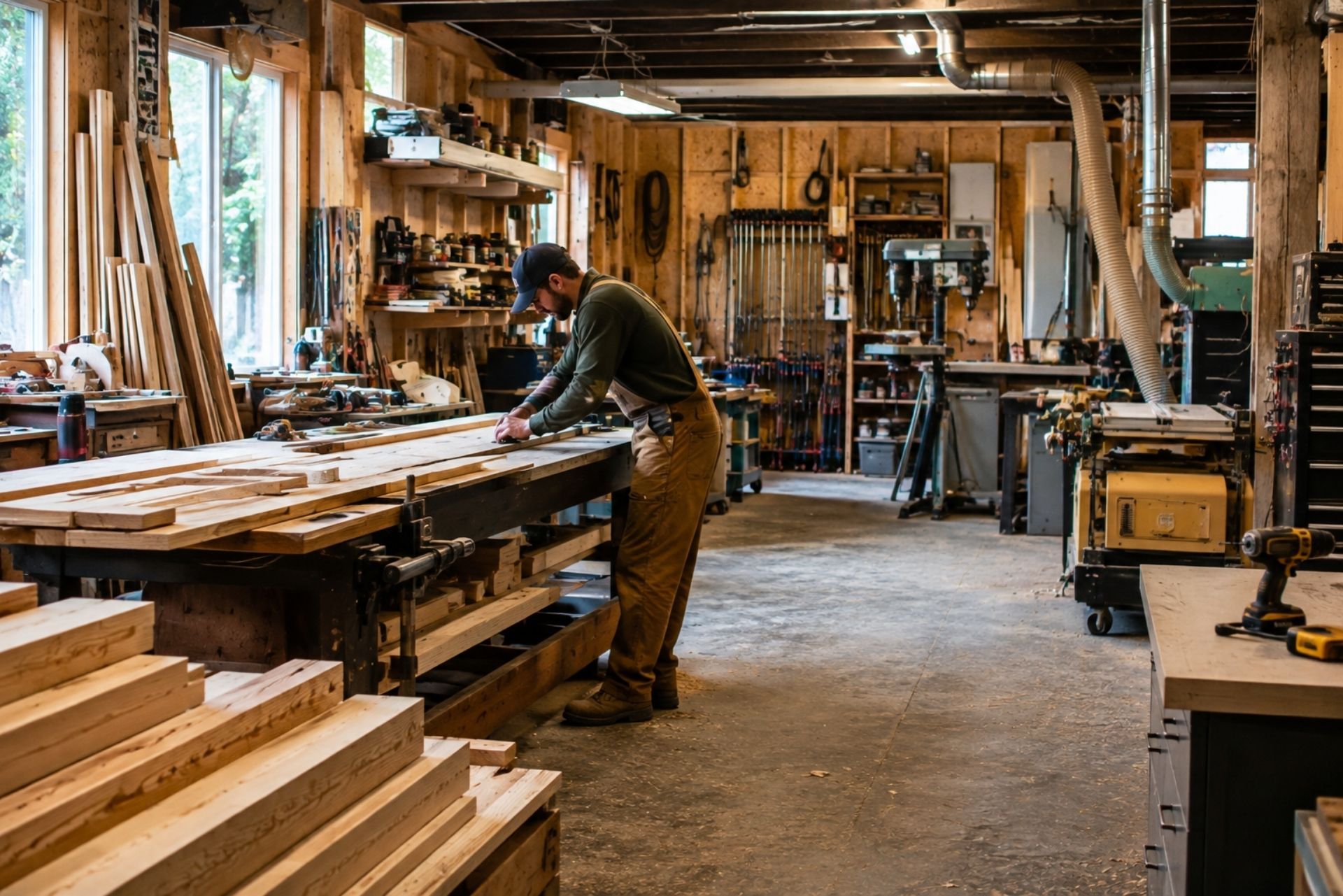
Not every artisan contractor needs the same level of coverage. A sole proprietor handyman doing small residential repairs has different exposure than a six-person electrical crew pulling permits on commercial tenant improvements. Your BOP should scale with your risk.
A basic BOP works for low-risk trades with minimal equipment and no employees. Once you add a crew, take on larger projects, or start working on commercial properties, you need enhanced coverage. Umbrella policies become relevant here too, providing an extra $1 million to $5 million in liability limits above your BOP and auto policies. Annual umbrella premiums for small contractors typically run $300 to $800 for the first $1 million.
Comparison Table: Standard BOP vs. Enhanced Artisan Policy
| Coverage Feature | Standard BOP | Enhanced Artisan BOP |
|---|---|---|
| General Liability | $1M/$2M | $1M/$2M (broader form) |
| Property Limit | $50K-$100K | $100K-$500K+ |
| Tools/Equipment | $5K-$10K sublimit | $25K-$50K+ via floater |
| Business Income | 12 months, basic | 12-18 months, extended |
| Hired/Non-Owned Auto | Often excluded | Included |
| Completed Operations | Included | Included with higher limits |
| Umbrella Eligible | Sometimes | Yes |
| Annual Premium Range | $1,200-$2,000 | $2,500-$5,000+ |
Washington's insurance market shows
competitive premium trends for commercial lines, which means you have options. Get at least three quotes and compare not just price but the specific sublimits and exclusions in each policy.y
Frequently Asked Questions About Washington Artisan Insurance
Does a BOP cover my work vehicle in Seattle?
No. A BOP does not include commercial auto coverage. If you drive a work truck or van, you need a separate commercial auto policy. Your BOP may include hired and non-owned auto liability, which covers you when driving a rented vehicle or an employee's personal car for business purposes, but it won't cover your owned vehicles.
Can I add workers' comp to my BOP in Washington?
You cannot bundle workers' comp into a BOP in Washington. The state runs a monopolistic workers' compensation fund through L&I. You'll pay premiums directly to the state based on your trade classification and payroll. Rates vary significantly by trade: roofers pay far more per $100 of payroll than finish carpenters.
What happens if my tools are stolen from a job site?
Your BOP's base property coverage may pay a portion, but standard sublimits for portable equipment are often too low. If you've added an inland marine or tools floater, you'll have broader coverage including theft from job sites and vehicles. File a police report immediately, as most carriers require it within 24-48 hours.
Do I need a BOP if I am a sole proprietor?
Yes, and arguably more so. As a sole proprietor, there's no corporate veil between your business and personal assets. A liability claim without insurance could put your home, savings, and personal property at risk. A BOP with $1 million in GL coverage typically costs a sole proprietor between $1,200 and $2,000 annually, which is a small price for that level of protection.
Making the Right Choice for Your Trade
Picking the right coverage for your artisan contracting business in Washington comes down to honest risk assessment. Document your tools and equipment values, know your annual revenue, and understand the specific exposures your trade creates. A plumber's risk profile looks nothing like a framing carpenter's, and your policy should reflect that.
Start by confirming your L&I registration is current and your surety bond meets the new $30,000 or $12,000 threshold. Then build your BOP around your actual operations: add a tools floater if your portable equipment exceeds $10,000, include business income coverage if losing your shop for a month would cripple your cash flow, and consider an umbrella policy once you're taking on projects over $100,000.
Talk to an independent agent who writes policies for contractors, not a generalist who mostly handles homeowners and auto. They'll know which carriers offer the best artisan endorsements in Washington and can spot coverage gaps you might miss. Your insurance should work as hard as you do, and getting it right now saves you from finding out the hard way that it was wrong.

About The Author:
Jackson Hering
I'm a fourth-generation insurance agent, having learned the business firsthand while working alongside my father. With years of experience passed down through my family, I take pride in combining that legacy knowledge with a modern, client-focused approach. I started my career at a small, family-owned agency and worked my way up, gaining a deep understanding of the industry from the ground up.
Contact Us
Coverage for Everyday Life
Personal Insurance That Works for You
We help individuals and families find coverage that keeps life moving—without overpaying or getting lost in fine print. From auto and home insurance to umbrella and life protection, our licensed team compares options across top-rated carriers to make sure you’re covered the right way, right now.
Auto Insurance
Drive with confidence and coverage that fits your needs.
Home Insurance
Coverage for fire, theft, liability, and more.
Renters Insurance
Affordable protection for your belongings and personal liability.

Boat Insurance
Coverage for watercraft damage, liability, and gear.
Life Insurance
Prepare for the future with term or whole life policies.
Umbrella Insurance
Extra liability protection for life’s bigger risks.
Protect Your Business Without the Guesswork
Business Insurance Built for Stability & Growth
Running a business comes with risk. We help reduce it. Our team builds custom coverage for your needs, including general liability, property, commercial auto, and cyber protection. We’re fast, responsive, and easy to reach—so your insurance is one less thing to worry about.
Industries We Serve
Tailored by Industry
We understand the risks unique to your business—and how to insure against them.
Contractors & Trades
We help contractors protect their tools, vehicles, job sites, and employees with comprehensive insurance solutions. Whether you’re a general contractor, electrician, plumber, or another trade, we provide the coverage you need to keep your projects moving forward safely.
Cannabis Industry
Mosaic specializes in insuring the unique risks of the cannabis industry, including growers, retailers, processors, and delivery services. We understand the compliance challenges you face and work with carriers who can protect every stage of your operation.


Lessor’s Risk (LRO)
If you own a building and lease space to commercial tenants, we help protect your property and liability as a landlord. Our policies safeguard your investment from damages, lawsuits, and other risks that come with leasing commercial real estate.

Frequently Asked Questions
Quick Answers. Trusted Support.
Insurance doesn’t have to be confusing. We’re here to make everything clear, helpful, and hassle-free.
What states is Mosaic Insurance licensed in?
Mosaic is licensed in more than 10 states, including Washington, Oregon, Arizona, California, Texas, Colorado, and more. Our team can help you whether you live locally in WA or operate across multiple state lines.
We’re especially well-equipped to help clients with multi-state businesses, real estate portfolios, or cannabis operations that need compliance-ready coverage in various jurisdictions.
Can I get quotes from multiple carriers through Mosaic?
Yes. As an independent agency, we partner with a wide range of top-rated insurance carriers. That means you’re not locked into just one company’s pricing or coverage limitations.
Our advisors compare quotes for you, break down the differences, and help you choose the plan that fits best—no pressure, just honest advice.
Does Mosaic offer cannabis insurance, and who qualifies?
Absolutely. Mosaic is one of the few agencies with deep experience in cannabis insurance. We offer coverage for dispensaries, cultivators, delivery services, manufacturers, and labs.
If you're in a licensed state and need coverage that meets regulatory requirements, we can help set you up with carriers who understand the cannabis industry’s unique risks.
What can I do through the client portal?
You can use our 24/7 client portal to request policy changes, submit certificates of insurance, and manage your billing. It’s easy to use and always available.
This helps speed up business tasks and gives you full access to your coverage—even outside of regular office hours.
What should I expect after requesting a quote?
Once you request a quote, our team will reach out to gather a few key details. From there, we shop coverage with multiple carriers and return with clear, personalized options.
We make it easy to compare policies, ask questions, and finalize your protection—usually in 24–48 hours.
Can Mosaic help me file a claim?
Yes. Whether it’s an auto accident, property damage, or business-related issue, we’re here to guide you through the claims process. Our team can explain your coverage, contact the carrier, and help get things moving quickly.
We’re your advocate—before, during, and after a claim. You don’t have to go it alone.
Tips, News & Insights
Explore Our Blog