
Top 3 Recommended Policies

By: Jackson Hering
Licensed Personal Insurance Specialist
425-409-2497
Running a sheet metal contracting business in Washington means juggling risks that most industries never face. Between plasma cutters throwing sparks in your fabrication shop, crews hoisting ductwork three stories up on a rainy Seattle jobsite, and a fleet of service vans crossing the Cascades in winter, your exposure profile is unlike almost any other trade. A single uninsured claim from a fire, a fall, or a faulty installation can wipe out years of profit and put your contractor's license at risk.
That's why building the right insurance program matters so much for Washington sheet metal contractors. Your coverage needs to account for shop fabrication hazards, field installation risks, hot work liabilities, expensive equipment, commercial vehicles, and the long tail of completed operations claims that can surface years after a job wraps. The state itself adds another layer of complexity: Washington runs its own workers' compensation system through the Department of Labor and Industries, requires specific contractor bonds, and enforces registration rules that differ from most other states.
This guide breaks down every coverage area that a sheet metal contractor in Washington should understand, from the state-mandated basics to the optional policies that separate well-protected shops from those gambling with their future. Whether you're a two-person
HVAC fabrication outfit in Spokane or a 40-crew commercial installer working high-rises in Bellevue, the principles here apply to your operation.
Washington doesn't leave much room for guessing about insurance requirements. The state mandates specific coverages and bonds before you can legally operate as a contractor. Falling out of compliance can trigger stop-work orders, fines up to $1,000 per day, and loss of your registration with the Department of Labor and Industries.
Washington L&I Workers' Comp Standards
Washington is one of four states that operates a monopolistic workers' compensation fund. You can't buy workers' comp from a private insurer here. Instead, you pay premiums directly to the Department of Labor and Industries, which sets rates based on your industry classification and claims history. Sheet metal work falls under risk classifications that reflect the trade's inherent dangers: burns, cuts, falls, and repetitive strain injuries.
For 2026, Washington workers' compensation rates saw a 4.9% average increase, adding approximately $1.37 per week per full-time employee. That might sound modest, but for a shop running 25 workers, it adds up to roughly $1,780 in additional annual cost. Your specific rate depends on your experience modification factor, so maintaining a clean safety record directly lowers your premiums over time.
State Contractor Bonding Requirements
Every general contractor in Washington must carry a surety bond of at least $12,000 as part of their registration. Specialty contractors, including sheet metal workers, face the same requirement. This bond protects consumers and project owners if you fail to complete work, violate building codes, or don't pay subcontractors and suppliers.
The bond itself isn't insurance for you. It's a guarantee to the public. If a valid claim is made against your bond, the surety company pays out and then comes after you for reimbursement. Many contractors also need additional performance and payment bonds for public works projects, which can run 1% to 3% of the contract value depending on your financial strength and bonding capacity.
Essential Coverage Types for Fabricators and Installers
Beyond state mandates, your voluntary insurance program needs to cover the full spectrum of what can go wrong in a sheet metal operation. The right combination of policies protects your shop, your crews, your vehicles, and your finished work.
General Liability vs. Professional Liability
General liability (GL) is the foundation of any contractor's insurance program. It covers bodily injury and property damage claims arising from your operations. If a piece of ductwork falls during installation and injures a bystander, or your crew damages a client's flooring while moving equipment, GL responds. Most commercial contracts require at least $1 million per occurrence and $2 million aggregate.
Professional liability, sometimes called errors and omissions, is a different animal. It covers claims arising from design mistakes, engineering errors, or faulty specifications. If you're designing custom HVAC systems or providing engineering input on fabrication drawings, you need this coverage. Many sheet metal contractors skip it because they think of themselves as installers, not designers, but if you're making design decisions on the job, you're exposed.
Inland Marine and Tool Coverage
Your standard commercial property policy covers your shop building and its contents. It doesn't follow your tools, materials, and equipment to the jobsite. That's where inland marine coverage fills the gap. A single service van might carry $15,000 to $30,000 worth of hand tools, power tools, and testing instruments. A plasma cutting table or CNC brake press sitting in your shop could be worth $50,000 to $200,000.
Inland marine policies can be written on a scheduled basis, where you list specific high-value items, or on a blanket basis that covers everything up to a set limit. For sheet metal contractors, we typically recommend a combination: schedule your most expensive fabrication equipment and blanket-cover field tools and smaller items.
Commercial Auto for Mobile Crews
If your crews drive company vehicles to jobsites, you need commercial auto insurance. Personal auto policies exclude business use, and a serious accident in an uninsured work truck can expose your entire business to a lawsuit. Washington requires minimum liability limits of $25,000/$50,000/$10,000, but those minimums are dangerously low for a commercial operation.
Most sheet metal contractors should carry at least $1 million in combined single-limit auto liability. If your employees ever use personal vehicles for work purposes, you'll also need hired and non-owned auto coverage to fill that gap. Don't overlook this: it's one of the most common coverage holes we see in contractor programs.
Comparing Policy Levels: Basic vs. Comprehensive
Not every sheet metal contractor needs the same level of coverage, but understanding the difference between a bare-minimum program and a well-rounded one helps you make informed decisions.
| Coverage Area | Basic Program | Comprehensive Program |
|---|---|---|
| General Liability | $1M/$2M occurrence/aggregate | $1M/$2M + $5M umbrella |
| Workers' Comp | State-mandated L&I only | L&I + employer's liability endorsement |
| Commercial Auto | State minimums ($25K/$50K) | $1M combined single limit |
| Inland Marine | Blanket $25K tools | Scheduled equipment + blanket $100K |
| Completed Operations | Included in GL (minimal limits) | Extended reporting + higher sublimits |
| Pollution Liability | Excluded | Contractor's pollution liability policy |
| Hot Work Coverage | Standard GL exclusions apply | Hot work endorsement or separate policy |
| Cyber Liability | None | $500K+ for data and billing systems |
A basic program might cost a small two-person shop $3,500 to $6,000 annually. A comprehensive program for a mid-size operation with 15 to 20 employees and a fleet of vehicles can run $25,000 to $60,000 or more, depending on revenue, payroll, and claims history. The cost of sheet metal contractor insurance varies widely based on these factors.
Hot Work Permits, Fire Prevention, and Insurance Implications
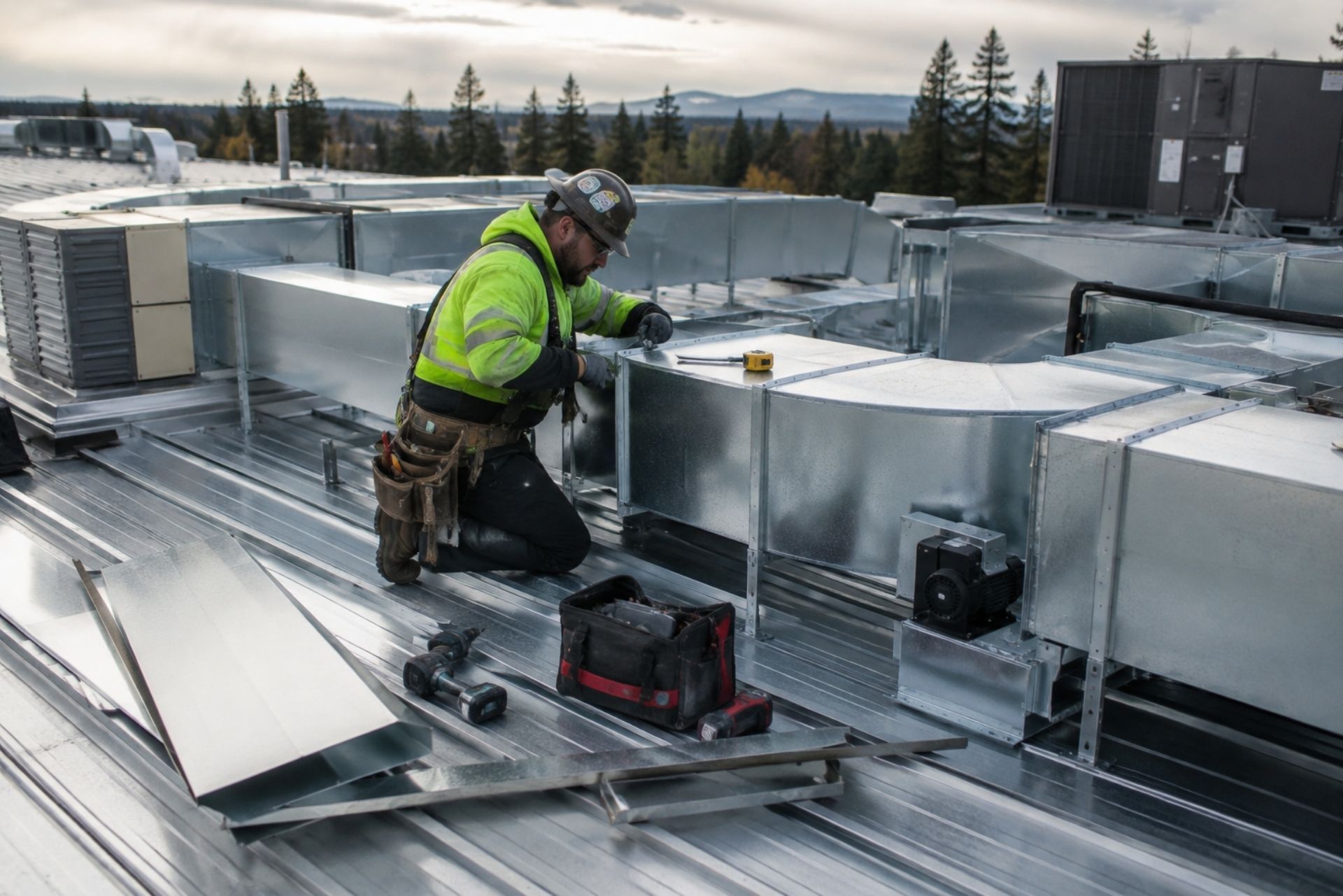
Hot work is where sheet metal contracting gets genuinely dangerous from an insurance standpoint. Welding, soldering, brazing, and cutting with torches or plasma equipment all create ignition sources that can start fires in occupied buildings. Insurers pay close attention to your hot work protocols.
Most commercial GL policies include coverage for fire damage, but your premiums and your ability to get coverage at all depend on documented safety procedures. Carriers want to see written hot work permit programs, fire watch protocols (typically 30 to 60 minutes after work stops), and evidence that your crews carry appropriate fire extinguishers. If you're doing hot work in an occupied commercial building and start a fire without proper permits, your insurer may deny the claim based on negligence.
Some carriers offer specific hot work endorsements that broaden coverage, while others require a separate fire legal liability policy for high-risk fabrication environments. Your shop's fire suppression system, ventilation setup, and housekeeping practices all factor into underwriting decisions.
Sheet metal fabrication creates risk exposures that general contractors don't face. Your shop environment, the products you build, and the materials you handle all create distinct liability scenarios.
Product Liability and Completed Operations
Completed operations coverage is arguably the most critical piece of a sheet metal contractor's insurance program. It protects you against claims that arise after you've finished a job and left the site. A ductwork system that fails and causes water damage six months later, a custom exhaust hood that doesn't properly vent fumes, or a roofing panel that leaks during the first heavy rain: these are all completed operations claims.
In Washington, the statute of limitations for construction defect claims extends up to six years from substantial completion. That means a job you finished in 2020 could still generate a claim in 2026. Make sure your GL policy includes adequate completed operations limits and that you maintain continuous coverage without gaps.
Pollution and Environmental Hazards
Sheet metal work involves solvents, flux, galvanizing compounds, and metal dust that can create environmental contamination. Standard GL policies exclude pollution-related claims through an absolute pollution exclusion. If a solvent spill at your shop contaminates a neighboring property's groundwater, your GL won't cover the cleanup or third-party damages.
A contractor's pollution liability (CPL) policy fills this gap. It covers both sudden and gradual pollution events, including transportation of hazardous materials. For shops that handle significant quantities of chemicals or operate near environmentally sensitive areas, this coverage isn't optional: it's essential. Washington's Department of Ecology enforces strict cleanup standards, and remediation costs can easily reach six figures.
Do I need separate insurance for my fabrication shop and my field installation crews? Not necessarily. A well-structured commercial package policy can cover both operations under one program. That said, your underwriter needs to know about both exposures to rate the policy correctly. Failing to disclose field operations on a shop-only policy can void your coverage.
How much does general liability cost for a small sheet metal contractor in Washington? A small operation with $250,000 to $500,000 in annual revenue can expect to pay roughly $2,500 to $5,000 per year for a standard GL policy with $1M/$2M limits. Your rate per $1,000 of revenue typically falls between $8 and $15, depending on your specific risk profile and claims history.
Can I use my personal auto insurance for my work truck? No. Personal auto policies exclude commercial use. If you're hauling tools and materials to a jobsite and cause an accident, your personal insurer will deny the claim. You need a commercial auto policy.
What happens if my workers' comp lapses with Washington L&I? L&I can issue a stop-work order, fine you up to $1,000 per day per employee, and you become personally liable for any workplace injuries during the lapse. Reinstatement also requires paying all back premiums plus penalties.
Does my GL policy cover damage from a fire I accidentally start at a client's building? It depends on the circumstances. Fire damage legal liability is typically included in GL policies, but coverage can be denied if you failed to follow proper hot work safety protocols. Documented fire watch procedures and permits protect both your crew and your coverage.
Finding an insurance agent who understands construction trades makes a real difference in the quality of your program. A generalist agent who primarily writes homeowner's and personal auto policies likely won't know the difference between a completed operations endorsement and a products liability extension.
Look for agents or brokers with a construction specialty. Ask whether they've written policies for HVAC contractors, welders, or fabrication shops. A good agent will ask detailed questions about your shop layout, your hot work procedures, your fleet, and your contract requirements before quoting. If they're just asking for revenue and payroll numbers, they're not digging deep enough to build a program that actually protects you.
Many Washington sheet metal contractors experience significant seasonal swings. Commercial construction slows during winter months, while residential HVAC work picks up during summer. These fluctuations affect your payroll, your revenue, and ultimately your insurance premiums.
Most GL and workers' comp policies are audited annually. If your actual payroll or revenue exceeds your estimated figures, you'll owe additional premium at audit. If it comes in lower, you may get a return premium. The key is providing accurate estimates at policy inception and communicating with your agent when business conditions change significantly mid-term. A sudden large contract can push your payroll well above estimates, creating an unpleasant surprise at audit time.
Umbrella Policies and Excess Liability for Larger Operations
Once your operation reaches a certain size, typically $1 million or more in annual revenue, a commercial umbrella policy becomes a smart investment. Umbrella policies sit on top of your GL, auto, and employer's liability coverage, providing additional limits when underlying policies are exhausted.
For a sheet metal contractor doing commercial work, a $5 million umbrella might cost $3,000 to $8,000 per year. That's relatively inexpensive protection against catastrophic claims. A serious injury on a jobsite, a multi-unit building with defective ductwork, or a vehicle accident involving multiple parties can all generate claims that blow through $1 million in GL coverage quickly. The umbrella catches what falls through.
Making the Right Choice for Your Shop
Building insurance coverage for a Washington sheet metal operation isn't a one-time decision. It's something you should revisit annually as your business grows, your equipment changes, and your project mix evolves. The right program balances mandatory state requirements like L&I workers' comp and contractor bonds with voluntary coverages that protect against the risks specific to fabrication, installation, and hot work.
Start by documenting your full exposure profile: shop square footage, equipment values, annual payroll, fleet size, revenue, and the types of contracts you pursue. Bring that information to two or three agents who specialize in construction trades and compare not just premiums but coverage terms, exclusions, and deductibles. The cheapest policy is rarely the best policy when a six-figure claim hits.
Your insurance program should grow with your business. A shop that started with two employees and a single van has different needs than one running three crews and a 10,000-square-foot fabrication facility. Review your coverage at every renewal, after every major equipment purchase, and whenever you take on a new type of project. That discipline is what separates contractors who survive a bad claim from those who don't.

About The Author:
Jackson Hering
I'm a fourth-generation insurance agent, having learned the business firsthand while working alongside my father. With years of experience passed down through my family, I take pride in combining that legacy knowledge with a modern, client-focused approach. I started my career at a small, family-owned agency and worked my way up, gaining a deep understanding of the industry from the ground up.
Contact Us
Coverage for Everyday Life
Personal Insurance That Works for You
We help individuals and families find coverage that keeps life moving—without overpaying or getting lost in fine print. From auto and home insurance to umbrella and life protection, our licensed team compares options across top-rated carriers to make sure you’re covered the right way, right now.
Auto Insurance
Drive with confidence and coverage that fits your needs.
Home Insurance
Coverage for fire, theft, liability, and more.
Renters Insurance
Affordable protection for your belongings and personal liability.

Boat Insurance
Coverage for watercraft damage, liability, and gear.
Life Insurance
Prepare for the future with term or whole life policies.
Umbrella Insurance
Extra liability protection for life’s bigger risks.
Protect Your Business Without the Guesswork
Business Insurance Built for Stability & Growth
Running a business comes with risk. We help reduce it. Our team builds custom coverage for your needs, including general liability, property, commercial auto, and cyber protection. We’re fast, responsive, and easy to reach—so your insurance is one less thing to worry about.
Industries We Serve
Tailored by Industry
We understand the risks unique to your business—and how to insure against them.
Contractors & Trades
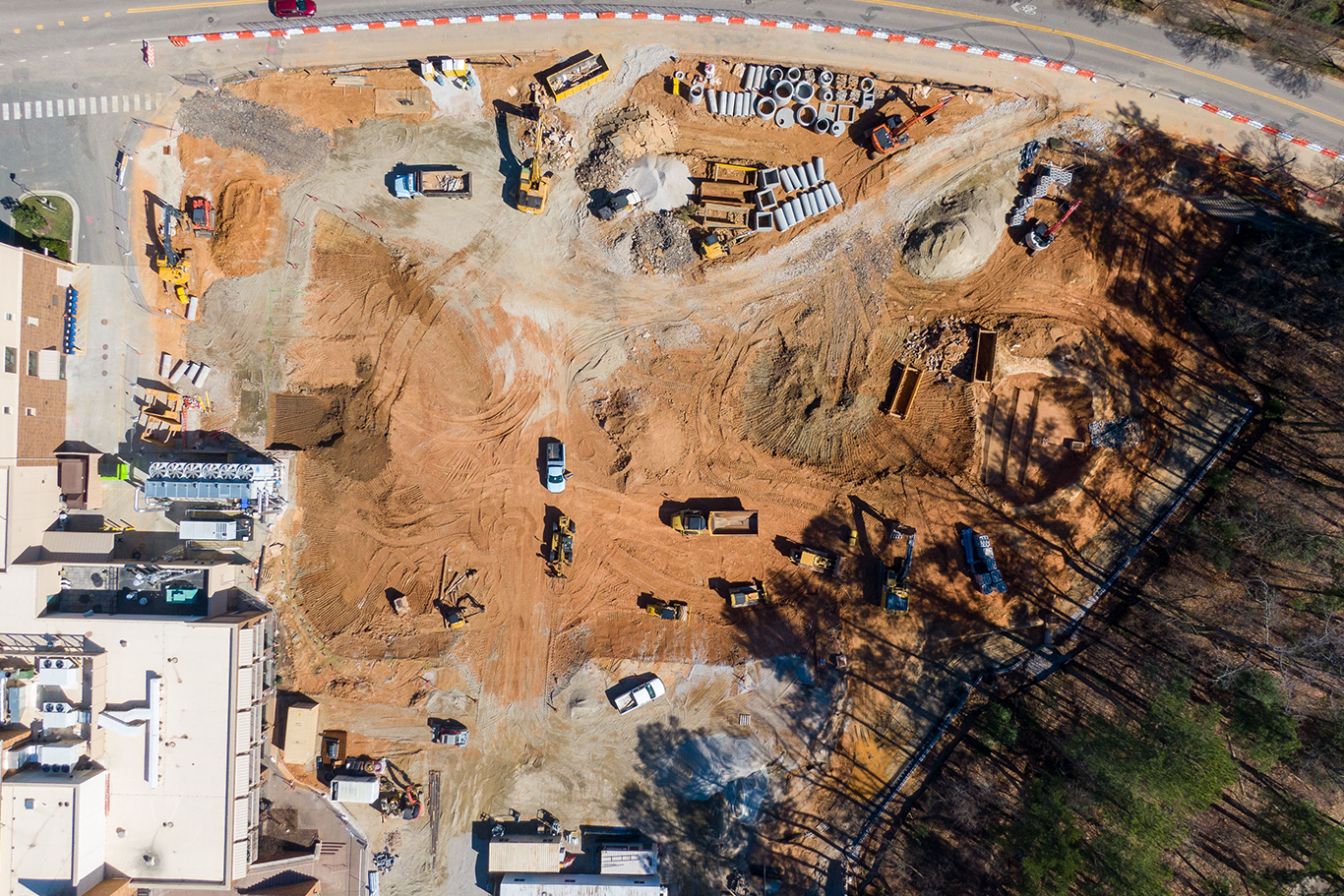
We help contractors protect their tools, vehicles, job sites, and employees with comprehensive insurance solutions. Whether you’re a general contractor, electrician, plumber, or another trade, we provide the coverage you need to keep your projects moving forward safely.
Cannabis Industry
Mosaic specializes in insuring the unique risks of the cannabis industry, including growers, retailers, processors, and delivery services. We understand the compliance challenges you face and work with carriers who can protect every stage of your operation.


Lessor’s Risk (LRO)
If you own a building and lease space to commercial tenants, we help protect your property and liability as a landlord. Our policies safeguard your investment from damages, lawsuits, and other risks that come with leasing commercial real estate.

Frequently Asked Questions
Quick Answers. Trusted Support.
Insurance doesn’t have to be confusing. We’re here to make everything clear, helpful, and hassle-free.
What states is Mosaic Insurance licensed in?
Mosaic is licensed in more than 10 states, including Washington, Oregon, Arizona, California, Texas, Colorado, and more. Our team can help you whether you live locally in WA or operate across multiple state lines.
We’re especially well-equipped to help clients with multi-state businesses, real estate portfolios, or cannabis operations that need compliance-ready coverage in various jurisdictions.
Can I get quotes from multiple carriers through Mosaic?
Yes. As an independent agency, we partner with a wide range of top-rated insurance carriers. That means you’re not locked into just one company’s pricing or coverage limitations.
Our advisors compare quotes for you, break down the differences, and help you choose the plan that fits best—no pressure, just honest advice.
Does Mosaic offer cannabis insurance, and who qualifies?
Absolutely. Mosaic is one of the few agencies with deep experience in cannabis insurance. We offer coverage for dispensaries, cultivators, delivery services, manufacturers, and labs.
If you're in a licensed state and need coverage that meets regulatory requirements, we can help set you up with carriers who understand the cannabis industry’s unique risks.
What can I do through the client portal?
You can use our 24/7 client portal to request policy changes, submit certificates of insurance, and manage your billing. It’s easy to use and always available.
This helps speed up business tasks and gives you full access to your coverage—even outside of regular office hours.
What should I expect after requesting a quote?
Once you request a quote, our team will reach out to gather a few key details. From there, we shop coverage with multiple carriers and return with clear, personalized options.
We make it easy to compare policies, ask questions, and finalize your protection—usually in 24–48 hours.
Can Mosaic help me file a claim?
Yes. Whether it’s an auto accident, property damage, or business-related issue, we’re here to guide you through the claims process. Our team can explain your coverage, contact the carrier, and help get things moving quickly.
We’re your advocate—before, during, and after a claim. You don’t have to go it alone.
Tips, News & Insights
Explore Our Blog