Washington Commercial Carpentry Contractor Insurance

or call us: 425-320-4280
Top 3 Recommended Policies

By: Jackson Hering
Licensed Personal Insurance Specialist
425-409-2497
A single framing job gone wrong can cost a Washington carpentry contractor tens of thousands of dollars, and that's before legal fees even enter the picture. Whether you're building out tenant improvement spaces in downtown Seattle or framing custom homes on the Olympic Peninsula, the risks you carry on every job site are real and specific. Commercial carpentry contractor insurance in Washington isn't just a box to check for licensing: it's the financial backbone that keeps your business standing when a claim hits.
Washington's construction insurance market has shifted over the past two years, with rising material costs, tighter bonding requirements, and increased scrutiny on subcontractor compliance. Contractors who haven't reviewed their policies recently may be carrying gaps they don't know about. The state's monopolistic workers' comp system through L&I adds another layer of complexity that doesn't exist in most other states.
This guide breaks down the coverages that matter most for commercial carpenters working in Washington:
general liability for
framing and tenant improvements, completed operations,
tools and equipment protection, auto coverage, subcontractor risk management, and the state-specific compliance requirements you can't afford to overlook. We've built it around the real claim scenarios and policy questions we see from carpentry contractors every week.
Essential Insurance Coverage for Washington Commercial Carpenters
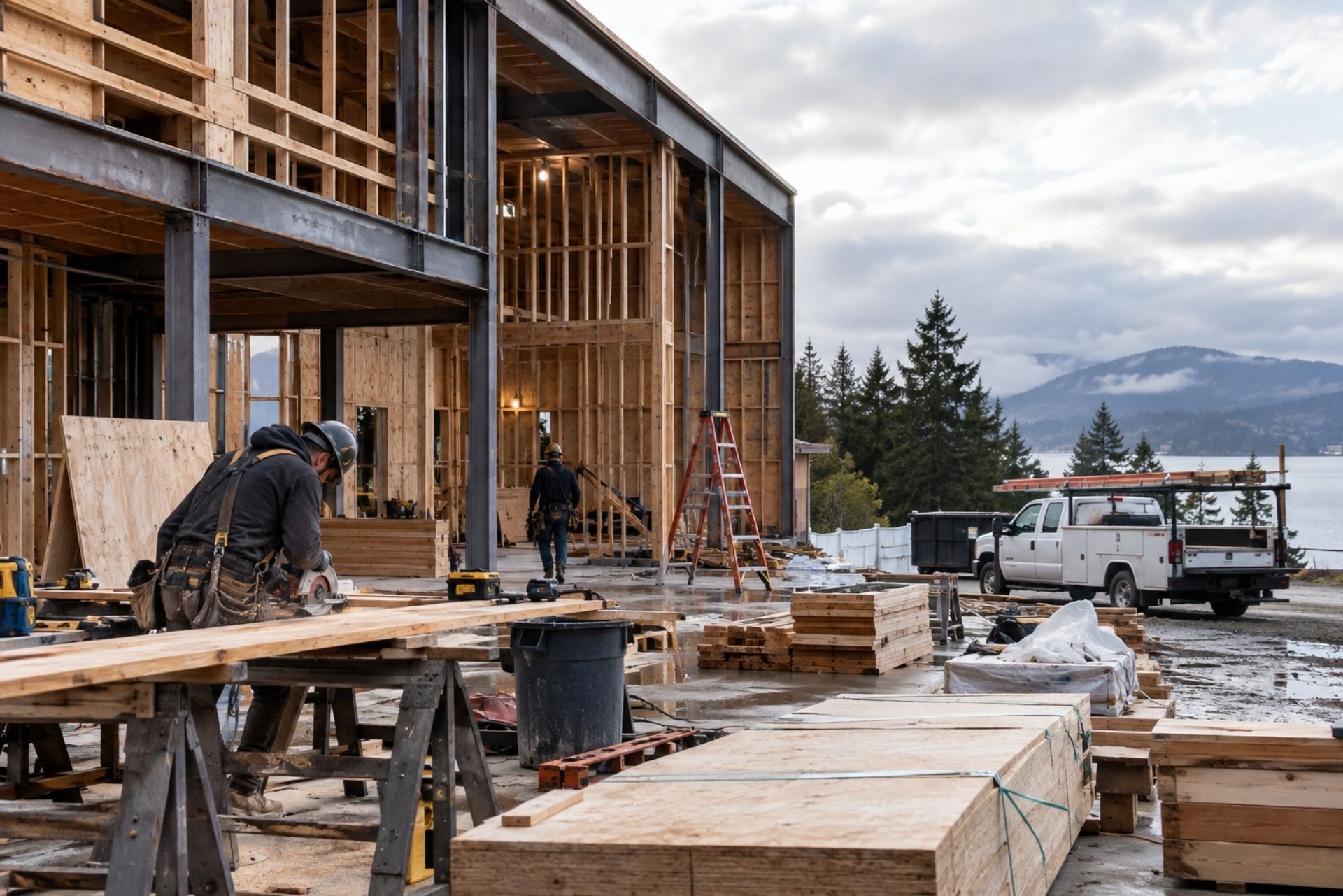
Your insurance program needs to match the actual work you do, not just a generic contractor classification. A carpenter framing a five-story mixed-use building in Bellevue faces different exposures than one installing custom millwork in a Spokane office suite. The right coverage package accounts for your specific operations, project sizes, and the contracts you sign.
Most commercial carpentry operations in Washington need a minimum of five core coverages working together: general liability, completed operations, commercial auto, inland marine (tools and equipment), and workers' compensation. Depending on your contract requirements, you may also need umbrella or excess liability, builder's risk, and professional liability if you're involved in any design-build work. The cost for a mid-size carpentry operation running $500,000 to $1.5 million in annual revenue typically falls between $8,000 and $25,000 per year for a full insurance program, though rates vary based on claims history, crew size, and project types.
General Liability for Framing and Tenant Improvements
General liability is the foundation of your insurance program. It covers third-party bodily injury and property damage that happens during your operations: a piece of lumber falls on a passerby, your crew damages an existing HVAC system during a tenant improvement, or sawdust triggers a fire suppression system in an occupied building.
For framing contractors, the ISO classification code 5403 (carpentry) carries moderate rates, typically between $15 and $35 per $1,000 of revenue for premises and operations coverage. Tenant improvement work can push rates higher because you're working inside occupied or partially occupied buildings, which increases the chance of damaging existing property or injuring tenants and their employees.
One common mistake we see: contractors carrying a $1 million per-occurrence limit when their contracts require $2 million. General contractors on larger commercial projects in the Seattle metro area routinely require $2 million per occurrence and $4 million aggregate. If your policy doesn't match, you're either buying an umbrella to fill the gap or losing the bid.
Understanding Completed Operations and Construction Defects
Completed operations coverage protects you after you leave the job site. If framing you installed six months ago fails and causes water intrusion, or if a header you built doesn't hold and the drywall cracks, completed operations is the coverage that responds. This is separate from your general liability's "operations" coverage, which only applies while you're actively working.
Washington follows a six-year statute of limitations for construction defect claims, and the state's construction defect statute (RCW 64.50) requires claimants to provide notice before filing suit. That six-year window means you need completed operations coverage to remain active long after you've moved on to other projects. Dropping this coverage to save money is one of the most expensive mistakes a carpentry contractor can make.
Completed operations claims in carpentry often involve moisture damage from improper flashing or framing, structural failures from undersized members, and finish defects in tenant improvement work. Average defense costs alone for a construction defect claim in Washington run $30,000 to $75,000, even if you did nothing wrong.
Commercial Auto and Inland Marine for Tools in Transit
Your personal auto policy won't cover a work truck hauling tools to a job site, and your general liability policy won't cover tools stolen from your van overnight. These are two of the most common coverage gaps we see with carpentry contractors.
Commercial auto insurance covers your vehicles used for business purposes, including liability for accidents and physical damage to the vehicles themselves. Rates for a carpentry contractor with two to three trucks in Washington typically run $3,000 to $7,000 per year, depending on driver records and vehicle values. If your crew members drive their own vehicles to job sites, you'll also want hired and non-owned auto coverage to protect against liability when they're driving on company business.
Inland marine insurance, sometimes called a tools and equipment floater, covers your saws, nail guns, compressors, laser levels, and other portable equipment. A typical carpentry operation carries $25,000 to $150,000 in tools and equipment. Inland marine policies cost roughly $1 to $3 per $100 of insured value annually, making it one of the cheapest and most valuable coverages you can buy.
Washington State Compliance and Subcontractor Management
Washington has some of the strictest contractor registration and insurance requirements in the country. Getting this wrong doesn't just risk fines: it can void your insurance coverage entirely if you're operating outside the terms of your registration.
L&I Requirements and Workers' Comp for Carpentry Crews
Washington is one of four states with a monopolistic workers' compensation system. You can't buy workers' comp from a private insurer here. All coverage must go through the Department of Labor & Industries (L&I), and every employer with even one employee must carry it. The carpentry classification rates through L&I vary by specific work type, but framing contractors typically pay between $8 and $14 per $100 of payroll, making it one of the more expensive classifications.
Sole proprietors and partners can elect coverage for themselves, and we strongly recommend it. A fall from scaffolding or a table saw injury can generate $100,000 or more in medical bills. Without L&I coverage, those costs come directly out of your pocket.
Washington's contractor bond requirements also increased significantly on July 1, 2024, jumping from $12,000 to $30,000 for specialty contractors after more than two decades without an increase. General contractors saw their bond requirements rise to $60,000. This change, the first bond increase in over 22 years, affects every registered contractor in the state.
Managing Subcontractor Risk and Certificates of Insurance
If you hire subcontractors, their insurance gaps become your insurance problems. Washington courts have consistently held general contractors and hiring contractors liable for injuries and damages caused by uninsured or underinsured subcontractors. Your own policy may respond, but it'll come with a premium increase and potential coverage disputes.
Before any subcontractor starts work, collect a certificate of insurance showing current general liability, workers' comp (or an L&I account number), and auto coverage. Verify that your company is listed as an additional insured on their general liability policy. This gives you direct rights under their policy if a claim arises from their work.
Keep a system for tracking certificate expiration dates. A sub whose policy lapsed two weeks before an incident on your job site is effectively uninsured, and that exposure rolls uphill to you. Many contractors use certificate management software or ask their insurance agent to handle tracking. The bond requirements for Washington contractors also apply to your subs, so verify their registration status through L&I's online lookup tool before signing any subcontract.
Choosing between coverage levels isn't just about meeting minimum requirements. It's about matching your limits to the contracts you want to win and the exposures you actually face.
| Coverage Type | Basic/Minimum | Recommended for Commercial Work |
|---|---|---|
| General Liability (per occurrence) | $1,000,000 | $2,000,000 |
| General Aggregate | $2,000,000 | $4,000,000 |
| Completed Operations | Included in aggregate | Separate $2M aggregate |
| Commercial Auto | $1,000,000 CSL | $1,000,000 CSL + umbrella |
| Inland Marine (Tools) | $25,000 | $50,000 - $150,000 |
| Umbrella/Excess | None | $1,000,000 - $5,000,000 |
| Contractor Bond | $30,000 (specialty) | $30,000 - $60,000 |
The gap between basic and recommended coverage often costs less than contractors expect. Doubling your general liability limits from $1 million to $2 million per occurrence typically adds 15% to 25% to your premium, not double. An umbrella policy providing an extra $1 million across all coverages might cost $1,500 to $4,000 per year, which is a fraction of what a single serious claim would cost out of pocket.
U.S. commercial insurance rates have shown moderate increases through recent quarters, with property lines seeing the steepest climbs. Carpentry contractors should budget for 3% to 8% annual premium increases when planning project costs.
Common Questions About Carpentry Insurance in Washington
Do I need insurance if I'm a sole proprietor with no employees? Yes. Washington requires a contractor bond and general liability insurance to maintain your contractor registration. Workers' comp through L&I is optional for sole proprietors, but one serious injury could bankrupt you without it.
How much does general liability cost for a small carpentry crew? A two-to-three person carpentry operation doing $300,000 to $500,000 in annual revenue typically pays $2,500 to $6,000 per year for general liability, depending on the type of work and claims history.
Will my policy cover a subcontractor's mistake? It depends. If you're named in a lawsuit for a sub's work, your policy may defend you, but it won't cover the sub directly. That's why requiring certificates of insurance and additional insured status from every sub is critical.
What happens if my bond lapses? Your contractor registration becomes invalid. Working without a valid registration in Washington is a gross misdemeanor, and bond amounts now start at $30,000 for specialty contractors, so keeping it current matters more than ever.
Does inland marine cover tools left on a job site overnight? Most inland marine policies cover tools at any location, including job sites, your shop, and in transit. Check your policy for any overnight security requirements or location restrictions. Some policies exclude theft from unlocked vehicles.
How often should I review my coverage?
At least annually, and any time you take on a larger project, hire new subcontractors, add vehicles, or purchase significant equipment. Mid-year policy reviews prevent gaps from catching you off guard.
Making the Right Choice for Your Contracting Business
Insurance for commercial carpentry contractors in Washington isn't a one-size-fits-all purchase. Your coverage needs to reflect the actual work you do, the contracts you sign, the crew and subs you manage, and the state-specific requirements that make Washington unique.
Start by documenting your exposures: total payroll, annual revenue, vehicle count, equipment values, and the types of projects you typically bid. Bring that information to at least two or three agents who specialize in construction insurance, not a general agency that writes mostly homeowners and auto policies. A construction-focused agent will know the difference between a 5403 and 5437 classification and why it matters for your premium.
Get your certificates of insurance organized, verify your bond meets the new $30,000 minimum, and confirm your L&I account is current. These three items alone prevent the most common compliance problems we see with Washington carpentry contractors. The right insurance program doesn't just protect you from claims: it positions you to win better contracts, hire confidently, and grow without the constant worry that one bad day could take everything you've built.

About The Author:
Jackson Hering
I'm a fourth-generation insurance agent, having learned the business firsthand while working alongside my father. With years of experience passed down through my family, I take pride in combining that legacy knowledge with a modern, client-focused approach. I started my career at a small, family-owned agency and worked my way up, gaining a deep understanding of the industry from the ground up.
Contact Us
Coverage for Everyday Life
Personal Insurance That Works for You
We help individuals and families find coverage that keeps life moving—without overpaying or getting lost in fine print. From auto and home insurance to umbrella and life protection, our licensed team compares options across top-rated carriers to make sure you’re covered the right way, right now.
Auto Insurance
Drive with confidence and coverage that fits your needs.
Home Insurance
Coverage for fire, theft, liability, and more.
Renters Insurance
Affordable protection for your belongings and personal liability.

Boat Insurance
Coverage for watercraft damage, liability, and gear.
Life Insurance
Prepare for the future with term or whole life policies.
Umbrella Insurance
Extra liability protection for life’s bigger risks.
Protect Your Business Without the Guesswork
Business Insurance Built for Stability & Growth
Running a business comes with risk. We help reduce it. Our team builds custom coverage for your needs, including general liability, property, commercial auto, and cyber protection. We’re fast, responsive, and easy to reach—so your insurance is one less thing to worry about.
Industries We Serve
Tailored by Industry
We understand the risks unique to your business—and how to insure against them.
Contractors & Trades
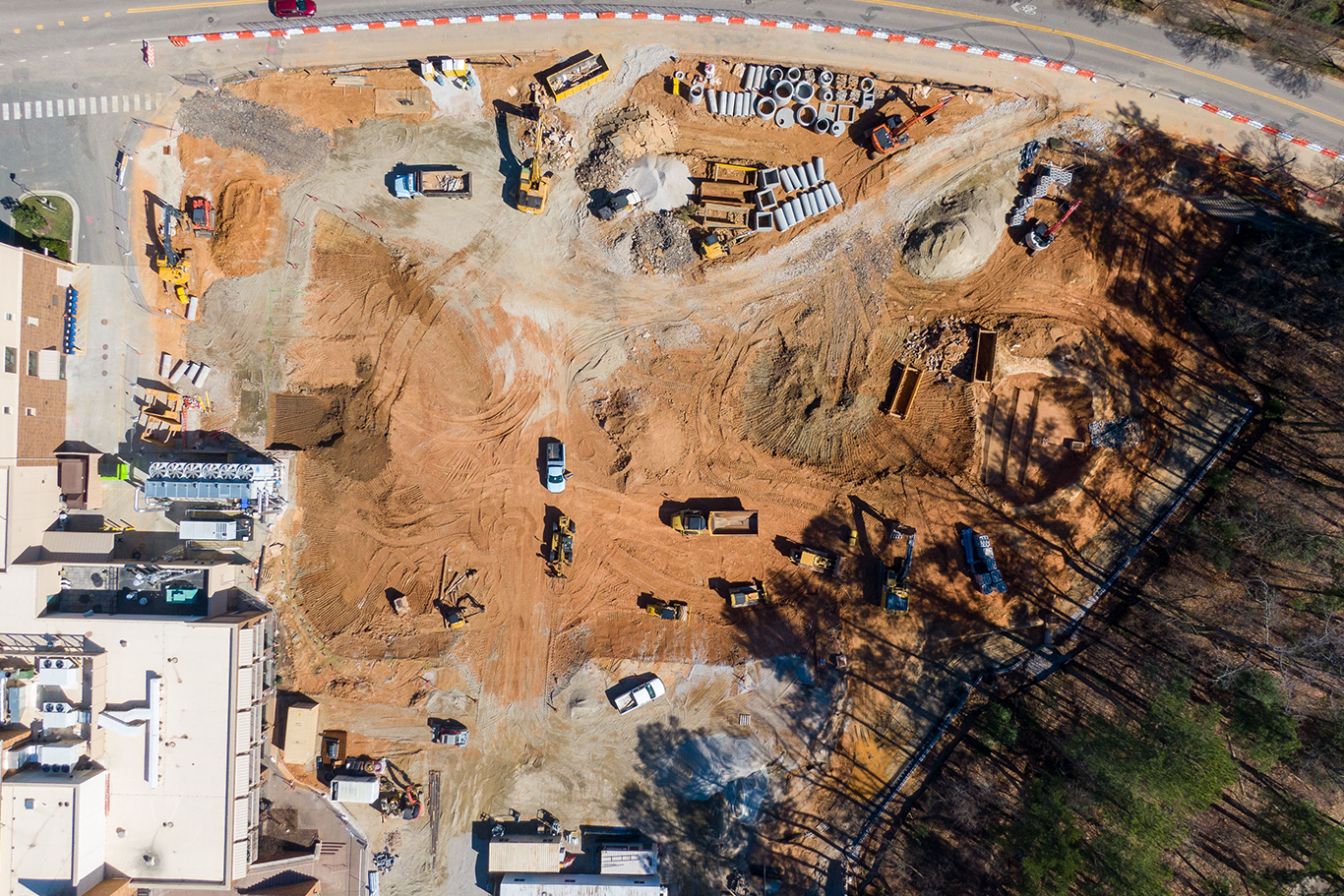
We help contractors protect their tools, vehicles, job sites, and employees with comprehensive insurance solutions. Whether you’re a general contractor, electrician, plumber, or another trade, we provide the coverage you need to keep your projects moving forward safely.
Cannabis Industry
Mosaic specializes in insuring the unique risks of the cannabis industry, including growers, retailers, processors, and delivery services. We understand the compliance challenges you face and work with carriers who can protect every stage of your operation.


Lessor’s Risk (LRO)
If you own a building and lease space to commercial tenants, we help protect your property and liability as a landlord. Our policies safeguard your investment from damages, lawsuits, and other risks that come with leasing commercial real estate.

Frequently Asked Questions
Quick Answers. Trusted Support.
Insurance doesn’t have to be confusing. We’re here to make everything clear, helpful, and hassle-free.
What states is Mosaic Insurance licensed in?
Mosaic is licensed in more than 10 states, including Washington, Oregon, Arizona, California, Texas, Colorado, and more. Our team can help you whether you live locally in WA or operate across multiple state lines.
We’re especially well-equipped to help clients with multi-state businesses, real estate portfolios, or cannabis operations that need compliance-ready coverage in various jurisdictions.
Can I get quotes from multiple carriers through Mosaic?
Yes. As an independent agency, we partner with a wide range of top-rated insurance carriers. That means you’re not locked into just one company’s pricing or coverage limitations.
Our advisors compare quotes for you, break down the differences, and help you choose the plan that fits best—no pressure, just honest advice.
Does Mosaic offer cannabis insurance, and who qualifies?
Absolutely. Mosaic is one of the few agencies with deep experience in cannabis insurance. We offer coverage for dispensaries, cultivators, delivery services, manufacturers, and labs.
If you're in a licensed state and need coverage that meets regulatory requirements, we can help set you up with carriers who understand the cannabis industry’s unique risks.
What can I do through the client portal?
You can use our 24/7 client portal to request policy changes, submit certificates of insurance, and manage your billing. It’s easy to use and always available.
This helps speed up business tasks and gives you full access to your coverage—even outside of regular office hours.
What should I expect after requesting a quote?
Once you request a quote, our team will reach out to gather a few key details. From there, we shop coverage with multiple carriers and return with clear, personalized options.
We make it easy to compare policies, ask questions, and finalize your protection—usually in 24–48 hours.
Can Mosaic help me file a claim?
Yes. Whether it’s an auto accident, property damage, or business-related issue, we’re here to guide you through the claims process. Our team can explain your coverage, contact the carrier, and help get things moving quickly.
We’re your advocate—before, during, and after a claim. You don’t have to go it alone.
Tips, News & Insights
Explore Our Blog