Washington Residential Carpentry Contractor Insurance

or call us: 425-320-4280
Top 3 Recommended Policies

By: Jackson Hering
Licensed Personal Insurance Specialist
425-409-2497
A single misplaced nail gun discharge, a load-bearing wall that shifts after you leave the site, or a work truck rear-ending a client's car in the driveway: these are the moments that separate a protected carpentry business from one facing financial ruin. If you're a residential carpenter in Washington State, your insurance needs are shaped by a unique regulatory environment, regional risks like seismic activity and heavy rain, and the hands-on nature of framing and remodeling work. This guide covers the essential policies, compliance requirements, and claims strategies that keep your business standing. Whether you're a solo framer or running a crew of ten, the right coverage mix isn't optional; it's the foundation your livelihood rests on. Washington's
construction insurance market has tightened in recent years, and home insurance rates in the state have climbed 55% since 2020, driven by rising labor and material costs that also inflate project replacement valuations. That same pressure flows directly into contractor policies. Understanding what you need, what you can skip, and what will save you when a claim hits is worth every minute you spend reading this.
Core Insurance Requirements for Washington Residential Carpenters
Washington doesn't make it easy to operate without proper coverage. The state has some of the strictest contractor insurance and registration requirements in the country, and enforcement is real. Failing to comply can mean fines, license suspension, and personal liability for damages that a policy would have covered.
Your baseline as a residential carpentry contractor includes state registration, a surety bond, general liability insurance, and workers' compensation through the state fund. Each of these has specific thresholds and rules that differ from most other states.
Washington State L&I Registration and Bond Requirements
Every contractor in Washington must register with the Department of Labor & Industries (L&I) before performing any work. Registration requires a surety bond of at least $12,000 for general contractors, though specialty contractors like carpenters may qualify at lower tiers depending on their classification. You'll also need to show proof of current insurance.
Operating without registration is a gross misdemeanor. Penalties include fines up to $10,000 per violation, and you lose the right to file a lien on any project. That's a devastating blow if a homeowner refuses to pay for a $40,000 remodel. The state's evolving insurance standards have raised the bar for minimum coverage, so policies that were adequate a few years ago may no longer meet requirements.
General Liability: Protecting Against Property Damage and Bodily Injury
General liability (GL) is the policy you'll use most often, and it's the one clients and general contractors ask about first. A standard GL policy for a residential carpentry operation covers third-party bodily injury, property damage, and personal/advertising injury. For a solo carpenter, expect annual premiums between $1,200 and $3,500 depending on your revenue, claims history, and specific trade classification.
Here's where carpenters get tripped up: standard GL policies often exclude work you've already completed. If you frame a wall in March and it fails in September, your basic GL might not respond. That's where completed operations coverage becomes critical, and we'll get to that shortly.
Most homeowners and GCs require $1 million per occurrence and $2 million aggregate as minimums. Carrying less makes you unbiddable on many residential projects.
Workers' Comp in WA: The Monopolistic State Fund System
Washington is one of only four states with a monopolistic workers' compensation system. You can't buy workers' comp from a private insurer here; it all goes through the Washington State Fund administered by L&I. This means every employer pays into the same pool, and rates are set by job classification.
For carpentry (class code 0510 or similar), expect to pay roughly $3.50 to $5.00 per $100 of payroll, though rates fluctuate annually. Sole proprietors can elect coverage for themselves but aren't required to. That said, skipping it is risky. A back injury from lifting lumber can generate $80,000 or more in medical bills and lost wages. If you have even one employee, coverage is mandatory with zero exceptions.
Specialized Coverage for Framing and Remodeling Risks
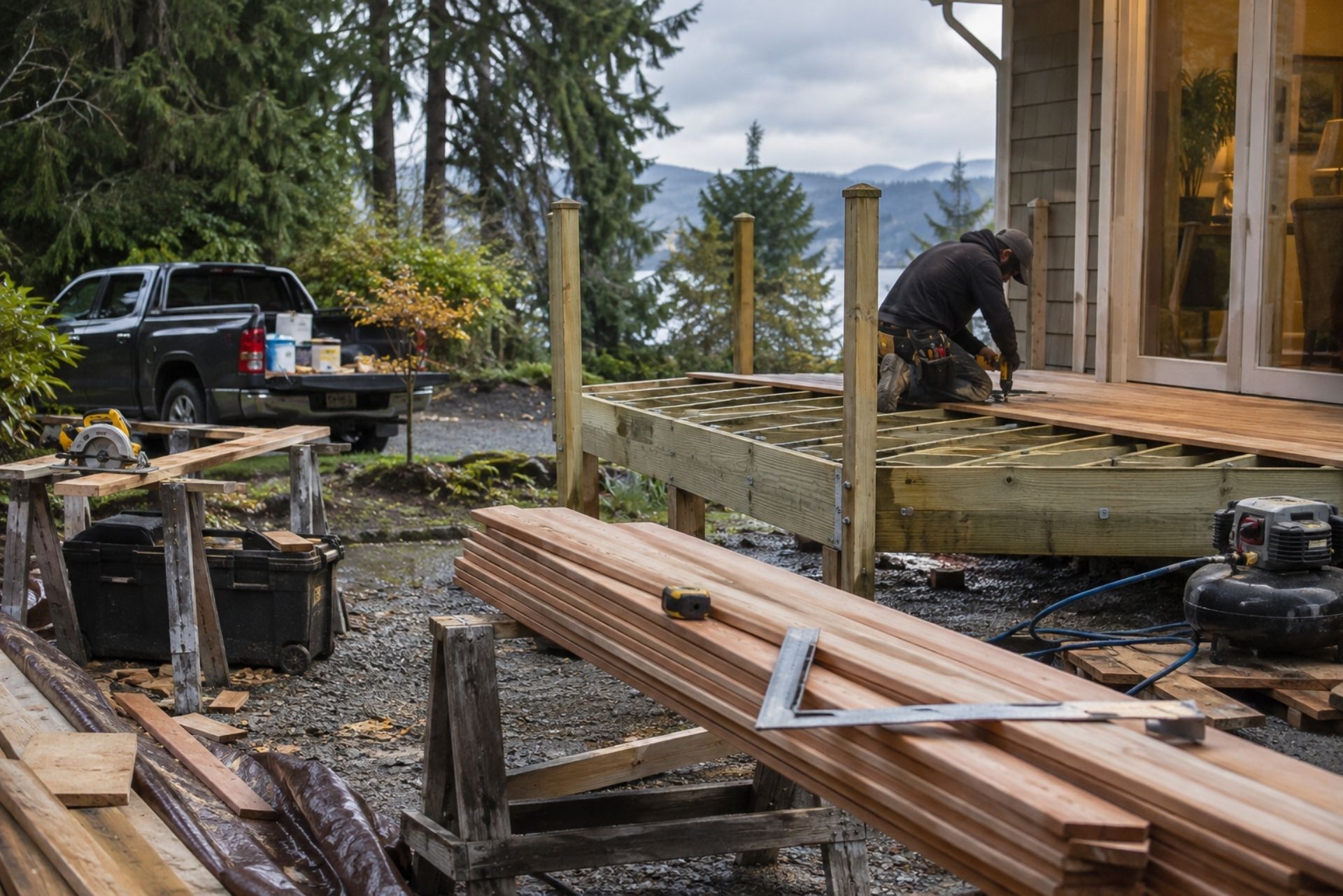
Standard policies leave gaps that are specific to residential carpentry. Framing carries structural risk. Remodeling introduces hazards like
hidden asbestos in older Western Washington homes. Your insurance portfolio needs to account for what happens both during and after the work.
Completed Operations: Why Post-Project Coverage Matters
Completed operations coverage is an extension of your GL policy, and it's the single most misunderstood piece of residential carpentry contractor insurance in Washington. It protects you after you've finished a job and left the site. If a deck you built collapses six months later and injures someone, completed operations responds.
Washington's construction defect statute (RCW 64.50) requires builders to
provide notice of the right to cure defects before litigation, but that doesn't eliminate your financial exposure. Without completed operations coverage, you're personally on the hook for repair costs, medical bills, and legal defense. Most insurers bundle this into GL policies, but check your declarations page carefully. Some policies exclude it or cap it at a fraction of your per-occurrence limit.
Tools and Equipment Floaters (Inland Marine)
Your table saw, framing nailer, compressor, laser level, and generator aren't covered under a standard GL or commercial property policy while they're in transit or on a jobsite. An inland marine policy (often called a tools floater) fills that gap.
Coverage typically runs $200 to $800 per year for $10,000 to $50,000 in tools and equipment. You can choose scheduled coverage (listing each item) or blanket coverage (a total value for everything). Scheduled policies pay better on high-value items but require updating whenever you buy new equipment. For most carpenters, a blanket policy with a $250 deductible keeps things simple.
Theft from work trucks is common, especially in the Seattle metro area. Make sure your floater covers theft from vehicles, not just from the jobsite.
Commercial Auto for Work Trucks and Material Hauling
Your personal auto policy won't cover an accident that happens while you're hauling lumber to a jobsite. Commercial auto insurance is a separate policy, and it's required if you own vehicles titled to your business or use personal vehicles regularly for work purposes.
For a single work truck, expect $1,500 to $3,500 annually. Factors that push premiums higher include younger drivers on the policy, a history of at-fault accidents, and hauling heavy materials. If you're pulling a trailer loaded with framing lumber, your liability exposure increases, and your policy limits should reflect that. Most carpenters carry $500,000 to $1 million in commercial auto liability.
Comparison: Standard vs. Comprehensive Carpentry Coverage
Not every carpenter needs every policy. But understanding the difference between bare-minimum compliance and real protection helps you make informed decisions. The construction industry's 2026 trends point toward higher material costs and tighter insurance markets, which makes getting the right coverage now more important than waiting.
Coverage Comparison Table
| Coverage Type | Standard (Minimum Compliance) | Comprehensive (Full Protection) |
|---|---|---|
| General Liability | $1M/$2M, basic premises and operations | $1M/$2M with completed operations included |
| Workers' Comp | State fund, minimum required coverage | State fund plus employer's liability endorsement |
| Tools & Equipment | Not included | Inland marine floater, $25K-$50K |
| Commercial Auto | Personal auto only (risky) | Dedicated commercial auto, $1M liability |
| Surety Bond | $12,000 minimum | $12,000-$25,000 based on project size |
| Umbrella/Excess | None | $1M-$2M umbrella over GL and auto |
| Annual Cost Estimate | $3,000-$6,000 | $7,000-$14,000 |
The gap between these two columns is where most claims-related business failures happen. A carpenter carrying only minimum coverage can survive a minor property damage claim but will struggle with a structural failure lawsuit or a serious jobsite injury.
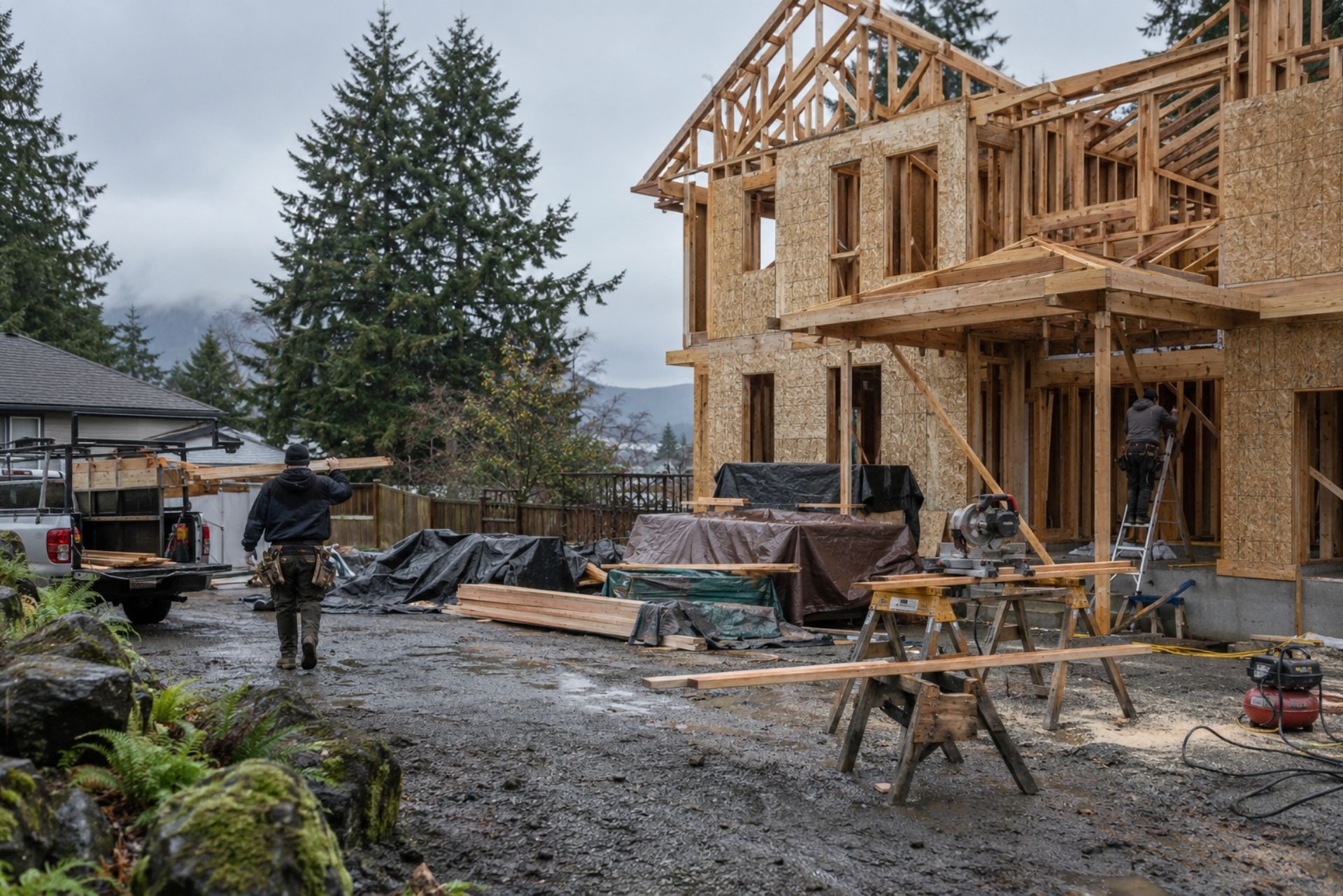
Filing a claim correctly is just as important as having the right policy. Mistakes in the first 24 hours can reduce your payout or give the insurer grounds to deny coverage entirely.
Immediate Steps After a Jobsite Accident
If someone gets hurt or property is damaged on your jobsite, follow this sequence:
- Secure the scene and provide first aid or call 911 if needed.
- Document everything with photos and video before anything is moved or cleaned up.
- Collect contact information from all witnesses, including other trades on site.
- Notify your insurance carrier within 24 hours; most policies require "prompt" notice, and delays can jeopardize your claim.
- File an L&I report for any workers' comp injury. Washington requires reporting within one business day for serious injuries.
- Do not admit fault or make statements about liability to the homeowner or their attorney.
The instinct to apologize and promise to fix everything is strong, especially for carpenters who take pride in their work. Resist it. Your insurer needs to investigate before any admissions are made.
Documenting Property Damage and Structural Failures
For property damage claims, especially structural issues discovered after project completion, documentation is your best defense. Keep records of every project that include material receipts, framing inspection reports, photos at each phase, and signed change orders.
If a homeowner alleges a defect, Washington's RCW 64.50 gives you the right to inspect and offer a cure before they can file suit. Use that window aggressively. Bring a structural engineer if the claim involves load-bearing elements. Your insurer may cover the cost of that inspection under your policy's defense provisions.
Maintain a project file for at least six years after completion. Washington's statute of limitations for construction defect claims can extend that long, and your insurer will want documentation if a claim surfaces years later.
Common Questions About Carpentry Insurance in Washington
FAQ: Cost, Compliance, and Subcontractors
How much does insurance cost for a small carpentry business in Washington?
A solo carpenter with $150,000 in annual revenue can expect to pay $4,000 to $8,000 per year for GL, workers' comp (self-elected), and a tools floater. Adding commercial auto and an umbrella policy pushes that to $8,000 to $14,000.
Do I need insurance if I only use subcontractors?
Yes. Washington holds you responsible for uninsured subcontractors. If your sub doesn't carry workers' comp, L&I can hold you liable for their premiums and any injury claims. Always verify certificates of insurance before subs start work.
Can I get insurance with a claims history?
You can, but your options narrow and premiums increase. Carriers look at the past five years. Two or more GL claims in that window may push you into surplus lines markets where premiums can double.
What happens if I work without insurance in Washington?
You risk fines up to $10,000, criminal misdemeanor charges, loss of your contractor registration, and personal liability for any damages. Washington's Office of the Insurance Commissioner actively monitors compliance and has pushed for stricter enforcement.
Does my GL policy cover mold from a leak I caused?
Most standard GL policies exclude mold. If your framing work leads to a moisture intrusion that causes mold growth, you'll need a specific mold endorsement or a pollution liability policy to respond. These endorsements typically add $300 to $800 annually.
Is builder's risk insurance my responsibility or the homeowner's?
On remodeling projects, the homeowner's policy usually covers the existing structure, but your work-in-progress may not be covered. A builder's risk policy protects materials and labor during construction. For projects over $50,000, it's worth carrying your own.
Making the Right Choice for Your Framing Business
The right insurance package for your carpentry business isn't about checking boxes for compliance. It's about matching your actual risk profile to policies that will respond when something goes wrong. A framer working on new construction faces different exposures than a remodeler gutting 1940s-era kitchens, and your coverage should reflect that.
Start by documenting your annual revenue, payroll, number of active jobsites, equipment value, and vehicle usage. Bring that information to at least three agents, including one independent agent who works with multiple carriers. Compare not just premiums but deductibles, exclusions, and the specific endorsements included.
Washington's
contractor insurance requirements will only get stricter as construction costs rise and claim severity increases. Getting properly covered now protects your business, your crew, and your reputation. Don't wait for a claim to find out what your policy actually covers.

About The Author:
Jackson Hering
I'm a fourth-generation insurance agent, having learned the business firsthand while working alongside my father. With years of experience passed down through my family, I take pride in combining that legacy knowledge with a modern, client-focused approach. I started my career at a small, family-owned agency and worked my way up, gaining a deep understanding of the industry from the ground up.
Contact Us
Coverage for Everyday Life
Personal Insurance That Works for You
We help individuals and families find coverage that keeps life moving—without overpaying or getting lost in fine print. From auto and home insurance to umbrella and life protection, our licensed team compares options across top-rated carriers to make sure you’re covered the right way, right now.
Auto Insurance
Drive with confidence and coverage that fits your needs.
Home Insurance
Coverage for fire, theft, liability, and more.
Renters Insurance
Affordable protection for your belongings and personal liability.

Boat Insurance
Coverage for watercraft damage, liability, and gear.
Life Insurance
Prepare for the future with term or whole life policies.
Umbrella Insurance
Extra liability protection for life’s bigger risks.
Protect Your Business Without the Guesswork
Business Insurance Built for Stability & Growth
Running a business comes with risk. We help reduce it. Our team builds custom coverage for your needs, including general liability, property, commercial auto, and cyber protection. We’re fast, responsive, and easy to reach—so your insurance is one less thing to worry about.
Industries We Serve
Tailored by Industry
We understand the risks unique to your business—and how to insure against them.
Contractors & Trades
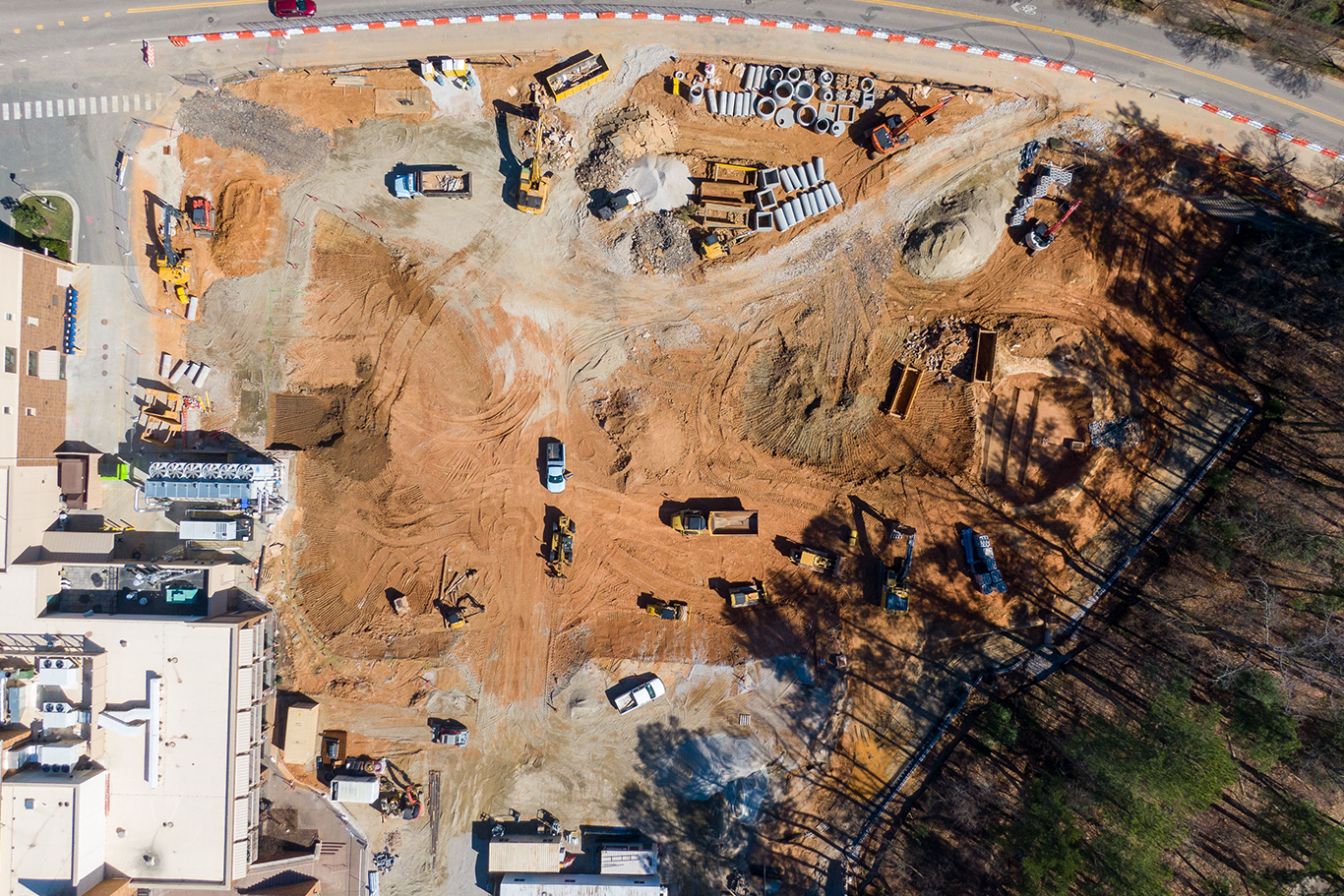
We help contractors protect their tools, vehicles, job sites, and employees with comprehensive insurance solutions. Whether you’re a general contractor, electrician, plumber, or another trade, we provide the coverage you need to keep your projects moving forward safely.
Cannabis Industry
Mosaic specializes in insuring the unique risks of the cannabis industry, including growers, retailers, processors, and delivery services. We understand the compliance challenges you face and work with carriers who can protect every stage of your operation.


Lessor’s Risk (LRO)
If you own a building and lease space to commercial tenants, we help protect your property and liability as a landlord. Our policies safeguard your investment from damages, lawsuits, and other risks that come with leasing commercial real estate.

Frequently Asked Questions
Quick Answers. Trusted Support.
Insurance doesn’t have to be confusing. We’re here to make everything clear, helpful, and hassle-free.
What states is Mosaic Insurance licensed in?
Mosaic is licensed in more than 10 states, including Washington, Oregon, Arizona, California, Texas, Colorado, and more. Our team can help you whether you live locally in WA or operate across multiple state lines.
We’re especially well-equipped to help clients with multi-state businesses, real estate portfolios, or cannabis operations that need compliance-ready coverage in various jurisdictions.
Can I get quotes from multiple carriers through Mosaic?
Yes. As an independent agency, we partner with a wide range of top-rated insurance carriers. That means you’re not locked into just one company’s pricing or coverage limitations.
Our advisors compare quotes for you, break down the differences, and help you choose the plan that fits best—no pressure, just honest advice.
Does Mosaic offer cannabis insurance, and who qualifies?
Absolutely. Mosaic is one of the few agencies with deep experience in cannabis insurance. We offer coverage for dispensaries, cultivators, delivery services, manufacturers, and labs.
If you're in a licensed state and need coverage that meets regulatory requirements, we can help set you up with carriers who understand the cannabis industry’s unique risks.
What can I do through the client portal?
You can use our 24/7 client portal to request policy changes, submit certificates of insurance, and manage your billing. It’s easy to use and always available.
This helps speed up business tasks and gives you full access to your coverage—even outside of regular office hours.
What should I expect after requesting a quote?
Once you request a quote, our team will reach out to gather a few key details. From there, we shop coverage with multiple carriers and return with clear, personalized options.
We make it easy to compare policies, ask questions, and finalize your protection—usually in 24–48 hours.
Can Mosaic help me file a claim?
Yes. Whether it’s an auto accident, property damage, or business-related issue, we’re here to guide you through the claims process. Our team can explain your coverage, contact the carrier, and help get things moving quickly.
We’re your advocate—before, during, and after a claim. You don’t have to go it alone.
Tips, News & Insights
Explore Our Blog