Washington Air Conditioning Equipment Installation Contractor Insurance

or call us: 425-320-4280
Top 3 Recommended Policies

By: Jackson Hering
Licensed Personal Insurance Specialist
425-409-2497
A single botched refrigerant line can flood a customer's ceiling. A faulty electrical connection can spark a fire days after you've packed up your tools. And in Washington State, where the regulatory environment for contractors is stricter than most, the financial fallout from one uninsured claim can shut down your HVAC business overnight. Whether you're a one-truck operation in Spokane or running a 15-person crew across the Puget Sound region, carrying the right insurance isn't optional: it's the foundation that keeps your business standing when things go sideways.
This guide covers the essential insurance policies that AC installation contractors in Washington need, from general liability and completed operations to commercial auto and inland marine coverage. We'll walk through state-specific requirements, break down coverage types, compare policy tiers, and answer the questions HVAC contractors actually ask. If you install, repair, or maintain air conditioning equipment in Washington, the stakes are too high to guess at what coverage you need.
Washington's HVAC insurance market has shifted in recent years. Rising material and labor costs in the construction sector have pushed surety bond amounts and premium rates upward. New transparency rules from the state's Office of the Insurance Commissioner also mean you'll see more detailed explanations when your premiums change. Understanding these shifts puts you in a stronger position to shop smart and avoid gaps.
Washington State Insurance Requirements for HVAC Contractors
Washington doesn't leave much room for ambiguity. The state requires contractors to carry specific insurance and bonding before they can legally pull permits or bid on jobs. Failing to comply can result in fines, license suspension, or personal liability for workplace injuries.
Department of Labor & Industries (L&I) Mandates
Every HVAC contractor in Washington must register with the Department of Labor & Industries and maintain an active contractor registration. This registration requires proof of a surety bond, a current UBI number, and workers' compensation coverage through Washington's state-run L&I fund. Washington is one of four monopolistic states for workers' comp, meaning you can't buy it from a private insurer: you pay directly into the state fund based on your payroll and risk classification.
HVAC installation work typically falls under a higher-risk classification, so expect to pay more per $100 of payroll than, say, an office-based business. Rates vary, but AC installation contractors commonly see L&I premiums between $3.50 and $7.00 per $100 of payroll depending on the specific work classification and your claims history. Washington's HVAC licensing and certification standards also require specialty electrical certifications (06A or 06B) for many AC installation tasks.
Surety Bonds vs. Liability Insurance
These are two different things, and you need both. A surety bond (currently $12,000 for
general contractors in Washington) protects the public if you fail to pay wages, taxes, or subcontractors. It doesn't cover property damage or bodily injury from your work. That's what liability insurance does. Many contractors confuse the two and assume their bond is enough. It isn't. Your bond won't pay a dime if a customer's home floods because of a condensate line you installed. Washington's contractor insurance requirements spell out the distinction clearly, and general contractors hiring you as a sub will almost always demand proof of both.
Core Coverage for Equipment Installation and Electrical Work
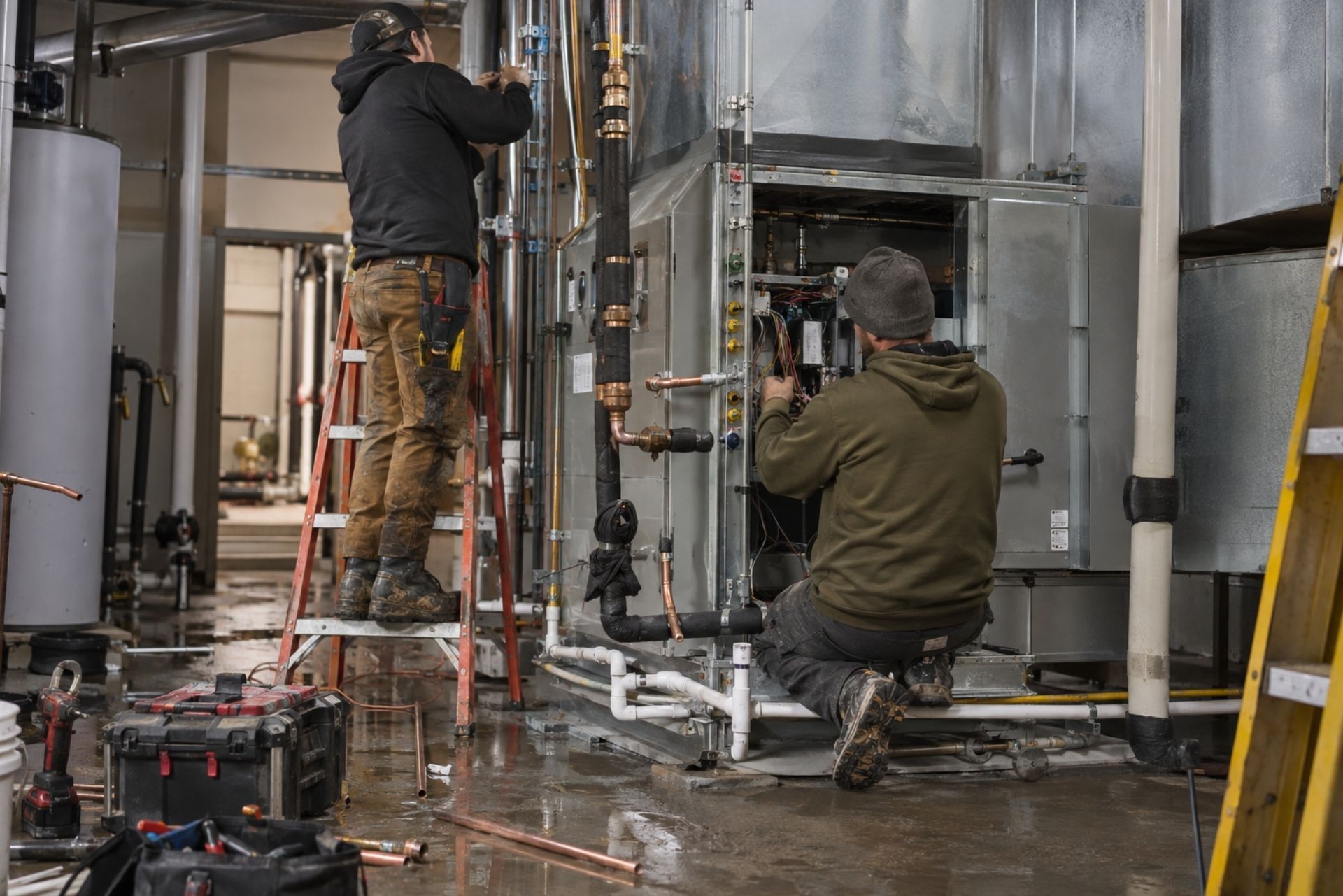
The bulk of your risk as an AC contractor sits in three areas: what happens during the install, what happens after you leave, and what happens if water or refrigerant causes damage. Each requires specific coverage.
General Liability and Electrical Error Risks
A commercial general liability (CGL) policy is your first line of defense. It covers third-party bodily injury and property damage that occur during your operations. For AC installers, this includes scenarios like a technician dropping a compressor through a ceiling, a ladder damaging a customer's wall, or an electrical connection causing a short. Most Washington general contractors require subs to carry at least $1 million per occurrence and $2 million aggregate in CGL coverage.
Electrical work adds a layer of risk that some basic policies don't fully address. If your crew handles wiring for thermostats, disconnect boxes, or circuit breaker connections, make sure your policy explicitly covers electrical work. Some insurers exclude it or charge a separate premium. Annual CGL premiums for small AC installation firms in Washington typically range from $1,200 to $3,500, depending on revenue and crew size.
Completed Operations: Protection After the Job is Done
Here's a scenario we see regularly: you install a ductless mini-split system in July. In October, a connection fails, refrigerant leaks, and the homeowner's hardwood floors buckle from moisture damage. You finished the job months ago, but you're still liable. Completed operations coverage, which is part of your CGL policy but often has its own sublimit, protects you from claims arising after a project is done. Without adequate completed operations limits, you're exposed to some of the most expensive claims in the HVAC trade. Always verify that your completed operations coverage matches your per-occurrence limit.
Mitigating Water Damage and Refrigerant Leak Claims
Water damage is the single most common property insurance claim in the United States, and HVAC contractors are frequently named in these claims. Condensate drain lines, refrigerant leaks, and improperly sealed ductwork near humid areas can all cause significant water damage. Water damage accounts for roughly 29% of all homeowners insurance claims, and when the source traces back to your installation, the homeowner's insurer will come after you.
Refrigerant leaks add another dimension:
environmental liability. R-410A and newer R-454B refrigerants carry different risk profiles, and a large release can trigger EPA reporting requirements. Make sure your policy doesn't exclude pollution-related claims, or consider adding a pollution liability endorsement. The cost is usually modest, around $300 to $800 per year, but the protection is significant.
Protecting Your Physical Assets: Tools and Commercial Auto
Your liability policies protect you from claims by others. But what about your own stuff: the recovery machines, vacuum pumps, manifold gauges, and service vans that make your business run?
Inland Marine: Coverage for Tools in Transit
Standard commercial property insurance covers tools and equipment at your shop or warehouse. But AC contractors spend most of their time on job sites and in transit. Inland marine insurance fills that gap, covering your tools and equipment wherever they go. A typical inland marine policy for a small HVAC operation costs between $500 and $1,500 annually and can cover $25,000 to $100,000 in equipment.
This matters more than most contractors realize. A single recovery machine can cost $3,000 or more. A full set of installation tools, gauges, brazing equipment, and diagnostic instruments easily exceeds $15,000. If your van is broken into or your tools are stolen from a job site, your CGL policy won't cover the loss. Inland marine will.
Commercial Auto Insurance for Service Vans
Your personal auto policy won't cover accidents that happen while you're driving for work. Period. Washington requires commercial auto insurance for any vehicle used in business operations, and your insurer will deny a personal auto claim if they learn you were heading to a job site. Commercial auto premiums for a single service van in Washington typically run $1,800 to $4,000 per year, depending on the driver's record, vehicle type, and coverage limits. If you have multiple vehicles, fleet discounts can bring the per-vehicle cost down.

Comparing HVAC Insurance Packages
Not every AC contractor needs the same coverage. Here's how common policy packages compare:
| Coverage Type | Basic Package | Standard Package | Comprehensive Package |
|---|---|---|---|
| General Liability | $1M / $2M | $1M / $2M | $2M / $4M |
| Completed Operations | Included (basic sublimit) | Included (full limit) | Included (full limit) |
| Commercial Auto | Liability only | Liability + collision | Full coverage |
| Inland Marine | Not included | $25,000 limit | $75,000+ limit |
| Pollution Liability | Not included | Not included | Included |
| Workers' Comp (L&I) | Required separately | Required separately | Required separately |
| Estimated Annual Cost | $2,500 - $4,000 | $5,000 - $8,500 | $9,000 - $15,000+ |
These are estimates for small to mid-size AC installation firms in Washington. Your actual premiums depend on payroll, revenue, claims history, and the specific work you perform.
How Seasonal Demand Affects Your Coverage Needs
Washington's AC installation season peaks between May and September, when crews are busiest and exposure is highest. During these months, you may hire temporary workers, rent additional equipment, or take on larger commercial projects. Each of these changes can affect your coverage. If your payroll doubles in summer, your workers' comp premiums adjust accordingly at audit time, and your general liability limits may need a mid-term bump. Review your policies in April and again in October to make sure your coverage matches your actual operations, not last year's estimates.
Common Questions About Washington HVAC Insurance
Do I need insurance even if I only do residential work? Yes. Washington requires contractor registration, a surety bond, and workers' comp for all contractors regardless of project type. Most homeowners and general contractors also require proof of general liability before you start work.
Can I use my personal auto insurance for my work van? No. Personal auto policies exclude business use. If you're in an accident while driving to or from a job, your personal insurer will likely deny the claim. You need a commercial auto policy.
How much does general liability cost for a small AC installation business? For a one- to three-person crew in Washington, expect $1,200 to $3,500 per year for a standard $1M/$2M policy. Rates vary based on your revenue, experience, and claims history.
What's the difference between occurrence and claims-made policies? An occurrence policy covers incidents that happen during the policy period, regardless of when the claim is filed. A claims-made policy only covers claims filed while the policy is active. For HVAC contractors, occurrence policies are almost always the better choice because of completed operations exposure.
Does my general liability policy cover my tools if they're stolen? No. General liability covers third-party claims. You need inland marine or a tools and equipment floater to protect your own property.
Are pollution claims covered under standard GL policies?
Usually not. Most standard policies exclude pollution-related claims. If you handle refrigerants, adding a pollution liability endorsement is a smart move.
Washington's insurance market has seen steady premium increases over the past few years. Rising construction costs, higher claim payouts, and increased frequency of weather-related damage have all contributed. The state's Office of the Insurance Commissioner implemented a new premium change transparency rule requiring insurers to provide clearer explanations when rates go up. This means you should receive detailed notices explaining why your premium changed and by how much.
If you see a significant increase, don't just accept it. Get quotes from at least three sources: a national carrier, a regional insurer, and an independent agent who specializes in contractor insurance. Specialty contractor insurance programs often offer better rates for trades like HVAC because they understand the specific risk profile.
Mistakes That Cost Washington HVAC Contractors the Most
The most expensive insurance mistake isn't buying the wrong policy: it's assuming you have coverage you don't. Here are the errors we see most often:
- Carrying general liability but no completed operations coverage, then facing a claim six months after a job
- Failing to list all employees on workers' comp, which triggers penalties during the L&I audit
- Using personal vehicles for work without commercial auto coverage
- Not updating policy limits when revenue or payroll increases significantly
- Skipping pollution liability when handling refrigerants daily
Each of these gaps can cost tens of thousands of dollars in a single claim. A $500 annual endorsement is cheap compared to a $50,000 water damage lawsuit.
Getting your insurance right doesn't have to be complicated. Start by documenting your actual exposures: how many employees, what vehicles you use, the value of your tools, your annual revenue, and the types of projects you take on. Bring this information to at least three insurance providers. Ask specifically about completed operations limits, pollution exclusions, and inland marine options. Washington's HVAC license requirements also outline what documentation you'll need to maintain your contractor registration.
Request certificates of insurance that match what your general contractors and commercial clients require. Many GCs in the Seattle and Tacoma markets now demand $2M per occurrence limits and additional insured endorsements. Having these ready before you bid saves time and makes you more competitive.
Making the Right Choice for Your AC Business
Insurance for AC installation contractors in Washington isn't a single policy: it's a collection of coverages that work together to protect your business from every angle. General liability handles on-the-job incidents. Completed operations covers you after you've left the site. Commercial auto protects your vehicles. Inland marine safeguards your tools. And Washington's L&I fund covers your workers.
The right combination depends on your business size, the work you perform, and how much risk you're willing to carry. A solo installer doing residential changeouts has different needs than a commercial contractor with a fleet of vans and a 10-person crew. What doesn't change is the need to actually have these coverages in place before something goes wrong.
Take an hour this week to pull out your current policies and check for the gaps we've outlined here. If you find one, fix it before your next job. The cost of proper coverage is always less than the cost of a single uninsured claim.

About The Author:
Jackson Hering
I'm a fourth-generation insurance agent, having learned the business firsthand while working alongside my father. With years of experience passed down through my family, I take pride in combining that legacy knowledge with a modern, client-focused approach. I started my career at a small, family-owned agency and worked my way up, gaining a deep understanding of the industry from the ground up.
Contact Us
Coverage for Everyday Life
Personal Insurance That Works for You
We help individuals and families find coverage that keeps life moving—without overpaying or getting lost in fine print. From auto and home insurance to umbrella and life protection, our licensed team compares options across top-rated carriers to make sure you’re covered the right way, right now.
Auto Insurance
Drive with confidence and coverage that fits your needs.
Home Insurance
Coverage for fire, theft, liability, and more.
Renters Insurance
Affordable protection for your belongings and personal liability.

Boat Insurance
Coverage for watercraft damage, liability, and gear.
Life Insurance
Prepare for the future with term or whole life policies.
Umbrella Insurance
Extra liability protection for life’s bigger risks.
Protect Your Business Without the Guesswork
Business Insurance Built for Stability & Growth
Running a business comes with risk. We help reduce it. Our team builds custom coverage for your needs, including general liability, property, commercial auto, and cyber protection. We’re fast, responsive, and easy to reach—so your insurance is one less thing to worry about.
Industries We Serve
Tailored by Industry
We understand the risks unique to your business—and how to insure against them.
Contractors & Trades
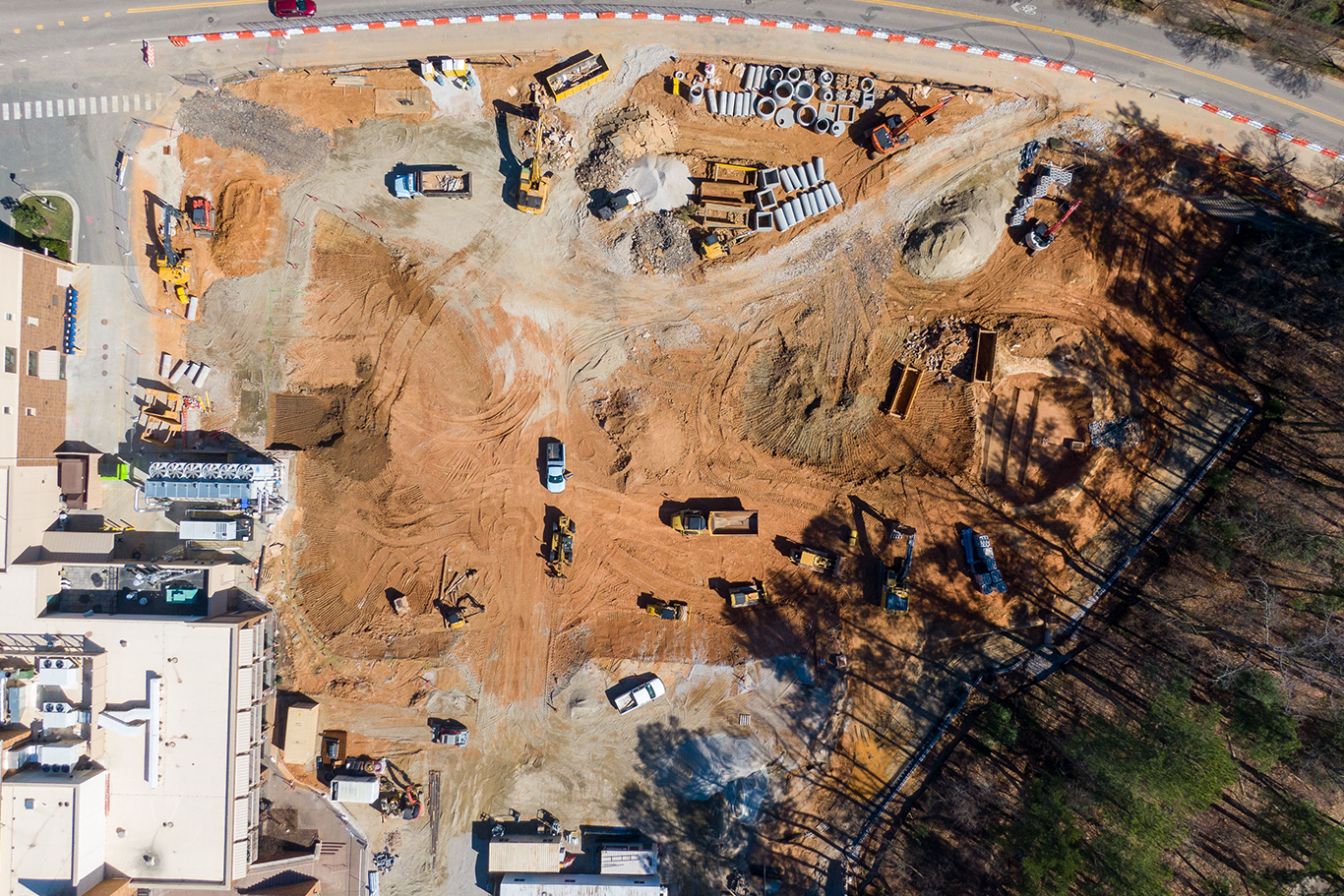
We help contractors protect their tools, vehicles, job sites, and employees with comprehensive insurance solutions. Whether you’re a general contractor, electrician, plumber, or another trade, we provide the coverage you need to keep your projects moving forward safely.
Cannabis Industry
Mosaic specializes in insuring the unique risks of the cannabis industry, including growers, retailers, processors, and delivery services. We understand the compliance challenges you face and work with carriers who can protect every stage of your operation.


Lessor’s Risk (LRO)
If you own a building and lease space to commercial tenants, we help protect your property and liability as a landlord. Our policies safeguard your investment from damages, lawsuits, and other risks that come with leasing commercial real estate.

Frequently Asked Questions
Quick Answers. Trusted Support.
Insurance doesn’t have to be confusing. We’re here to make everything clear, helpful, and hassle-free.
What states is Mosaic Insurance licensed in?
Mosaic is licensed in more than 10 states, including Washington, Oregon, Arizona, California, Texas, Colorado, and more. Our team can help you whether you live locally in WA or operate across multiple state lines.
We’re especially well-equipped to help clients with multi-state businesses, real estate portfolios, or cannabis operations that need compliance-ready coverage in various jurisdictions.
Can I get quotes from multiple carriers through Mosaic?
Yes. As an independent agency, we partner with a wide range of top-rated insurance carriers. That means you’re not locked into just one company’s pricing or coverage limitations.
Our advisors compare quotes for you, break down the differences, and help you choose the plan that fits best—no pressure, just honest advice.
Does Mosaic offer cannabis insurance, and who qualifies?
Absolutely. Mosaic is one of the few agencies with deep experience in cannabis insurance. We offer coverage for dispensaries, cultivators, delivery services, manufacturers, and labs.
If you're in a licensed state and need coverage that meets regulatory requirements, we can help set you up with carriers who understand the cannabis industry’s unique risks.
What can I do through the client portal?
You can use our 24/7 client portal to request policy changes, submit certificates of insurance, and manage your billing. It’s easy to use and always available.
This helps speed up business tasks and gives you full access to your coverage—even outside of regular office hours.
What should I expect after requesting a quote?
Once you request a quote, our team will reach out to gather a few key details. From there, we shop coverage with multiple carriers and return with clear, personalized options.
We make it easy to compare policies, ask questions, and finalize your protection—usually in 24–48 hours.
Can Mosaic help me file a claim?
Yes. Whether it’s an auto accident, property damage, or business-related issue, we’re here to guide you through the claims process. Our team can explain your coverage, contact the carrier, and help get things moving quickly.
We’re your advocate—before, during, and after a claim. You don’t have to go it alone.
Tips, News & Insights
Explore Our Blog