
Top 3 Recommended Policies

By: Jackson Hering
Licensed Personal Insurance Specialist
425-409-2497
Running a septic tank cleaning business in Washington means dealing with risks that most industries never think about: pressurized vacuum systems, hazardous waste transport, environmental contamination, and crews working in confined spaces. A single accidental spill on a residential property can generate cleanup costs in the tens of thousands, and that's before the homeowner's attorney gets involved. Getting the right insurance coverage for your septic business in Washington isn't just a regulatory checkbox. It's the difference between surviving a bad day on the job and losing everything you've built.
Washington has its own set of rules around
workers' compensation, environmental liability, and commercial vehicle requirements that don't always align with what you'd find in neighboring states. The state's Department of Labor & Industries (L&I) runs a monopolistic workers' comp fund, surety bonds are often required alongside liability policies, and pollution coverage isn't something your standard
general liability policy will touch. Whether you're a one-truck operation in Yakima or running a fleet of pumper trucks across King County, understanding how these coverages work together can save you from expensive gaps when a claim hits. This guide breaks down the essential policies, Washington-specific regulations, cost comparisons, and claims strategies that septic professionals actually need to know.
Essential Insurance Coverage for Washington Septic Professionals
Septic businesses face a unique combination of exposures that don't fit neatly into a single policy. You're hauling hazardous materials on public roads, operating heavy equipment on customers' property, and your crews are exposed to biological hazards daily. A proper insurance program for a Washington septic company typically includes general liability, pollution liability, commercial auto, inland marine, and workers' compensation, each covering a distinct set of risks.
The mistake many business owners make is assuming one broad policy covers everything. It doesn't. General liability won't pay for a fuel spill from your vacuum truck. Your commercial auto policy won't cover the $40,000 jetter you left at a job site overnight. Each policy has specific triggers, exclusions, and limits that matter when a claim actually happens.
General Liability and Pollution Liability Differences
General liability (GL) covers third-party bodily injury and property damage from your operations. If your technician backs into a client's fence or a customer trips over your hose, GL responds. But here's the critical gap: most GL policies contain an absolute pollution exclusion. That means if your truck's holding tank leaks sewage onto a customer's lawn, your GL insurer will deny the claim.
Pollution liability (also called environmental liability or contractors pollution liability) fills that gap. It covers cleanup costs, third-party bodily injury, and property damage arising from the release of pollutants, which includes sewage, septic effluent, and chemical treatments. For septic companies, this isn't optional. Annual premiums for pollution liability typically range from $2,500 to $7,500 depending on your revenue, fleet size, and claims history. Some insurers bundle it with GL, but standalone policies often provide broader coverage terms.
Commercial Auto for Pumper Trucks and Vacuum Trailers
Your pumper trucks are the backbone of your operation, and they're expensive to insure. A loaded vacuum truck weighing 30,000+ pounds creates serious liability exposure on Washington's roads, especially during winter conditions in the Cascades or on rural county roads east of the mountains.
Commercial auto insurance costs for septic businesses have been climbing. Factors driving this include rising repair costs, nuclear verdicts in trucking lawsuits, and increased medical expenses after accidents. For a single pumper truck, expect annual premiums between $3,000 and $8,000 depending on driver experience, the truck's value, and your operating radius. Fleets with three or more vehicles often qualify for fleet discounts, but you'll need clean MVRs across all drivers. Make sure your policy covers hired and non-owned auto as well, especially if employees ever use personal vehicles for business errands.
Inland Marine: Protecting Specialized Pumping Equipment
Inland marine insurance covers mobile equipment and tools that travel between job sites. For septic companies, this includes portable jetting machines, camera inspection systems, locating equipment, and sometimes the vacuum pump assemblies themselves if they're removable.
Your commercial auto policy covers the truck. Your inland marine policy covers what's inside it or mounted on it. A high-pressure jetter alone can cost $15,000 to $50,000 to replace, and theft from job sites or overnight parking areas is a real concern. Inland marine policies are relatively affordable, often $500 to $1,500 annually, and they cover theft, vandalism, and accidental damage. Don't overlook this one.
Washington State Specific Requirements and Regulations
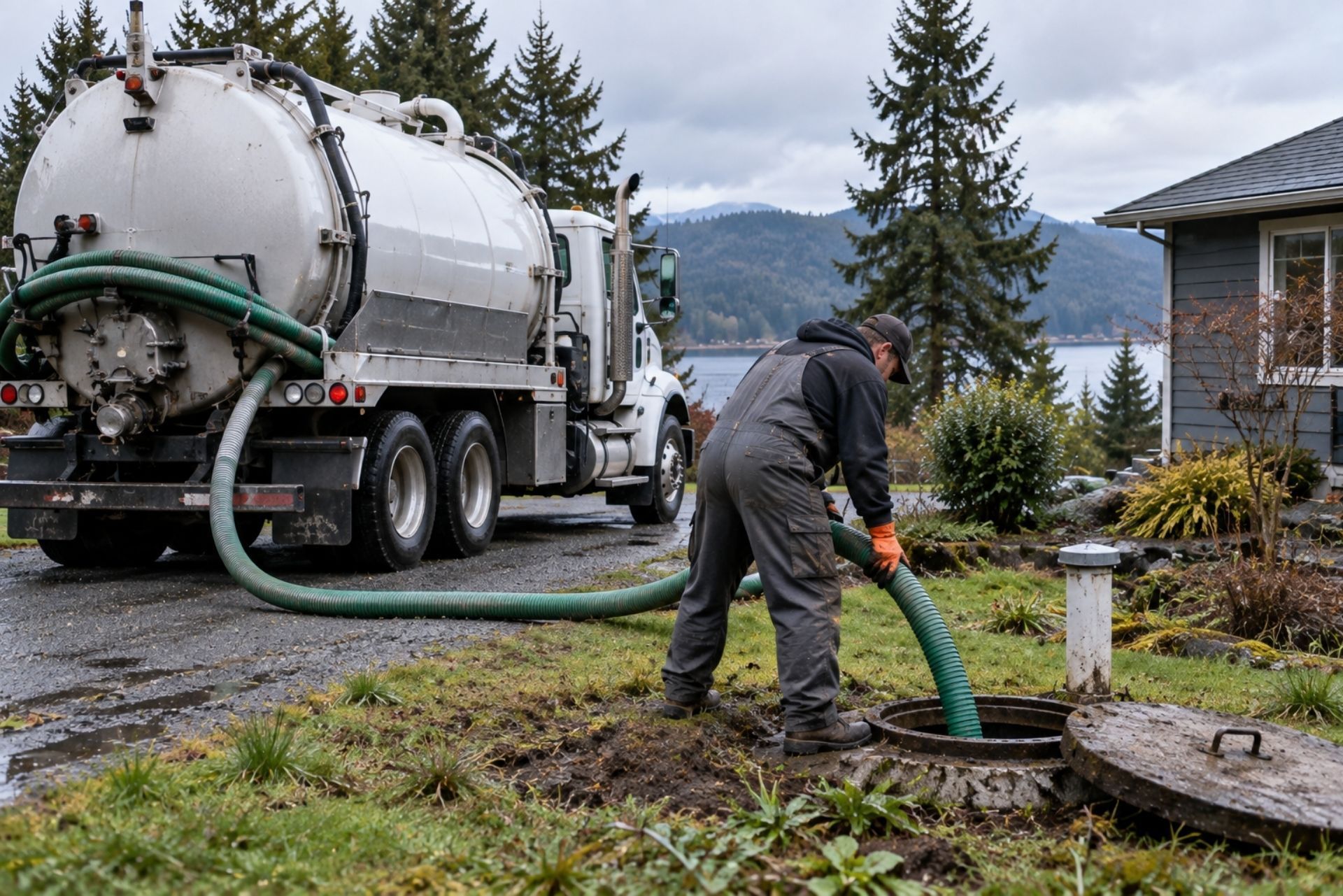
Washington imposes requirements on septic service providers that go beyond what you'll find in most states. The regulatory framework involves L&I, the Department of Ecology, and local health departments, each with their own insurance and bonding expectations.
L&I Workers' Compensation for Septic Crews
Washington is one of four states that operates a monopolistic state workers' compensation fund through the Department of Labor & Industries. You can't buy workers' comp from a private insurer here. Every employer with even one employee must carry L&I coverage, and the penalties for non-compliance include fines, back-premiums, and personal liability for any workplace injuries.
Washington's L&I recently adopted a 4.9% average increase in workers' compensation premium rates for 2026, adding approximately $1.30 per $100 of payroll for many risk classes. Septic work falls into high-hazard risk classifications due to confined space entry, exposure to pathogens, and heavy equipment operation. Your actual rate depends on your risk class, payroll, and experience modification factor. A clean safety record can reduce your premiums significantly, while a single serious injury claim can increase them for years.
Sole proprietors can elect to cover themselves through L&I, and it's worth doing. Without it, you're personally responsible for your own medical bills and lost income after a workplace injury.
Surety Bonds vs. Liability Insurance for Licensing
Many Washington counties require septic installers and service providers to carry surety bonds in addition to liability insurance. These are different things. A surety bond guarantees you'll comply with local codes and regulations. If you don't, the bond pays the affected party, and then the bonding company comes after you for reimbursement.
Liability insurance, on the other hand, protects you from third-party claims. The Washington On-Site Sewage Association (WOSSA) is a
valuable resource for understanding licensing requirements across different counties, since bond amounts and insurance minimums vary by jurisdiction. Some counties require $25,000 bonds; others require $50,000 or more. You need both the bond and the insurance to operate legally.
Comparing Coverage Levels for Septic Businesses
Not every septic company needs the same level of protection. A solo operator pumping residential tanks has a different risk profile than a company running five trucks with installation crews.
Comparison Chart: Basic vs. Comprehensive Protection
| Coverage Type | Basic Protection | Comprehensive Protection |
|---|---|---|
| General Liability | $500K/$1M limits | $1M/$2M limits with umbrella |
| Pollution Liability | Excluded or $500K limit | $1M+ with transportation coverage |
| Commercial Auto | Liability only, $500K | Full coverage, $1M CSL, hired/non-owned |
| Inland Marine | Not carried | $50K-$150K scheduled equipment |
| Workers' Comp | L&I minimum (required) | L&I + employer's liability endorsement |
| Umbrella/Excess | None | $1M-$5M excess liability |
| Surety Bond | County minimum | County minimum (same requirement) |
| Estimated Annual Cost | $6,000-$10,000 | $15,000-$30,000+ |
The basic package keeps you legal but leaves significant gaps. If a pollution claim exceeds $500K or a truck accident generates a large judgment, you're personally exposed. The comprehensive package costs more but protects your business assets and personal finances against catastrophic losses.
Managing Risks: Waste Disposal and Environmental Claims
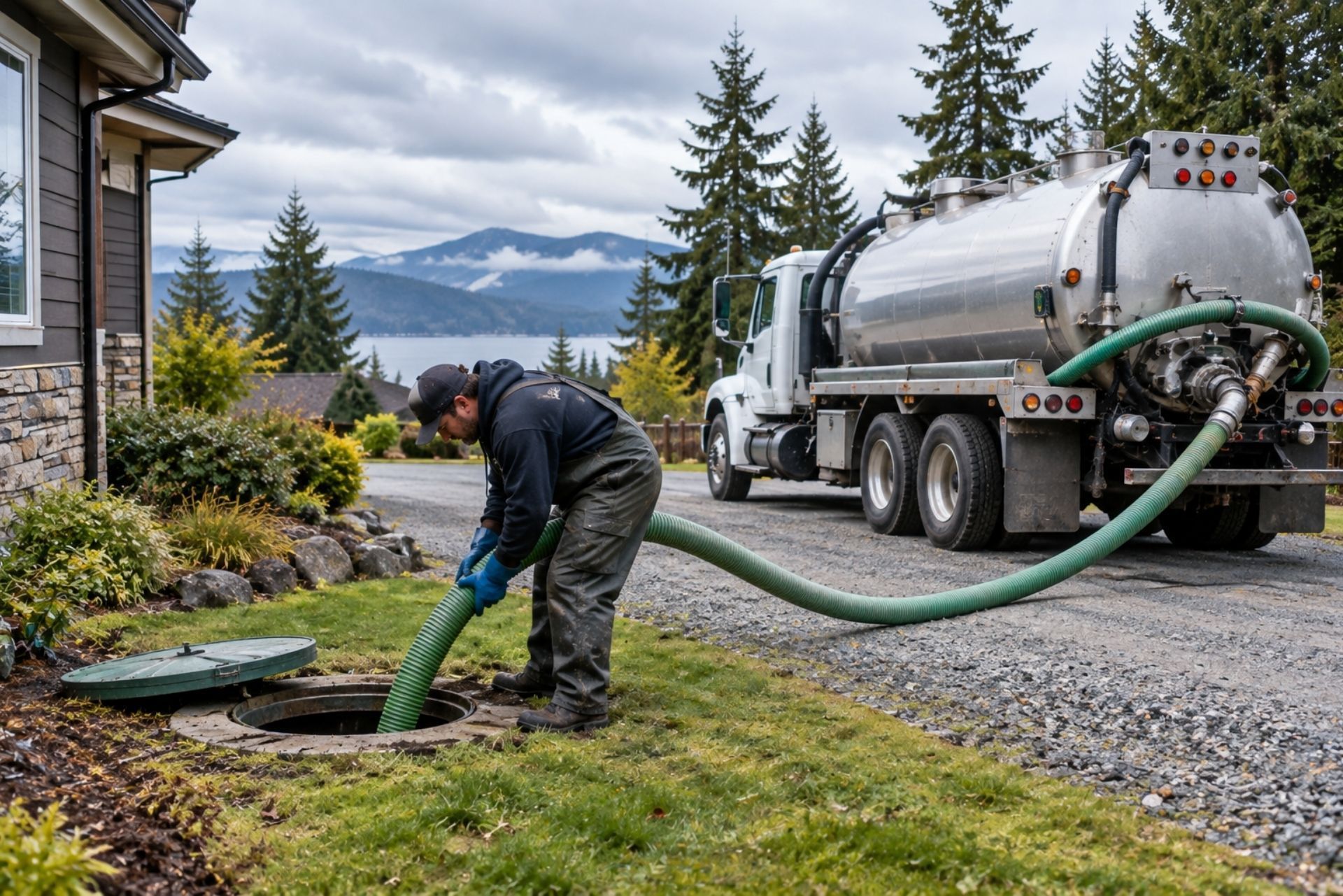
Environmental claims are the most expensive and complex type of loss a septic business can face. A single contamination event can trigger involvement from the Washington Department of Ecology, EPA, and local health authorities simultaneously.
Coverage for Accidental Spills and Contamination
Accidental spills happen during transport, during pumping, and at disposal sites. A hose fitting fails and sends effluent across a customer's driveway into a storm drain. A holding tank valve leaks during highway transport. Your driver delivers waste to an unapproved dump site because the permitted facility was closed.
Each of these scenarios triggers different coverage responses. Your pollution liability policy should cover on-site spills during pumping operations and transportation-related releases. Check whether your policy covers "transportation pollution liability" specifically, because some policies only cover pollution at the job site, not during transit. The 2026 commercial insurance market shows environmental coverage tightening, with underwriters asking more questions about disposal practices and spill prevention protocols.
Document your waste disposal chain carefully. Keep manifests, facility permits, and disposal receipts for at least five years. If a disposal site later becomes a Superfund cleanup, your records prove you used a permitted facility.
Navigating the Claims Process for Property Damage
When a claim hits, your first 24 hours matter most. Photograph everything. Get written statements from your crew. Notify your insurance carrier immediately, even if you're not sure the damage is significant.
Washington follows a "notice-prejudice" rule, meaning late notice to your insurer can hurt your coverage but won't automatically void it. Still, don't test this. Prompt reporting gives your adjuster time to investigate while evidence is fresh. For property damage claims involving contamination, expect the process to take months rather than weeks. Environmental assessments, remediation bids, and regulatory sign-offs all add time.
One common mistake: admitting fault at the scene. Train your crews to be helpful and cooperative but not to make statements about liability. "I'm sorry this happened, and we'll get our insurance company involved right away" is the right response.
Frequently Asked Questions About Septic Insurance
Common Questions from Washington Business Owners
How much does insurance cost for a small septic pumping company in Washington? A one-truck operation with one or two employees should budget $8,000 to $15,000 annually for a basic package including GL, commercial auto, pollution liability, and L&I workers' comp. Your actual cost depends on revenue, payroll, claims history, and the counties you serve.
Can I use my personal auto policy for my pumper truck? No. Personal auto policies exclude commercial vehicles and business use. Your claim will be denied, and you may face penalties for operating a commercial vehicle without proper coverage.
Do I need pollution liability if I only pump residential septic tanks? Yes. Residential jobs carry the same spill risk as commercial ones, and your GL policy's pollution exclusion applies regardless of the customer type. A sewage release onto a residential property near a well or waterway can generate significant cleanup costs.
What happens if I don't carry L&I workers' comp in Washington? L&I can audit your business, assess back premiums with penalties and interest, and hold you personally liable for any employee injuries. Fines can reach thousands of dollars, and repeat violations can result in a stop-work order.
Does my insurance cover damage to the septic system I'm servicing? Typically yes, under your general liability policy's "property damage" coverage. If you crack a tank lid or damage a drainfield during pumping, your GL policy should respond. Check your policy for any "care, custody, and control" exclusions that might limit this coverage.
Should I join WOSSA or another trade association for insurance benefits?
Trade associations sometimes offer group insurance programs with better rates. WOSSA membership also keeps you informed about regulatory changes that affect your coverage requirements.
Making the Right Choice for Your Fleet and Crew
Getting insurance right for a septic cleaning business in Washington requires more than calling one agent and buying the cheapest package. Start by documenting your full exposure: every truck, every piece of equipment, total payroll, annual revenue, and the counties where you operate. Then get quotes from at least three agents or brokers who understand environmental and commercial auto risks.
Pay close attention to policy exclusions, especially around pollution, transportation, and workers' compensation cost adjustments that affect your long-term premiums. Ask each agent specifically about pollution coverage during transport, not just at the job site. Request sample policy language if something sounds too good to be true.
Your insurance program should grow with your business. Add a truck, update your policy. Hire a new crew member, report the payroll change to L&I. Buy a $30,000 jetter, schedule it on your inland marine. The businesses that get burned are the ones that set up a policy in year one and never touch it again. Review your coverage annually, ideally 60 days before renewal, so you have time to shop if your current carrier's pricing jumps. The right coverage won't just protect your trucks and equipment. It'll protect the business you've spent years building.

About The Author:
Jackson Hering
I'm a fourth-generation insurance agent, having learned the business firsthand while working alongside my father. With years of experience passed down through my family, I take pride in combining that legacy knowledge with a modern, client-focused approach. I started my career at a small, family-owned agency and worked my way up, gaining a deep understanding of the industry from the ground up.
Contact Us
Coverage for Everyday Life
Personal Insurance That Works for You
We help individuals and families find coverage that keeps life moving—without overpaying or getting lost in fine print. From auto and home insurance to umbrella and life protection, our licensed team compares options across top-rated carriers to make sure you’re covered the right way, right now.
Auto Insurance
Drive with confidence and coverage that fits your needs.
Home Insurance
Coverage for fire, theft, liability, and more.
Renters Insurance
Affordable protection for your belongings and personal liability.

Boat Insurance
Coverage for watercraft damage, liability, and gear.
Life Insurance
Prepare for the future with term or whole life policies.
Umbrella Insurance
Extra liability protection for life’s bigger risks.
Protect Your Business Without the Guesswork
Business Insurance Built for Stability & Growth
Running a business comes with risk. We help reduce it. Our team builds custom coverage for your needs, including general liability, property, commercial auto, and cyber protection. We’re fast, responsive, and easy to reach—so your insurance is one less thing to worry about.
Industries We Serve
Tailored by Industry
We understand the risks unique to your business—and how to insure against them.
Contractors & Trades
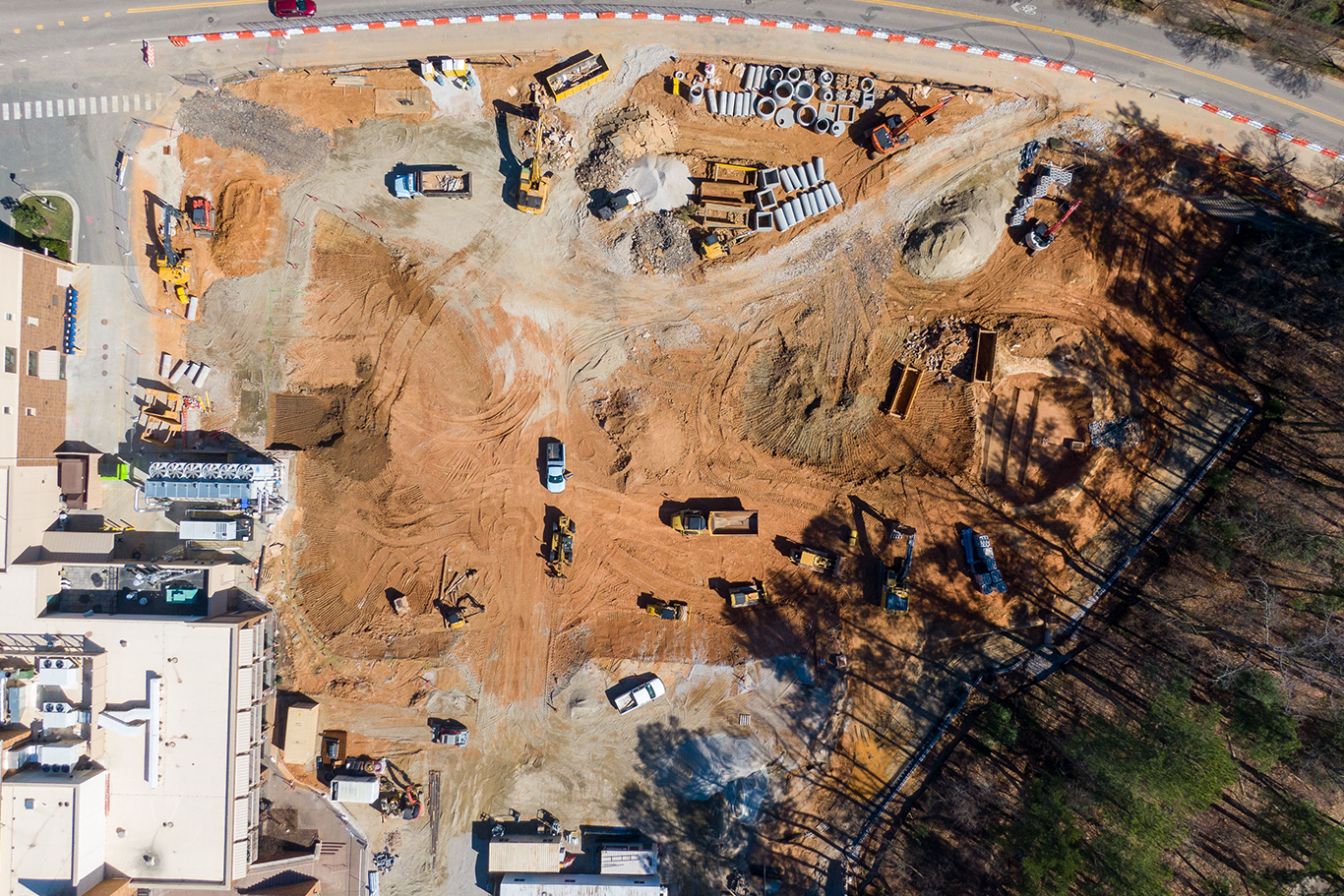
We help contractors protect their tools, vehicles, job sites, and employees with comprehensive insurance solutions. Whether you’re a general contractor, electrician, plumber, or another trade, we provide the coverage you need to keep your projects moving forward safely.
Cannabis Industry
Mosaic specializes in insuring the unique risks of the cannabis industry, including growers, retailers, processors, and delivery services. We understand the compliance challenges you face and work with carriers who can protect every stage of your operation.

Lessor’s Risk (LRO)
If you own a building and lease space to commercial tenants, we help protect your property and liability as a landlord. Our policies safeguard your investment from damages, lawsuits, and other risks that come with leasing commercial real estate.
Frequently Asked Questions
Quick Answers. Trusted Support.
Insurance doesn’t have to be confusing. We’re here to make everything clear, helpful, and hassle-free.
What states is Mosaic Insurance licensed in?
Mosaic is licensed in more than 10 states, including Washington, Oregon, Arizona, California, Texas, Colorado, and more. Our team can help you whether you live locally in WA or operate across multiple state lines.
We’re especially well-equipped to help clients with multi-state businesses, real estate portfolios, or cannabis operations that need compliance-ready coverage in various jurisdictions.
Can I get quotes from multiple carriers through Mosaic?
Yes. As an independent agency, we partner with a wide range of top-rated insurance carriers. That means you’re not locked into just one company’s pricing or coverage limitations.
Our advisors compare quotes for you, break down the differences, and help you choose the plan that fits best—no pressure, just honest advice.
Does Mosaic offer cannabis insurance, and who qualifies?
Absolutely. Mosaic is one of the few agencies with deep experience in cannabis insurance. We offer coverage for dispensaries, cultivators, delivery services, manufacturers, and labs.
If you're in a licensed state and need coverage that meets regulatory requirements, we can help set you up with carriers who understand the cannabis industry’s unique risks.
What can I do through the client portal?
You can use our 24/7 client portal to request policy changes, submit certificates of insurance, and manage your billing. It’s easy to use and always available.
This helps speed up business tasks and gives you full access to your coverage—even outside of regular office hours.
What should I expect after requesting a quote?
Once you request a quote, our team will reach out to gather a few key details. From there, we shop coverage with multiple carriers and return with clear, personalized options.
We make it easy to compare policies, ask questions, and finalize your protection—usually in 24–48 hours.
Can Mosaic help me file a claim?
Yes. Whether it’s an auto accident, property damage, or business-related issue, we’re here to guide you through the claims process. Our team can explain your coverage, contact the carrier, and help get things moving quickly.
We’re your advocate—before, during, and after a claim. You don’t have to go it alone.
Tips, News & Insights
Explore Our Blog