Washington Interior Plastering Contractor Insurance

or call us: 425-320-4280
Top 3 Recommended Policies

By: Jackson Hering
Licensed Personal Insurance Specialist
425-409-2497
A single water stain spreading across a client's hardwood floor can cost more than your entire annual insurance premium. For interior plastering contractors in Washington, the risks you face daily are specific to your trade: dust infiltrating HVAC systems, moisture seeping behind finished walls, scaffolding collapses in tight residential spaces. Generic contractor policies often miss these exposures entirely.
This guide covers the insurance protections Washington plastering contractors actually need, from general liability and L&I compliance to water damage coverage, dust-related pollution claims, tool and vehicle protection, and the long-tail risk of completed operations. Whether you're a solo operator skim-coating condo units in Seattle or running a crew of five on commercial build-outs in Spokane, the right coverage structure can mean the difference between surviving a claim and closing your doors.
Insurance premiums across the
construction sector have been
trending upward through 2026, driven by rising material costs and more frequent claims. Plastering contractors aren't exempt from that pressure. But understanding your actual risk profile, and buying coverage that matches it, keeps you from overpaying for protections you don't need while leaving dangerous gaps in the ones you do.
Core Insurance Requirements for Washington Plastering Contractors
Washington has some of the strictest contractor insurance requirements in the country. Before you bid on your first job, you need to understand what the state demands and what your clients will expect to see on a certificate of insurance.
General Liability for Wall and Ceiling Professionals
General liability (GL) is the foundation of every plastering contractor's insurance program. It covers third-party bodily injury and property damage that happens during your work: a homeowner trips over your mixing station, your scaffolding scratches a marble countertop, or plaster splatter damages a client's furniture.
For solo plastering operators in Washington, GL premiums typically fall between $600 and $1,100 annually, while small crews of two to four workers can expect to pay more based on payroll and revenue. Most policies carry limits of $1 million per occurrence and $2 million aggregate, which is the minimum most general contractors require before they'll let you on a job site.
One thing to keep in mind: standard GL policies don't automatically cover faulty workmanship or pollution-related claims. Those require separate endorsements or standalone policies, which we'll cover below.
Washington State Labor & Industries (L&I) Compliance
Washington is one of four states that operates a monopolistic workers' compensation fund through its Department of Labor & Industries. You can't buy workers' comp from a private insurer here. Every contractor with employees must register with L&I and pay premiums based on job classification and hours worked.
For plastering contractors, the L&I risk classification carries rates that reflect the physical demands of the trade: repetitive motion injuries, falls from scaffolding, and chemical exposure from plaster compounds. Even sole proprietors without employees should consider electing optional L&I coverage for themselves. A broken wrist from a ladder fall could sideline you for months, and without coverage, you're absorbing every dollar of medical costs and lost income.
Failing to carry L&I coverage when required can result in stop-work orders, fines of up to $500 per day, and personal liability for any workplace injuries. The state doesn't take compliance lightly.
Managing Trade-Specific Risks: Water, Dust, and Debris
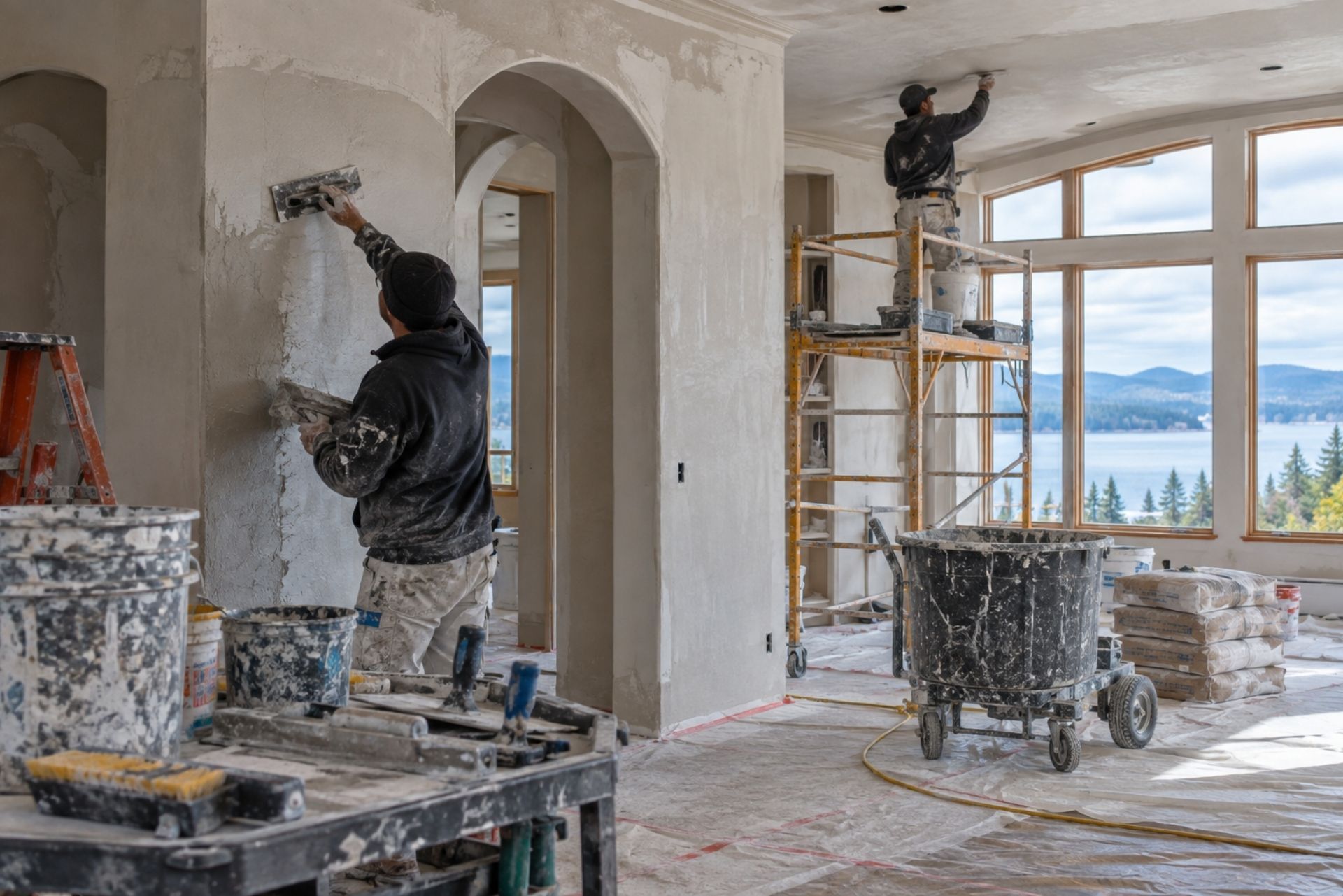
Plastering generates hazards that most other interior trades don't share. The combination of water, fine particulate dust, and chemical compounds creates a unique risk profile that standard policies often exclude.
Pollution Liability for Dust and Overspray Claims
Plaster dust is fine enough to travel through an entire building's ventilation system. A single day of sanding in a commercial space can trigger air quality complaints, contaminate sensitive equipment in neighboring offices, or aggravate respiratory conditions in building occupants.
Standard GL policies almost always exclude pollution-related claims. Plaster dust, silica particles, and chemical overspray from specialty compounds all fall under that exclusion. You need a pollution liability endorsement or a standalone contractor's pollution liability (CPL) policy to fill this gap.
CPL policies for small plastering operations typically run $400 to $900 per year, depending on the types of compounds you use and whether you work in occupied buildings. If you're doing any work in healthcare facilities, schools, or occupied residential buildings, this coverage isn't optional: it's essential.
Water Damage and Faulty Workmanship Coverage
Water is central to your trade. Mixing plaster, wetting surfaces for adhesion, cleaning tools: all of it introduces moisture into spaces where it can cause serious damage. A slow leak behind a freshly plastered wall might not show up for weeks, and by then, mold growth and structural damage can multiply the claim exponentially.
Standard GL policies cover sudden, accidental water damage you cause during active work. But damage from faulty workmanship, like improper moisture barriers or inadequate drying time, is typically excluded. You need a products-completed operations endorsement to cover claims that arise after you've finished the job and left the site.
Some insurers offer a "broad form property damage" endorsement that extends coverage to damage your work causes to other parts of the structure. If you're applying plaster over existing finishes or near expensive fixtures, this endorsement is worth every dollar.
Protecting Your Assets: Tools, Equipment, and Vehicles
Your tools and vehicles are what keep your business running. Losing them to theft, accident, or breakdown can halt your operations overnight.
Inland Marine Insurance for Mixing Stations and Scaffolding
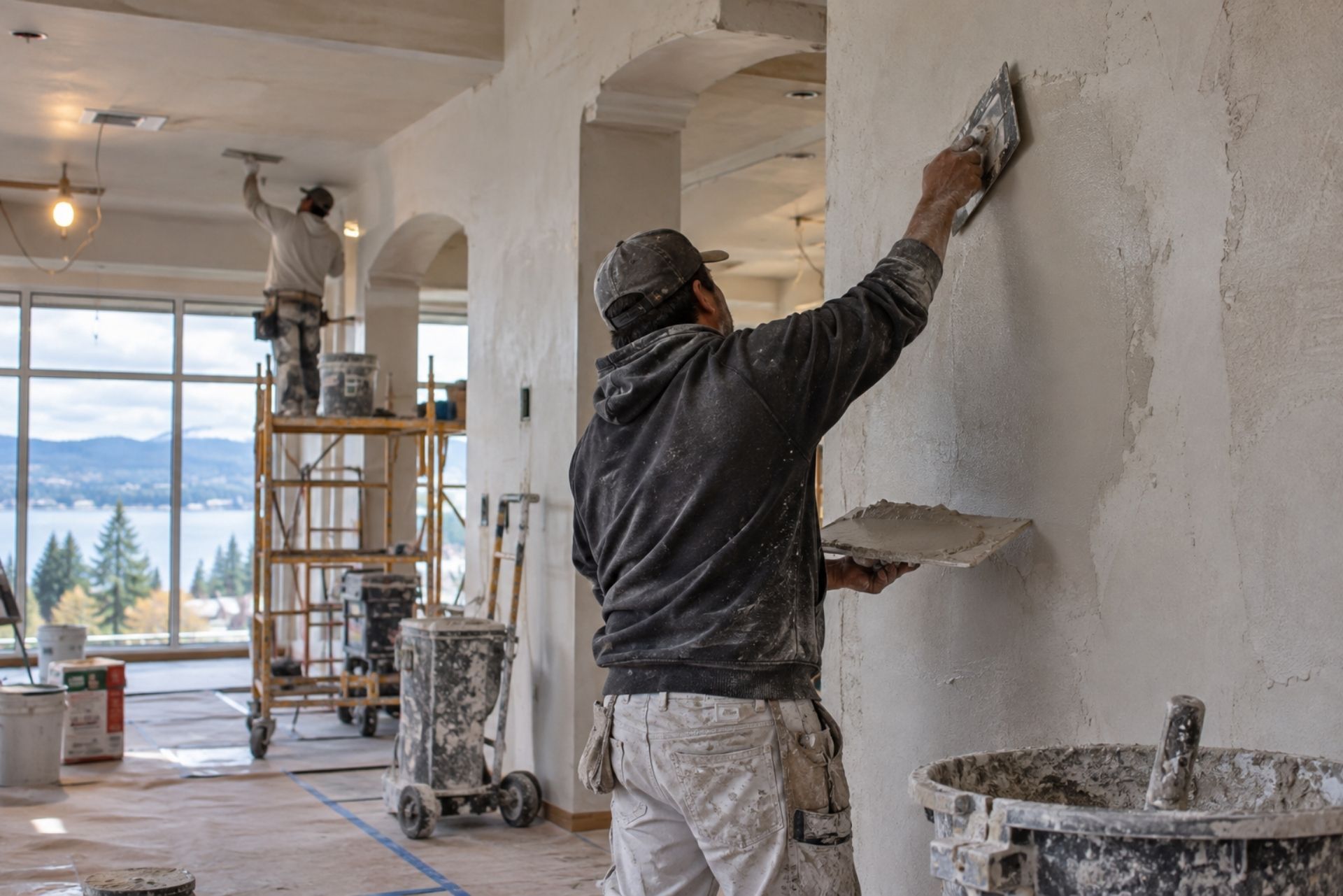
Inland marine insurance covers tools and equipment that travel between job sites. Your mixing stations, scaffolding systems, hawk-and-trowel sets, power sanders, and spray equipment aren't covered under a standard commercial property policy once they leave your shop.
Construction site theft is a persistent problem costing the industry billions annually. Plastering equipment might not seem like a high-theft target compared to power tools or copper wire, but specialized mixing stations and spray rigs can cost thousands to replace. An inland marine policy covers theft, vandalism, accidental damage, and sometimes even equipment breakdown.
Premiums are usually calculated as a percentage of your total equipment value, often between 1% and 3%. If you're carrying $15,000 in tools and equipment, expect to pay $150 to $450 per year. Keep a detailed inventory with serial numbers, photos, and purchase receipts: it speeds up claims and ensures you're insured for the right amount.
Commercial Auto for Work Vans and Supply Trucks
Your personal auto policy won't cover accidents that happen while you're hauling plaster, tools, or scaffolding to a job site. Commercial auto insurance is required for any vehicle used in your business, and Washington's minimum liability limits for commercial vehicles are $25,000 per person and $50,000 per accident for bodily injury.
Those minimums are dangerously low for a loaded work van. Most experienced contractors carry at least $500,000 in combined single-limit coverage. Commercial auto premiums in Washington vary based on vehicle type, driving records, and coverage limits, but plan on $1,200 to $2,500 per vehicle annually for adequate protection.
If employees drive your vehicles, their driving records directly affect your premiums. Run MVR checks before handing anyone the keys, and establish a written vehicle use policy.
Comparison of Coverage Levels for Plastering Businesses
This table breaks down what solo operators versus small crews typically need and what it costs:
| Coverage Type | Solo Operator | Small Crew (2-4) | Why It Matters |
|---|---|---|---|
| General Liability | $600 - $1,100/yr | $1,200 - $2,400/yr | Required by most GCs and clients |
| L&I Workers' Comp | Optional (self) | Mandatory | State-run fund; no private option |
| Pollution Liability | $400 - $700/yr | $600 - $900/yr | Covers dust and chemical claims |
| Inland Marine | $150 - $300/yr | $300 - $600/yr | Protects tools in transit |
| Commercial Auto | $1,200 - $1,800/yr | $2,000 - $4,500/yr | Per vehicle; higher for crews |
| Completed Operations | Included in GL | Included in GL | Verify limits are adequate |
| Umbrella Policy | Optional | Recommended | Extra $1M+ over primary limits |
Solo operators can often bundle GL, inland marine, and commercial auto into a business owner's policy (BOP) for a 10% to 15% discount. Crews with payroll should work with an independent agent who understands construction classifications to avoid misrating.
Completed Operations: Long-Term Liability for Finished Surfaces
The risk doesn't end when you clean up your tools and leave the job site. Completed operations coverage protects you against claims arising from work you've already finished: a plaster ceiling that cracks and falls six months later, moisture trapped behind a wall that causes mold, or a decorative finish that peels and damages underlying surfaces.
In Washington, the statute of limitations for construction defect claims extends up to six years from project completion. That means a plastering job you finished in 2026 could generate a claim as late as 2032. Your completed operations coverage needs to remain active for that entire period.
Most GL policies include completed operations as part of the products-completed operations aggregate. But here's the catch: that aggregate is shared with your product liability exposure. If you're running multiple projects, a single large completed operations claim could exhaust your aggregate and leave you unprotected for the rest of the policy year. The 2026 construction insurance market has seen more carriers tightening completed operations terms, so review your policy language carefully.
Consider requesting a dedicated completed operations aggregate if your annual revenue exceeds $250,000. It costs more, but it prevents one bad claim from wiping out your entire coverage limit.
Common Questions About Plastering Insurance in Washington
Do I need insurance if I only do small residential jobs? Yes. Washington requires all registered contractors to carry liability insurance, regardless of project size. Homeowners can also sue you personally if you're uninsured and something goes wrong.
Can I use my personal auto insurance for my work van? No. Personal auto policies exclude vehicles used for business purposes. If you're hauling tools or materials, you need commercial auto coverage.
What happens if I don't register with L&I? You can face fines up to $500 per day, stop-work orders, and personal liability for any employee injuries. The state actively audits contractor registrations.
Does general liability cover plaster dust damage to a client's property? Usually not. Dust is classified as a pollutant under most GL policies. You'll need a pollution liability endorsement or a separate contractor's pollution policy.
How much does a typical plastering contractor spend on insurance annually? A solo operator with one vehicle can expect to pay roughly $2,500 to $4,000 total across GL, commercial auto, and inland marine. Crews with employees will pay significantly more due to L&I premiums and higher liability limits.
Should I get an umbrella policy?
If you're working on projects valued over $100,000 or in occupied buildings, an umbrella policy adds a critical extra layer. They typically cost $500 to $1,200 per year for an additional $1 million in coverage.
Before You Buy a Policy
Getting the right insurance for your plastering business starts with documenting your actual exposures. List every piece of equipment you own, calculate your annual revenue and payroll, and identify the types of buildings you work in most often. Occupied commercial spaces carry different risks than new construction, and your premiums should reflect that.
Get quotes from at least three sources: a national carrier, a regional insurer familiar with Washington's construction market, and an independent agent who can shop multiple companies. Washington's Office of the Insurance Commissioner requires insurers to justify premium increases, so don't accept a renewal hike without asking for an explanation.
The right insurance program protects your income, your tools, your vehicles, and your reputation. A single uninsured claim can cost more than a decade of premiums. Take the time to build coverage that matches your trade, your crew size, and the specific risks you face on every Washington job site.

About The Author:
Jackson Hering
I'm a fourth-generation insurance agent, having learned the business firsthand while working alongside my father. With years of experience passed down through my family, I take pride in combining that legacy knowledge with a modern, client-focused approach. I started my career at a small, family-owned agency and worked my way up, gaining a deep understanding of the industry from the ground up.
Contact Us
Coverage for Everyday Life
Personal Insurance That Works for You
We help individuals and families find coverage that keeps life moving—without overpaying or getting lost in fine print. From auto and home insurance to umbrella and life protection, our licensed team compares options across top-rated carriers to make sure you’re covered the right way, right now.
Auto Insurance
Drive with confidence and coverage that fits your needs.
Home Insurance
Coverage for fire, theft, liability, and more.
Renters Insurance
Affordable protection for your belongings and personal liability.

Boat Insurance
Coverage for watercraft damage, liability, and gear.
Life Insurance
Prepare for the future with term or whole life policies.
Umbrella Insurance
Extra liability protection for life’s bigger risks.
Protect Your Business Without the Guesswork
Business Insurance Built for Stability & Growth
Running a business comes with risk. We help reduce it. Our team builds custom coverage for your needs, including general liability, property, commercial auto, and cyber protection. We’re fast, responsive, and easy to reach—so your insurance is one less thing to worry about.
Industries We Serve
Tailored by Industry
We understand the risks unique to your business—and how to insure against them.
Contractors & Trades
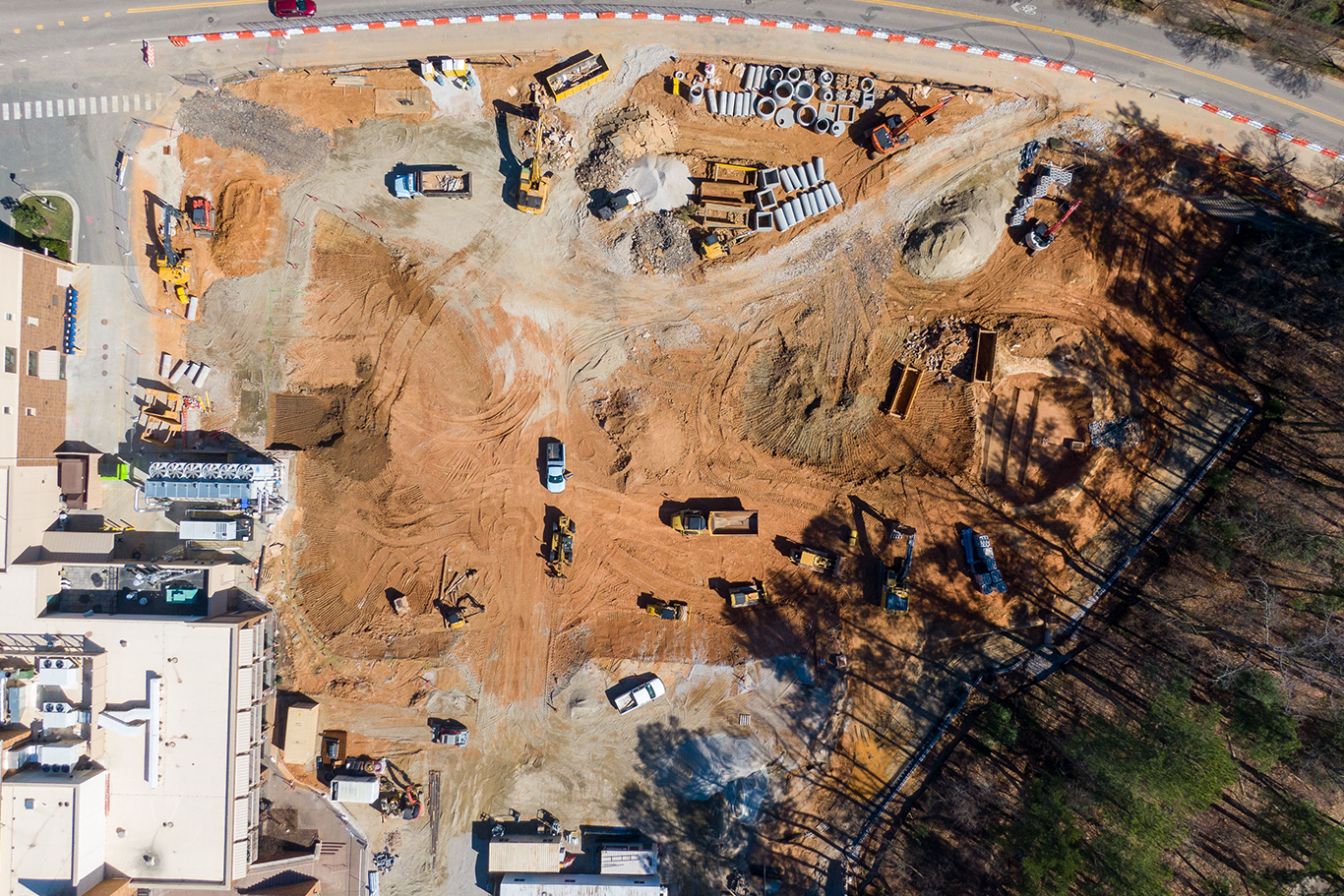
We help contractors protect their tools, vehicles, job sites, and employees with comprehensive insurance solutions. Whether you’re a general contractor, electrician, plumber, or another trade, we provide the coverage you need to keep your projects moving forward safely.
Cannabis Industry
Mosaic specializes in insuring the unique risks of the cannabis industry, including growers, retailers, processors, and delivery services. We understand the compliance challenges you face and work with carriers who can protect every stage of your operation.


Lessor’s Risk (LRO)
If you own a building and lease space to commercial tenants, we help protect your property and liability as a landlord. Our policies safeguard your investment from damages, lawsuits, and other risks that come with leasing commercial real estate.

Frequently Asked Questions
Quick Answers. Trusted Support.
Insurance doesn’t have to be confusing. We’re here to make everything clear, helpful, and hassle-free.
What states is Mosaic Insurance licensed in?
Mosaic is licensed in more than 10 states, including Washington, Oregon, Arizona, California, Texas, Colorado, and more. Our team can help you whether you live locally in WA or operate across multiple state lines.
We’re especially well-equipped to help clients with multi-state businesses, real estate portfolios, or cannabis operations that need compliance-ready coverage in various jurisdictions.
Can I get quotes from multiple carriers through Mosaic?
Yes. As an independent agency, we partner with a wide range of top-rated insurance carriers. That means you’re not locked into just one company’s pricing or coverage limitations.
Our advisors compare quotes for you, break down the differences, and help you choose the plan that fits best—no pressure, just honest advice.
Does Mosaic offer cannabis insurance, and who qualifies?
Absolutely. Mosaic is one of the few agencies with deep experience in cannabis insurance. We offer coverage for dispensaries, cultivators, delivery services, manufacturers, and labs.
If you're in a licensed state and need coverage that meets regulatory requirements, we can help set you up with carriers who understand the cannabis industry’s unique risks.
What can I do through the client portal?
You can use our 24/7 client portal to request policy changes, submit certificates of insurance, and manage your billing. It’s easy to use and always available.
This helps speed up business tasks and gives you full access to your coverage—even outside of regular office hours.
What should I expect after requesting a quote?
Once you request a quote, our team will reach out to gather a few key details. From there, we shop coverage with multiple carriers and return with clear, personalized options.
We make it easy to compare policies, ask questions, and finalize your protection—usually in 24–48 hours.
Can Mosaic help me file a claim?
Yes. Whether it’s an auto accident, property damage, or business-related issue, we’re here to guide you through the claims process. Our team can explain your coverage, contact the carrier, and help get things moving quickly.
We’re your advocate—before, during, and after a claim. You don’t have to go it alone.
Tips, News & Insights
Explore Our Blog