
Top 3 Recommended Policies

By: Jackson Hering
Licensed Personal Insurance Specialist
425-409-2497
A single grease fire, a slip on a rain-soaked patio, or a norovirus outbreak traced back to your prep line can undo years of work in a matter of hours. Full service restaurant insurance in Washington isn't just a legal checkbox; it's the financial backbone that keeps your doors open when things go sideways. Whether you run a waterfront seafood house in Bellingham or a bustling bistro in Tacoma, the risks you face are specific to your operation: table service injuries, liquor-related incidents, valet mishaps, and the ever-present threat of foodborne illness claims.
This guide covers the essential coverages Washington restaurant owners need, from property and business income protection to liquor liability and specialized riders. We'll break down what the state requires, what smart operators add voluntarily, and how your choices affect your premium. If you've been running on a bare-bones policy or you're opening your first sit-down restaurant, the information here will help you build a coverage strategy that actually fits your business.
Core Insurance Requirements for Washington Restaurants
Washington state doesn't leave much room for guesswork on certain coverages. Some policies are legally mandated, while others are practically required by landlords, lenders, or licensing authorities. Knowing the difference between "must have" and "should have" saves you from both fines and coverage gaps.
Washington State Workers' Compensation Mandates
Washington is one of a handful of states that runs its own workers' compensation system through the Department of Labor & Industries (L&I). You can't buy workers' comp from a private insurer here. Every restaurant with employees must register with L&I and pay premiums based on job classification and payroll. Kitchen staff, servers, and dishwashers each carry different risk classifications, and your rates reflect that.
Failing to register isn't just a fine; it's a misdemeanor. If an uninsured employee gets hurt, you're personally liable for all medical costs and lost wages. For a full service restaurant where burns, cuts, and slip-and-fall injuries are common, that exposure adds up fast.
General Liability for Guest Safety and Property Damage
General liability (GL) is the policy most people think of first. It covers third-party bodily injury, property damage, and personal injury claims. A guest trips over a chair leg, a server spills hot coffee on a customer's lap, or a child pulls a table setting onto themselves: these are all GL claims.
Landlord and franchise agreements often specify insurance requirements to protect their interests. If you host live music, private events, or holiday parties, your exposure increases and your limits should reflect that.
Liquor Liability Laws in the Evergreen State
Washington holds liquor-serving establishments to a strict standard. If you over-serve a patron who then causes an accident, your restaurant can be named in the resulting lawsuit. Standard GL policies typically exclude alcohol-related claims, so you need a separate liquor liability policy or endorsement.
The state's dram shop laws mean a
single norovirus case or alcohol-related incident can trigger dozens of claims and even a health department shutdown. It is important to secure adequate liquor liability coverage, as your insurer will want to know your annual alcohol sales as a percentage of total revenue, so have that number ready.
A basic Business Owner Policy (BOP) bundles general liability with commercial property coverage at a discounted rate. It's a solid starting point, but it won't cover everything a full service restaurant faces. Understanding the gaps helps you decide where to spend your premium dollars.
Coverage Comparison Table: Basic vs. Comprehensive Protection
| Coverage Area | Basic BOP | Comprehensive Plan |
|---|---|---|
| General Liability | $1M per occurrence | $2M+ per occurrence |
| Commercial Property | Building and contents | Building, contents, signage, outdoor fixtures |
| Liquor Liability | Not included | $1M-$2M dedicated policy |
| Food Spoilage | Not included | $10K-$50K rider |
| Equipment Breakdown | Not included | Covers HVAC, walk-ins, POS systems |
| Business Income | Limited or none | 12-month actual loss sustained |
| Valet/Parking | Not included | Garage Keepers Liability required |
| Cyber Liability | Not included | POS breach and data loss coverage |
The price difference between basic and comprehensive protection is real, but so is the gap in coverage. A restaurant with a bar can
expect annual premiums ranging from $7,000 to over $15,000, while a small café might pay between $655 and $3,000. The jump in cost reflects the jump in risk.
Protecting Your Assets with Specialized Property Insurance
Your building, kitchen equipment, furniture, and inventory represent hundreds of thousands of dollars in assets. Standard property coverage handles fire and theft, but Washington restaurants face risks that require more targeted protection.
Commercial Property and Kitchen Equipment Coverage
Commercial property insurance covers the physical structure (if you own it), your kitchen equipment, furniture, décor, and signage. Replacement cost coverage is worth the extra premium over actual cash value, especially for commercial-grade equipment that depreciates quickly on paper but costs just as much to replace.
Make sure your policy accounts for any recent renovations. A remodeled dining room or upgraded hood system can push your replacement value well above what you originally insured. Review your coverage limits annually, especially if you've added outdoor seating, a patio bar, or new kitchen appliances.
Food Spoilage and Equipment Breakdown Riders
A walk-in cooler failure on a Friday night before a busy weekend can destroy thousands of dollars in perishable inventory. Food spoilage riders cover the cost of lost product when refrigeration equipment breaks down or a power outage hits. Equipment breakdown coverage goes further, paying for the repair or replacement of the failed unit itself.
These riders typically cost a fraction of what a single loss would run you. Washington's winter storms and occasional windstorm-related power outages make this coverage especially relevant for restaurants outside the Seattle metro area, where power restoration can take days.
Business Interruption Insurance for Washington Disasters
If a fire, flood, or windstorm forces you to close, business income insurance replaces your lost net income and covers ongoing expenses like rent, loan payments, and payroll during the restoration period. Many 2026 BOPs provide business income insurance to bridge the gap while you rebuild.
This coverage is critical for surviving the period of restoration after a fire or disaster. One detail many owners miss: business income coverage usually requires that the loss be triggered by a covered peril under your property policy. If your property policy excludes flood or earthquake, your business income policy won't kick in for those events either. Washington's earthquake risk, particularly west of the Cascades, makes this gap worth addressing.
Your premium isn't a random number. Insurers calculate it based on measurable risk factors, and understanding them gives you some control over what you pay.
- Annual revenue and alcohol sales percentage: Higher revenue means more customer interactions and more exposure. A restaurant doing 40% of sales in alcohol pays significantly more for liquor liability than one at 15%.
- Location and building age: A restaurant in a century-old Pioneer Square building costs more to insure than one in a newer Bellevue strip mall. Seismic risk, flood zone status, and local fire response times all factor in.
- Claims history: Prior claims, especially liability or workers' comp, raise your experience modifier and your premiums. Investing in safety training and slip-resistant flooring pays off over time.
- Number of employees and payroll: More staff means higher workers' comp costs. Your L&I rates are calculated per $100 of payroll by job classification.
- Valet and parking services: If you offer valet parking in Seattle, the city requires a permit fee and Garage Keepers Legal Liability with minimum limits of $150,000 per vehicle and $500,000 per loss. That's a separate policy or endorsement, and it adds to your total insurance spend.
Bundling coverages through a single carrier often earns a multi-policy discount. Get quotes from at least three sources: a national carrier, a regional insurer familiar with Washington, and an independent agent who can shop multiple markets.
Common Questions About Washington Restaurant Insurance
FAQ: Do I need a separate policy for my delivery drivers? Yes, if you use your own drivers. Personal auto policies won't cover commercial delivery. You need a commercial auto policy or hired/non-owned auto endorsement. If you use third-party platforms like DoorDash, experts recommend extending product liability riders to cover takeaway and catering because delivery increases the window for contamination once food leaves your kitchen.
FAQ: How much does a typical restaurant policy cost in Seattle? Full service restaurants with a bar typically pay between $7,000 and $15,000 annually. A smaller operation without alcohol service could pay under $3,000. Seattle's higher property values and wage rates push premiums toward the upper end compared to rural Washington.
FAQ: Does my insurance cover outdoor sidewalk seating? It depends on your policy. Many standard BOPs exclude outdoor fixtures and furniture unless you specifically add them. If you have a sidewalk café permit, confirm that your GL and property policies extend to that space. Wind damage to awnings and umbrellas is a common uncovered loss.
FAQ: What happens if a customer claims food poisoning? Your general liability policy covers the defense costs and any settlement or judgment. Washington's Department of Health logged 1,137 foodborne illness complaints in a single recent year, so this isn't a hypothetical risk. Keep detailed food safety logs, temperature records, and supplier invoices. They're your best defense in a claim.
FAQ: Is cyber insurance necessary for my POS system? If you process credit cards, you're a target. A POS breach can trigger notification costs, forensic investigation fees, and potential PCI fines. Cyber liability coverage handles these expenses. Most restaurant-focused BOPs now offer cyber endorsements for a few hundred dollars a year, and it's worth every penny.
Before You Buy a Policy
Getting restaurant insurance right in Washington means matching your coverage to your actual operation, not buying a generic package and hoping for the best. Start by documenting your total asset value, annual revenue, alcohol sales percentage, employee count, and any specialized services like valet parking or catering. Bring that information to at least three agents or brokers who understand the restaurant industry.
Review your policy every year, not just at renewal. Menu changes, new equipment purchases, seasonal staffing shifts, and added services like delivery all change your risk profile. A policy that fit perfectly last year might leave you exposed this year.
The cost of being underinsured always exceeds the cost of proper coverage. One lawsuit, one kitchen fire, or one extended closure can cost more than a decade of premiums. Build your insurance program around your real risks, ask hard questions about exclusions, and make sure your agent knows the Washington market inside and out. That's how you protect what you've built.

About The Author:
Jackson Hering
I'm a fourth-generation insurance agent, having learned the business firsthand while working alongside my father. With years of experience passed down through my family, I take pride in combining that legacy knowledge with a modern, client-focused approach. I started my career at a small, family-owned agency and worked my way up, gaining a deep understanding of the industry from the ground up.
Contact Us
Coverage for Everyday Life
Personal Insurance That Works for You
We help individuals and families find coverage that keeps life moving—without overpaying or getting lost in fine print. From auto and home insurance to umbrella and life protection, our licensed team compares options across top-rated carriers to make sure you’re covered the right way, right now.
Auto Insurance
Drive with confidence and coverage that fits your needs.
Home Insurance
Coverage for fire, theft, liability, and more.
Renters Insurance
Affordable protection for your belongings and personal liability.

Boat Insurance
Coverage for watercraft damage, liability, and gear.
Life Insurance
Prepare for the future with term or whole life policies.
Umbrella Insurance
Extra liability protection for life’s bigger risks.
Protect Your Business Without the Guesswork
Business Insurance Built for Stability & Growth
Running a business comes with risk. We help reduce it. Our team builds custom coverage for your needs, including general liability, property, commercial auto, and cyber protection. We’re fast, responsive, and easy to reach—so your insurance is one less thing to worry about.
Industries We Serve
Tailored by Industry
We understand the risks unique to your business—and how to insure against them.
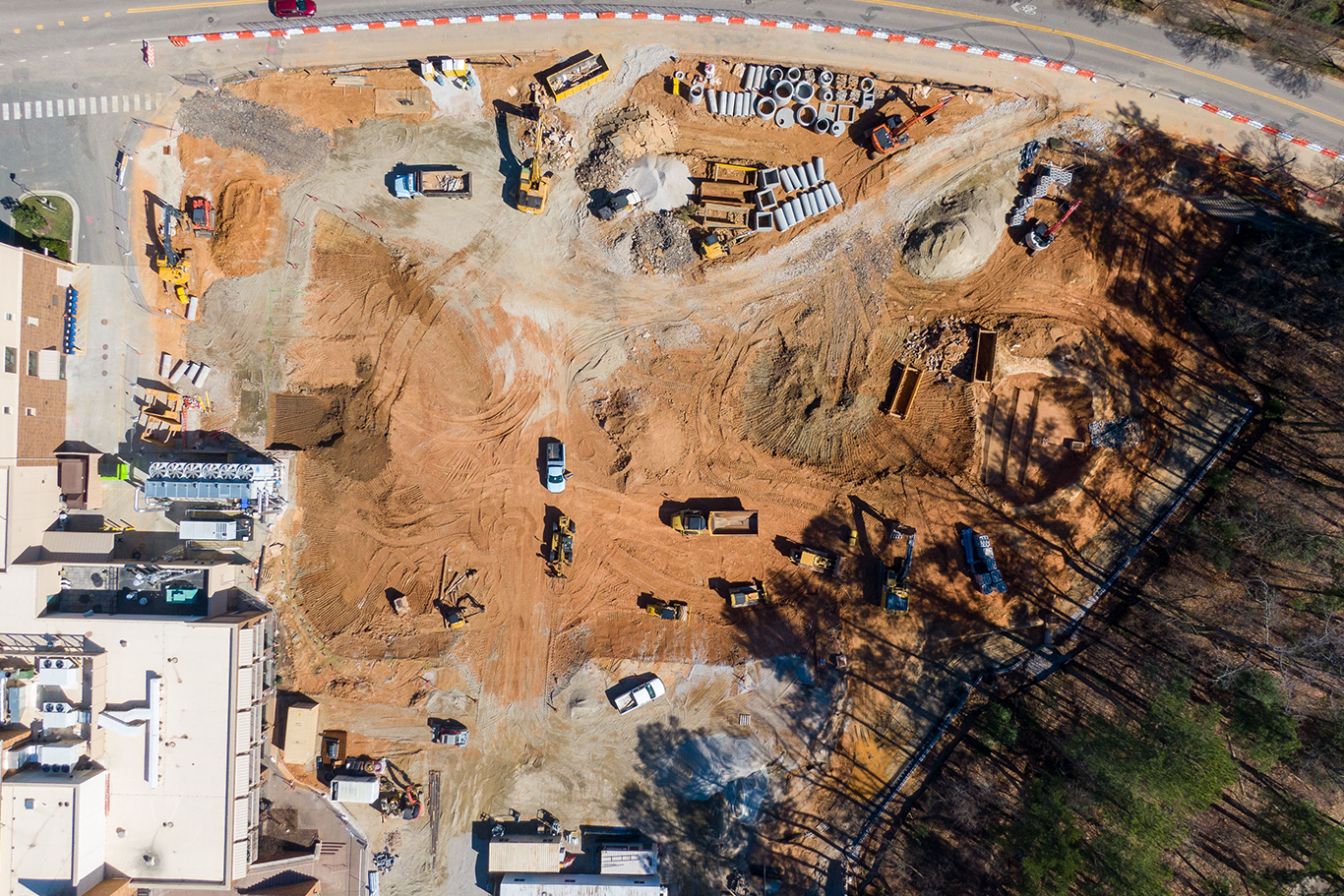
Contractors & Trades
We help contractors protect their tools, vehicles, job sites, and employees with comprehensive insurance solutions. Whether you’re a general contractor, electrician, plumber, or another trade, we provide the coverage you need to keep your projects moving forward safely.
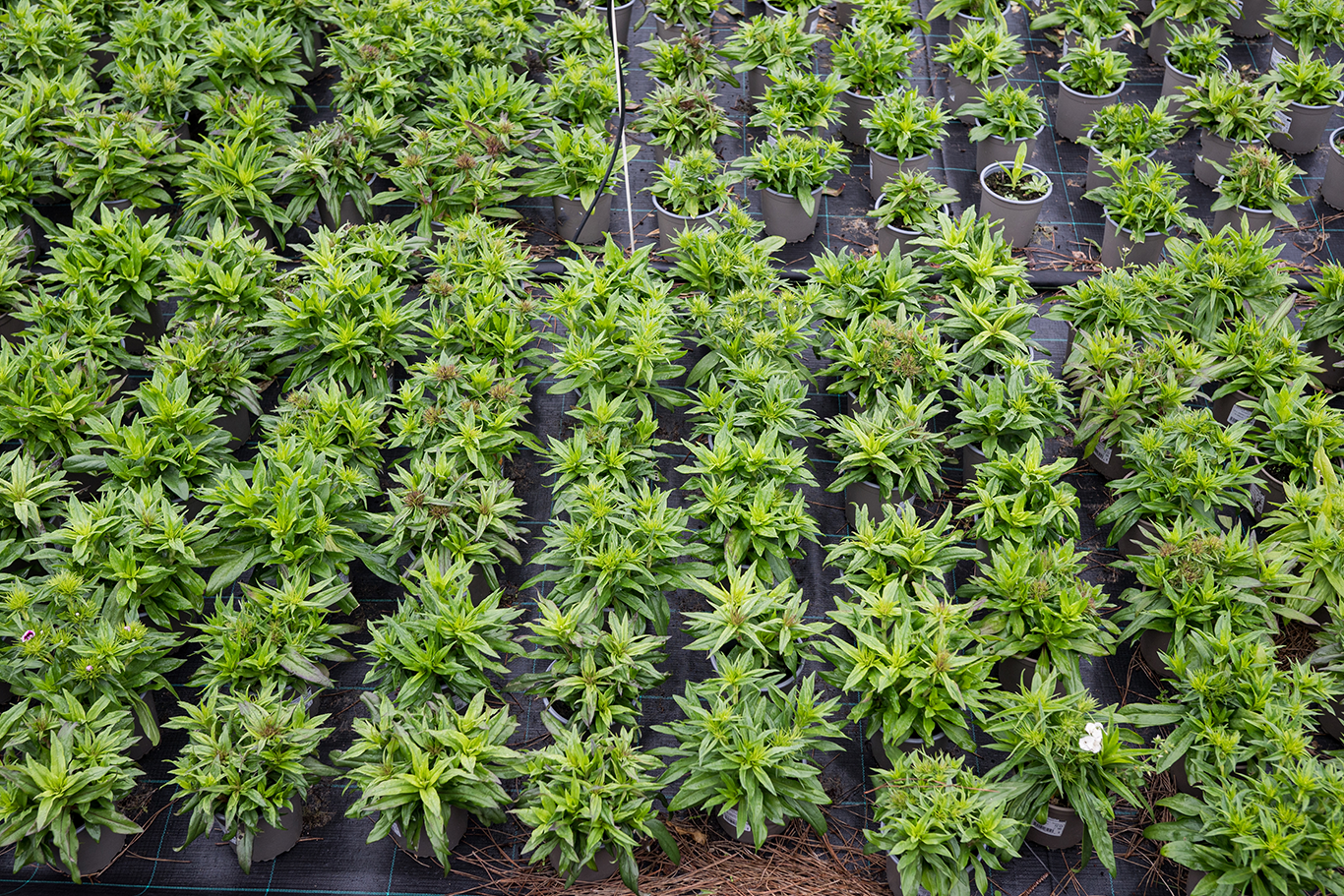
Cannabis Industry
Mosaic specializes in insuring the unique risks of the cannabis industry, including growers, retailers, processors, and delivery services. We understand the compliance challenges you face and work with carriers who can protect every stage of your operation.
Lessor’s Risk (LRO)
If you own a building and lease space to commercial tenants, we help protect your property and liability as a landlord. Our policies safeguard your investment from damages, lawsuits, and other risks that come with leasing commercial real estate.
Frequently Asked Questions
Quick Answers. Trusted Support.
Insurance doesn’t have to be confusing. We’re here to make everything clear, helpful, and hassle-free.
What states is Mosaic Insurance licensed in?
Mosaic is licensed in more than 10 states, including Washington, Oregon, Arizona, California, Texas, Colorado, and more. Our team can help you whether you live locally in WA or operate across multiple state lines.
We’re especially well-equipped to help clients with multi-state businesses, real estate portfolios, or cannabis operations that need compliance-ready coverage in various jurisdictions.
Can I get quotes from multiple carriers through Mosaic?
Yes. As an independent agency, we partner with a wide range of top-rated insurance carriers. That means you’re not locked into just one company’s pricing or coverage limitations.
Our advisors compare quotes for you, break down the differences, and help you choose the plan that fits best—no pressure, just honest advice.
Does Mosaic offer cannabis insurance, and who qualifies?
Absolutely. Mosaic is one of the few agencies with deep experience in cannabis insurance. We offer coverage for dispensaries, cultivators, delivery services, manufacturers, and labs.
If you're in a licensed state and need coverage that meets regulatory requirements, we can help set you up with carriers who understand the cannabis industry’s unique risks.
What can I do through the client portal?
You can use our 24/7 client portal to request policy changes, submit certificates of insurance, and manage your billing. It’s easy to use and always available.
This helps speed up business tasks and gives you full access to your coverage—even outside of regular office hours.
What should I expect after requesting a quote?
Once you request a quote, our team will reach out to gather a few key details. From there, we shop coverage with multiple carriers and return with clear, personalized options.
We make it easy to compare policies, ask questions, and finalize your protection—usually in 24–48 hours.
Can Mosaic help me file a claim?
Yes. Whether it’s an auto accident, property damage, or business-related issue, we’re here to guide you through the claims process. Our team can explain your coverage, contact the carrier, and help get things moving quickly.
We’re your advocate—before, during, and after a claim. You don’t have to go it alone.
Tips, News & Insights
Explore Our Blog