
Top 3 Recommended Policies

By: Jackson Hering
Licensed Personal Insurance Specialist
425-409-2497
Running a fast food restaurant in Washington means juggling fryers, drive-through lanes, delivery drivers, and a rotating crew of employees, often all at once. Each of those moving parts creates a unique insurance exposure that a generic business policy won't fully address. Whether you own a single burger shop in Spokane or manage several franchise locations across the Puget Sound, understanding the insurance coverages specific to
quick-service restaurants in Washington is the difference between surviving a claim and closing your doors. This guide breaks down the essential policies, state-specific mandates, and risk-management strategies that matter most for fast food operators in 2026. From workers' compensation rules you can't opt out of to EPLI protection for high-turnover crews, we'll cover the full picture so you can make confident decisions about your coverage.
Essential Insurance Coverages for Washington Fast Food Owners
Fast food operations face a concentrated set of risks: hot oil, wet floors, heavy foot traffic, and equipment that runs nearly around the clock. A standard business owner's policy (BOP) provides a foundation, but you'll likely need endorsements and standalone policies layered on top. The three coverages below form the backbone of any sound insurance program for a quick-service restaurant.
General Liability and Slip-and-Fall Protection
General liability (GL) is your first line of defense against third-party claims. A customer slips on a freshly mopped floor, bites into something that shouldn't be in their sandwich, or trips over a misplaced wet-floor sign: all of those scenarios trigger a GL claim. Most Washington fast food operators carry at least $1 million per occurrence and $2 million aggregate, though landlords and franchise agreements often require higher limits.
Slip-and-fall injuries are the single most common liability claim we see in quick-service restaurants. Grease tracked from the kitchen to the dining area, ice melt puddles near the entrance during Washington's rainy months, and spilled drinks near self-serve stations all create exposure. Documenting your cleaning schedule and keeping incident reports on file strengthens your position if a claim goes to court.
Commercial Property and Kitchen Equipment Coverage
Your commercial property policy covers the building (if you own it), tenant improvements, furniture, signage, and inventory. But standard property forms often cap or exclude commercial cooking equipment, which is a problem when a single ventilation hood or fryer bank can cost $15,000 to replace.
Equipment breakdown coverage fills that gap. It pays for mechanical or electrical failure of items like walk-in coolers, ice machines, and POS terminals. Washington now requires all new commercial fryers to meet Energy Star 2.0 standards, which means replacement costs are climbing. Make sure your policy's equipment schedule reflects current replacement values, not what you paid five years ago.
Business Interruption for Unexpected Closures
If a kitchen fire or burst pipe forces you to shut down, business interruption (BI) coverage replaces lost income during the closure period. It typically covers ongoing expenses like rent, loan payments, and employee wages while you rebuild.
For fast food restaurants, even a two-week closure can mean tens of thousands in lost revenue. Your BI limit should reflect your actual gross earnings, not a rough estimate. Review this number annually, especially if you've added delivery channels or extended hours that increased your revenue since the policy was written.
Washington State Specific Mandates and Regulations
Washington has some of the strictest employer-side insurance requirements in the country. Ignoring them doesn't just leave you exposed: it triggers penalties and potential criminal liability.
Understanding the Monopolistic Workers' Comp System
Washington is one of a handful of states where private insurers cannot write workers' compensation policies. Coverage must be purchased through the Department of Labor & Industries (L&I). There's no shopping around for a better rate from a national carrier.
L&I implemented an average 4.9% increase in workers' comp premium rates effective January 1, 2026. For restaurants and taverns specifically (risk class 3905), the base rate rose to $0.5126 per hour worked, a 6% jump over 2025. That adds up quickly for a location running 15 employees across multiple shifts.
You can lower your L&I costs through a strong safety record and participation in the Retrospective Rating Program, but you can't avoid the system entirely. Failure to register with L&I before your first employee starts work can result in fines and personal liability for any workplace injuries.
Unemployment Insurance and Paid Family Leave Requirements
Beyond workers' comp, Washington mandates unemployment insurance (UI) contributions and participation in the Paid Family and Medical Leave (PFML) program. Both involve payroll-based premiums shared between employer and employee.
The PFML premium rate for 2026 is 1.13% of gross wages, with employers of fewer than 50 employees exempt from the 28.57% employer share (https://businessinsurancecost.com/by-state/washington). Fast food restaurants with high seasonal turnover tend to see elevated UI rates because former employees file claims more frequently. Tracking your UI experience rating and contesting questionable claims can keep those costs from spiraling.
Comparing Basic vs. Comprehensive Protection Plans
A basic BOP bundles general liability and property coverage at a lower price point, but it leaves significant gaps for fast food operators. The table below highlights where a standard BOP falls short and what specialized endorsements add.
Coverage Comparison Table: Standard BOP vs. Specialized Endorsements
| Coverage Area | Standard BOP | Specialized Endorsement |
|---|---|---|
| General Liability | Included (typically $1M/$2M) | Higher limits, umbrella available |
| Property | Building and contents | Equipment breakdown added |
| Business Interruption | Basic BI included | Extended period, spoilage trigger |
| Food Spoilage | Often excluded or minimal | Standalone spoilage endorsement |
| Delivery Liability | Not included | Hired/non-owned auto policy |
| EPLI | Not included | Standalone or endorsement |
| Cyber Liability | Rarely included | POS breach, ransomware coverage |
| Drive-Through Property | May exclude exterior structures | Named coverage for lanes, signage |
If your operation involves delivery drivers, a drive-through window, or more than a handful of employees, a basic BOP alone isn't enough. The cost difference between a bare-bones package and a properly endorsed program is often only a few hundred dollars per year, a fraction of what a single uncovered claim would cost.
Managing Industry-Specific Risks in Quick Service Restaurants
Fast food insurance in Washington needs to account for risks that don't apply to most other small businesses. Contamination events, delivery vehicle accidents, and wrongful termination suits are all common in this industry.
Food Contamination and Spoilage Coverage
A power outage that lasts six hours can destroy thousands of dollars in frozen inventory. A contamination scare, whether from a supplier recall or an in-house handling error, can force you to discard product and shut down temporarily.
The FDA released the 2026 Food Code with updates on food defense, employee illness reporting, and food safety management, tightening expectations around how restaurants handle contamination events. Your insurance should include a spoilage endorsement that covers inventory loss from equipment failure and a product recall expense endorsement for contamination scenarios. Keep temperature logs and supplier documentation: adjusters will ask for them.
Hired and Non-Owned Auto Liability for Delivery
If your employees use their own cars to deliver orders, your business faces liability exposure even though you don't own those vehicles. A hired and non-owned auto (HNOA) policy covers your business when an employee causes an accident while making a delivery.
This is separate from the driver's personal auto insurance, which may deny claims if the insurer learns the vehicle was being used for commercial purposes. Third-party delivery apps like DoorDash carry their own insurance, but if you also run in-house delivery, you need HNOA coverage. Adding an HNOA endorsement to a policy for small-scale delivery typically costs between $150 and $500 annually (https://www.insureon.com/small-business-insurance/commercial-auto/cost), but the protection is significant.
Employment Practices Liability (EPLI) for High Turnover Staff
Fast food restaurants cycle through employees faster than almost any other industry. That turnover creates friction: disputes over scheduling, allegations of harassment, wrongful termination claims, and wage-and-hour complaints. EPLI covers defense costs and settlements arising from these employment-related claims.
Even a frivolous lawsuit can cost $25,000 or more to defend. EPLI policies typically cover claims from current, former, and prospective employees. Given Washington's strong employee-protection statutes, this coverage is particularly relevant for operators here. Pair it with documented HR practices: written handbooks, consistent disciplinary procedures, and signed acknowledgment forms.
Common Questions About Fast Food Insurance
How much does a typical policy cost in Washington? Coverage prices vary based on your sales volume, location, and number of employees. A basic Business Owner’s Policy (BOP) for a small quick-service restaurant in Washington typically ranges from $2,200 to $5,800 annually (https://www.spokaneinsurance.net/how-much-is-business-insurance-in-washington-state-and-what-do-you-need-covered/), with comprehensive programs running higher depending on endorsements.
Do I need special insurance if I have a drive-thru? Yes. Drive-through lanes increase your liability for vehicle-related accidents on your property, and the window, menu boards, and canopy structures need specific property coverage that a standard BOP may not include.
Does my policy cover food poisoning claims? Most general liability policies include product liability, which covers illnesses caused by food you serve. Limits and exclusions vary by provider, so confirm your policy doesn't carve out contamination-related claims.
Is cyber insurance necessary for a burger joint? If you accept credit cards or use a digital POS system, yes. Cyber insurance protects you if customer payment data is stolen or your system is hit with ransomware. A single breach notification can cost more than a year of cyber premiums.
Should I review my policy mid-year if I add a new revenue stream?
Absolutely. Adding catering, delivery, or late-night hours changes your risk profile. Notify your agent so your limits and endorsements match your actual operations.
Making the Right Choice for Your Franchise
Getting the right insurance for a Washington fast food restaurant isn't about buying the cheapest policy. It's about matching your specific exposures, from fryer breakdowns to employee lawsuits, with the right combination of coverages. Start by documenting your equipment values, annual revenue, payroll totals, and delivery operations. Bring that information to at least two or three independent agents who specialize in restaurant risks, not just general commercial lines.
Washington's monopolistic workers' comp system, rising L&I rates, and strong employee protections make this state more complex than most. A gap in your coverage here doesn't just cost money: it can cost your business. Review your policies annually, update equipment schedules when you replace or upgrade, and don't treat insurance as a set-it-and-forget-it expense. The operators who stay protected are the ones who stay in business.

About The Author:
Jackson Hering
I'm a fourth-generation insurance agent, having learned the business firsthand while working alongside my father. With years of experience passed down through my family, I take pride in combining that legacy knowledge with a modern, client-focused approach. I started my career at a small, family-owned agency and worked my way up, gaining a deep understanding of the industry from the ground up.
Contact Us
Coverage for Everyday Life
Personal Insurance That Works for You
We help individuals and families find coverage that keeps life moving—without overpaying or getting lost in fine print. From auto and home insurance to umbrella and life protection, our licensed team compares options across top-rated carriers to make sure you’re covered the right way, right now.
Auto Insurance
Drive with confidence and coverage that fits your needs.
Home Insurance
Coverage for fire, theft, liability, and more.
Renters Insurance
Affordable protection for your belongings and personal liability.

Boat Insurance
Coverage for watercraft damage, liability, and gear.
Life Insurance
Prepare for the future with term or whole life policies.
Umbrella Insurance
Extra liability protection for life’s bigger risks.
Protect Your Business Without the Guesswork
Business Insurance Built for Stability & Growth
Running a business comes with risk. We help reduce it. Our team builds custom coverage for your needs, including general liability, property, commercial auto, and cyber protection. We’re fast, responsive, and easy to reach—so your insurance is one less thing to worry about.
Industries We Serve
Tailored by Industry
We understand the risks unique to your business—and how to insure against them.
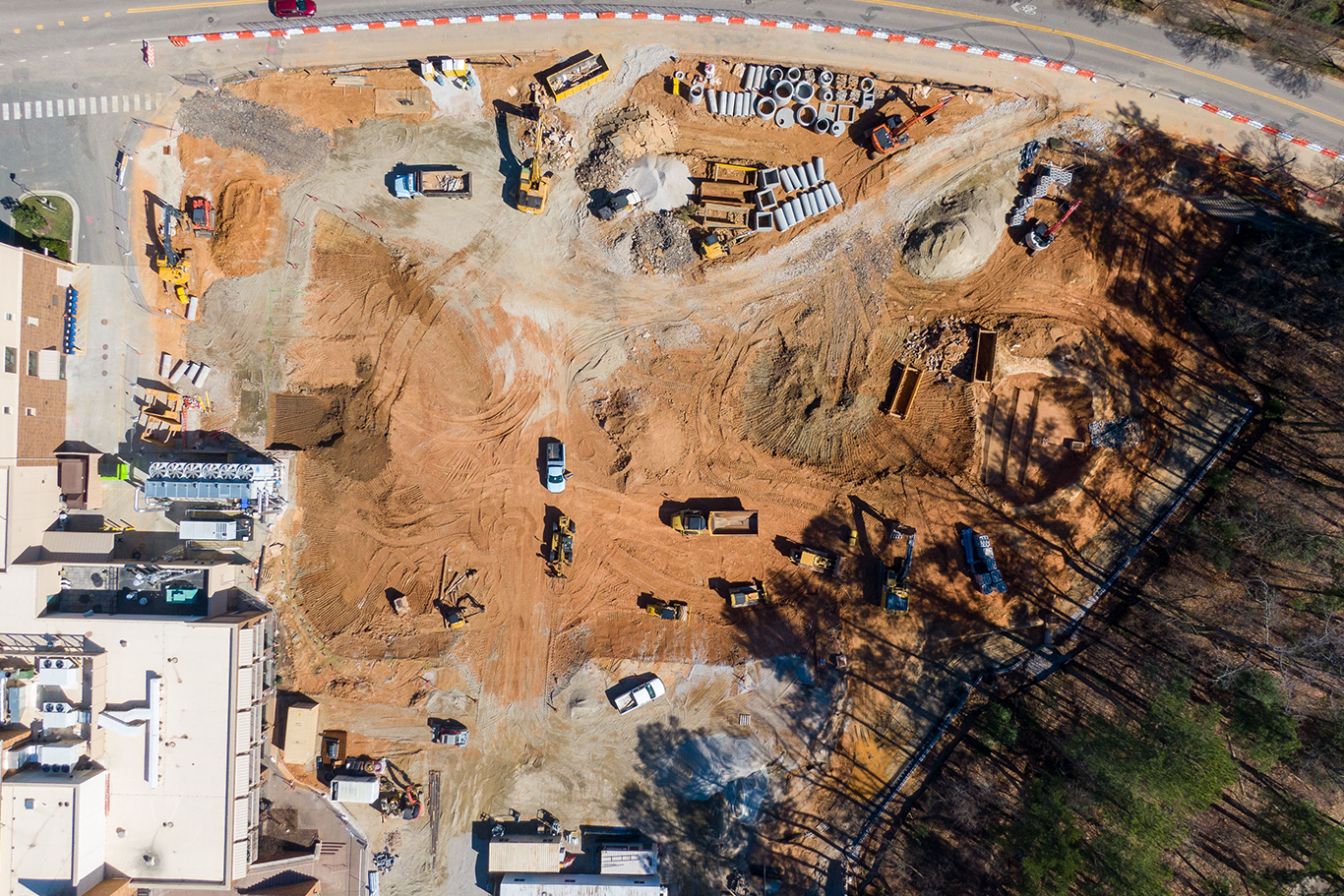
Contractors & Trades
We help contractors protect their tools, vehicles, job sites, and employees with comprehensive insurance solutions. Whether you’re a general contractor, electrician, plumber, or another trade, we provide the coverage you need to keep your projects moving forward safely.
Cannabis Industry
Mosaic specializes in insuring the unique risks of the cannabis industry, including growers, retailers, processors, and delivery services. We understand the compliance challenges you face and work with carriers who can protect every stage of your operation.

Lessor’s Risk (LRO)
If you own a building and lease space to commercial tenants, we help protect your property and liability as a landlord. Our policies safeguard your investment from damages, lawsuits, and other risks that come with leasing commercial real estate.
Frequently Asked Questions
Quick Answers. Trusted Support.
Insurance doesn’t have to be confusing. We’re here to make everything clear, helpful, and hassle-free.
What states is Mosaic Insurance licensed in?
Mosaic is licensed in more than 10 states, including Washington, Oregon, Arizona, California, Texas, Colorado, and more. Our team can help you whether you live locally in WA or operate across multiple state lines.
We’re especially well-equipped to help clients with multi-state businesses, real estate portfolios, or cannabis operations that need compliance-ready coverage in various jurisdictions.
Can I get quotes from multiple carriers through Mosaic?
Yes. As an independent agency, we partner with a wide range of top-rated insurance carriers. That means you’re not locked into just one company’s pricing or coverage limitations.
Our advisors compare quotes for you, break down the differences, and help you choose the plan that fits best—no pressure, just honest advice.
Does Mosaic offer cannabis insurance, and who qualifies?
Absolutely. Mosaic is one of the few agencies with deep experience in cannabis insurance. We offer coverage for dispensaries, cultivators, delivery services, manufacturers, and labs.
If you're in a licensed state and need coverage that meets regulatory requirements, we can help set you up with carriers who understand the cannabis industry’s unique risks.
What can I do through the client portal?
You can use our 24/7 client portal to request policy changes, submit certificates of insurance, and manage your billing. It’s easy to use and always available.
This helps speed up business tasks and gives you full access to your coverage—even outside of regular office hours.
What should I expect after requesting a quote?
Once you request a quote, our team will reach out to gather a few key details. From there, we shop coverage with multiple carriers and return with clear, personalized options.
We make it easy to compare policies, ask questions, and finalize your protection—usually in 24–48 hours.
Can Mosaic help me file a claim?
Yes. Whether it’s an auto accident, property damage, or business-related issue, we’re here to guide you through the claims process. Our team can explain your coverage, contact the carrier, and help get things moving quickly.
We’re your advocate—before, during, and after a claim. You don’t have to go it alone.
Tips, News & Insights
Explore Our Blog