
Top 3 Recommended Policies

By: Jackson Hering
Licensed Personal Insurance Specialist
425-409-2497
Running a fast casual restaurant in Washington means juggling high customer volumes, tight margins, and a web of state-specific regulations that don't leave much room for error. Whether you're operating a poke bowl counter in Seattle or a build-your-own-burrito spot in Spokane, the risks you face are distinct from those of a full-service sit-down restaurant. Your insurance needs to reflect that reality.
This guide covers the insurance essentials for Washington's
fast casual operators: counter service liability, online ordering and delivery exposures, equipment breakdown, food spoilage, cyber threats, and employee protections. Getting the right coverage isn't just about checking a box. It's about protecting the business you've built from the specific threats most likely to hit your bottom line.
Risk Management for Washington Fast Casual Restaurants
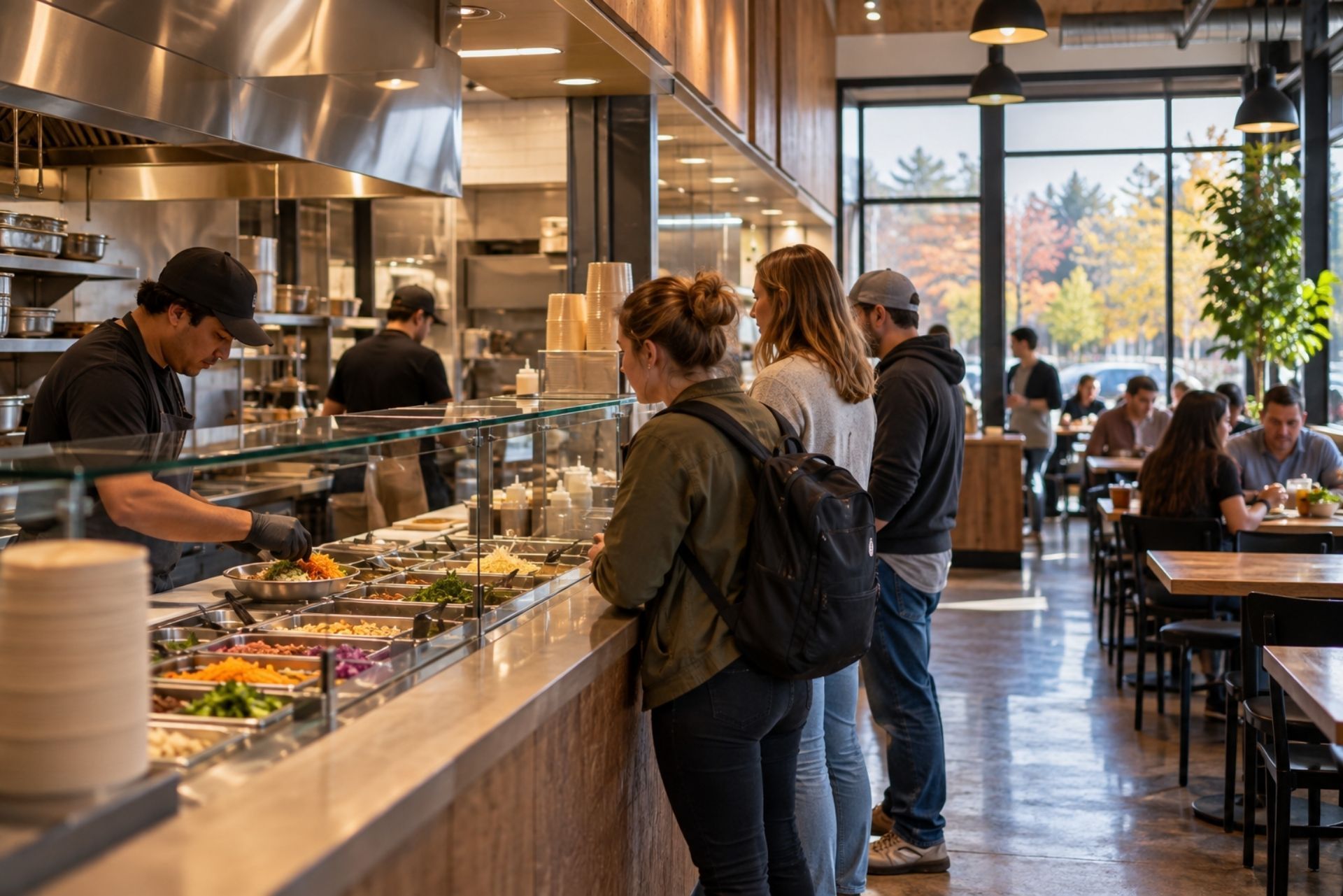
Fast casual concepts thrive on speed and volume, but those same traits create distinct exposures. A single lunch rush might push 200 customers through your doors in 90 minutes. That's 200 chances for a slip on a wet floor, a burn from a self-serve soup station, or an allergic reaction to an unlabeled ingredient. The pace of service means your team is moving fast, and mistakes happen under pressure.
Your physical space matters too. Counter service layouts funnel customers into tight queues near hot food prep areas. Self-serve drink stations create spill zones. Outdoor patios in cities like Tacoma or Bellevue add weather-related hazards. Each of these features shapes your risk profile and, by extension, your insurance needs.
High-Volume Foot Traffic Risks
The math is straightforward: more customers per square foot means more potential claims. Fast casual restaurants typically see higher customer density than full-service dining rooms, and that density concentrates risk. Slip-and-fall claims remain the most common general liability trigger for counter service restaurants. A customer who trips over a wet-floor sign during a packed Friday lunch can generate a claim that costs tens of thousands of dollars.
Burns from open food lines, cuts from condiment station lids, and injuries from crowded seating areas round out the top incident types. Documenting your cleaning schedules, maintaining incident logs, and training staff on hazard response aren't just good practice. They directly affect your claims history and premium costs.
Washington State Regulatory Requirements
Washington runs its own workers' compensation system through the Department of Labor & Industries, and there's no opting out. Every employee on your payroll must be covered from day one. The state has proposed a 4.9% average increase in workers' comp premium rates for 2027, which would add roughly $1.44 per week per full-time employee to your costs.
Minimum wage mandates vary sharply by city. In 2026, Bellingham requires $19.13/hour, Burien reaches up to $21.63/hour, and Everett tops out at $20.77/hour, as outlined in
local minimum wage rate schedules. These wage levels directly affect your payroll-based insurance premiums and your overtime exemption thresholds. To remain exempt from overtime in Washington, employees must earn at least $1,541.70 per week, or $80,168.40 annually.
Essential Coverage Types for Counter Service Dining
A fast casual restaurant insurance policy in Washington needs to address risks that traditional restaurant policies sometimes overlook. Counter service, digital ordering, and in-house delivery each introduce exposures that require specific endorsements or standalone policies.
General Liability and Property Protection
General liability is your foundation. It covers third-party bodily injury, property damage, and personal injury claims. For a counter service operation, you'll want limits of at least $1 million per occurrence and $2 million aggregate. Your landlord will likely require proof of these limits before you sign a lease.
Property coverage protects your physical assets: your build-out, kitchen equipment, furniture, signage, and inventory. Make sure your policy covers replacement cost rather than actual cash value. A five-year-old combi oven that costs $18,000 to replace might only be valued at $6,000 under an actual cash value policy. That gap can cripple a small operation after a fire or flood. Equipment breakdown coverage is a separate endorsement worth adding, since commercial kitchen equipment failures from electrical surges, mechanical wear, or refrigeration compressor failures aren't typically covered under standard property policies.
Liquor Liability for Beer and Wine Sales
Many fast casual spots in Washington serve beer, wine, or both. If you hold a liquor license, you need liquor liability coverage. Washington's dram shop laws can hold you responsible if an intoxicated customer causes harm after being served at your establishment.
Standard general liability policies exclude alcohol-related claims. A separate liquor liability policy or endorsement fills that gap. Premiums depend on your alcohol sales as a percentage of total revenue. If beer and wine account for less than 15% of your sales, you'll typically pay less than a bar or brewery taproom, but skipping this coverage entirely is a serious mistake.
Cyber Insurance for Digital Ordering Systems
If you accept online orders, run a loyalty app, or store customer payment data, you're a target. Business email compromise attacks against businesses increased 15% in 2025, with the average loss per incident climbing to $137,000 by early 2026. Fast casual restaurants are particularly vulnerable because they process high transaction volumes through POS systems, third-party ordering platforms, and mobile payment apps.
Cyber insurance covers breach notification costs, forensic investigation, credit monitoring for affected customers, regulatory fines, and business interruption from a cyberattack. Industry reports for 2026 indicate that small businesses under $1M in revenue typically pay $1,200 to $2,400 annually for $1M in coverage, depending on your transaction volume and data handling practices. Given the average loss figures, that's a straightforward return on investment.
https://www.proinsgrp.com/business/cyber-liability-insurance/cost/
Comparing Basic vs. Comprehensive Restaurant Policies
Not every policy is built the same. A bare-bones business owner's policy might check the box for your landlord, but it can leave dangerous gaps in coverage. Here's how a basic policy stacks up against a more complete package for a Washington fast casual operation.
Coverage Comparison Table
| Coverage Type | Basic BOP | Comprehensive Policy |
|---|---|---|
| General Liability | Included | Included with higher limits |
| Property (Building Contents) | Included | Replacement cost basis |
| Equipment Breakdown | Not included | Included as endorsement |
| Food Spoilage | Not included or minimal | Covered (power outage, mechanical failure) |
| Liquor Liability | Not included | Available as endorsement |
| Cyber Liability | Not included | Standalone or endorsement |
| Hired/Non-Owned Auto | Not included | Included for delivery drivers |
| Employment Practices (EPLI) | Not included | Available as endorsement |
| Business Interruption | Basic (named perils only) | Broad form, includes utility failure |
The price difference between basic and comprehensive coverage is often smaller than restaurant owners expect. A comprehensive policy might cost 20-30% more than a bare-bones BOP, but it covers exposures that could otherwise shut your doors permanently.
Mandatory Washington State Employee Protections
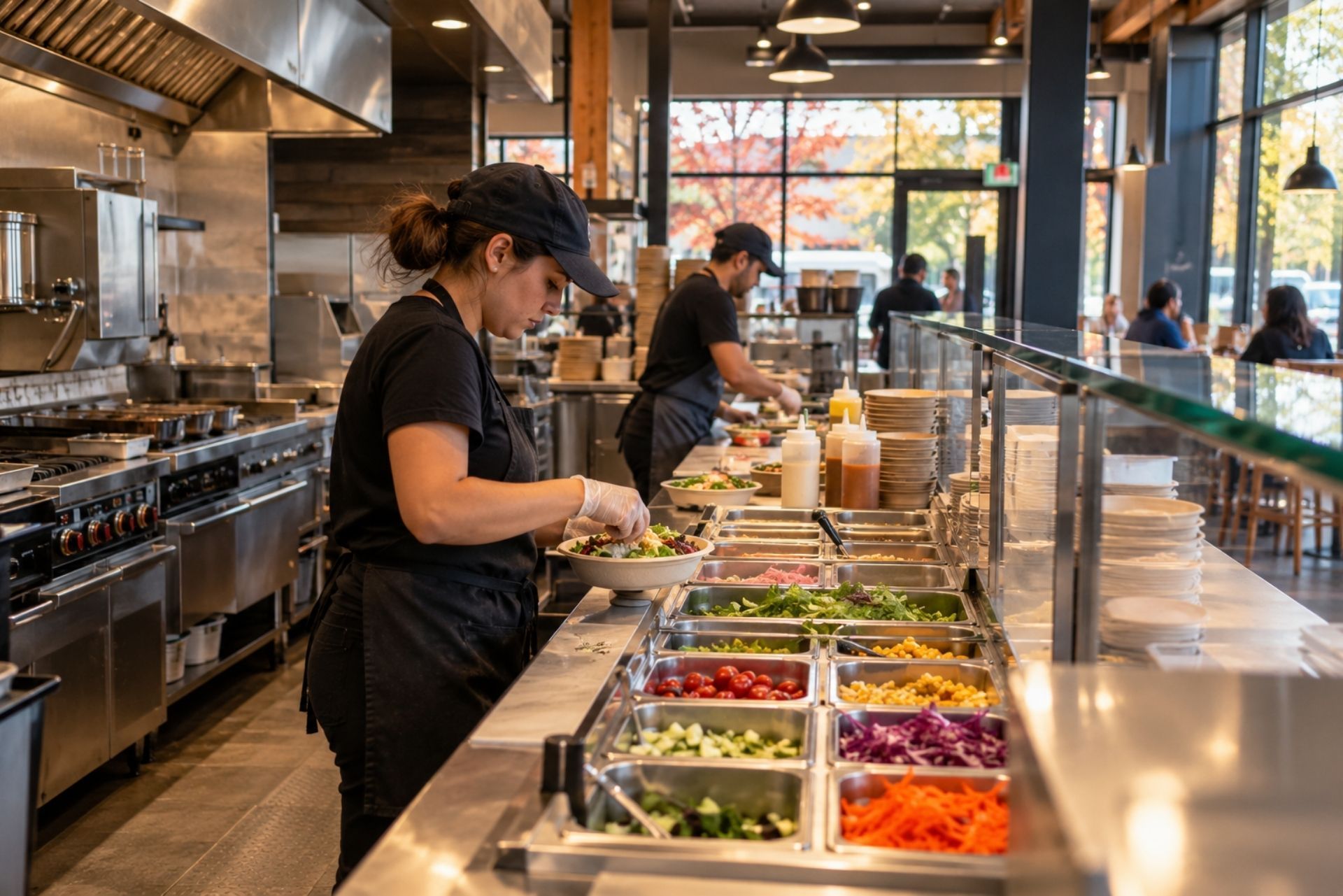
Washington is one of the strictest states for employee protections, and fast casual operators need to understand their obligations clearly.
L&I Workers' Comp Standards
Washington's workers' compensation system is state-run, meaning you can't shop for private carriers. You pay premiums directly to L&I based on your risk classification and payroll. Restaurant workers fall into risk classes that reflect kitchen hazards, burns, cuts, and repetitive motion injuries.
The proposed 2027 rate increase of 4.9% signals that costs are trending upward. Your experience modification rate, which reflects your claims history, can push your premiums higher or lower than the base rate. Keeping a clean safety record and investing in training pays off directly through lower premiums over time.
One wrinkle for restaurants using third-party delivery drivers: Washington's 2023 transportation network company laws provided protections for rideshare drivers, but food and goods delivery drivers remain excluded from many state-mandated workers' comp protections. If you use your own employees for delivery, they're covered. If you rely on gig-platform drivers, the liability picture gets murkier, and you may need hired and non-owned auto coverage to fill the gap.
Employment Practices Liability Insurance (EPLI)
With minimum wages varying by city and overtime exemption thresholds set high, wage-and-hour disputes are a real risk for Washington fast casual operators. EPLI covers claims of wrongful termination, discrimination, harassment, and wage violations. These claims don't require a lawsuit to get expensive. Even a state agency investigation can consume thousands in legal fees and management time.
For a restaurant with 15-30 employees, EPLI premiums are influenced by the fact that restaurants are classified as "high-risk" for this coverage. That's modest compared to the cost of defending even a single employment claim; if a case proceeds to trial, defense costs frequently range from $175,000 to $250,000.
https://theinsurancekitchen.com/insurance-coverages/employment-practices-liability-insurance/
https://www.novianlaw.com/the-average-cost-to-defend-an-employment-lawsuit/
Common Questions About Insuring Your Eatery
FAQ: Do I need insurance before I open for business?
Yes. Your landlord will require a certificate of insurance before handing over the keys, and Washington's L&I workers' comp coverage must be active before your first employee starts work. Most cities also require proof of general liability before issuing a business license.
FAQ: How much does a typical policy cost in Seattle vs. Spokane?
Premiums in Seattle tend to run higher due to property values, higher payroll costs driven by local minimum wage laws, and greater exposure to liability claims in dense urban areas. A comparable fast casual operation in Spokane might pay 15-25% less for similar coverage limits, though exact figures depend on your revenue, square footage, and claims history.
FAQ: Does my policy cover food spoilage during a power outage?
A standard BOP usually doesn't. You'll need a spoilage endorsement or a comprehensive policy that specifically covers loss of perishable goods due to power failure, equipment breakdown, or refrigeration malfunction. Given Washington's winter storms and occasional grid disruptions, this endorsement is worth every dollar for restaurants carrying significant fresh inventory.
FAQ: What happens if a customer gets sick from my food?
Your general liability policy should cover foodborne illness claims, including medical expenses and legal defense costs. The key is having adequate limits. A single norovirus outbreak affecting multiple customers can generate claims that exceed a $500,000 policy limit quickly. We recommend at least $1 million per occurrence for any food service operation.
Before You Buy a Policy
Getting the right fast casual restaurant insurance in Washington starts with an honest assessment of your specific exposures. Document your equipment values, annual revenue, payroll by location, delivery operations, and digital ordering systems. Bring that information to at least three agents, including one who specializes in restaurant coverage, and compare not just price but coverage terms.
Don't treat insurance as a set-it-and-forget-it expense. Review your policy at least twice a year, especially if you've added a new location, started delivery service, launched an online ordering platform, or made significant equipment purchases. Seasonal inventory swings can also leave you underinsured if your limits don't reflect peak stock levels.
The fast casual model in Washington rewards operators who move quickly, and the same principle applies to risk management. Get your coverage right before a claim forces you to find out what you're missing.

About The Author:
Jackson Hering
I'm a fourth-generation insurance agent, having learned the business firsthand while working alongside my father. With years of experience passed down through my family, I take pride in combining that legacy knowledge with a modern, client-focused approach. I started my career at a small, family-owned agency and worked my way up, gaining a deep understanding of the industry from the ground up.
Contact Us
Coverage for Everyday Life
Personal Insurance That Works for You
We help individuals and families find coverage that keeps life moving—without overpaying or getting lost in fine print. From auto and home insurance to umbrella and life protection, our licensed team compares options across top-rated carriers to make sure you’re covered the right way, right now.
Auto Insurance
Drive with confidence and coverage that fits your needs.
Home Insurance
Coverage for fire, theft, liability, and more.
Renters Insurance
Affordable protection for your belongings and personal liability.

Boat Insurance
Coverage for watercraft damage, liability, and gear.
Life Insurance
Prepare for the future with term or whole life policies.
Umbrella Insurance
Extra liability protection for life’s bigger risks.
Protect Your Business Without the Guesswork
Business Insurance Built for Stability & Growth
Running a business comes with risk. We help reduce it. Our team builds custom coverage for your needs, including general liability, property, commercial auto, and cyber protection. We’re fast, responsive, and easy to reach—so your insurance is one less thing to worry about.
Industries We Serve
Tailored by Industry
We understand the risks unique to your business—and how to insure against them.
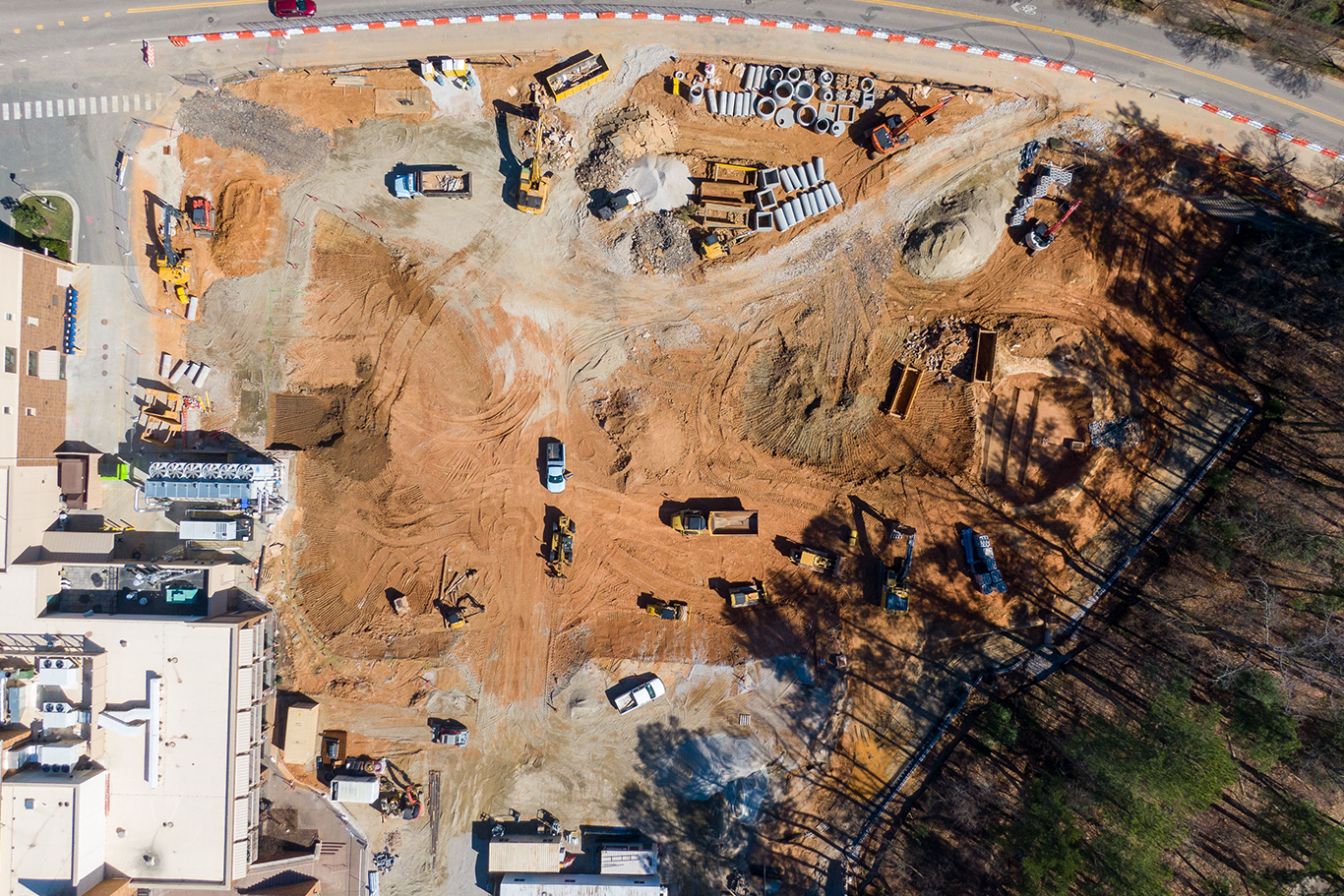
Contractors & Trades
We help contractors protect their tools, vehicles, job sites, and employees with comprehensive insurance solutions. Whether you’re a general contractor, electrician, plumber, or another trade, we provide the coverage you need to keep your projects moving forward safely.
Cannabis Industry
Mosaic specializes in insuring the unique risks of the cannabis industry, including growers, retailers, processors, and delivery services. We understand the compliance challenges you face and work with carriers who can protect every stage of your operation.

Lessor’s Risk (LRO)
If you own a building and lease space to commercial tenants, we help protect your property and liability as a landlord. Our policies safeguard your investment from damages, lawsuits, and other risks that come with leasing commercial real estate.

Frequently Asked Questions
Quick Answers. Trusted Support.
Insurance doesn’t have to be confusing. We’re here to make everything clear, helpful, and hassle-free.
What states is Mosaic Insurance licensed in?
Mosaic is licensed in more than 10 states, including Washington, Oregon, Arizona, California, Texas, Colorado, and more. Our team can help you whether you live locally in WA or operate across multiple state lines.
We’re especially well-equipped to help clients with multi-state businesses, real estate portfolios, or cannabis operations that need compliance-ready coverage in various jurisdictions.
Can I get quotes from multiple carriers through Mosaic?
Yes. As an independent agency, we partner with a wide range of top-rated insurance carriers. That means you’re not locked into just one company’s pricing or coverage limitations.
Our advisors compare quotes for you, break down the differences, and help you choose the plan that fits best—no pressure, just honest advice.
Does Mosaic offer cannabis insurance, and who qualifies?
Absolutely. Mosaic is one of the few agencies with deep experience in cannabis insurance. We offer coverage for dispensaries, cultivators, delivery services, manufacturers, and labs.
If you're in a licensed state and need coverage that meets regulatory requirements, we can help set you up with carriers who understand the cannabis industry’s unique risks.
What can I do through the client portal?
You can use our 24/7 client portal to request policy changes, submit certificates of insurance, and manage your billing. It’s easy to use and always available.
This helps speed up business tasks and gives you full access to your coverage—even outside of regular office hours.
What should I expect after requesting a quote?
Once you request a quote, our team will reach out to gather a few key details. From there, we shop coverage with multiple carriers and return with clear, personalized options.
We make it easy to compare policies, ask questions, and finalize your protection—usually in 24–48 hours.
Can Mosaic help me file a claim?
Yes. Whether it’s an auto accident, property damage, or business-related issue, we’re here to guide you through the claims process. Our team can explain your coverage, contact the carrier, and help get things moving quickly.
We’re your advocate—before, during, and after a claim. You don’t have to go it alone.
Tips, News & Insights
Explore Our Blog