
Top 3 Recommended Policies

By: Jackson Hering
Licensed Personal Insurance Specialist
425-409-2497
Running a family-style restaurant in Washington means juggling tight margins, high foot traffic, and a kitchen that never really cools down. A single slip-and-fall lawsuit or a norovirus outbreak traced to your buffet line can wipe out a year's profit overnight. The right insurance package isn't just a regulatory checkbox: it's the difference between recovering from a crisis and closing your doors for good.
Washington has its own rules around workers' compensation, liquor service, and food safety that directly shape what coverage you need and what it costs. With the state's minimum wage now at $17.13 per hour (and $21.30 in Seattle), payroll-driven premiums hit harder here than in most states. Family-style restaurants face a unique mix of risks, too. Large shared platters, high table turnover, kids running between booths, and increasingly popular delivery options all create exposure that a bare-bones policy won't cover.
This guide walks through the essential coverage types for Washington family-style restaurants: general liability, property, foodborne illness, delivery, workers' compensation, and umbrella policies. Whether you're opening your first location in Spokane or renewing a policy for your established Tacoma spot, you'll find specific, practical guidance below.
Core Insurance Requirements for Washington State Restaurants
Every restaurant in Washington needs a baseline of protection before the first plate hits the table. The state mandates certain coverages, and lenders or landlords typically require others. Getting these wrong, or skipping them entirely, creates legal and financial exposure that can snowball fast.
General Liability for Customer Injuries and Slip-and-Falls
General liability (GL) is the foundation of any restaurant insurance program. It covers third-party bodily injury, property damage, and personal injury claims. Think of a guest who slips on a wet floor near the salad bar or a child who burns their hand on a hot serving dish. These claims are common in family-style restaurants because of the high volume of guests, including children and elderly diners who are more prone to injury.
Most family-style operators carry $1 million per occurrence and $2 million aggregate. But median "nuclear verdicts" have climbed to $51 million, which means those standard limits may not be enough for high-traffic establishments. Liability pricing also continues to face upward pressure, with litigation conversion rates doubling in recent years. If your restaurant seats 150 or more, discuss higher limits with your agent.
Washington Labor & Industries (L&I) Workers' Comp Rules
Washington is one of four states that runs a monopolistic workers' compensation fund through the Department of Labor & Industries. You can't buy workers' comp from a private insurer here: all premiums go through L&I. This is non-negotiable. Every employee, from your head chef to your part-time busser, must be covered from day one.
The state adopted a 4.9% average increase in workers' comp premium rates for 2026, with a maximum time-loss rate of $9,981.00 per month effective July 1, 2026. Restaurant risk classes typically carry higher rates than office jobs because of burns, cuts, and repetitive motion injuries. Keeping your experience modification rate low through documented safety training and prompt claim reporting is one of the best ways to control these costs.
Commercial Property Coverage for Kitchens and Dining Areas
Your building, kitchen equipment, furniture, signage, and inventory all need property coverage. One thing many owners overlook: insurers are placing a heavy emphasis on "valuation adequacy" because construction material costs in 2026 are roughly 42% higher than six years ago. If your policy still reflects 2020 replacement values, you're underinsured.
A commercial range, walk-in cooler, and hood system alone can run $80,000 to $150,000 to replace. Make sure your policy covers equipment breakdown, not just fire or theft. Review your property limits annually, especially if you've renovated or added equipment. Seasonal inventory swings, like stocking up for holiday catering, can also push you past your coverage ceiling if you don't adjust mid-term.
Specific Risks for Family-Style Establishments
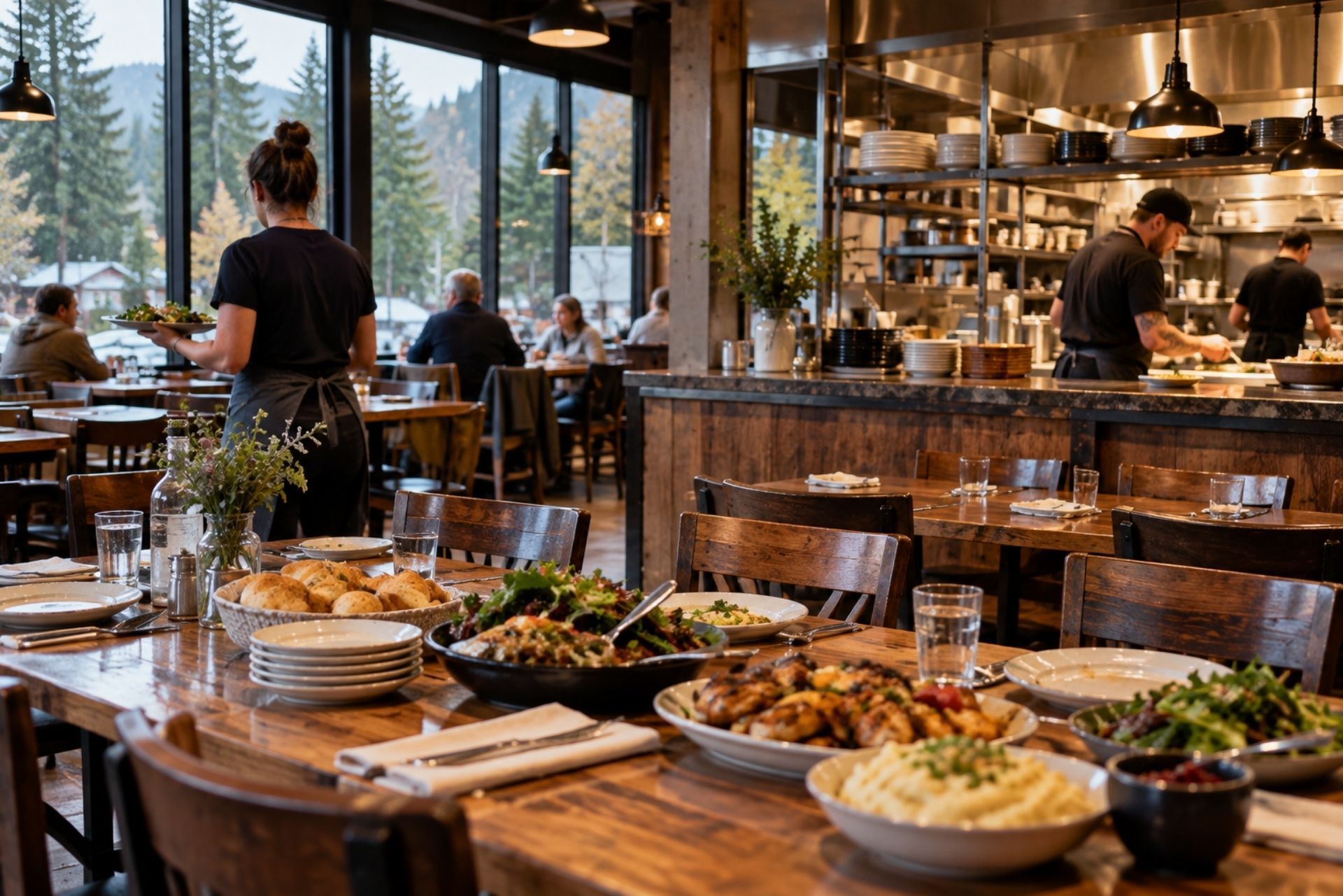
Family-style restaurants create exposure that quick-service or fine-dining spots don't share. Communal platters, beer and wine menus, and delivery drivers all introduce distinct liability scenarios.
Liquor Liability for Beer and Wine Service
If you serve alcohol, even just beer and wine, you need liquor liability coverage. Washington's dram shop laws hold establishments responsible for serving visibly intoxicated guests who then cause harm. A family-style restaurant might not think of itself as a "bar," but a single over-served patron who causes a car accident can generate a claim well into six figures.
Liquor liability is typically excluded from standard GL policies and must be added as an endorsement or purchased separately. Premiums depend on your alcohol-to-food sales ratio. Train your servers in MAST (Mandatory Alcohol Server Training), which Washington requires, and document that training. Insurers reward it.
Food Contamination and Spoilage Protection
A foodborne illness outbreak is one of the most financially devastating events a restaurant can face. A single outbreak can cost up to 101% of a restaurant's annual profit when you factor in legal fees, settlements, and reputation damage. Family-style service, where large shared dishes sit at the table longer than individually plated meals, increases the window for temperature abuse.
Here's a critical gap many owners miss: standard policies typically cover third-party illness claims, but they exclude the costs of decontamination, stock replacement, and mandatory closures following an outbreak. You need a specific food contamination endorsement or a standalone spoilage policy. These cover lost inventory from power outages or equipment failure, too, which matters if your walk-in fails on a Friday night loaded with weekend prep.
Hired and Non-Owned Auto for Delivery Services
If your restaurant offers delivery through your own drivers or employees using personal vehicles, you need hired and non-owned auto (HNOA) coverage. Your commercial GL policy won't cover an accident that happens in a car. And your driver's personal auto policy almost certainly excludes commercial use.
HNOA fills that gap. It covers liability when employees drive their own cars for business purposes or when you rent a vehicle for catering deliveries. If you use third-party delivery apps, check whether the platform's insurance actually covers your restaurant or just the driver. In many cases, there's a gap that leaves you exposed if a customer gets injured by contaminated food delivered through the app.
Comparing Standard vs. Enhanced Restaurant Policies
Not all restaurant policies are created equal. A basic Business Owner's Policy (BOP) bundles GL and property coverage at a lower cost, but it leaves significant gaps for restaurants with complex operations.
Comparison Chart: Basic BOP vs. Comprehensive Coverage
| Coverage Area | Basic BOP | Comprehensive Policy |
|---|---|---|
| General Liability | $1M per occurrence | $1M-$2M per occurrence |
| Property | Building and contents at stated value | Replacement cost with equipment breakdown |
| Liquor Liability | Excluded | Included as endorsement |
| Food Contamination | Third-party illness only | Includes decontamination, closure, spoilage |
| Hired/Non-Owned Auto | Excluded | Included |
| Umbrella | Not included | $1M-$5M excess layer |
| Business Interruption | Basic (limited days) | Extended with civil authority coverage |
| Employment Practices | Excluded | Optional endorsement |
For a single-location family restaurant doing $800,000 to $1.5 million in annual revenue, a comprehensive insurance program including liquor liability, umbrella, and equipment breakdown is estimated to cost between $7,000 and $15,000+ annually. That's a modest cost compared to the exposure it eliminates.
Your premium isn't a fixed number pulled from a chart. Several variables push it up or down, and understanding them gives you real negotiating power.
Location Impact: Seattle vs. Rural Washington Counties
A family-style restaurant in Capitol Hill or Belltown will pay significantly more than the same operation in Ellensburg or Walla Walla. Higher property values, more pedestrian traffic, greater litigation risk, and Seattle's $21.30 minimum wage all inflate premiums. Payroll is a direct multiplier for both GL and workers' comp calculations.
That said, hospitality properties in favorable geographies are seeing premium reductions of 15% to 25% in 2026 due to increased global insurance capacity and a moderate 2025 storm season. If your restaurant is in a lower-risk area, shop aggressively this renewal cycle. You may find better rates than you've seen in years.
Safety Protocols and Claims History
Your experience modification rate and claims history are the two biggest controllable factors. Restaurants with documented safety programs, regular equipment maintenance logs, and HACCP-based food safety plans consistently get better rates. If you've had zero workers' comp claims for three or more years, ask about retro refund programs through Washington's L&I system.
Install slip-resistant flooring in the kitchen, keep burn kits at every station, and train staff quarterly. Insurers look at these details. A restaurant that can show a binder of safety documentation during an underwriting review signals lower risk, and that translates directly to lower premiums.
Common Questions About Insuring Your Eatery
Do I need insurance before I open, or can I add it later? You need coverage in place before you open. Your landlord, lender, and local health department will all require proof of insurance before you get keys or permits. Don't wait.
Is workers' comp really mandatory if I only have two employees? Yes. Washington requires workers' comp coverage for every employee, regardless of how small your staff is. There's no minimum headcount exemption.
Does my policy cover catering events off-site? Most GL policies extend to off-premises events, but confirm with your agent. Some policies limit off-site coverage or require a separate endorsement for catering at private venues.
What happens if my walk-in cooler fails and I lose $5,000 in food? A standard property policy may not cover spoilage from equipment breakdown. You need either an equipment breakdown endorsement or a specific spoilage rider to cover lost inventory.
How often should I review my coverage? At least annually, and any time you make a major change: adding delivery, hiring more staff, expanding your dining room, or starting catering. Mid-term adjustments prevent dangerous coverage gaps.
Can I bundle all my coverage with one carrier? Often, yes. Bundling GL, property, and additional endorsements into a single package (sometimes called a restaurant-specific BOP) usually costs less than buying each policy separately. But always compare bundled pricing against standalone quotes from specialty carriers.
Making the Right Choice for Your Family Business
Protecting your family-style restaurant in Washington requires more than just meeting the legal minimums. A bare-bones policy leaves you exposed to the exact risks that are most likely to hit: foodborne illness claims, delivery accidents, liquor-related incidents, and underinsured property losses.
Start by documenting your full exposure: total payroll, equipment replacement values, annual revenue, alcohol sales percentage, and delivery operations. Bring that information to at least three agents, including at least one who specializes in restaurant insurance. Compare not just premiums but coverage terms, exclusions, and deductibles.
The margins in this business are thin. One industry estimate puts annual profit for a $1 million restaurant at roughly $16,000. A single uninsured claim can erase years of work. The right insurance package won't just protect your building and your bank account: it protects the family legacy you're building, one shared meal at a time.

About The Author:
Jackson Hering
I'm a fourth-generation insurance agent, having learned the business firsthand while working alongside my father. With years of experience passed down through my family, I take pride in combining that legacy knowledge with a modern, client-focused approach. I started my career at a small, family-owned agency and worked my way up, gaining a deep understanding of the industry from the ground up.
Contact Us
Coverage for Everyday Life
Personal Insurance That Works for You
We help individuals and families find coverage that keeps life moving—without overpaying or getting lost in fine print. From auto and home insurance to umbrella and life protection, our licensed team compares options across top-rated carriers to make sure you’re covered the right way, right now.
Auto Insurance
Drive with confidence and coverage that fits your needs.
Home Insurance
Coverage for fire, theft, liability, and more.
Renters Insurance
Affordable protection for your belongings and personal liability.

Boat Insurance
Coverage for watercraft damage, liability, and gear.
Life Insurance
Prepare for the future with term or whole life policies.
Umbrella Insurance
Extra liability protection for life’s bigger risks.
Protect Your Business Without the Guesswork
Business Insurance Built for Stability & Growth
Running a business comes with risk. We help reduce it. Our team builds custom coverage for your needs, including general liability, property, commercial auto, and cyber protection. We’re fast, responsive, and easy to reach—so your insurance is one less thing to worry about.
Industries We Serve
Tailored by Industry
We understand the risks unique to your business—and how to insure against them.
Contractors & Trades
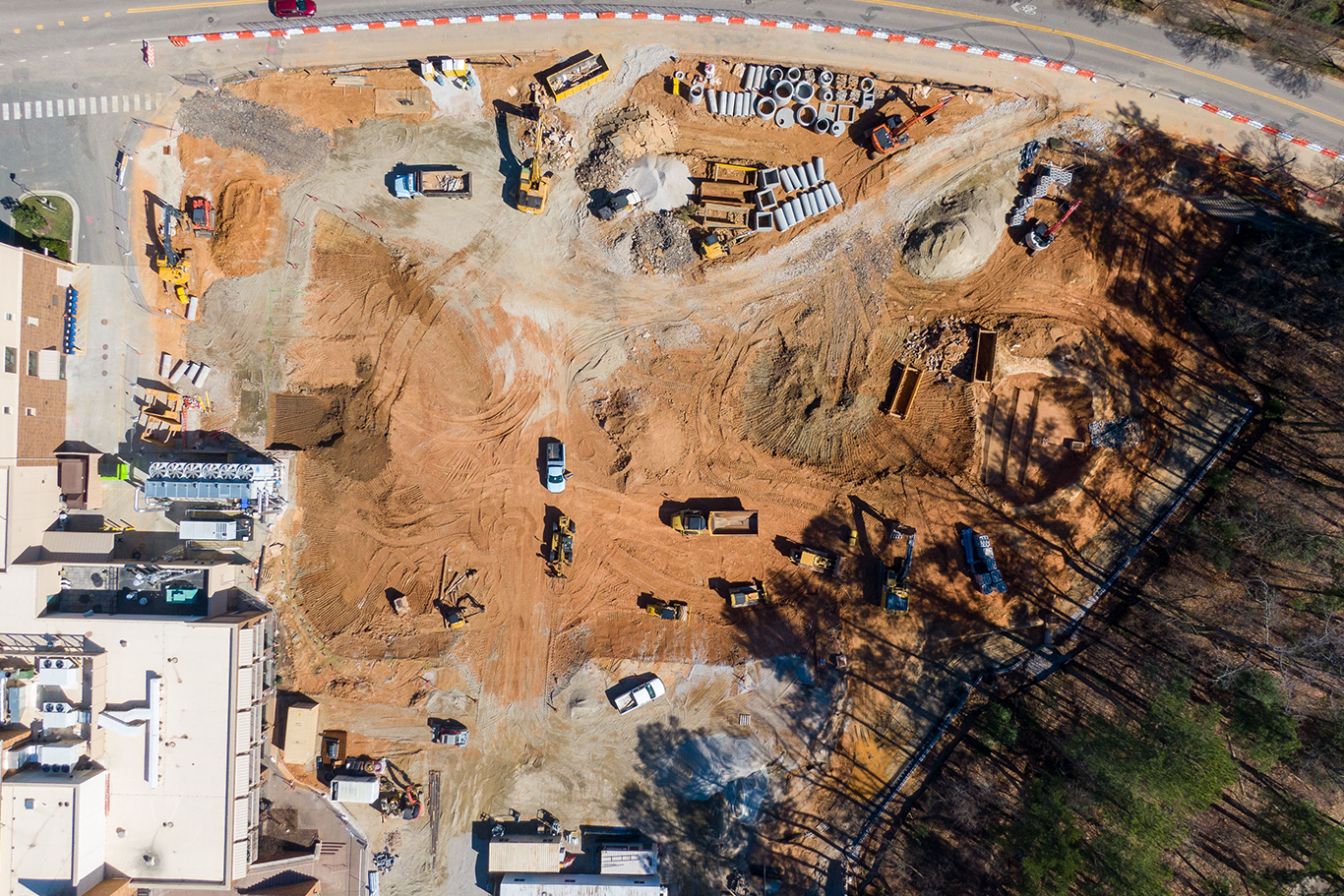
We help contractors protect their tools, vehicles, job sites, and employees with comprehensive insurance solutions. Whether you’re a general contractor, electrician, plumber, or another trade, we provide the coverage you need to keep your projects moving forward safely.
Cannabis Industry
Mosaic specializes in insuring the unique risks of the cannabis industry, including growers, retailers, processors, and delivery services. We understand the compliance challenges you face and work with carriers who can protect every stage of your operation.

Lessor’s Risk (LRO)
If you own a building and lease space to commercial tenants, we help protect your property and liability as a landlord. Our policies safeguard your investment from damages, lawsuits, and other risks that come with leasing commercial real estate.

Frequently Asked Questions
Quick Answers. Trusted Support.
Insurance doesn’t have to be confusing. We’re here to make everything clear, helpful, and hassle-free.
What states is Mosaic Insurance licensed in?
Mosaic is licensed in more than 10 states, including Washington, Oregon, Arizona, California, Texas, Colorado, and more. Our team can help you whether you live locally in WA or operate across multiple state lines.
We’re especially well-equipped to help clients with multi-state businesses, real estate portfolios, or cannabis operations that need compliance-ready coverage in various jurisdictions.
Can I get quotes from multiple carriers through Mosaic?
Yes. As an independent agency, we partner with a wide range of top-rated insurance carriers. That means you’re not locked into just one company’s pricing or coverage limitations.
Our advisors compare quotes for you, break down the differences, and help you choose the plan that fits best—no pressure, just honest advice.
Does Mosaic offer cannabis insurance, and who qualifies?
Absolutely. Mosaic is one of the few agencies with deep experience in cannabis insurance. We offer coverage for dispensaries, cultivators, delivery services, manufacturers, and labs.
If you're in a licensed state and need coverage that meets regulatory requirements, we can help set you up with carriers who understand the cannabis industry’s unique risks.
What can I do through the client portal?
You can use our 24/7 client portal to request policy changes, submit certificates of insurance, and manage your billing. It’s easy to use and always available.
This helps speed up business tasks and gives you full access to your coverage—even outside of regular office hours.
What should I expect after requesting a quote?
Once you request a quote, our team will reach out to gather a few key details. From there, we shop coverage with multiple carriers and return with clear, personalized options.
We make it easy to compare policies, ask questions, and finalize your protection—usually in 24–48 hours.
Can Mosaic help me file a claim?
Yes. Whether it’s an auto accident, property damage, or business-related issue, we’re here to guide you through the claims process. Our team can explain your coverage, contact the carrier, and help get things moving quickly.
We’re your advocate—before, during, and after a claim. You don’t have to go it alone.
Tips, News & Insights
Explore Our Blog