Washington Auto Repair and Body Shop Pollution Liability Insurance

or call us: 425-320-4280
Top 3 Recommended Policies

By: Jackson Hering
Licensed Personal Insurance Specialist
425-409-2497
A single cracked floor drain under your prep station can turn a routine Tuesday into a six-figure environmental claim. Solvent residue seeps into soil, a neighbor's well tests positive, and suddenly the Department of Ecology is asking who pays for the investigation, the excavation, and the years of groundwater monitoring that follow.
Most shop owners find out what their policy won't cover only after something leaks. That's the wrong time to learn about pollution exclusions. This guide to pollution liability insurance for Washington auto repair and body shops covers the exposures that come from paint, solvents, used oil, and storage tanks. It also explains how cleanup costs get calculated and where the coverage gaps hide.
Whether you run a two-bay independent garage in Spokane or a high-volume collision center in Tacoma, the same basic question applies. If contamination traced back to your property surfaced tomorrow, could your business absorb the bill? For many shops, the honest answer is no. The right
environmental coverage is what changes that answer.
Why Standard General Liability Isn't Enough for Washington Shops
Almost every commercial general liability (CGL) policy written today includes an "absolute" or "total" pollution exclusion. The insurance industry added that language decades ago after massive environmental losses. In practice, it means your CGL won't pay for bodily injury, property damage, or cleanup tied to the discharge of pollutants. That includes the substances your shop handles every single day.
Here's what that means for you. Say a customer slips on spilled coolant and breaks a wrist. Your CGL likely responds. Now say that same coolant runs into a storm drain and contaminates a creek. The exclusion kicks in, and you're on your own.
Some owners assume a "sudden and accidental" carve-back saves them. Those carve-backs are rare now, and when they exist, they usually include a short discovery and reporting window. Gradual leaks, the most common type in auto repair, almost never qualify. A slow drip from a corroded oil drum over three years is exactly the kind of loss a standard policy is built to reject.
Common Environmental Risks in Auto Repair and Body Work
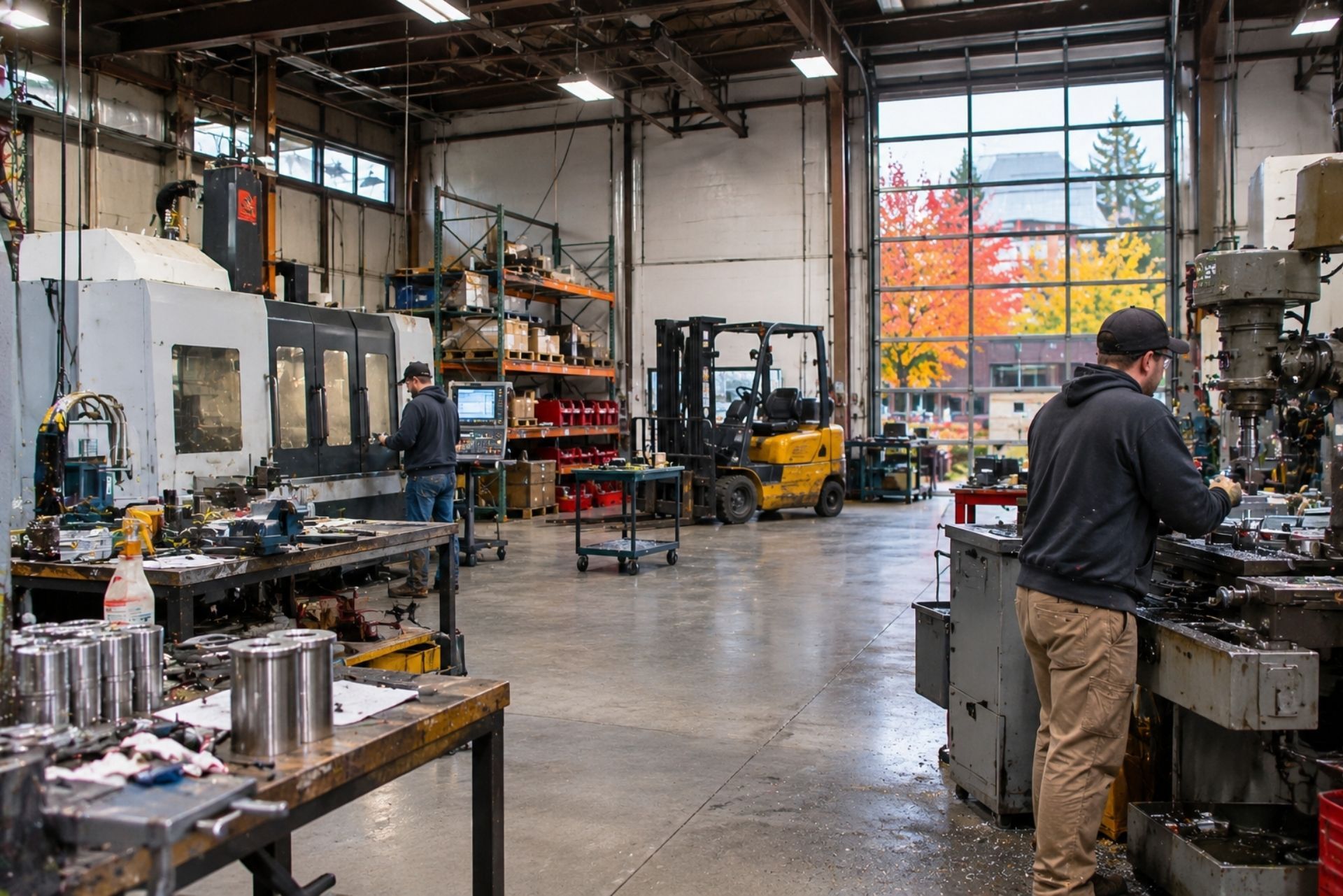
Your environmental exposure depends on what you do, how long you've been at your location, and who owned the property before you. Collision shops carry heavier paint and solvent risk. General repair shops deal with more fluids and waste oil. Older sites often come with buried problems nobody disclosed.
Paint Booths, Solvents, and Air Quality
Body shops handle isocyanate-based clears, reducers, thinners, and paint strippers that can harm workers and neighbors. Overspray drift, improper filter disposal, and solvent-soaked rags stored in open containers all create claim scenarios. A neighbor's car finish damaged by overspray, or a tenant next door complaining of fumes, can lead to third-party bodily injury or property damage claims.
The regulatory picture for strippers just got murkier. On September 15, 2026, a federal appeals court vacated the EPA's 2024 risk management rule for methylene chloride, leaving a gap in federal oversight. The catch is that a weaker federal rule doesn't reduce your civil liability. If a worker or neighbor gets sick, plaintiffs' attorneys won't care whether the rule was vacated.
Used Oil and Chemical Disposal Hazards
Used oil, antifreeze, brake fluid, spent solvents, and oily absorbents make up the bulk of most shops' waste streams. Common claim sources include:
- Overfilled waste oil tanks that spill onto unsealed concrete or gravel
- Floor drains connected to dry wells or septic systems instead of approved separators
- Leaking parts washers and solvent recyclers
- Third-party haulers who mishandle your waste after pickup
That last one catches owners off guard. Under "cradle-to-grave" liability, you remain responsible for your hazardous waste even after it leaves your lot. In September 2026, Ecology issued a $1 million penalty to Crystal Clean, Inc. for hazardous waste violations, a reminder that the vendor you trust with disposal can become part of your liability chain. Pollution coverage that includes transportation and non-owned disposal site exposure matters here.
The Liability of Underground Storage Tanks (USTs)
Older shops and former gas stations often sit on top of USTs, sometimes ones the current owner never knew existed. Corroded steel tanks and failing piping are classic sources of long-tail contamination. Cleanup can drag on for years, and costs climb as plumes spread.
Washington offers some help. The Pollution Liability Insurance Agency runs a
UST loan and grant program offering up to $150,000 for planning and cleanup, with the application cycle open from October 1, 2026, through March 1, 2027. If you own or are buying a property with tanks, mark those dates. Grants are no substitute for insurance, but they can shrink an uncovered loss.
Understanding Cleanup Costs and Policy Exclusions
Cleanup costs rarely come down to a single invoice. A typical contamination claim stacks several layers: site assessment and soil borings, excavation and disposal, groundwater monitoring, legal defense, and agency oversight. Ecology also bills for its time. The agency publishes cost recovery rates for oversight of mandatory cleanups, updated for October 2026 through September 2027, and those charges can land on you even before remediation starts.
Even a good pollution policy has exclusions. Watch for these:
- Known conditions: contamination you knew about before the policy started
- Prior acts dates: claims-made forms may exclude pollution that began before your retroactive date
- Intentional non-compliance: knowingly violating environmental laws
- Fines and penalties: often excluded or sublimited
- Owned USTs: frequently carved out unless scheduled on a separate tank policy
- Mold and asbestos: sometimes excluded or sublimited
One mistake we see constantly: owners switch carriers to save a few hundred dollars and lose their retroactive date. That resets coverage and wipes out protection for years of prior operations. Always negotiate to keep your original retro date.
Comparing Coverage: General Liability vs. Pollution Liability
The two policies are built for different jobs. You need both, and here's how they divide the work.
| Exposure | General Liability | Pollution Liability |
|---|---|---|
| Customer slip-and-fall | Covered | Not designed for this |
| Gradual oil leak into soil | Excluded | Covered |
| Overspray damaging nearby cars | Often excluded | Covered |
| Regulatory cleanup orders | Excluded | Covered (first-party cleanup) |
| Waste hauler spill off-site | Excluded | Covered if transport/disposal included |
| Legal defense for pollution suits | Excluded | Covered, may erode limits |
| Contamination from prior owner | Excluded | Possible with negotiated terms |
One thing to keep in mind: pollution forms come in two flavors. Site pollution policies cover contamination at your premises. Contractors pollution liability covers work you do elsewhere, which matters if you run mobile repair or roadside service. Mobile units and shops doing fleet maintenance at customer yards should ask specifically about off-site operations.
Shop size changes the picture too. A small independent garage with no tanks may only need a modest site policy. A multi-location collision operation with paint booths, waste oil furnaces, and a buried tank needs higher limits, scheduled tanks, and transportation coverage.
Washington State Regulations and Compliance Requirements
Washington runs a stricter environmental program than many states, and the Model Toxics Control Act (MTCA) makes current and past owners and operators potentially liable for cleanup regardless of fault. That's why buyers, sellers, and landlords increasingly ask for proof of environmental coverage in leases and purchase agreements.
Waste volume matters. Shops generating more than 4,000 pounds of dangerous waste a year face a Hazardous Waste Planning Fee set at $0.092685005 per risk pound for the 2026 cycle. Busy collision centers can cross that line faster than they expect once paint waste, solvents, and filters are counted.
To keep both regulators and underwriters satisfied, build these habits:
- Confirm your generator status and track waste volumes monthly.
- Keep manifests and hauler records for every pickup.
- Inspect floor drains, separators, and containment quarterly, and log the results.
- Train employees on spill response and stock spill kits near fluid stations.
- Document tank testing and leak detection if you have USTs.
Clean records do two things. They reduce the odds of a violation, and they help you get better pricing because underwriters reward documented controls.
Frequently Asked Questions About Shop Pollution Insurance
Do I need pollution coverage if I lease my building? Yes, in most cases. MTCA can reach operators as well as owners, and many landlords now require tenants to carry it.
Will my policy cover contamination left by a previous owner? Usually not by default. Some site policies can cover unknown pre-existing conditions if you negotiate it and complete a site assessment.
What's the difference between claims-made and occurrence pollution policies? Claims-made covers claims reported while the policy is active, subject to a retroactive date. Occurrence forms cover pollution events during the policy period whenever the claim is filed, but they're less common for this coverage.
Does pollution insurance pay government fines? Typically no. Fines and penalties are often excluded, though defense costs for regulatory actions may be covered.
Are my waste oil haulers' mistakes my problem? They can be. Cradle-to-grave rules keep you tied to your waste, so ask for transportation and non-owned disposal site coverage.
How fast should I report a spill? Immediately. Late notice is one of the most common reasons environmental claims get denied, so call your agent and follow Ecology's reporting rules the same day.
Making the Right Choice for Your Shop's Future
Environmental claims don't announce themselves. They show up during a property sale, a lender's site assessment, or a neighbor's well test, often years after the leak started. That delay is exactly why the best pollution liability coverage for Washington repair and body shops needs to be in place long before anything goes wrong.
Your next steps are simple. Start by listing every exposure: paint booths, parts washers, waste oil storage, floor drains, tanks, and your waste haulers. Then review your current CGL for its pollution exclusion. Ask an independent agent who writes environmental coverage to quote site pollution limits that match your size and history. Compare at least two or three quotes, and look closely at retro dates, tank exclusions, and transportation coverage.
Finally, revisit your coverage whenever you add a paint booth, buy property, or change waste vendors. The right policy now costs far less than a single cleanup order later.

About The Author:
Jackson Hering
I'm a fourth-generation insurance agent, having learned the business firsthand while working alongside my father. With years of experience passed down through my family, I take pride in combining that legacy knowledge with a modern, client-focused approach. I started my career at a small, family-owned agency and worked my way up, gaining a deep understanding of the industry from the ground up.
Contact Us
Coverage for Everyday Life
Personal Insurance That Works for You
We help individuals and families find coverage that keeps life moving—without overpaying or getting lost in fine print. From auto and home insurance to umbrella and life protection, our licensed team compares options across top-rated carriers to make sure you’re covered the right way, right now.
Auto Insurance
Drive with confidence and coverage that fits your needs.
Home Insurance
Coverage for fire, theft, liability, and more.
Renters Insurance
Affordable protection for your belongings and personal liability.

Boat Insurance
Coverage for watercraft damage, liability, and gear.
Life Insurance
Prepare for the future with term or whole life policies.
Umbrella Insurance
Extra liability protection for life’s bigger risks.
Protect Your Business Without the Guesswork
Business Insurance Built for Stability & Growth
Running a business comes with risk. We help reduce it. Our team builds custom coverage for your needs, including general liability, property, commercial auto, and cyber protection. We’re fast, responsive, and easy to reach—so your insurance is one less thing to worry about.
Industries We Serve
Tailored by Industry
We understand the risks unique to your business—and how to insure against them.
Contractors & Trades
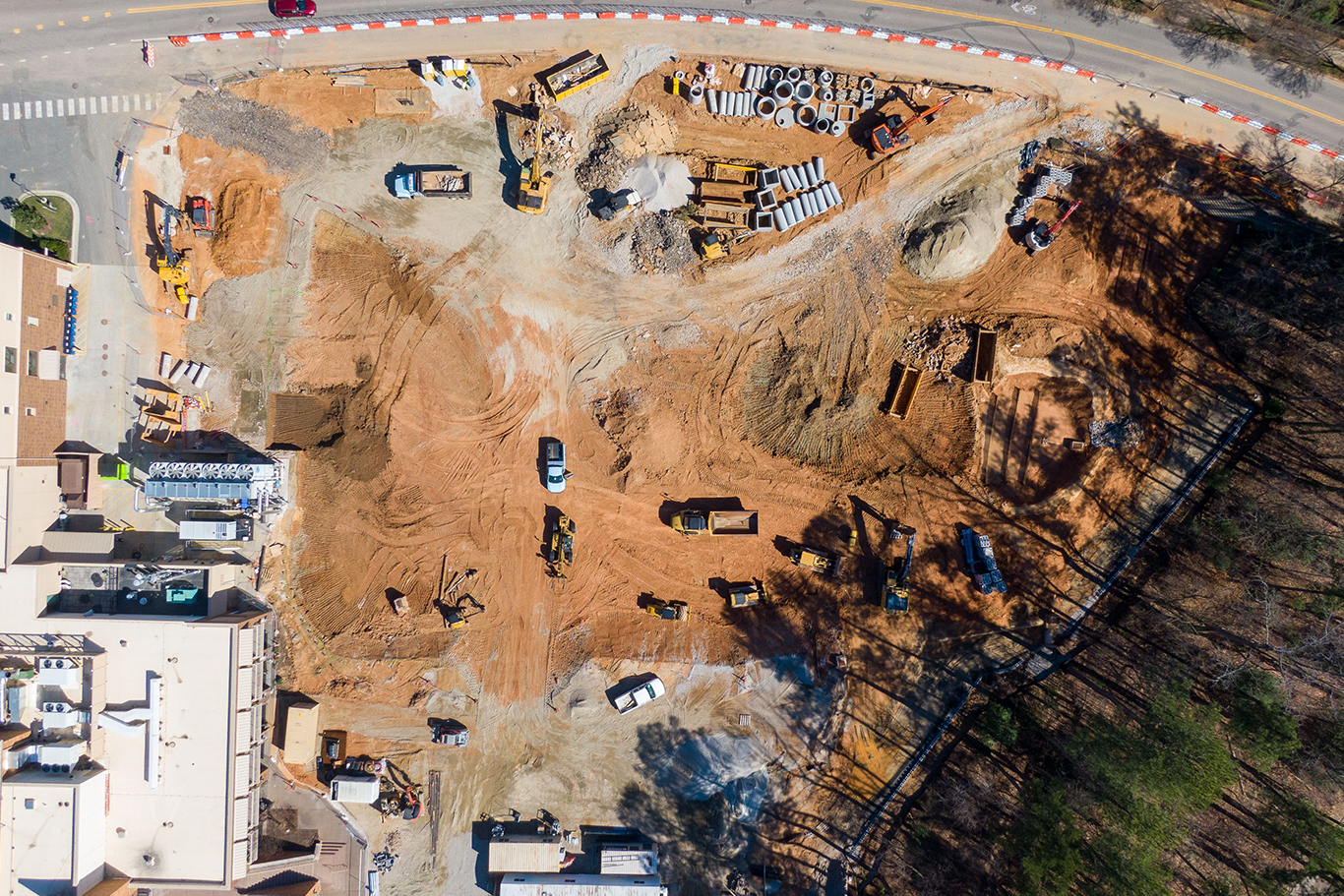
We help contractors protect their tools, vehicles, job sites, and employees with comprehensive insurance solutions. Whether you’re a general contractor, electrician, plumber, or another trade, we provide the coverage you need to keep your projects moving forward safely.
Cannabis Industry
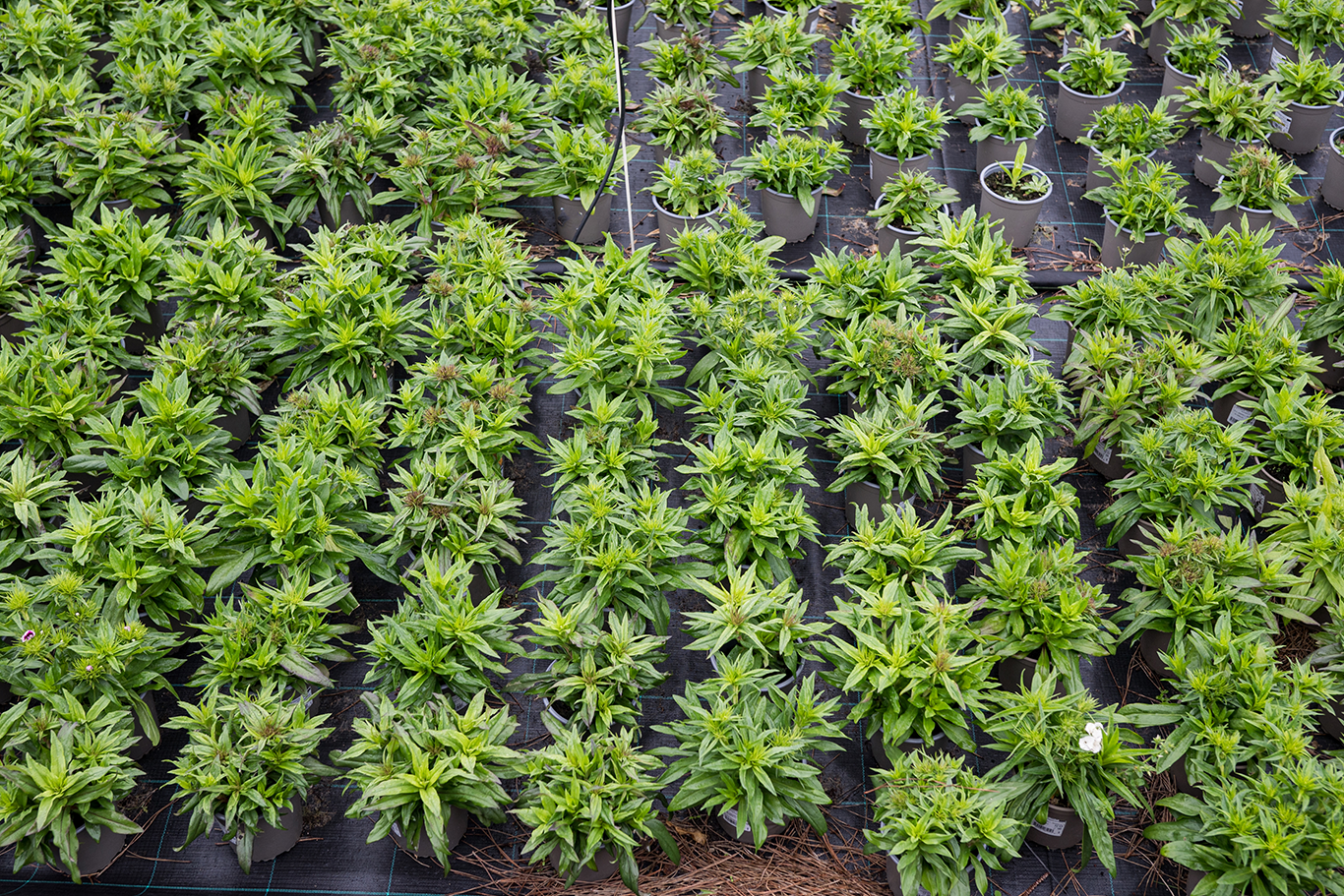
Mosaic specializes in insuring the unique risks of the cannabis industry, including growers, retailers, processors, and delivery services. We understand the compliance challenges you face and work with carriers who can protect every stage of your operation.
Lessor’s Risk (LRO)
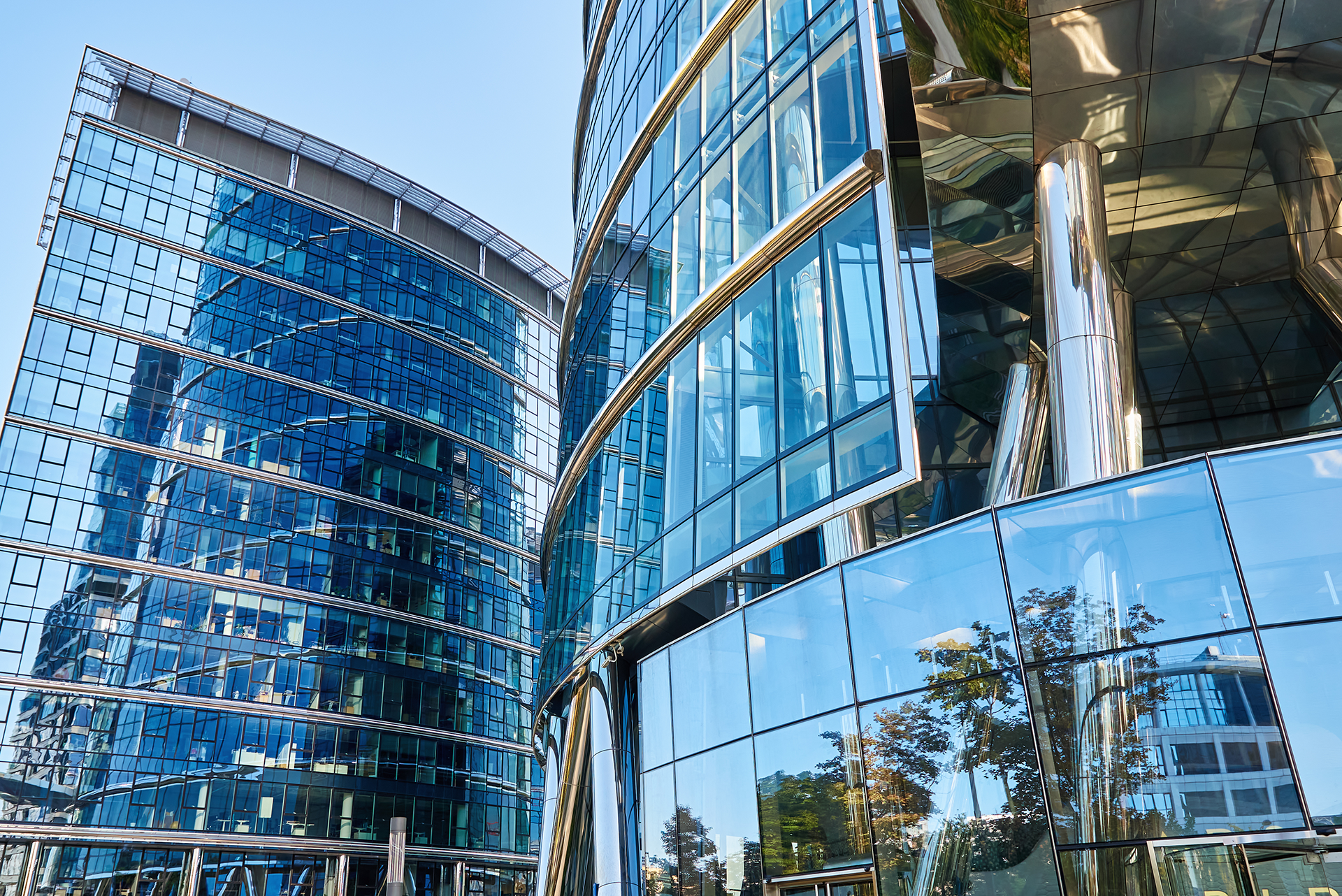
If you own a building and lease space to commercial tenants, we help protect your property and liability as a landlord. Our policies safeguard your investment from damages, lawsuits, and other risks that come with leasing commercial real estate.
Frequently Asked Questions
Quick Answers. Trusted Support.
Insurance doesn’t have to be confusing. We’re here to make everything clear, helpful, and hassle-free.
What states is Mosaic Insurance licensed in?
Mosaic is licensed in more than 10 states, including Washington, Oregon, Arizona, California, Texas, Colorado, and more. Our team can help you whether you live locally in WA or operate across multiple state lines.
We’re especially well-equipped to help clients with multi-state businesses, real estate portfolios, or cannabis operations that need compliance-ready coverage in various jurisdictions.
Can I get quotes from multiple carriers through Mosaic?
Yes. As an independent agency, we partner with a wide range of top-rated insurance carriers. That means you’re not locked into just one company’s pricing or coverage limitations.
Our advisors compare quotes for you, break down the differences, and help you choose the plan that fits best—no pressure, just honest advice.
Does Mosaic offer cannabis insurance, and who qualifies?
Absolutely. Mosaic is one of the few agencies with deep experience in cannabis insurance. We offer coverage for dispensaries, cultivators, delivery services, manufacturers, and labs.
If you're in a licensed state and need coverage that meets regulatory requirements, we can help set you up with carriers who understand the cannabis industry’s unique risks.
What can I do through the client portal?
You can use our 24/7 client portal to request policy changes, submit certificates of insurance, and manage your billing. It’s easy to use and always available.
This helps speed up business tasks and gives you full access to your coverage—even outside of regular office hours.
What should I expect after requesting a quote?
Once you request a quote, our team will reach out to gather a few key details. From there, we shop coverage with multiple carriers and return with clear, personalized options.
We make it easy to compare policies, ask questions, and finalize your protection—usually in 24–48 hours.
Can Mosaic help me file a claim?
Yes. Whether it’s an auto accident, property damage, or business-related issue, we’re here to guide you through the claims process. Our team can explain your coverage, contact the carrier, and help get things moving quickly.
We’re your advocate—before, during, and after a claim. You don’t have to go it alone.
Tips, News & Insights
Explore Our Blog