
Top 3 Recommended Policies

By: Jackson Hering
Licensed Personal Insurance Specialist
425-409-2497
Picture a Ballard brewery on a wet January morning. A sprinkler line freezes overnight, bursts, and soaks the taproom floor, the grain storage, and the electrical panel behind the bar. By noon the owner is asking two questions: will insurance pay to fix the building, and who covers the payroll and rent while the doors stay shut for six weeks?
The answers depend on decisions made long before the pipe froze. Those decisions include how the building was valued, which coverage form was picked, whether business income was added, and how high the deductible was set. This guide covers
commercial property insurance in Seattle, Washington, from buildings and contents to replacement cost, deductibles, and what drives your premium. It's written for owners who want to understand what they're buying before a claim forces the lesson.
Understanding Commercial Property Insurance in the Seattle Market
Commercial property insurance pays to repair or replace the physical assets your business depends on after a covered loss. That includes the building if you own it, your equipment and inventory, and often the income you lose while repairs happen. It doesn't cover injuries to customers, which is general liability's job. It also excludes several perils that matter a lot in Puget Sound, such as earthquake and flood, unless you add them.
Seattle's market has its own personality. Building values here run well above national norms, with commercial construction costs ranging from $260 to $520 per square foot in 2026. That number matters because your building limit should reflect what it costs to rebuild, not what the property would sell for. A 6,000-square-foot retail building in Fremont could easily need a seven-figure building limit even if the land is the more valuable asset.
Pricing has started to work in buyers' favor. After corrective rate hikes between 2022 and 2024, the market moved into a softening phase, with average property rates decreasing by 14.9% in Q2 2026. That's a good reason to re-shop a policy you haven't reviewed in two or three years.
Claims handling also changed this year. Starting October 18, 2026, Washington amended its
Unfair Claims Settlement Practices regulations under WAC 284-30-300. Insurers must now affirm or deny claims within 30 calendar days of notification and provide written updates every 30 days. For a
business owner waiting on a decision after a fire, that timeline carries real weight.
Core Components: Buildings, Contents, and Business Income
A commercial property policy is really three coverages bundled together. Each one has its own limit, and each one can be underinsured independently. Most claim disputes we see come from a gap in one part while the others look fine on paper.
Protecting Physical Structures and Equipment
Building coverage protects the structure itself: walls, roof, permanently installed fixtures, and usually built-in systems like HVAC, plumbing, and electrical. If you lease, check your lease carefully. Many Seattle commercial leases make tenants responsible for improvements and betterments, such as a restaurant's hood system, custom cabinetry, or a dental office's plumbed operatories.
Business personal property, often called contents or BPP, covers everything you'd take with you if you moved. Typical items include:
- Equipment and machinery: espresso machines, CNC routers, servers, salon chairs
- Inventory and stock: retail goods, raw materials, finished products
- Furniture and fixtures: desks, shelving, display cases
- Tenant improvements: buildout you paid for in a leased space
The most common mistake is setting a contents limit once and never touching it. A Capitol Hill boutique that carries twice its usual inventory from October through December needs a limit that covers the peak, not the average. Ask about a peak season endorsement or schedule a mid-term review before your busy season starts.
Equipment breakdown coverage is a separate add-on worth serious consideration. Standard property forms exclude mechanical and electrical failure, so a walk-in cooler compressor that dies on its own won't be covered. A restaurant losing a cooler can face both repair costs and thousands in spoiled food, which is why spoilage coverage often pairs with it.
Business Income: Covering Lost Profits During Repairs
Business income coverage replaces the net income you would have earned while your location is shut down from a covered loss. It also pays continuing expenses like rent, loan payments, and payroll for key staff. Without it, a business can survive the fire and still close permanently from the cash drain.
Extra expense coverage usually rides alongside. It pays for costs to keep operating during repairs, like renting a temporary kitchen or expediting equipment shipments. A Georgetown print shop that leases temporary space to fulfill contracts may stay in business mainly because of this coverage.
Pay attention to the waiting period, typically 72 hours, and the period of restoration. Seattle's permitting and construction timelines can stretch repairs far longer than owners expect. The city raised
construction permit fees by an average of 12% in 2025, with large projects seeing 19% hikes, and permit review adds time on top of cost. Consider an extended period of indemnity, which continues payments after you reopen while customers come back.
Replacement Cost vs. Actual Cash Value: A Critical Choice
This single valuation choice can change a claim payment by tens of thousands of dollars. Replacement cost pays what it takes to repair or replace damaged property with new materials of like kind and quality. Actual cash value pays replacement cost minus depreciation, which means you get what a used version is worth.
Here's what that means for you in a real claim. Say a 10-year-old commercial roof on your Lynnwood warehouse fails after a windstorm. Under replacement cost, the policy pays for a new roof minus your deductible. Under ACV, the insurer might depreciate that roof by half or more, leaving you to fund the difference out of pocket.
| Feature | Replacement Cost | Actual Cash Value |
|---|---|---|
| Payout basis | Cost to replace new | Replacement cost minus depreciation |
| Premium | Higher | Lower |
| Out-of-pocket risk | Low | High on older property |
| Best fit | Most businesses, newer equipment | Very old buildings, low-value contents |
| Common catch | You must actually rebuild to collect full amount | Depreciation disputes |
The catch is coinsurance. Most replacement cost policies carry an 80% or 90% coinsurance clause, which requires your limit to equal that percentage of the property's full replacement value. If you insure a building worth $2 million for only $1.2 million, you fall below an 80% requirement, and the insurer reduces your claim payment proportionally, even on a small partial loss.
Rising costs make this risk worse every year. Seattle-area
consumer prices rose 4.4% as of August 2026, outpacing the national average of 3.4%, and construction materials and labor follow similar pressure. Ask for an agreed value endorsement, which waives coinsurance, and an inflation guard that bumps your limit automatically each year.
Seattle-Specific Risk Factors and Coverage Considerations
Generic property advice doesn't account for what makes Seattle different. The region sits on active fault lines, gets heavy rain, and has a large stock of older buildings subject to evolving codes. Each of these creates coverage gaps that standard policies leave open.
Earthquake and Flood: The Pacific Northwest Reality
Standard commercial property forms exclude earthquake and flood. Read that twice, because many owners assume "all risk" means everything. The Seattle Fault runs directly beneath the city, and a major quake would damage buildings that look structurally sound today.
Earthquake coverage is sold as an endorsement or a separate policy, usually with a percentage deductible rather than a flat dollar amount. A 10% deductible on a $3 million building means you absorb the first $300,000 of damage. That's still far better than absorbing all of it, but you should plan for that deductible in your reserves.
Flood is the other gap. Businesses near the Duwamish, in low-lying parts of SoDo, or along the Snoqualmie and Green River valleys face real exposure. Commercial flood coverage is available through the federal program and private markets, and private options often offer higher limits and business income protection. One thing to keep in mind: sewer backup and surface water often fall under separate exclusions, so ask specifically about water backup coverage, which is common in older Seattle drainage systems.
Ordinance or Law Coverage for Older Seattle Buildings
When an older building is damaged, the city may require repairs to meet current code, not the code from 1928. Standard policies don't pay for those upgrades. Ordinance or law coverage fills that gap with three parts:
- Coverage A pays for the value of the undamaged portion you're forced to tear down.
- Coverage B pays demolition and debris removal costs for that undamaged portion.
- Coverage C pays the increased cost to build to current code, such as seismic bracing, sprinklers, or ADA upgrades.
This matters because Seattle is moving toward a mandatory Unreinforced Masonry ordinance affecting 1,142 buildings identified as high risk of collapse. Many sit in Pioneer Square, the International District, and Capitol Hill. If you own or lease in a brick building from the early 1900s, a moderate fire could trigger expensive seismic retrofits during reconstruction. Carry a meaningful Coverage C limit, not the token amount some policies include by default.
Comparing Coverage Levels: Basic, Broad, and Special Forms
Commercial property policies come in three standard cause-of-loss forms. The form determines which events trigger coverage, and the difference between them is bigger than most quotes make obvious.
The basic form is a named-perils policy covering a short list: fire, lightning, explosion, windstorm, hail, smoke, aircraft or vehicles, riot, vandalism, sprinkler leakage, sinkhole, and volcanic action. If the cause isn't on the list, there's no coverage. It's cheap, and it's thin.
The broad form adds more named perils, including falling objects, weight of snow or ice, water damage from broken pipes or appliances, and certain types of collapse. For Seattle, the snow and ice addition matters during winter storms like those the region has seen in recent years.
The special form, still often called "all risk," covers everything except what's specifically excluded. That flips the burden: the insurer must show an exclusion applies rather than you proving a named peril caused the loss.
| Form | How It Works | Water From Burst Pipe | Theft | Typical Fit |
|---|---|---|---|---|
| Basic | Named perils, short list | No | No | Vacant or very low-value property |
| Broad | Named perils, longer list | Yes | No | Budget-conscious owners |
| Special | Everything not excluded | Yes | Yes, with limits | Most operating businesses |
For nearly every active Seattle business, special form is the right baseline. The premium difference is usually modest compared to the gaps you close. That said, read the exclusions: wear and tear, mold, gradual seepage, and earth movement still apply.
Managing Deductibles and Total Policy Costs
Your premium reflects the insurer's view of risk plus the choices you make about limits and deductibles. You can't control Seattle's seismic profile, but you can control how much risk you retain.
How Deductible Choices Impact Your Monthly Premium
Raising your deductible lowers your premium because you're absorbing small losses yourself. Moving from a $1,000 to a $5,000 deductible typically produces a noticeable premium reduction, though the exact savings vary by insurer and property type. Ask your agent to quote two or three deductible options side by side.
The right deductible is the largest amount you could pay tomorrow without disrupting operations. A software consultancy with healthy reserves might choose $10,000. A new food truck commissary probably shouldn't go above $2,500.
Watch for split deductibles. Many policies carry a standard all-peril deductible plus separate ones for wind, water damage, or theft. Earthquake deductibles, as noted earlier, are usually percentages of the insured value. Read every deductible line on the declarations page, not just the headline number.
Small claims have a hidden cost too. Filing several minor claims can raise your renewal rate or make your account less attractive to carriers. A higher deductible discourages that and keeps your loss history clean for when you need it.
Factors Influencing Seattle Commercial Rates
We can't give you a reliable per-square-foot premium without your specific details, and anyone who quotes one blind is guessing. What we can tell you is what underwriters look at:
- Construction type: frame, joisted masonry, noncombustible, or fire-resistive. Unreinforced brick raises rates and earthquake costs.
- Occupancy: a restaurant with fryers rates higher than an accounting office.
- Protection: sprinkler systems, central station alarms, and fire department proximity.
- Building age and updates: recent roof, electrical, and plumbing upgrades help.
- Location: flood zone, crime rates, and wildfire-urban interface in outer King and Snohomish counties.
- Loss history: prior claims over the last three to five years.
- Insured values: higher replacement cost means higher premium.
Labor costs feed into rebuild estimates too.
Labor costs are the top economic problem for 19% of Washington small businesses, compared to 9% nationally. Those same labor pressures push up contractor bids after a loss, which is why your limits need regular review.
Common Questions About Seattle Property Coverage
Do I need commercial property insurance if I rent my space? Yes, in most cases. Your landlord's policy covers the building, not your equipment, inventory, or improvements you paid for. Your lease likely requires you to carry it anyway.
Does my policy cover damage from an earthquake? Not by default. You'll need a separate earthquake endorsement or policy, and it usually comes with a percentage-based deductible.
How long does an insurer have to decide on my claim in Washington? Under rules effective October 18, 2026, insurers must affirm or deny a claim within 30 calendar days of notification. They also have to send written updates every 30 days while the claim is open.
What happens if my inventory is higher than my limit during the holidays? You could be underinsured and receive a reduced payment. Ask about a peak season endorsement or raise your limit temporarily before your busy months.
Does a home-based business qualify for this coverage? Your homeowners policy typically offers very limited business property coverage. A home-based business endorsement or a small business owner's policy usually fills that gap at modest cost.
Is now a good time to shop for a new policy? The market is softening after several years of steep increases, so you may find better pricing or broader terms. Comparing quotes at renewal is a smart move this year.
Making the Right Choice for Your Puget Sound Business
Getting this right comes down to a few habits. Value your building at Seattle rebuild costs, not market value. Choose replacement cost with agreed value or inflation guard, and pick the special form unless you have a specific reason not to. Then add the coverages Seattle demands: earthquake, flood or water backup, ordinance or law, equipment breakdown, and business income with a realistic restoration period.
Before you buy or renew, follow these steps:
- Document your exposures: list equipment with purchase dates and costs, track inventory peaks, and pull 12 months of revenue and payroll.
- Get a replacement cost estimate for any building you own, ideally from a professional appraiser.
- Compare quotes from an independent agent who can access several regional and national markets, not just one carrier.
- Review mid-term whenever you add equipment, expand, or enter a seasonal peak.
Take advantage of today's softer market to tighten your coverage instead of just cutting costs. Pull your current declarations page this week, check it against this list, and call your agent with specific questions. The time to find a gap is now, not the morning the pipe bursts.

About The Author:
Jackson Hering
I'm a fourth-generation insurance agent, having learned the business firsthand while working alongside my father. With years of experience passed down through my family, I take pride in combining that legacy knowledge with a modern, client-focused approach. I started my career at a small, family-owned agency and worked my way up, gaining a deep understanding of the industry from the ground up.
Contact Us
Coverage for Everyday Life
Personal Insurance That Works for You
We help individuals and families find coverage that keeps life moving—without overpaying or getting lost in fine print. From auto and home insurance to umbrella and life protection, our licensed team compares options across top-rated carriers to make sure you’re covered the right way, right now.
Auto Insurance
Drive with confidence and coverage that fits your needs.
Home Insurance
Coverage for fire, theft, liability, and more.
Renters Insurance
Affordable protection for your belongings and personal liability.

Boat Insurance
Coverage for watercraft damage, liability, and gear.
Life Insurance
Prepare for the future with term or whole life policies.
Umbrella Insurance
Extra liability protection for life’s bigger risks.
Protect Your Business Without the Guesswork
Business Insurance Built for Stability & Growth
Running a business comes with risk. We help reduce it. Our team builds custom coverage for your needs, including general liability, property, commercial auto, and cyber protection. We’re fast, responsive, and easy to reach—so your insurance is one less thing to worry about.
Industries We Serve
Tailored by Industry
We understand the risks unique to your business—and how to insure against them.
Contractors & Trades
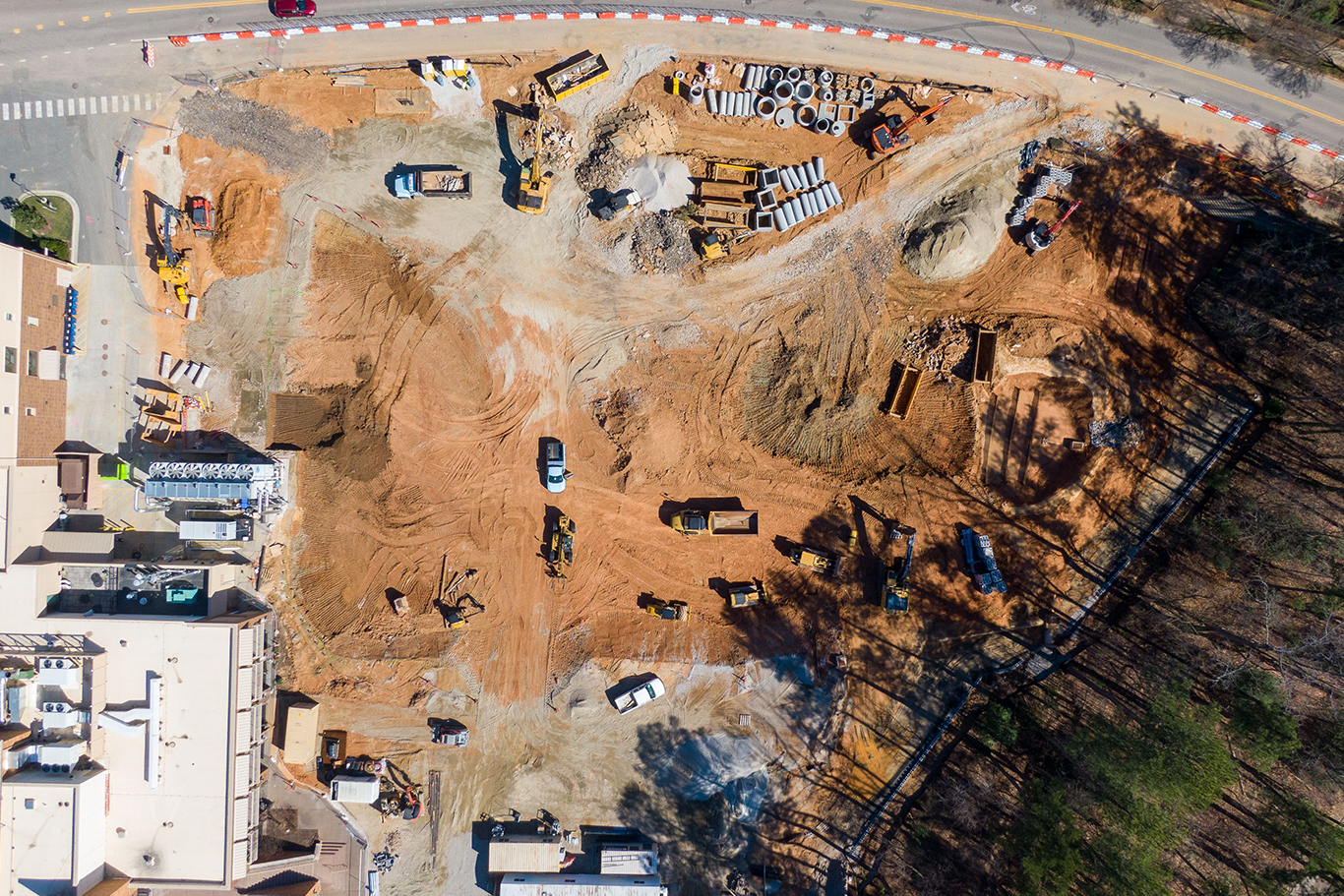
We help contractors protect their tools, vehicles, job sites, and employees with comprehensive insurance solutions. Whether you’re a general contractor, electrician, plumber, or another trade, we provide the coverage you need to keep your projects moving forward safely.
Cannabis Industry
Mosaic specializes in insuring the unique risks of the cannabis industry, including growers, retailers, processors, and delivery services. We understand the compliance challenges you face and work with carriers who can protect every stage of your operation.

Lessor’s Risk (LRO)
If you own a building and lease space to commercial tenants, we help protect your property and liability as a landlord. Our policies safeguard your investment from damages, lawsuits, and other risks that come with leasing commercial real estate.

Frequently Asked Questions
Quick Answers. Trusted Support.
Insurance doesn’t have to be confusing. We’re here to make everything clear, helpful, and hassle-free.
What states is Mosaic Insurance licensed in?
Mosaic is licensed in more than 10 states, including Washington, Oregon, Arizona, California, Texas, Colorado, and more. Our team can help you whether you live locally in WA or operate across multiple state lines.
We’re especially well-equipped to help clients with multi-state businesses, real estate portfolios, or cannabis operations that need compliance-ready coverage in various jurisdictions.
Can I get quotes from multiple carriers through Mosaic?
Yes. As an independent agency, we partner with a wide range of top-rated insurance carriers. That means you’re not locked into just one company’s pricing or coverage limitations.
Our advisors compare quotes for you, break down the differences, and help you choose the plan that fits best—no pressure, just honest advice.
Does Mosaic offer cannabis insurance, and who qualifies?
Absolutely. Mosaic is one of the few agencies with deep experience in cannabis insurance. We offer coverage for dispensaries, cultivators, delivery services, manufacturers, and labs.
If you're in a licensed state and need coverage that meets regulatory requirements, we can help set you up with carriers who understand the cannabis industry’s unique risks.
What can I do through the client portal?
You can use our 24/7 client portal to request policy changes, submit certificates of insurance, and manage your billing. It’s easy to use and always available.
This helps speed up business tasks and gives you full access to your coverage—even outside of regular office hours.
What should I expect after requesting a quote?
Once you request a quote, our team will reach out to gather a few key details. From there, we shop coverage with multiple carriers and return with clear, personalized options.
We make it easy to compare policies, ask questions, and finalize your protection—usually in 24–48 hours.
Can Mosaic help me file a claim?
Yes. Whether it’s an auto accident, property damage, or business-related issue, we’re here to guide you through the claims process. Our team can explain your coverage, contact the carrier, and help get things moving quickly.
We’re your advocate—before, during, and after a claim. You don’t have to go it alone.
Tips, News & Insights
Explore Our Blog